Putting two bowls on the kitchen floor and hoping for the best works in some homes and goes wrong in many others. The fast eater finishes first and moves on to the slow eater's bowl. One dog gains weight while the other loses it. Occasionally, a quiet stare over a bowl turns into a scuffle.
A little structure prevents most of this. This guide covers where to put bowls, how to run a calm mealtime routine, how to handle a puppy, an adult and a senior on different foods under one roof, and what signs mean you should separate dogs completely or bring in professional help.
Why free-for-all feeding causes problems
Dogs are opportunists. When food is available, most will take it, and the fastest, boldest or hungriest dog usually wins. Over weeks, that can mean one dog eating 30 percent more than its share while another quietly goes short, and neither owner nor scale notices until the difference is obvious.
Competition also speeds up eating. Even relaxed dogs tend to gulp when another dog is nearby, which increases the chance of regurgitation and swallowed air. And while most dogs never guard food seriously, shared bowls create the exact situation in which guarding starts.
Set up feeding stations
Give every dog its own bowl in its own spot, and use the same spots every day. Separation distance depends on how the dogs get along around food. The table gives a starting point; increase the distance if you see any tension.
Feeding in crates, behind baby gates or in separate rooms is not unkind. Many dogs relax visibly when they know no one can approach their bowl, and meals become quicker and calmer as a result.
| Situation | Setup | Notes |
|---|---|---|
| Relaxed dogs, similar speed | Bowls 2 to 3 m (7 to 10 ft) apart, dogs facing away from each other | Stay in the room until both have finished |
| One fast eater, one slow | Fast eater in a slow feeder, or behind a baby gate | Lift the fast eater's empty bowl at once |
| Any stiffening or staring | Separate rooms or crates | Release dogs only after all bowls are lifted |
| Puppy with adult dogs | Puppy in a crate or pen | Prevents the puppy stealing richer or larger portions |
| Special diet for one dog | Separate room with the door closed | Protects the diet from being eaten by others |
A calm mealtime routine
A predictable routine reduces excitement and pushing. Prepare all bowls out of reach, then ask each dog to sit or wait at its station. Put the bowls down in the same order every day, often the calmest or oldest dog first, and give a release word such as okay.
Allow 15 to 20 minutes for eating, then lift every bowl, including empty ones. Leaving bowls down invites patrolling, and a dog that learns it can clean up after others will start rushing its own meal to get there first.
- Prepare bowls away from the dogs
- Ask each dog to wait at its own station
- Serve in the same order every meal
- Stay present until everyone has finished
- Lift all bowls straight away
- Release dogs from crates or rooms once bowls are gone
Different dogs, different diets
It is common to have a growing puppy, a busy adult and a senior at the same time, each on a different food. Puppy food is richer, so adult dogs that steal it tend to gain weight, and a senior on a vet-recommended diet must not share with the others.
Label each dog's food container clearly and use different colored scoops or measuring cups so anyone feeding the dogs gets it right. Weigh each portion. If everyone eats together in one room, feed the dog on the special diet in a crate or separate room so no food swaps hands, or paws, when you step away.
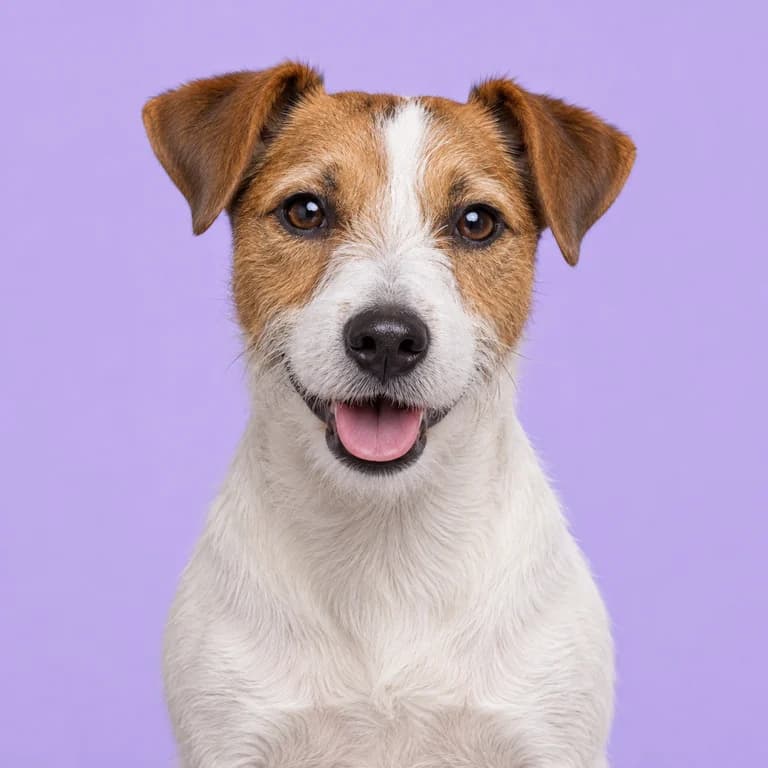
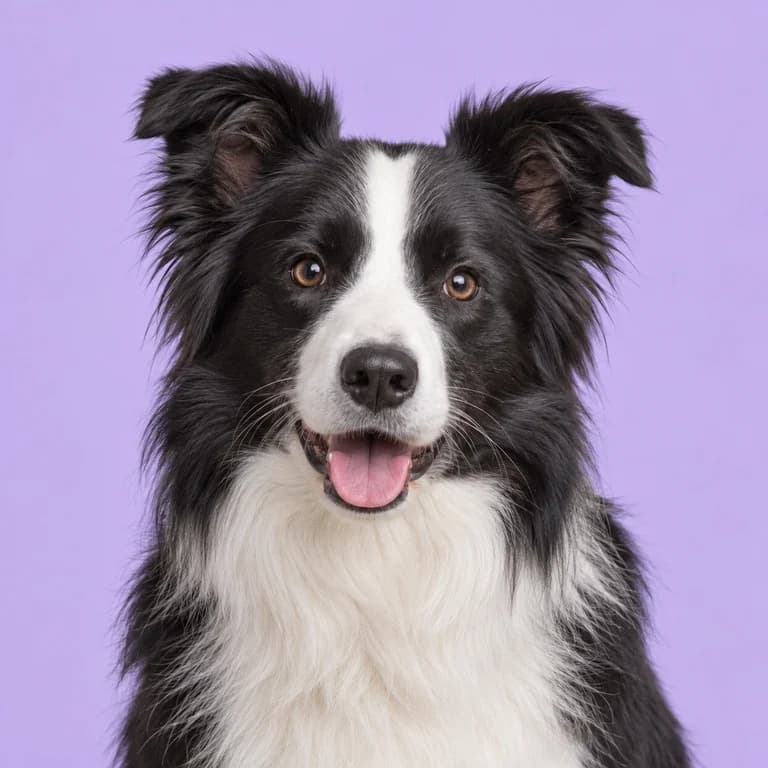
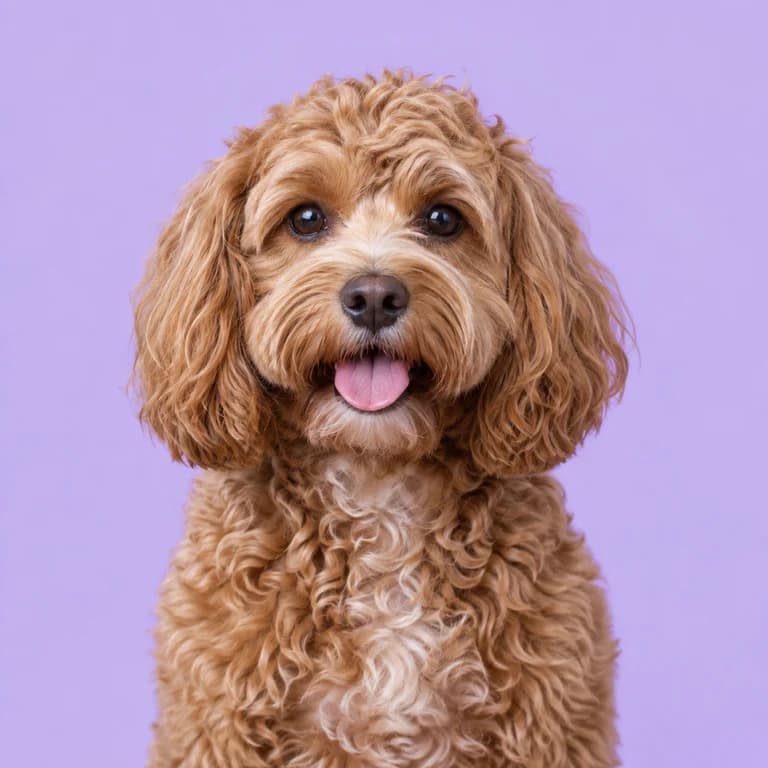
Here is how that can look in practice. A household with a 4-month-old Cavapoo, a 6-year-old Border Collie and a 12-year-old Jack Russell might feed at 7:00 and 18:00, with the puppy getting an extra lunch at 13:00 in its pen. At each main meal, the puppy eats in its crate, the Jack Russell eats its softened senior food in the utility room with the door closed, and the collie eats from a slow feeder in the kitchen. After 15 minutes, all three bowls are lifted, rinsed and stacked, and only then are the doors opened.
Handling mismatched eating speeds
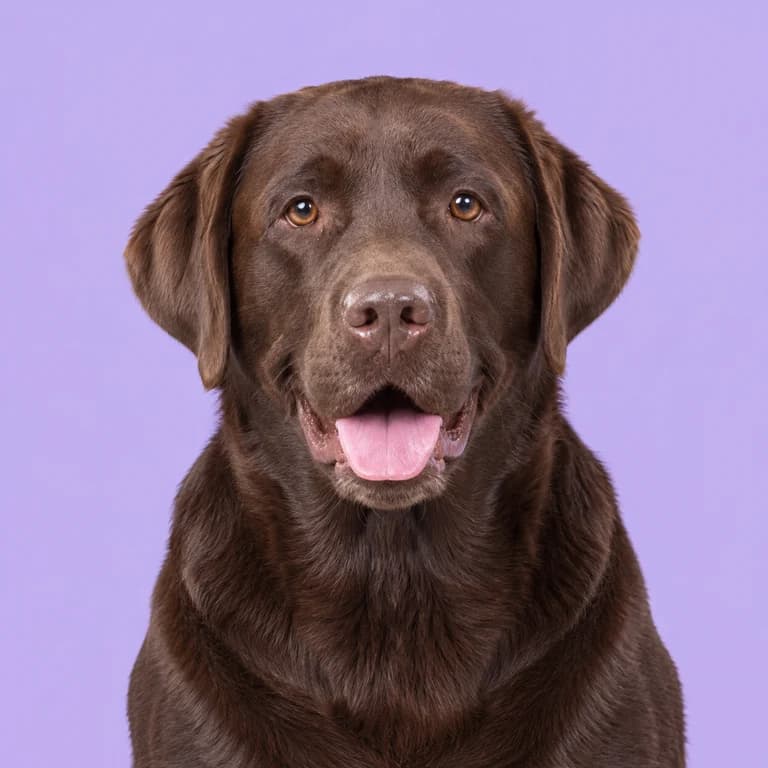
A small terrier nibbling for eight minutes next to a Labrador who finishes in forty seconds is a recipe for theft. Slow the fast dog with a slow feeder, snuffle mat or scattered kibble, and give the slow eater a protected spot where the other dog cannot see its bowl.
Some owners clip a lead on the fast eater once it has finished and ask for a settle on a mat until the other dog is done. Reward that calm waiting with a single piece of kibble held back from its own meal, which teaches that staying put pays better than raiding.
Signs of tension and when to separate
Food-related tension often starts quietly. Learn the early signals so you can act before a fight: a dog freezing over its bowl, eating faster as another dog approaches, a hard stare, a low growl, lifted lips or a stiff, still body.
If you see any of these, separate dogs completely at mealtimes from that day on. Never reach between two dogs who are tense over food, and never take a bowl away as punishment, which usually makes guarding worse. If a scuffle has already happened, or one dog now avoids the kitchen, contact a qualified behavior professional who uses reward-based methods.
Water, treats and weigh-ins in a multi-dog home
Water is rarely guarded, but a single bowl in a busy corridor can still be controlled by one confident dog. Provide at least one water bowl per dog, plus one extra, placed in different rooms, and refill them all daily.
Treats cause more friction than meals because they appear unpredictably. Give them with dogs sitting apart, one at a time by name, and use long-lasting chews only when dogs are separated. Weigh every dog monthly: in a group, a slow drift in one dog's weight is often the first clue that food is moving between bowls.
Checklist
- Give every dog its own bowl in the same spot each day
- Space bowls at least 2 to 3 m apart, or use separate rooms
- Serve in the same order and lift all bowls after 20 minutes
- Label foods and use a different scoop for each dog
- Provide one water bowl per dog plus one extra
- Weigh each dog once a month
Questions
Can two dogs share one water bowl?
Many do without trouble, but it is wise to provide at least one water bowl per dog plus an extra one, in different rooms. That way a confident dog cannot block access, and there is always water available if one bowl gets knocked over. Check all bowls daily, especially in hot weather or after exercise.
How do I stop my dog eating the other dog's food?
Feed the dogs apart, ideally in separate rooms or with a baby gate between them, and lift every bowl as soon as it is empty. Slowing the fast eater with a slow feeder helps too. Stay in the room during meals until the new routine is well established, and do not leave leftovers down for later.
My older dog growls when the puppy comes near its bowl. Is that normal?
Many adult dogs warn puppies away from their food, and a brief growl is communication rather than aggression. Still, it shows that meals need managing. Feed the puppy in a crate or pen so it cannot approach, which protects both dogs. If the adult dog snaps, lunges or the growling escalates, speak to a qualified behavior professional.