Terrier group · England, developed further in Australia
Jack Russell Terrier
Also called Jack Russell, JRT
A pocket-sized hunter with a huge work ethic that will train you if you do not train it first.
Jack Russells are bright, bold and tireless, built to follow foxes underground and still full of that instinct. They reward owners who give them structure and jobs, and they answer vague rules with digging, barking and selective hearing.
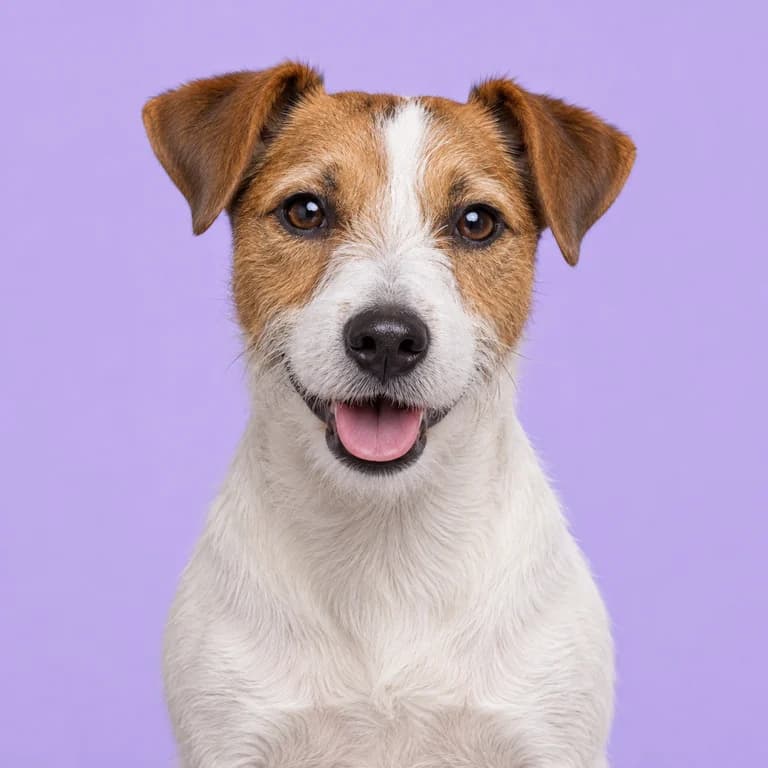
Original AI-generated breed illustration
Weight
5 to 7 kg
11 to 15 lb
Height
25 to 30 cm
at the shoulder
Life expectancy
13 to 16 yrs
Activity estimate
120 to 150 min
editorial daily planning range
Adult-size estimate
12 months
approximate model input
Life with a Jack Russell Terrier
In 1819 an Oxford student named John Russell, later a parson in Devon and a devoted fox hunter, bought a small white terrier called Trump from a local milkman. He bred from her for decades, aiming for a dog with enough leg to keep up with horses and hounds and small enough to bolt a fox from its earth without killing it. The Jack Russell descends from that working ideal, and later breeders in Britain and Australia shaped it into the standardized dog seen in show rings today.
Kennel club naming is confusing. The FCI recognizes the Jack Russell Terrier as a slightly longer-than-tall dog of 25 to 30 cm (10 to 12 in), while the taller, square-built Parson Russell is a separate breed. In the United States, the AKC registers the Russell Terrier and the Parson but nothing officially called a Jack Russell. Temperament across all three is broadly the same: fearless, busy and single-minded.
Life with one is never dull. Jack Russells notice everything, hold firm opinions and want to be involved in whatever you are doing. They are loving with their people and often great fun with children who like to throw balls, but they do not tolerate rough handling and may snap if cornered or grabbed.
What stands out
Training
Jack Russells learn quickly; the challenge is that they also decide quickly whether a task is worth doing. High-value food, games of tug and fast sessions of 5 minutes or less keep them engaged. Make training feel like hunting: hide a toy and send the dog to find it, reward a fast recall with a chase game, and turn loose-lead walking into a chance to sniff.
Read the full training guideEasy to train
Open with strangers
Good with other dogs
A great match for
- active adults who enjoy daily training
- homes with a secure, dig-proof garden
- owners interested in agility, flyball or earthdog trials
- families with older children who like to play
Think twice if
- intense prey drive toward cats, rodents and small pets
- digging, barking and escaping when bored
- can be scrappy with dogs of the same sex
- recall disappears once a scent is found
Personality and needs at a glance
Living together
Good with children
Good with other dogs
Open with strangers
Apartment friendly
Copes with alone time
Energy and character
Energy level
Playfulness
Easy to train
Barking
5 means very vocal
Care and climate
Grooming needs
Shedding
Drooling
Handles cold
Handles heat
How much a Jack Russell Terrier eats
Illustrative calculations for neutered adults at midpoint breed weights, with food at 370 kcal per 100 g and 100 g per cup. These are not measured breed requirements. Use actual weight, the food label and veterinary body-condition advice.
| Dog | Weight | Calories | Dry food |
|---|---|---|---|
| Female, relaxed lifestyle | 6 kg | 350 kcal | 95 g (1 cups) |
| Female, typical pet | 6 kg | 400 kcal | 110 g (1 cups) |
| Male, typical pet | 7 kg | 460 kcal | 125 g (1.3 cups) |
| Male, very active | 7 kg | 570 kcal | 155 g (1.5 cups) |
Care guides for the Jack Russell Terrier
Things owners are often surprised by
- 1The line traces to Trump, a terrier bitch a young John Russell bought from an Oxford milkman in 1819
- 2Mostly white coats let hunters tell the dog apart from the fox
- 3A working terrier must be spannable: two hands should fit around the chest behind the elbows
- 4Kennel clubs now divide the type into the Jack Russell, the Parson Russell and the Russell Terrier
- 5Many can clear a 1.2 m (4 ft) garden fence from a standing start
Jack Russell Terrier questions
What is the difference between a Jack Russell and a Parson Russell Terrier?
Both descend from the Reverend John Russell's fox terriers. The Parson Russell is taller, about 33 to 36 cm (13 to 14 in), and square in outline, suited to running with horses. The Jack Russell under FCI rules is 25 to 30 cm (10 to 12 in) and a little longer than tall. Temperament and care needs are very similar.
Why does my Jack Russell dig so much?
Digging is exactly what the breed was selected for: following foxes and badgers underground. Many Jack Russells dig at mole runs, soft flower beds or even sofa cushions. Rather than trying to stop it completely, give your dog a sandpit or a permitted digging corner, bury toys there, and reward digging in that spot. Supervise garden time until the habit shifts.
Are Jack Russells good with cats?
Some live peacefully with a cat they grew up with, but many never lose the urge to chase. The breed was developed to hunt small animals, and that drive runs deep. Introduce any cat slowly behind a baby gate, keep early meetings short and rewarded, and never leave a Jack Russell alone with rabbits, hamsters or guinea pigs.
Is a Jack Russell a good first dog?
It can be, for a first-time owner who genuinely wants a training hobby and an active routine. It is a poor match for someone hoping for a quiet lap dog. Consider an adult rescue whose personality is already known, join a puppy class, and expect at least 18 months of consistent effort before the dog feels easy to live with.
What does spannable mean for a Jack Russell?
A working terrier needs a chest narrow and flexible enough to follow a fox underground. Breeders check this by spanning: placing both hands around the chest just behind the front legs. An average adult's thumbs and fingers should meet or nearly meet. It is a quick field test of correct build, and a heavy, barrel-chested dog would fail it.
Popular answers for owners
- Grooming and coatHow do I care for a Golden Retriever's feathering?
- How much to feedIs it better to measure dog food in grams or cups?
- How much to feedHow much should I feed a 28kg dog?
- Puppy feeding and growthAre training treats bad for a puppy's diet?
- Grooming and coatHow do I stop my dog's fur from getting sun bleached?
- Exercise and playHow long should a dog rest after intense play?
Breeds you might compare
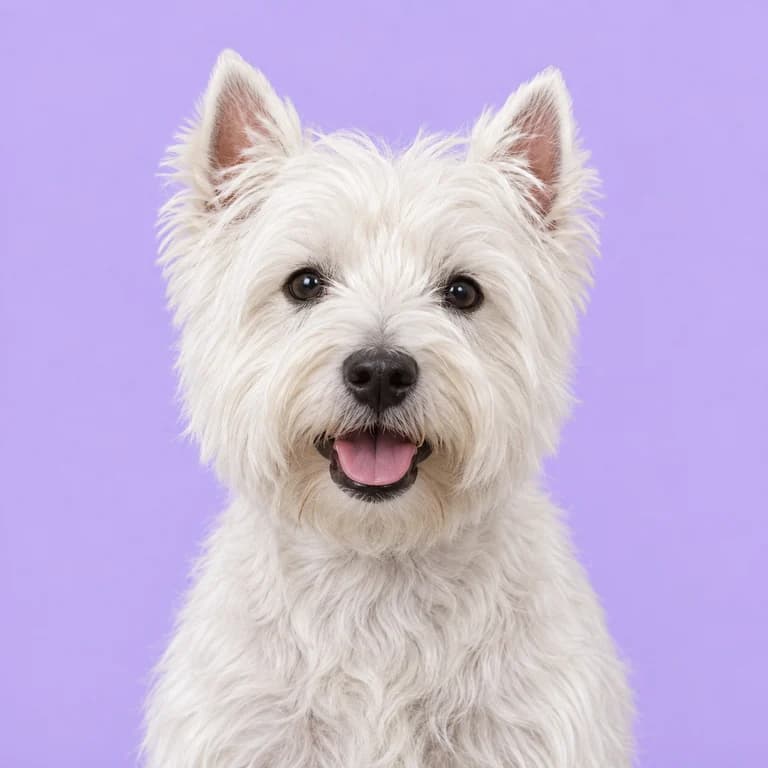
Terrier group
West Highland White Terrier
6 to 10 kg · 12 to 15 years
A bright white coat built for Highland weather, and a terrier's certainty that it is twice its actual size.
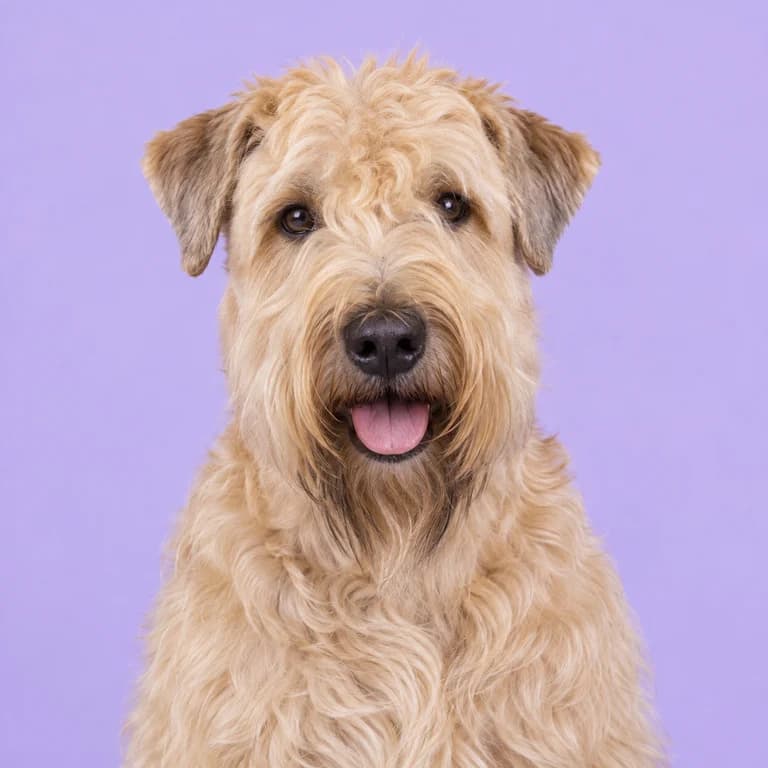
Terrier group
Soft Coated Wheaten Terrier
14 to 18 kg · 12 to 14 years
Silky, bouncy and relentlessly cheerful, the Wheaten asks for more brushing than almost any terrier.
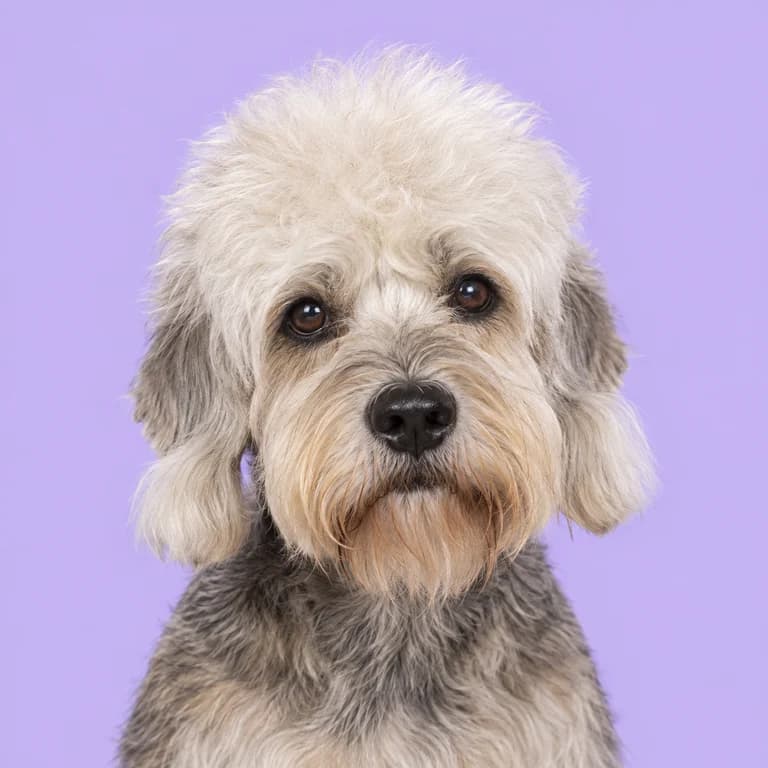
Terrier group
Dandie Dinmont Terrier
8 to 11 kg · 12 to 15 years
A long, low Border terrier with a soft topknot, a dignified stare and a coat that shows off good grooming.
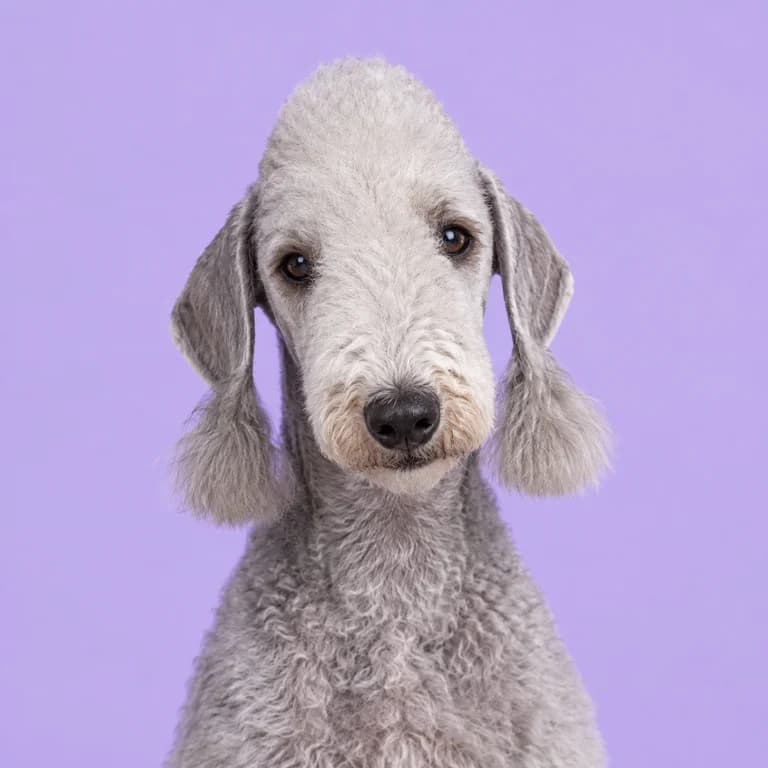
Terrier group
Bedlington Terrier
8 to 10 kg · 12 to 16 years
A terrier that looks like a lamb, runs like a whippet and needs a scissor-shaped trim every few weeks.
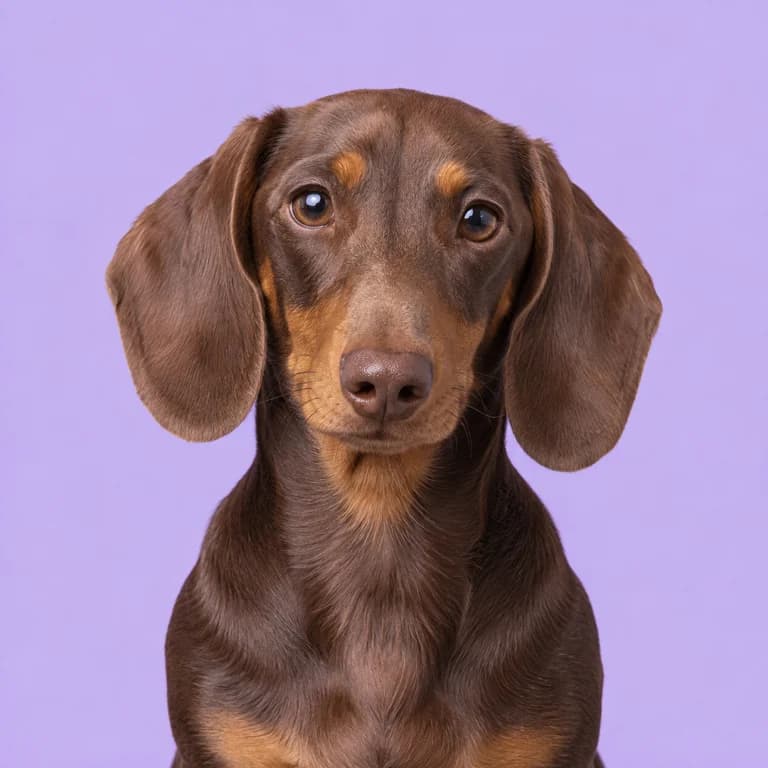
Hound group
Dachshund
7 to 13 kg · 12 to 16 years
A badger hunter shrunk to lap size, with a long spine that shapes almost every care decision you make.
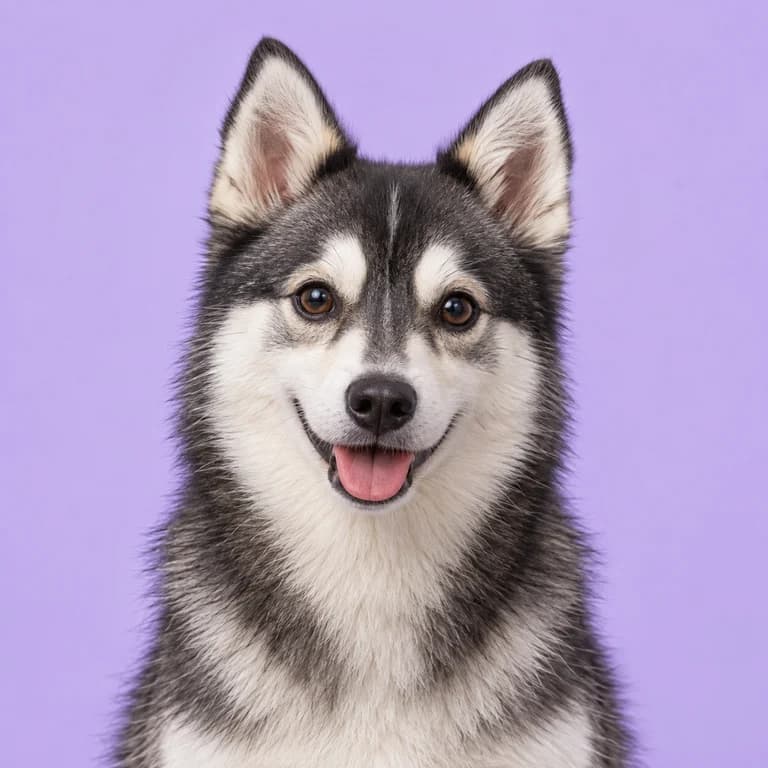
Working group
Alaskan Klee Kai
4 to 10 kg · 13 to 16 years
All the husky looks at a fraction of the size, with a far more cautious personality than most people expect.