Crossbreed · Australia
Cavapoo
Also called Cavoodle, Cavadoodle
Cavalier softness meets Poodle brains in a people-focused cross sized for almost any home.
A cross between the Cavalier King Charles Spaniel and a Toy or Miniature Poodle, the Cavapoo was bred with one aim: a friendly, portable companion. Size and coat vary from dog to dog, but most are affectionate, playful and happiest when they are with their people. They need frequent grooming and do not cope well with long hours alone.
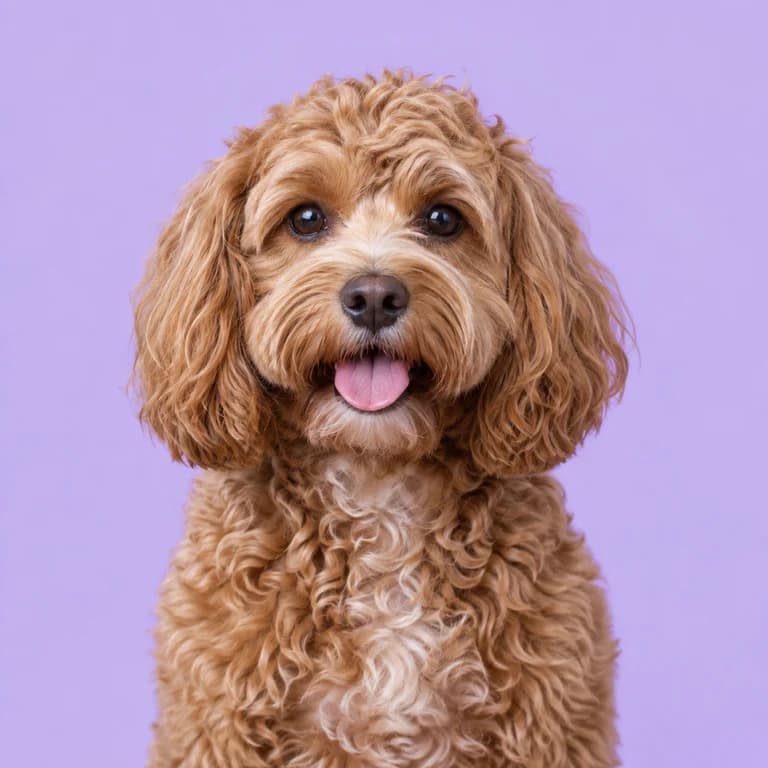
Original AI-generated breed illustration
Weight
5 to 11 kg
11 to 24 lb
Height
23 to 36 cm
at the shoulder
Life expectancy
12 to 15 yrs
Activity estimate
60 to 90 min
editorial daily planning range
Adult-size estimate
12 months
approximate model input
Life with a Cavapoo
The Cavapoo has no centuries of history behind it, just a clear purpose: a small, affectionate companion with a coat that sheds less than a Cavalier's. Australian breeders, who call it the Cavoodle, are often credited with developing the cross in the 1990s, and it soon spread to Britain, Europe and North America.
Being a cross, the Cavapoo varies more than a pedigree breed does. Pair a Cavalier with a Toy Poodle and you usually get a dog of 5 to 7 kg; a Miniature Poodle parent tends to produce 7 to 11 kg. Coats range from Cavalier-like waves to tight Poodle curls. Later generations (F1b, F2 and beyond) are bred to make the look more predictable, though a fair amount of variation remains.
Temperament is the most consistent part of the package and the main reason for the cross's popularity. Most Cavapoos are gentle, friendly with everyone and keen to be involved in family life, blending the Cavalier's wish to please with the Poodle's quick mind and sense of fun. They make poor guard dogs and strongly dislike being left alone for long.
What stands out
Training
Quick to learn and eager to please, Cavapoos are a good match for first-time owners. Positive reinforcement with food and play works best, and short, varied sessions keep them focused. Many love learning tricks and show them off to anyone who visits.
Read the full training guideEasy to train
Open with strangers
Good with other dogs
A great match for
- families with children
- first-time owners
- apartments and smaller homes
- owners who are home much of the day
- people wanting a friendly, sociable dog
Think twice if
- size and coat vary widely between puppies
- coat needs professional grooming every 6 to 8 weeks
- struggles with separation
- can inherit heart and eye problems from both parents
- some puppies come from poorly screened breeding
Personality and needs at a glance
Living together
Good with children
Good with other dogs
Open with strangers
Apartment friendly
Copes with alone time
Energy and character
Energy level
Playfulness
Easy to train
Barking
5 means very vocal
Care and climate
Grooming needs
Shedding
Drooling
Handles cold
Handles heat
How much a Cavapoo eats
Illustrative calculations for neutered adults at midpoint breed weights, with food at 370 kcal per 100 g and 100 g per cup. These are not measured breed requirements. Use actual weight, the food label and veterinary body-condition advice.
| Dog | Weight | Calories | Dry food |
|---|---|---|---|
| Female, relaxed lifestyle | 8 kg | 440 kcal | 120 g (1.3 cups) |
| Female, typical pet | 8 kg | 510 kcal | 135 g (1.3 cups) |
| Male, typical pet | 8 kg | 530 kcal | 145 g (1.5 cups) |
| Male, very active | 8 kg | 670 kcal | 180 g (1.8 cups) |
Care guides for the Cavapoo
Things owners are often surprised by
- 1Known as the Cavoodle in Australia, where breeders are often credited with developing the cross in the 1990s
- 2Size depends mostly on the Poodle parent: Toy crosses usually weigh 5 to 7 kg, Miniature crosses 7 to 11 kg
- 3Coats run from loose waves to tight curls, and even curly coats shed a little
- 4F1 puppies have one Cavalier and one Poodle parent; F1b puppies are crossed back to a Poodle for a curlier coat
- 5Not recognized as a breed by major kennel clubs
- 6Health depends on screening both parent breeds, including cardiologist heart checks on the Cavalier side
Cavapoo questions
Are Cavapoos hypoallergenic?
No dog is entirely allergen-free, and Cavapoos vary a lot. Those with tighter, Poodle-like curls tend to shed less, which can help some people with mild allergies, but allergens also come from saliva and skin. Wavy-coated Cavapoos may shed more. Spend time with adult dogs from the breeder's lines before committing to a puppy.
What is the difference between an F1 and an F1b Cavapoo?
An F1 Cavapoo has one Cavalier parent and one Poodle parent. An F1b comes from an F1 Cavapoo bred back to a Poodle, making it roughly 75 percent Poodle, which usually means a curlier, lower-shedding coat. F2 dogs come from two F1 Cavapoos and can vary more in coat type and size within one litter.
How big will my Cavapoo get?
Look at the parents first. A Toy Poodle parent usually means an adult of about 5 to 7 kg and 25 to 30 cm tall, while a Miniature Poodle parent tends to produce 7 to 11 kg and up to about 36 cm. Most Cavapoos reach adult height by around 10 months and final weight by about 12 months.
What is the difference between a Cavapoo and a Cockapoo?
A Cavapoo is a Cavalier King Charles Spaniel crossed with a Poodle, while a Cockapoo is a Cocker Spaniel crossed with a Poodle. Cavapoos are usually smaller and calmer, with a strong focus on companionship. Cockapoos, especially those with working Cocker parents, often have more energy and drive and need more exercise.
Can a Cavapoo be left alone during the day?
Not for long. Cavapoos are strongly people-focused, and many struggle with more than three or four hours alone. With gradual training, a dog walker or daycare, working owners can make it work, but a full working day alone is often too much. Barking, howling, chewing and accidents indoors are common signs of distress.
Popular answers for owners
- Exercise and playWhat is exercise intolerance in dogs?
- Grooming and coatWhy is my puppy's coat changing color?
- Puppy feeding and growthWhen should I cut my puppy from 3 meals to 2?
- Grooming and coatDo smooth and long coated Chihuahuas need different grooming?
- How much to feedHow should I adjust food if my dog is on restricted activity after an injury?
- How much to feedHow much should I feed a 60kg dog?
Breeds you might compare
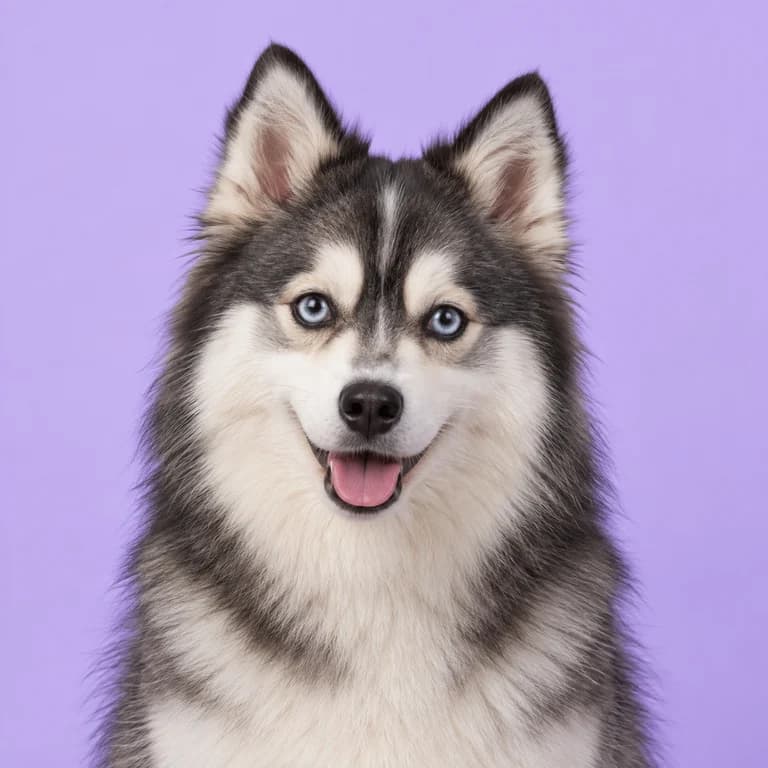
Crossbreed
Pomsky
7 to 14 kg · 12 to 15 years
A Husky look in a smaller package, with size and personality that vary more than many buyers expect.
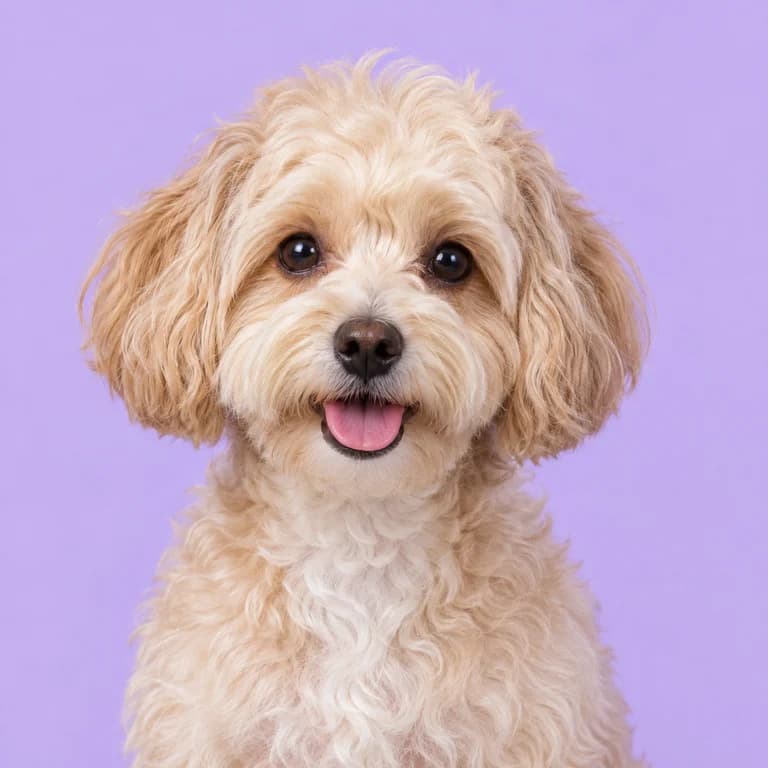
Crossbreed
Maltipoo
3 to 7 kg · 12 to 15 years
A cuddly Maltese and Poodle cross with a big personality, bred as a close companion rather than a worker.
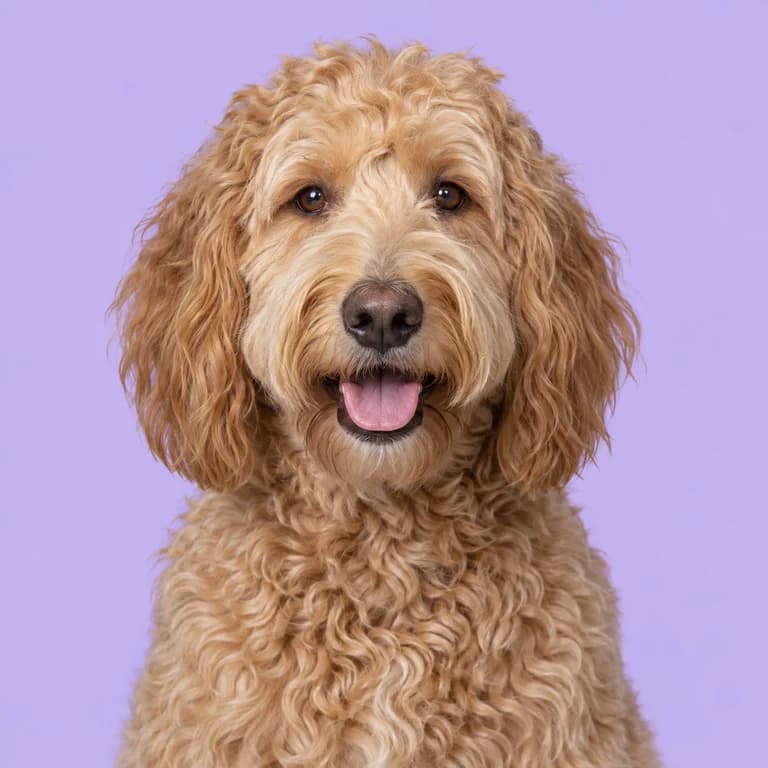
Crossbreed
Goldendoodle
23 to 36 kg · 10 to 15 years
A sociable Golden Retriever and Poodle cross whose coat type decides how much of your week goes to brushing.
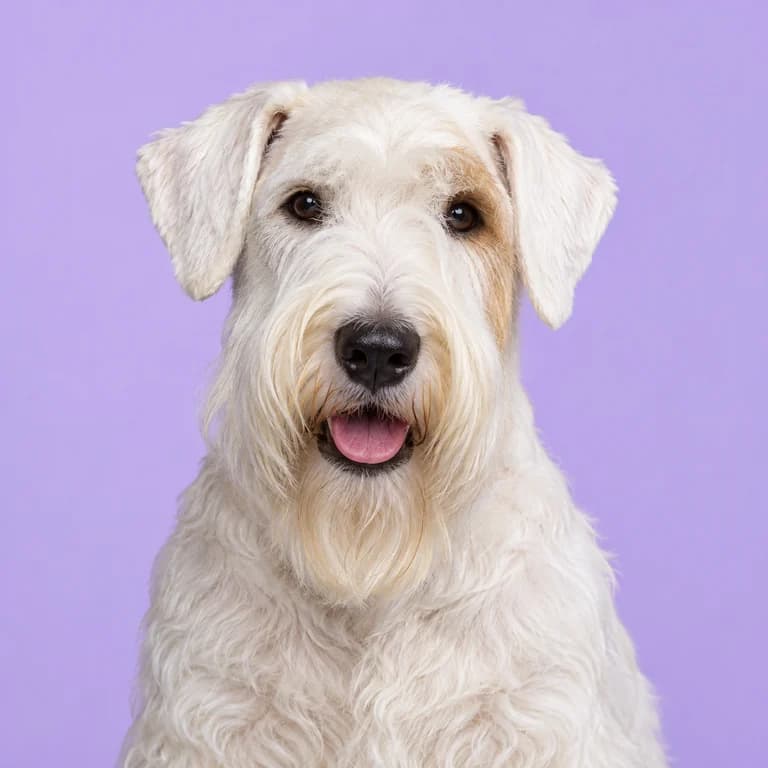
Terrier group
Sealyham Terrier
8 to 11 kg · 12 to 14 years
A sturdy Welsh badger terrier created on one Pembrokeshire estate, now rare, charming and quietly comic.
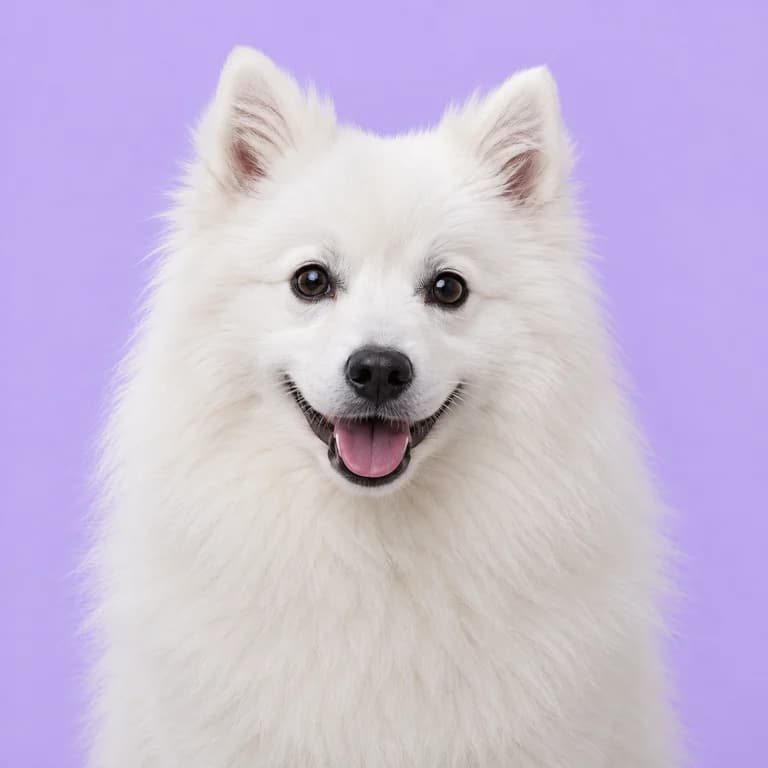
Non-sporting group
Japanese Spitz
5 to 10 kg · 12 to 16 years
A snow-white spitz with a cheerful, people-centered nature and a coat that sheds dirt better than you would expect.
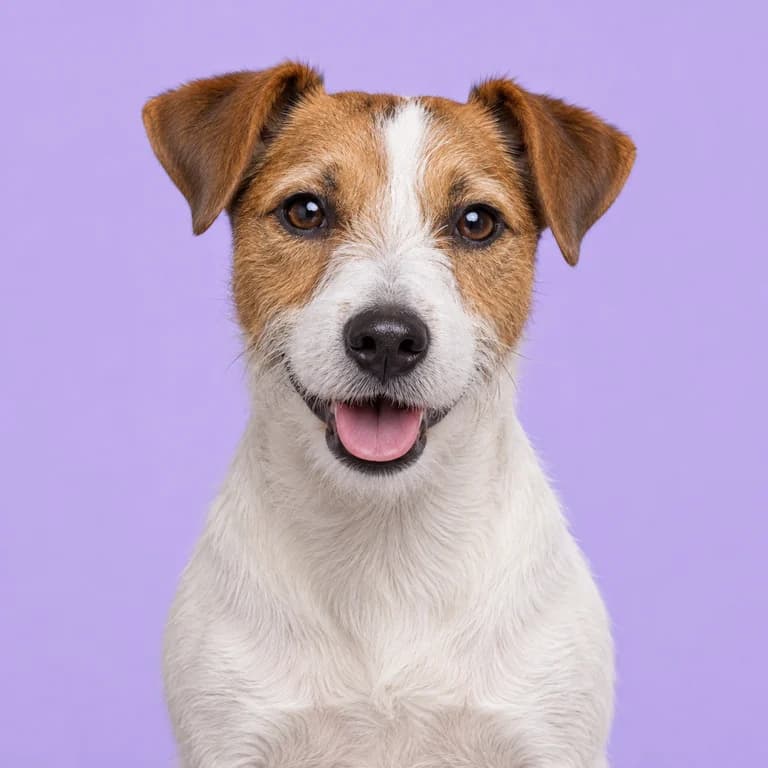
Terrier group
Jack Russell Terrier
5 to 7 kg · 13 to 16 years
A pocket-sized hunter with a huge work ethic that will train you if you do not train it first.