Sources for this article
Herding group · Scotland and England (Anglo-Scottish border)
Border Collie
Also called Collie, Working Collie
Possibly the most gifted working mind in dogs, and it needs a job every single day.
Border Collies were shaped on hill farms along the English and Scottish border to gather sheep across huge distances with very little direction. They are brilliant, sensitive and tireless, and in the wrong home that brilliance turns into obsession, anxiety or destruction.
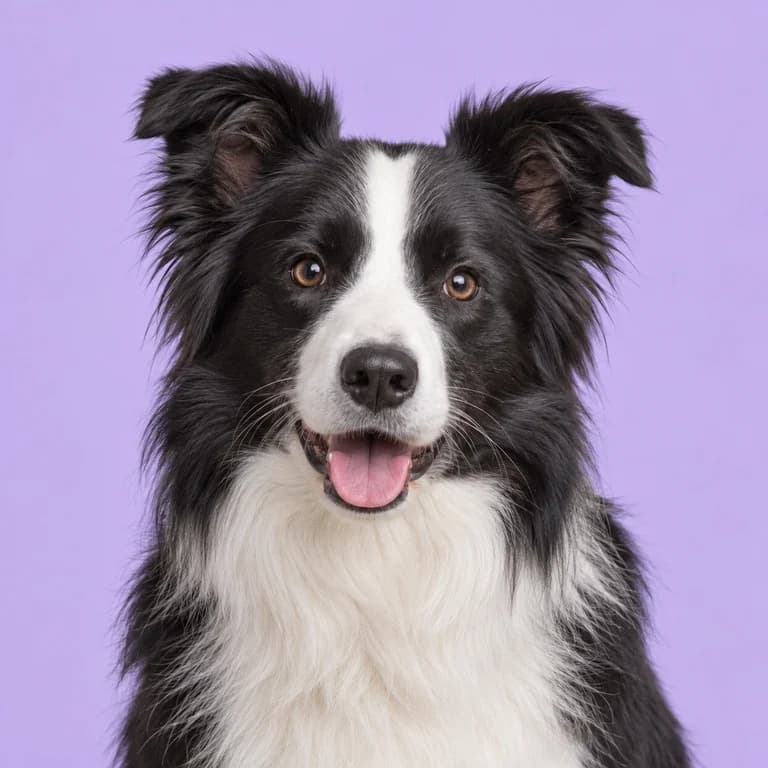
Original AI-generated breed illustration
Weight
12 to 20 kg
26 to 44 lb
Height
46 to 56 cm
at the shoulder
Life expectancy
12 to 15 yrs
Activity estimate
120 to 150 min
editorial daily planning range
Adult-size estimate
15 months
approximate model input
Life with a Border Collie
Hill shepherds in Northumberland and the Scottish Borders did not care how their dogs looked. They cared whether a dog could run a mile uphill, find ewes hidden in bracken, and bring them down quietly without scattering them. Over generations that single test produced the Border Collie, a dog selected almost entirely for working intelligence.
A tricolor dog called Old Hemp, bred by Adam Telfer in 1893, is often credited as the foundation sire; his calm, powerful style was widely copied, and huge numbers of pedigrees lead back to him. The International Sheep Dog Society began registering dogs in 1906 and still values trial performance above appearance. Show recognition came much later, and there remain visible differences between working-bred and show-bred lines, with working lines usually leaner and more intense.
In a house, this is a dog that notices everything. It learns the sound of your car, the meaning of you picking up keys, and the exact moment a ball is likely to be thrown. Many are soft and sensitive with their own people and a little reserved with strangers. Harsh handling or chaotic homes can make them anxious and jumpy.
The honest truth is that a Border Collie is a wonderful dog for a minority of homes. If you like training, want a partner for a dog sport, and can give real mental work every day, few breeds are more rewarding. If you want a calm pet for a busy family with little spare time, this is usually the wrong choice, however lovely the puppy looks.
What stands out
Training
A Border Collie can pick up a new cue in a handful of repetitions, which cuts both ways: it learns unwanted patterns just as quickly. Short sessions with a clear marker (a clicker or a single word like 'yes') and fast rewards suit their quick minds. For many, a game of tug is a more powerful reward than food.
Read the full training guideEasy to train
Open with strangers
Good with other dogs
A great match for
- experienced owners with time for daily training
- people who do agility, obedience, herding or canicross
- rural or very active households
- adults who want a true working partner
Think twice if
- herding and chasing cars, bikes and joggers
- sound sensitivity and obsessive habits when under-occupied
- struggles to settle in a home with little structure
- may circle or nip small children
- copes poorly with long hours alone
Personality and needs at a glance
Living together
Good with children
Good with other dogs
Open with strangers
Apartment friendly
Copes with alone time
Energy and character
Energy level
Playfulness
Easy to train
Barking
5 means very vocal
Care and climate
Grooming needs
Shedding
Drooling
Handles cold
Handles heat
How much a Border Collie eats
Illustrative calculations for neutered adults at midpoint breed weights, with food at 370 kcal per 100 g and 100 g per cup. These are not measured breed requirements. Use actual weight, the food label and veterinary body-condition advice.
| Dog | Weight | Calories | Dry food |
|---|---|---|---|
| Female, relaxed lifestyle | 16 kg | 770 kcal | 205 g (2 cups) |
| Female, typical pet | 16 kg | 870 kcal | 235 g (2.3 cups) |
| Male, typical pet | 17 kg | 940 kcal | 255 g (2.5 cups) |
| Male, very active | 17 kg | 1170 kcal | 315 g (3.3 cups) |
Care guides for the Border Collie
Things owners are often surprised by
- 1Most modern lines trace back to Old Hemp, a dog born in Northumberland in 1893
- 2The International Sheep Dog Society, founded in 1906, still registers working dogs on herding ability rather than looks
- 3A Border Collie named Chaser learned the names of more than 1,000 objects in research led by psychologist John Pilley
- 4The crouched, fixed stare used to move sheep is known as 'eye'
- 5Comes in two coat types, rough and smooth
- 6DNA tests exist for collie eye anomaly, trapped neutrophil syndrome and neuronal ceroid lipofuscinosis
Border Collie questions
Are Border Collies the smartest dog breed?
They consistently top rankings of working and obedience intelligence, including the well-known list compiled by psychologist Stanley Coren. In practical terms, that means they learn quickly and solve problems, not that they are easier to own. A clever dog that is bored will learn to open doors, raid bins and train you to throw the ball on demand, so intelligence adds to the owner's workload.
Can a Border Collie live in a city?
It can, but only with a committed owner. City collies often struggle with traffic, crowds and constant movement that sets off their herding instincts. Those that thrive usually have owners who drive to open space every day, take part in a sport such as agility, and train calm behavior around bikes and buses. A small flat with long workdays and short walks is a poor match.
Why does my Border Collie stare at other dogs?
That fixed stare, often with a lowered head and a crouch, is the 'eye' used to control sheep. Other dogs can read it as a challenge, which may start arguments at the park. Interrupt the stare early by calling your dog away and rewarding it for looking at you, and give it plenty of space from dogs that react badly to being watched.
What is the difference between working and show Border Collies?
Working lines are bred for herding and tend to be lighter, more intense and more driven, with more variety in coat and ear carriage. Show lines are bred to a written standard and are often more heavily coated and uniform in appearance, sometimes with a calmer temperament. Both need plenty of mental exercise, but a working-line puppy usually needs even more.
Do Border Collies bark a lot?
Most are not constant barkers, but many bark at movement, during play, or when frustrated. Some become very vocal at agility or while watching another dog work. Excess barking is usually a sign of arousal or boredom. Build daily quiet time into the routine, reward calm behavior, and avoid games that wind the dog up with no clear end point.
Popular answers for owners
- Puppy feeding and growthHow do I transition my puppy from 3 meals to 2 meals?
- Bowls and feeding gearAre slow feeder bowls safe for flat faced dogs?
- Puppy feeding and growthHow much should a mixed breed puppy eat if I do not know its adult size?
- Grooming and coatHow do I get burrs and grass seeds out of my dog's fur?
- Grooming and coatIs hair loss on the tail normal in dogs?
- Bowls and feeding gearCan a dirty bowl make my dog sick?
Breeds you might compare
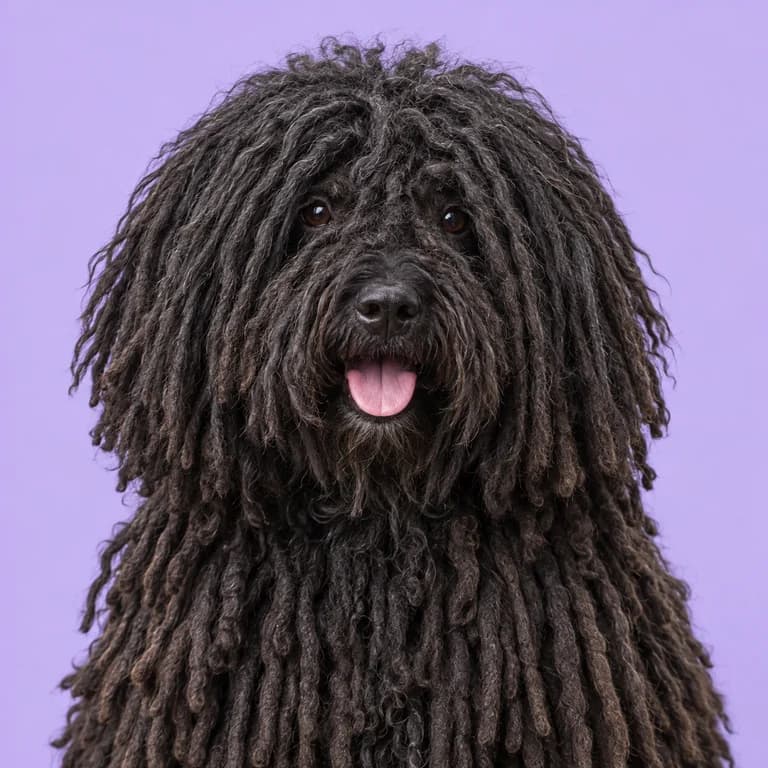
Herding group
Puli
10 to 15 kg · 12 to 16 years
A Hungarian sheepdog wearing its own dreadlocks, quick on its feet and quicker still to notice anything unusual.
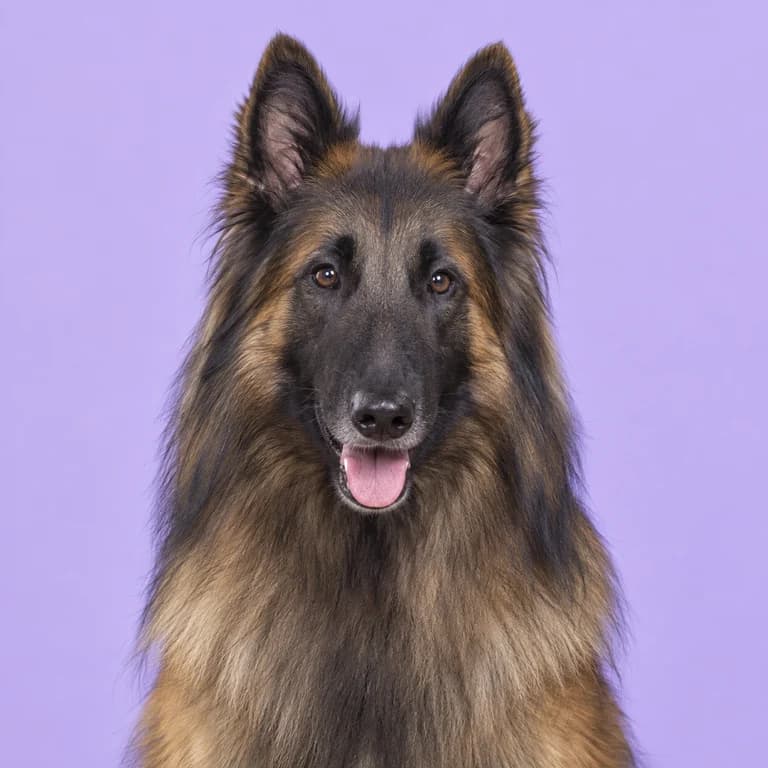
Herding group
Belgian Tervuren
20 to 30 kg · 12 to 14 years
A long-coated Belgian herder with a sprinter's reflexes and a working mind that wants a daily assignment.
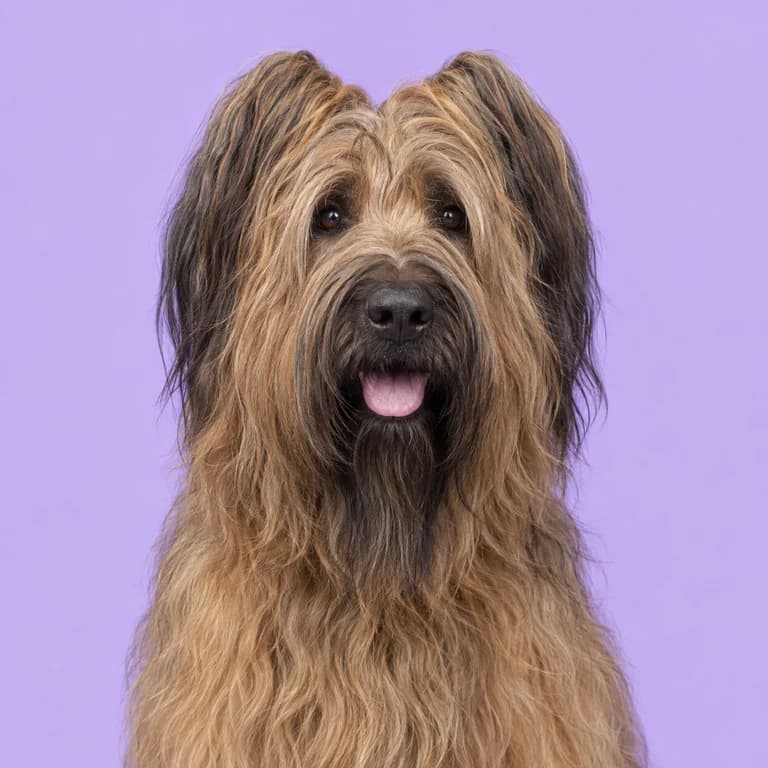
Herding group
Briard
25 to 45 kg · 10 to 12 years
A shaggy French sheepdog that guarded the flock by night and now guards its family instead.
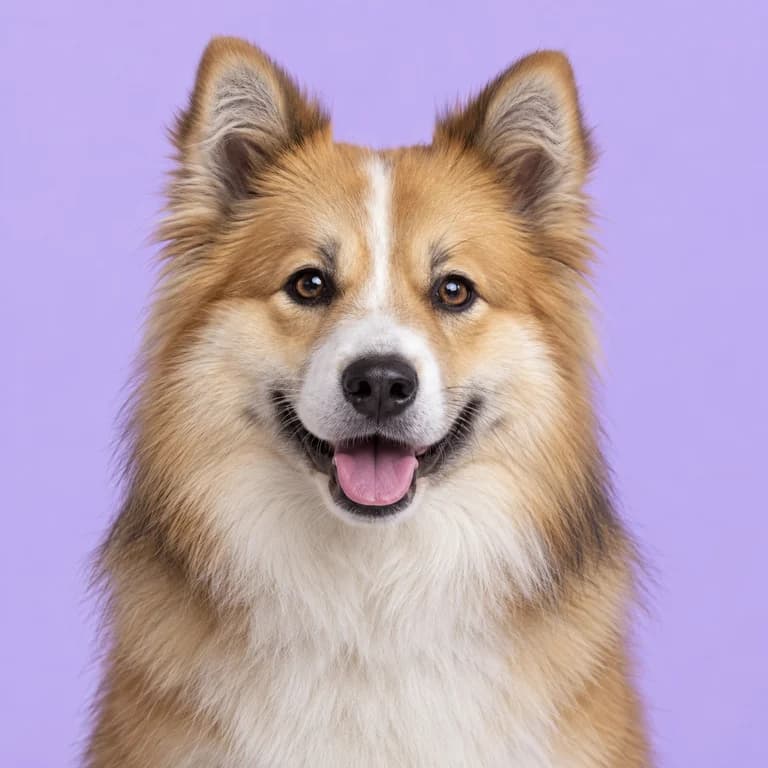
Herding group
Icelandic Sheepdog
9 to 14 kg · 12 to 14 years
The only dog native to Iceland, brought by Viking settlers and still herding with its voice more than its eyes.
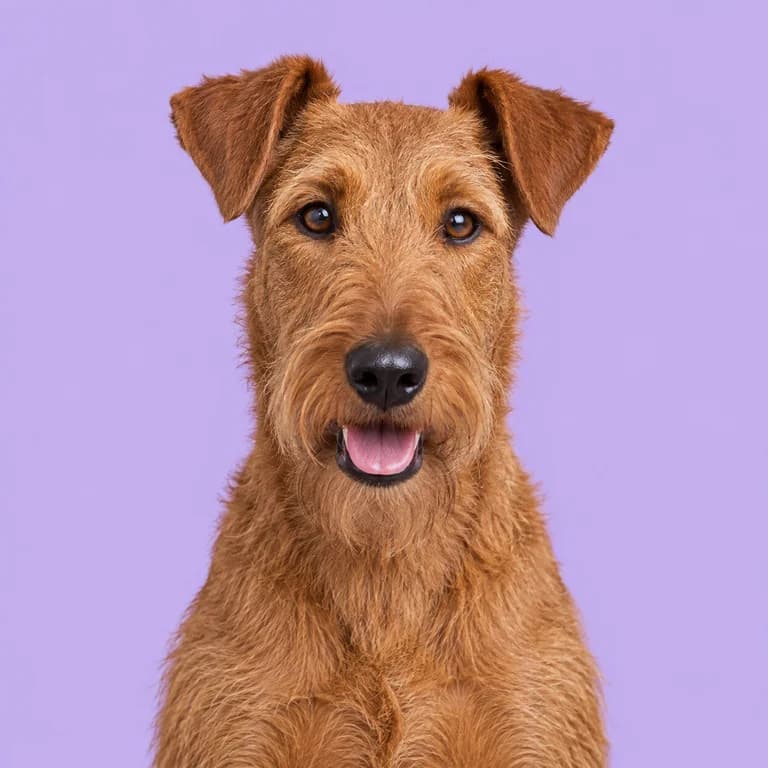
Terrier group
Irish Terrier
10 to 13 kg · 13 to 15 years
The fiery red daredevil of the terrier world, loyal and funny with family and famously brave.
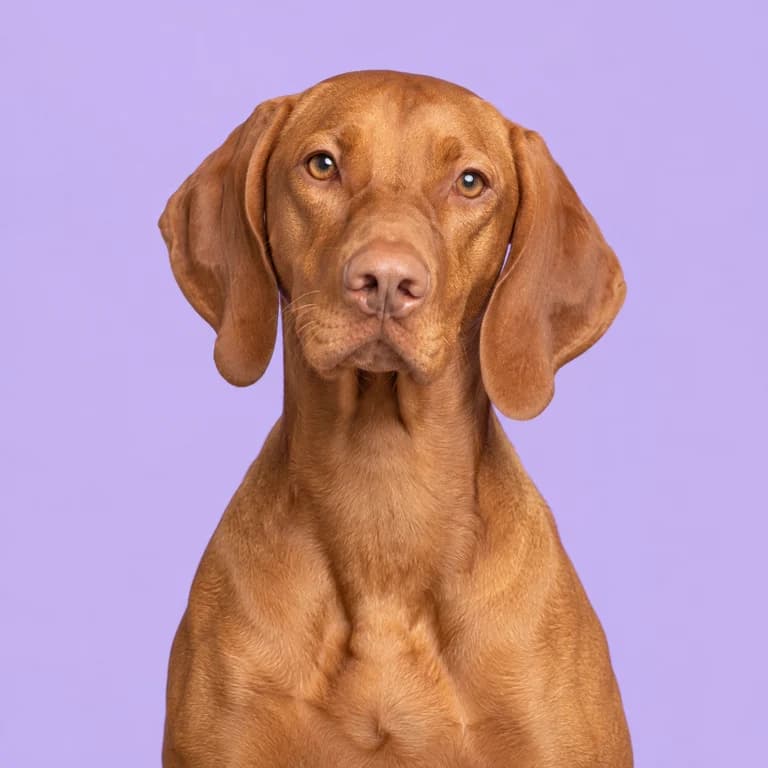
Sporting group
Vizsla
18 to 29 kg · 12 to 14 years
Hungary's golden-rust pointer: a lean athlete that wants miles of running, then a lap to finish on.