Sources for this article
Sporting group · Newfoundland (Canada), refined in Britain
Labrador Retriever
Also called Labrador, Lab
Bred to haul nets in icy Atlantic water, now the family dog that never stops thinking about lunch.
The Labrador is friendly almost to a fault: it greets strangers like old friends and forgives most beginner mistakes. Underneath that easy nature sits a working retriever with real stamina and an appetite that needs managing from puppyhood.
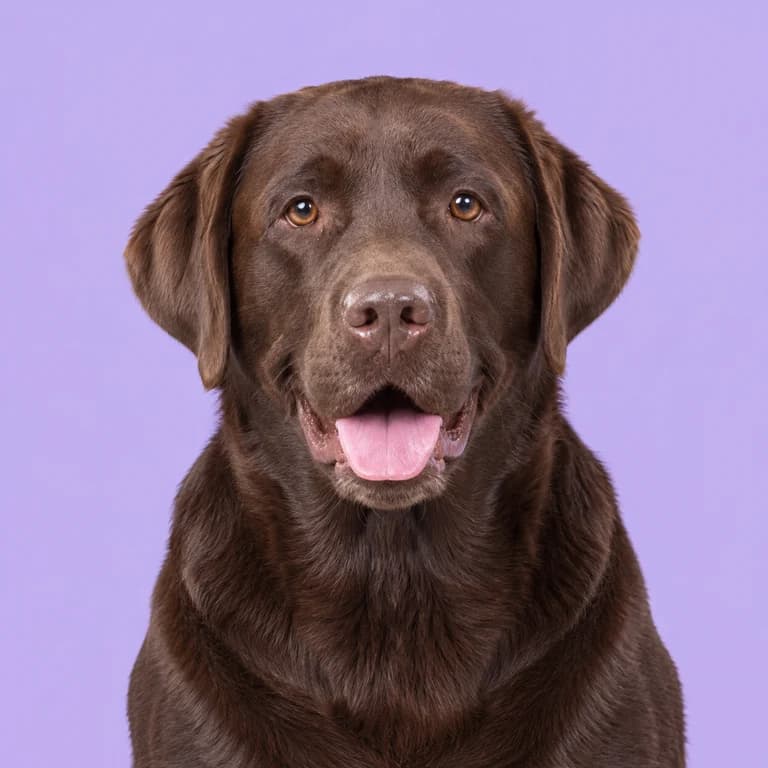
Original AI-generated breed illustration
Weight
25 to 36 kg
55 to 79 lb
Height
55 to 62 cm
at the shoulder
Life expectancy
11 to 13 yrs
Activity estimate
90 to 120 min
editorial daily planning range
Adult-size estimate
18 months
approximate model input
Life with a Labrador Retriever
Labradors did not start in Labrador. Their ancestors worked on the island of Newfoundland in the 1700s and 1800s, where fishermen kept a sturdy black water dog to grab cod that slipped off the hooks and to help drag nets toward shore. British aristocrats who traded with the island brought some of these dogs home, and shooting estates such as those of the Earls of Malmesbury and the Dukes of Buccleuch refined them into the retriever we know today.
What that history left behind is a dog that likes a job and likes people even more. Most Labs meet visitors with a wagging rear end and something in their mouth, often a shoe they were not supposed to have. As guard dogs they are hopeless: a typical Lab barks once at the doorbell, then offers the stranger a toy.
Daily life with one involves a lot of cheerful noise in the first two years. Labs mature slowly and often keep the clumsy, bouncy manner of a teenager until about age 3. After that, most settle into a steady companion who is happy with a long walk in the morning and a nap by your feet for the rest of the afternoon.
The two main lines differ more than many buyers expect. Field-bred Labs tend to be lighter, taller and more driven, quick to switch on at the sight of a ball. Show-bred dogs are usually broader in the head, heavier in bone and calmer indoors. Both make excellent pets; the right choice depends on how much activity your household can realistically offer.
What stands out
Training
Food, praise and the chance to carry something: those three motivators make the Labrador one of the easiest breeds to train. Short sessions of 5 to 10 minutes, using small pieces of the daily food allowance, work well. Many Labs learn a retrieve almost without teaching, and the breed fills a large share of guide dog, assistance and detection roles worldwide.
Read the full training guideEasy to train
Open with strangers
Good with other dogs
A great match for
- active families with children of any age
- first-time owners willing to train consistently
- people who enjoy swimming, hiking or fetch games
- homes with other friendly dogs
Think twice if
- gains weight quickly on generous or free-fed portions
- sheds steadily, with heavier spells in spring and autumn
- chews and mouths objects well past puppyhood
- struggles with long hours alone
- a poor guard dog, if that matters to you
Personality and needs at a glance
Living together
Good with children
Good with other dogs
Open with strangers
Apartment friendly
Copes with alone time
Energy and character
Energy level
Playfulness
Easy to train
Barking
5 means very vocal
Care and climate
Grooming needs
Shedding
Drooling
Handles cold
Handles heat
How much a Labrador Retriever eats
Illustrative calculations for neutered adults at midpoint breed weights, with food at 370 kcal per 100 g and 100 g per cup. These are not measured breed requirements. Use actual weight, the food label and veterinary body-condition advice.
| Dog | Weight | Calories | Dry food |
|---|---|---|---|
| Female, relaxed lifestyle | 29 kg | 1210 kcal | 325 g (3.3 cups) |
| Female, typical pet | 29 kg | 1380 kcal | 375 g (3.8 cups) |
| Male, typical pet | 33 kg | 1520 kcal | 410 g (4 cups) |
| Male, very active | 33 kg | 1910 kcal | 515 g (5.3 cups) |
Care guides for the Labrador Retriever
Things owners are often surprised by
- 1Early ancestors, the St. John's water dogs, helped Newfoundland fishermen pull in lines and nets
- 2The thick, tapering otter tail works as a rudder when swimming
- 3Roughly 1 in 4 Labradors carries a POMC gene variant linked to stronger food motivation
- 4Yellow covers everything from pale cream to deep fox red
- 5Two broad types exist: heavier show lines and leaner, faster field lines
- 6The Kennel Club in England recognized the breed in 1903
Labrador Retriever questions
Are fox red Labradors a separate breed?
No. Fox red is simply a deep shade of yellow, and kennel clubs register these dogs as yellow Labradors. The color comes from the same genetics that produce pale cream dogs, only with richer pigment. It has become popular again over the last 20 years, largely through working lines, but temperament and health testing should drive your choice far more than shade.
Why is my Labrador always hungry?
Part of it is breeding and part may be genetics. Many Labradors carry a POMC gene variant that dampens the feeling of fullness, so they keep hunting for food after a proper meal. Weigh portions, use slow feeders and puzzle toys, and resist the pleading eyes. If constant hunger comes with weight loss, heavy drinking or other changes, ask a vet to check your dog.
What is the difference between English and American Labradors?
These are informal names for show lines and field lines, not separate breeds or official types. So-called English Labs are usually show-bred, stockier and calmer, with a broad head and thick tail. American Labs tend to be field-bred, taller, leaner and more intense. Plenty of dogs fall between the two descriptions, so meet the parents rather than relying on the label.
Can a Labrador live in a flat?
It can, provided it gets out properly every day. A Lab that has had an hour of walking, sniffing and retrieving is usually quiet indoors. The harder part is the first 2 years, when a bouncy puppy in a small space can be destructive, and stairs, which are tough on young joints. Easy access to a park or open ground makes a big difference.
At what age does a Labrador calm down?
Most Labradors start to settle between 2 and 3 years old, though field-bred dogs can stay lively for longer. Exercise, training and daily routine all influence the timing. You can help by teaching a 'settle on your mat' routine early and offering mental work such as scent games, rather than only more running, which tends to build even more stamina.
Popular answers for owners
- Puppy feeding and growthIs it bad for a large breed puppy to grow too quickly?
- Exercise and playShould exercise change with the seasons?
- Exercise and playWhat is flyball and which dogs enjoy it?
- Grooming and coatWhy do groomers say not to shave a husky?
- How much to feedWhy does the feeding chart on the bag seem like too little food?
- Grooming and coatWhat's the difference between an undercoat rake and a shedding blade?
Breeds you might compare
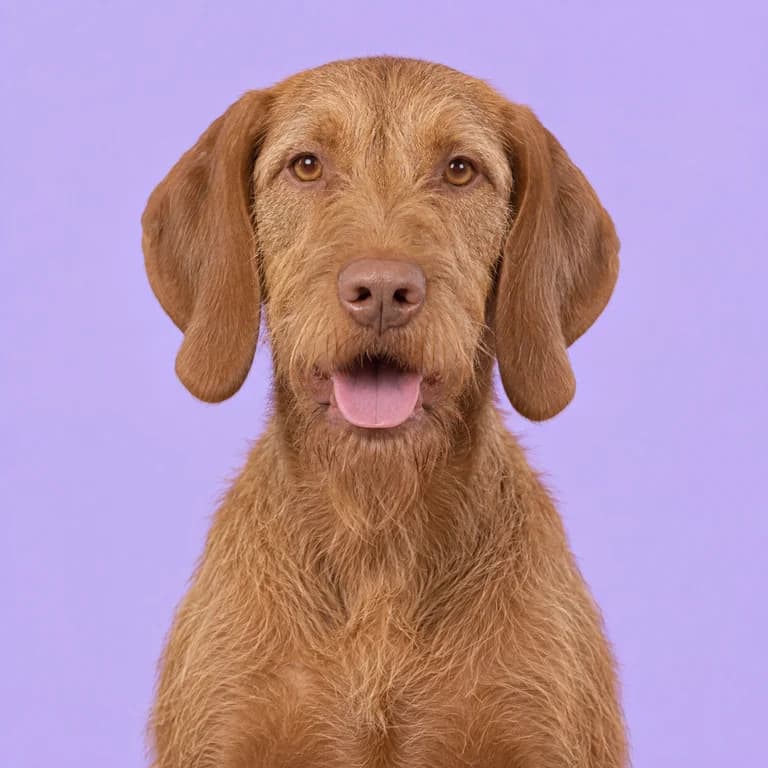
Sporting group
Wirehaired Vizsla
20 to 30 kg · 12 to 14 years
A Hungarian gun dog with a weatherproof beard, built to hunt all day in cold water and thick cover.
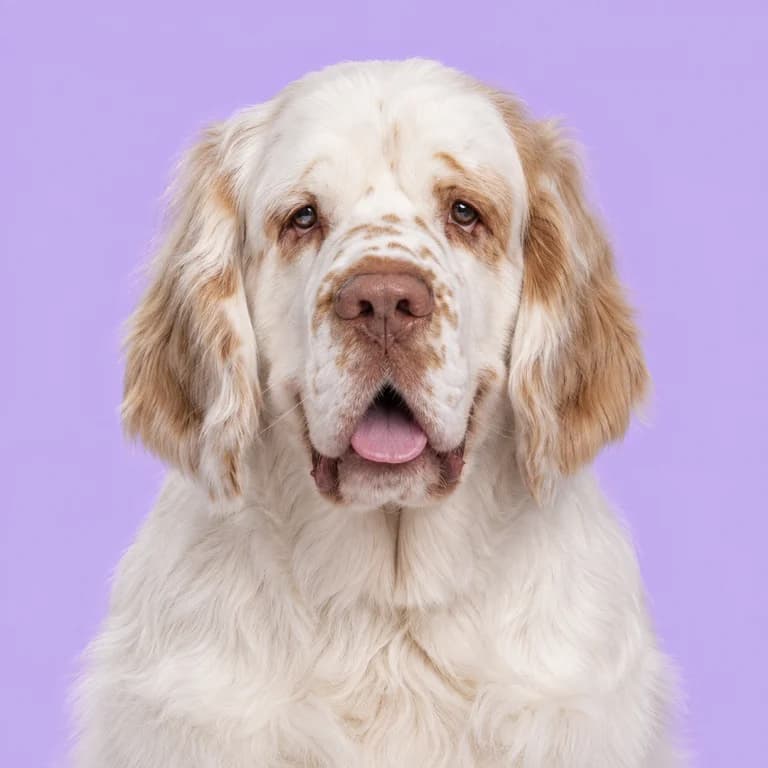
Sporting group
Clumber Spaniel
25 to 39 kg · 10 to 12 years
A heavy, low-slung spaniel with a rolling walk, a gentle soul and no interest in rushing anything.
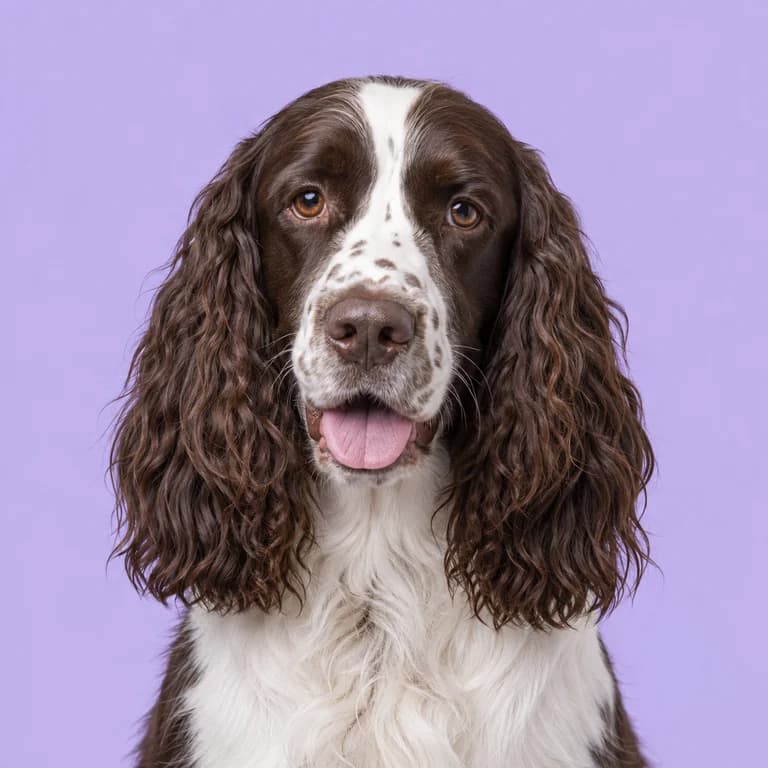
Sporting group
English Springer Spaniel
18 to 25 kg · 12 to 14 years
A tireless flushing spaniel that treats every hedge as a job and every walk as a hunt.
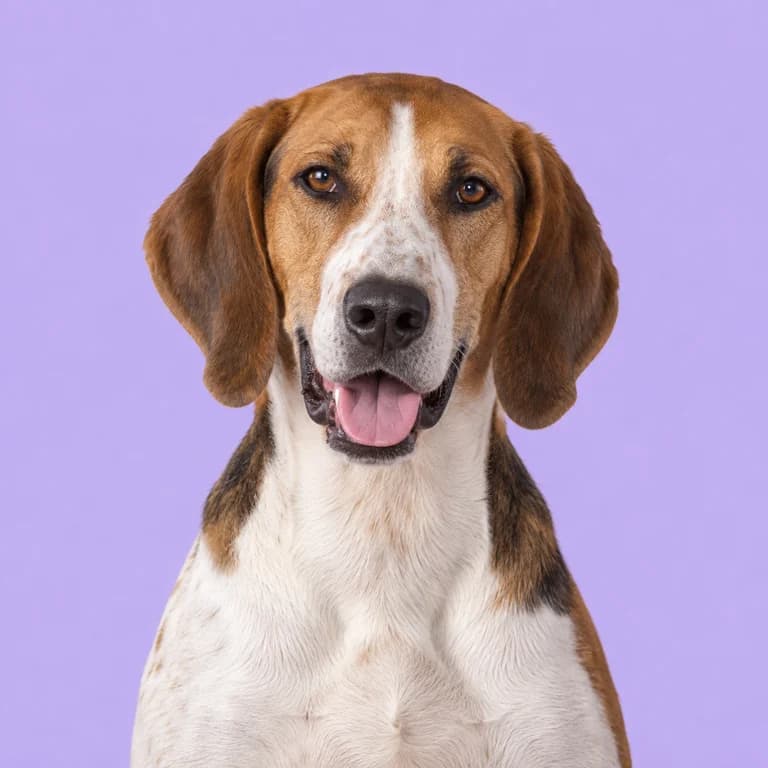
Hound group
English Foxhound
25 to 34 kg · 10 to 13 years
A pack hound built to run all day across open country, rarely kept as a pet and demanding when it is.
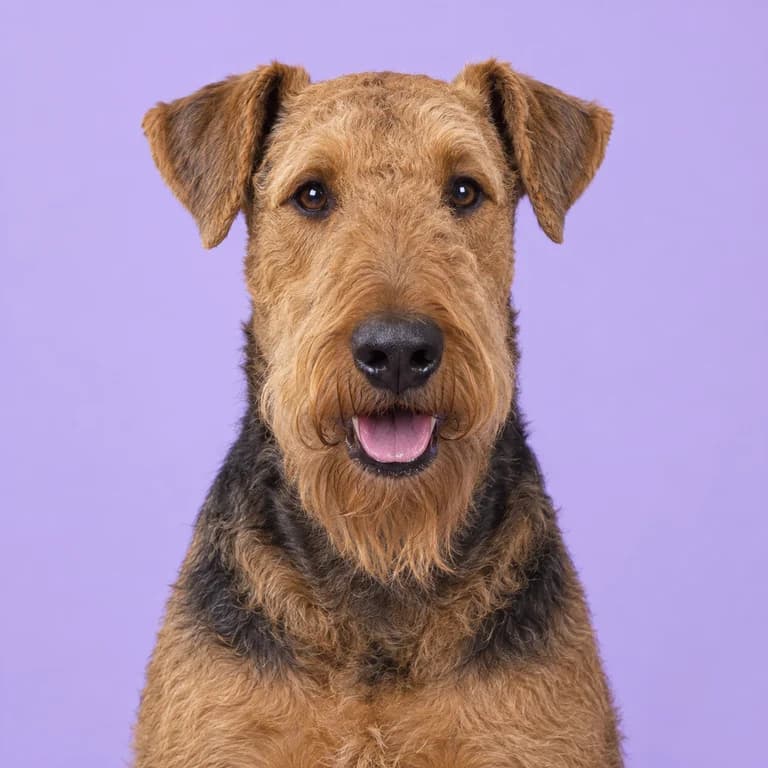
Terrier group
Airedale Terrier
18 to 29 kg · 11 to 14 years
The largest terrier, bred by Yorkshire workers to hunt otters and rats, and later trusted with wartime messages.
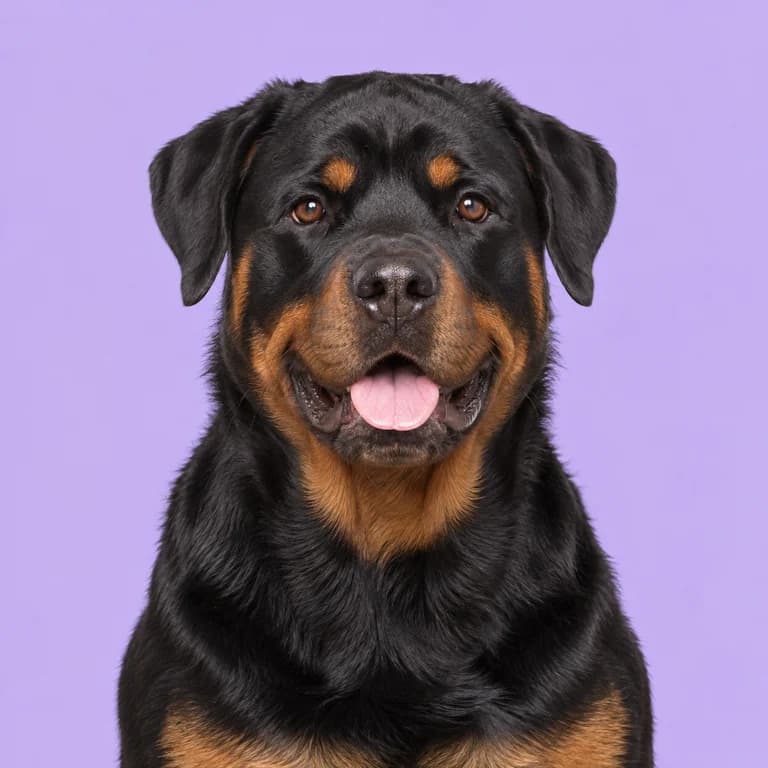
Working group
Rottweiler
35 to 60 kg · 9 to 10 years
A butcher's cattle dog turned devoted guardian, calm at home and quietly watchful of anything unfamiliar.