A young puppy needs far more sleep than most people expect. At 8 to 12 weeks, 18 to 20 hours out of every 24 is normal, and big breeds often sit at the top of that range. That leaves only a few hours of awake time, split into short windows through the day. When those windows stretch too long, puppies do not get sleepy and quiet the way adults do. They get wild, bitey and harder to calm.
Getting sleep right solves a surprising number of puppy problems. Biting drops, toilet training gets easier, and evenings stop ending in a whirlwind of zoomies. This guide shows how much rest to aim for at each age, what a realistic day looks like, how to build a bedtime routine, and when changes in sleep deserve a call to your vet.
Why puppies need so much sleep
Sleep is when a lot of growing happens. Growth hormone is released in larger amounts during deep sleep, and the brain uses rest time to sort and store what the puppy learned while awake. A puppy that sleeps well tends to learn faster, cope better with new experiences and recover more quickly from a busy day.
Puppies do not always put themselves to bed, though. In a lively house, with children playing and visitors dropping in, many will keep going on excitement alone. That is why a schedule with planned naps in a quiet spot works better than hoping your puppy will nod off on its own.
Sleep in puppies also looks busier than you might expect. Twitching paws, soft yips and rapid eye movements are common during dream sleep, and young dogs spend more of their rest in that stage than adults. There is no need to wake a puppy that seems to be dreaming. It will usually settle again within a minute or two.
Awake windows and the overtired puppy
At 8 to 10 weeks, most puppies manage about 45 to 60 minutes awake before they need to rest again. By 4 months that stretches to roughly 1.5 to 2 hours. Push past the window and many puppies tip into overtiredness, which looks nothing like sleepiness.
When you see the signs below, the kindest move is a toilet trip and then a quiet spot with a chew, not more play. Many owners find that the evening biting hour vanishes once the afternoon nap is protected.
Use a timer on your phone for the first couple of weeks. Set it for 50 minutes each time your puppy wakes, and when it rings, start winding down: a toilet trip, then the crate or pen with something to chew. It feels rigid at first, but it quickly becomes second nature, and your puppy learns to switch off on cue.
- Sudden zoomies that end in grabbing clothes or ankles
- Harder, more frantic biting that ignores your usual redirection
- Not responding to a name the puppy knows well
- Barking at you or at the pen for no obvious reason
- Chewing furniture straight after a long play session
A sample day for a 10-week-old puppy
The pattern is simple: wake, toilet, a little activity, toilet, sleep. Adjust the clock times to your life, but try to keep the rhythm the same every day, including weekends.
| Time | Activity |
|---|---|
| 6:30 to 7:30 | Wake, toilet, breakfast, short play, toilet |
| 7:30 to 9:30 | Nap in crate or pen |
| 9:30 to 10:30 | Toilet, handling game, garden sniff, toilet |
| 10:30 to 12:30 | Nap |
| 12:30 to 13:30 | Toilet, lunch, short training session, toilet |
| 13:30 to 16:00 | Long afternoon nap |
| 16:00 to 17:00 | Toilet, play, calm chew |
| 17:00 to 19:00 | Nap |
| 19:00 to 20:00 | Toilet, dinner, gentle family time |
| 20:00 to 22:00 | Doze on a bed near the family |
| 22:00 | Final toilet trip, then bed for the night |
How sleep changes between 8 weeks and 1 year
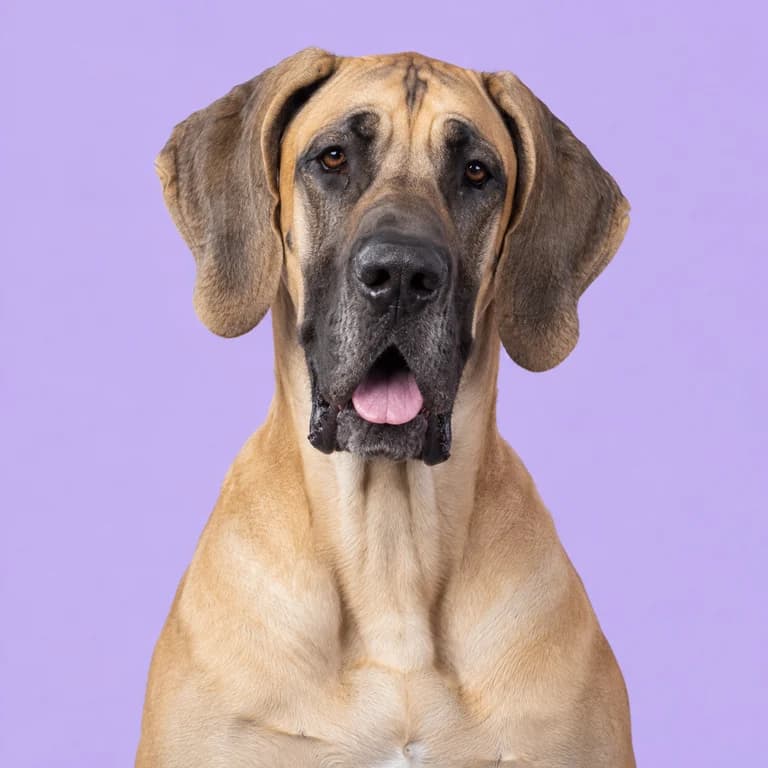
As your puppy grows, naps get fewer and longer, and awake time grows. Use the figures as a guide rather than a rule, since breed and personality both play a part. Giant breeds such as Great Danes and Bernese Mountain Dogs often sleep more than a busy herding breed of the same age.
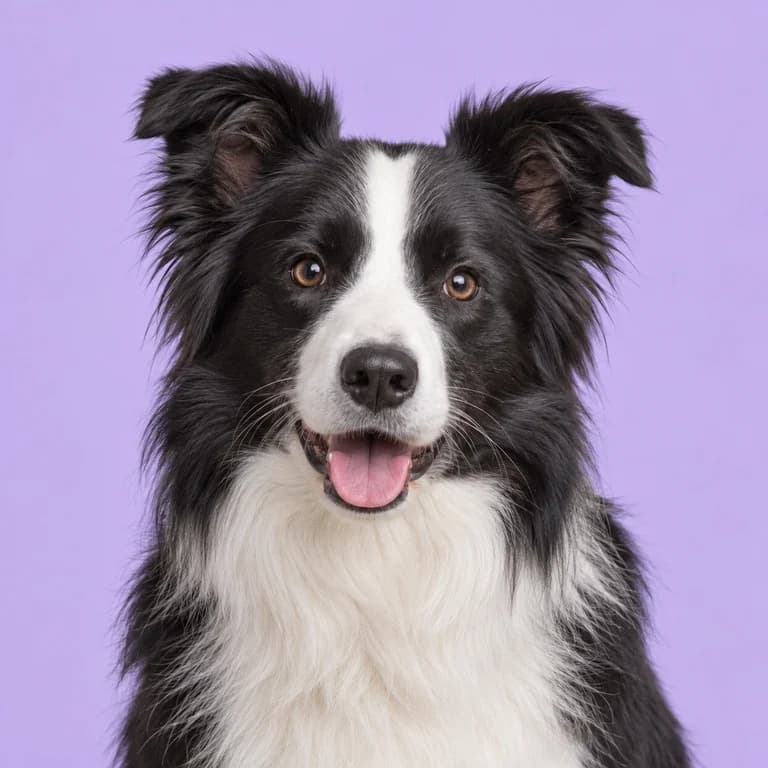
Watch out for the opposite problem with high-drive breeds. A young Border Collie may look ready to go all day, but that energy often hides a tired brain. Build in enforced rest for these puppies, with a stuffed chew or a snuffle mat, so they learn that calm time is part of the day.
| Age | Total sleep per day | Typical awake stretch | Night |
|---|---|---|---|
| 8 to 12 weeks | 18 to 20 hours | 45 to 60 minutes | One toilet trip for most |
| 3 to 4 months | 17 to 19 hours | 1 to 1.5 hours | Many sleep 6 to 7 hours |
| 5 to 6 months | 16 to 18 hours | 1.5 to 2.5 hours | Most sleep through |
| 7 to 12 months | 14 to 16 hours | 2 to 4 hours | Settled night routine |
Building a bedtime routine
Dogs love predictability, and a fixed bedtime order of events tells your puppy that night is coming. Give the last meal about three hours before bed so there is time to digest and toilet. In the hour before bed, swap active games for calm ones: a sniffing game with scattered kibble, a gentle brush, or a quiet chew on your lap.
Finish with a final toilet trip, then use the same phrase every night, such as "bedtime", as your puppy goes into its crate. Dim the lights and keep your voice low. If your puppy wakes in the night, handle the toilet trip in near silence and go straight back to bed, so the night stays boring.
Creating a good place to sleep
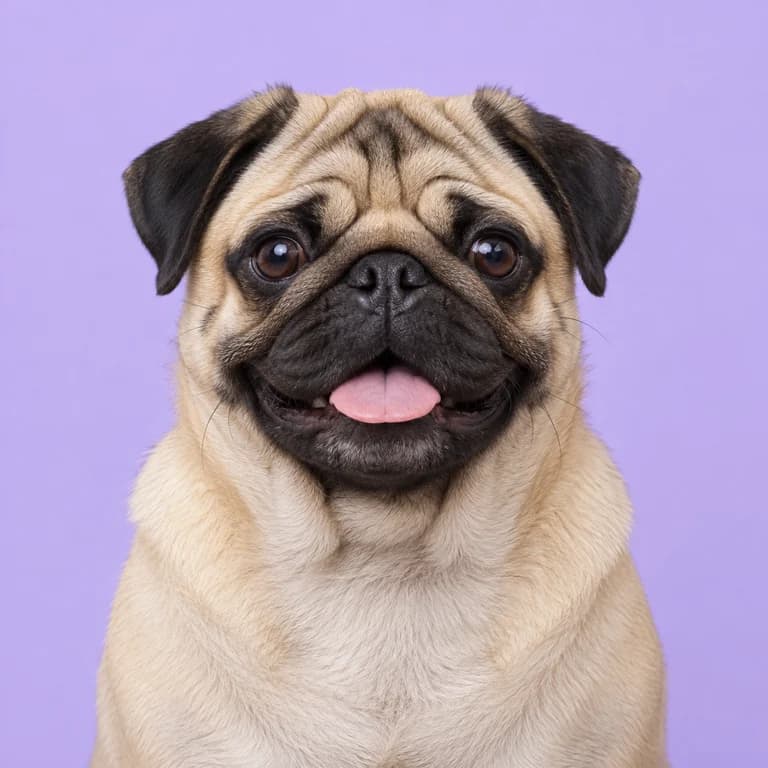
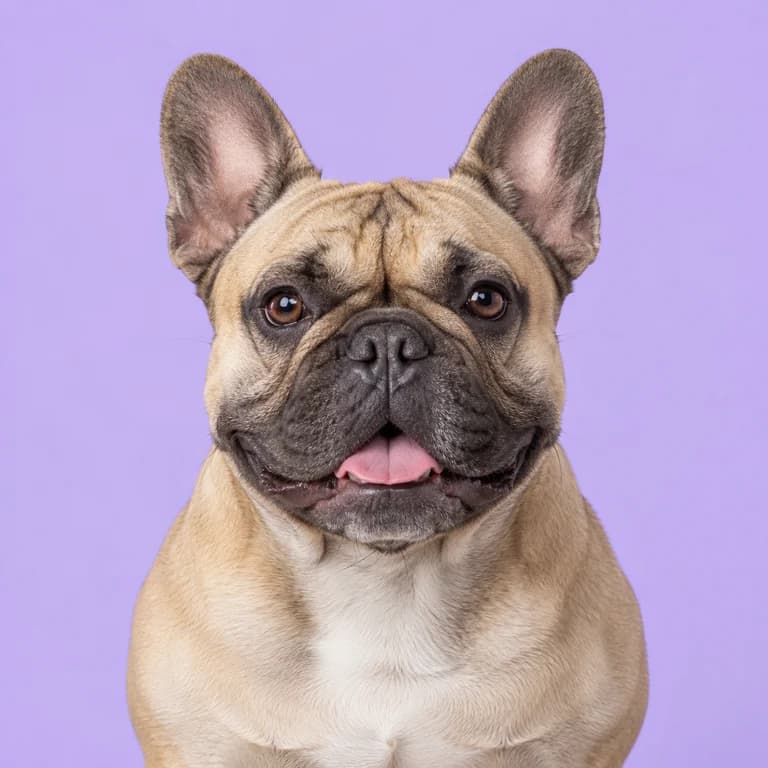
Choose a spot away from the busiest walkway, draft-free and not beside a radiator. A room temperature around 18 to 21 °C (64 to 70 °F) suits most puppies. Flat-faced breeds such as Pugs and French Bulldogs can overheat more easily, so give them a cooler position and bedding they can move off if they get warm.
Daytime naps need protecting too. Make a family rule that a sleeping puppy is never woken for play or cuddles, which matters most with children in the house. A crate cover or a pen in a quieter corner helps your puppy switch off while life carries on around it.
Bedding should be comfortable but sensible. A firm, washable mat or a thin blanket is better than a thick, stuffed bed for a puppy that chews, since swallowed stuffing is a real hazard. Keep a spare so one can be in the wash, and add a soft toy only if your puppy cuddles it rather than tearing it apart.
Early waking, night crying and when to ask the vet
A puppy that wakes at 5 a.m. often needs the toilet, and it should get it. Keep the trip dull, return your puppy to bed, and only start the day at your normal time. Breakfast, play and chat all wait until then. Over a week or two, most puppies drift toward the household's waking time. If your puppy suddenly wakes more at night after sleeping well, look at changes first: later dinners, less daytime activity, or a noisier room.
Speak to your vet if your puppy suddenly sleeps much more than usual and seems dull when awake, breathes noisily or with obvious effort while resting beyond ordinary snoring, cannot settle and keeps changing position, or starts needing to pee several times a night after having been dry.
Checklist
- Daily timetable written with naps after every awake window
- Crate or pen set up in a quiet, draft-free spot
- Last meal served about three hours before bedtime
- Calm bedtime routine repeated every night
- Family rule agreed: never wake a sleeping puppy
- Night toilet trip set and gradually pushed later
Questions
Should I wake my puppy up to go to the toilet?
At night, a planned trip for a very young puppy can help it stay dry, and you can phase it out as it grows. During the day, let naps run their course and take your puppy out as soon as it wakes. Waking a sleeping puppy for play or visitors is best avoided.
My puppy sleeps all day. Is that too much?
Sleeping most of the day is normal for a young puppy, as long as it wakes up bright, eats well, plays with interest and toilets normally. Be concerned if the extra sleep comes with low appetite, weakness, vomiting, diarrhea or a puppy that seems hard to rouse, and call your vet in that case.
How do I get my puppy to nap during the day?
Put it in its crate or pen after 45 to 60 minutes of awake time, with a toilet trip first and a chew to settle with. A covered crate in a quieter room helps. Most puppies protest for a minute or two and then fall asleep once they learn the pattern.
Is it fine for my puppy to sleep in a different room from me?
Many puppies cope well in a separate room once they are settled, but the first few weeks are easier with the crate beside your bed. You will hear toilet needs in time, and your puppy feels less alone. Move the crate gradually later if you prefer, a short distance every few nights.
Does a tired puppy need more exercise to sleep better?
Not usually. Long walks and intense play often wind a young puppy up instead of wearing it out. Short bursts of play, a little training and plenty of sniffing, followed by a planned nap, lead to better sleep. Mental activity such as a scatter feed or a chew is often more settling than extra running.