Working group · Switzerland
Bernese Mountain Dog
Also called Berner, Berner Sennenhund
A gentle Swiss farm dog with a huge heart and a short average life that owners should understand before they fall in love.
Bernese Mountain Dogs are calm, affectionate and famously patient with children, which is why so many families want one. They are also one of the shorter-lived large breeds, with many reaching only 7 to 9 years and cancer as a leading cause. Choosing a health-focused breeder matters more here than with almost any other breed.
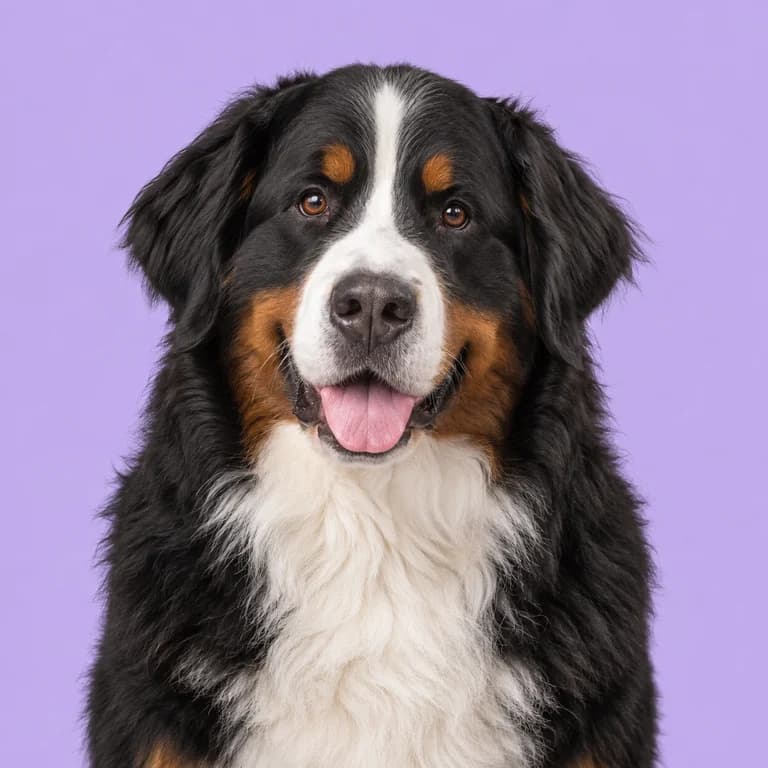
Original AI-generated breed illustration
Weight
34 to 50 kg
75 to 110 lb
Height
58 to 70 cm
at the shoulder
Life expectancy
7 to 10 yrs
Activity estimate
60 to 90 min
editorial daily planning range
Adult-size estimate
24 months
approximate model input
Life with a Bernese Mountain Dog
Before it became a family favorite, the Bernese was a farmhand. Farmers in the hills south of Bern kept these big tricolor dogs to guard the yard, drive cattle between pastures and haul carts of milk to the dairy. Locally they were called Dürrbächler, after the Dürrbach area near Riggisberg where many of the best dogs were found.
By the late 1800s, modern dairying had made them less useful and numbers dropped. Swiss enthusiasts, encouraged by the geologist and dog lover Albert Heim, gathered the best remaining dogs, and a breed club was formed in 1907. Berners reached North America in the 1920s and Britain in the 1930s, and their popularity has grown steadily since.
Temperament is why people fall for them. A well-bred Berner is steady, patient and a little soft, fond of leaning its full weight against your legs and sighing contentedly. It is not a high-drive dog; most prefer a long amble to a sprint and are happy to lie at your feet once they have had their walk. Many are slightly wary of strangers at first but warm up quickly.
The honest trade-off is health. Go in knowing that a Berner reaching 10 is doing well, that vet bills often arrive earlier than for similar-sized breeds, and that insurance premiums reflect this. Plenty of owners say the years are worth every cost. The key is to choose with open eyes and to buy from a breeder who is actively working to improve longevity.
What stands out
Health
Cancer is the breed's biggest issue, with histiocytic sarcoma and other tumors seen much more often than in most breeds. Hip and elbow dysplasia, degenerative myelopathy, bloat, and some inherited kidney and eye conditions also occur. Responsible breeders score hips and elbows in both parents, DNA test for degenerative myelopathy, have eyes examined, and track how long the dogs in their pedigrees lived.
Read the full health guideLife expectancy
7 to 10 yrs
Senior care
Individual assessment
age alone does not define care needs
A great match for
- families with children of any age
- cool or cold climates
- owners who want a calm, steady companion
- people with a garden and room for a big dog
Think twice if
- short average lifespan and high cancer rates
- sheds heavily, especially twice a year
- struggles in hot weather
- higher than average vet and insurance costs
Personality and needs at a glance
Living together
Good with children
Good with other dogs
Open with strangers
Apartment friendly
Copes with alone time
Energy and character
Energy level
Playfulness
Easy to train
Barking
5 means very vocal
Care and climate
Grooming needs
Shedding
Drooling
Handles cold
Handles heat
How much a Bernese Mountain Dog eats
Illustrative calculations for neutered adults at midpoint breed weights, with food at 370 kcal per 100 g and 100 g per cup. These are not measured breed requirements. Use actual weight, the food label and veterinary body-condition advice.
| Dog | Weight | Calories | Dry food |
|---|---|---|---|
| Female, relaxed lifestyle | 40 kg | 1540 kcal | 415 g (4.3 cups) |
| Female, typical pet | 40 kg | 1760 kcal | 475 g (4.8 cups) |
| Male, typical pet | 44 kg | 1910 kcal | 515 g (5.3 cups) |
| Male, very active | 44 kg | 2390 kcal | 645 g (6.5 cups) |
Care guides for the Bernese Mountain Dog
Things owners are often surprised by
- 1It is one of four Swiss Sennenhund breeds and takes its name from the canton of Bern.
- 2Farmers once used Berners to pull carts of milk cans to the local cheese dairy, and drafting trials still test that skill.
- 3Large health surveys have put the breed's median lifespan at around 8 years.
- 4Histiocytic sarcoma, an aggressive cancer, occurs far more often in Berners than in most breeds.
- 5The classic markings include a white blaze on the face and a white cross-shaped patch on the chest.
Bernese Mountain Dog questions
Why do Bernese Mountain Dogs have such short lives?
The main reason is a high rate of cancer, especially histiocytic sarcoma, which has a strong inherited component in the breed. A small founding population and years of breeding for looks rather than longevity concentrated those risks. Several breed clubs now run health databases and longevity awards, and some breeders prioritize parents and grandparents that lived past 9 or 10. Asking about those ages is the best step a buyer can take.
Do Bernese Mountain Dogs drool?
Most drool only a little, much less than a Saint Bernard or Newfoundland. You may see some dribbling after drinking, when food is being prepared, or on hot days. Dogs with looser lips drool more than those with tight, dry mouths, so if drool bothers you, look at the parents' faces before choosing a puppy. A towel near the water bowl covers most situations.
Can a Bernese Mountain Dog live in a flat?
It is possible but rarely ideal. Berners are calm indoors, yet they are big, shed heavily and find stairs hard on growing joints and older elbows. A ground-floor home with a garden suits them far better. If you do live in a flat, you will need a lift, cool rooms in summer and a reliable plan for several outings a day, including one long walk.
Do Bernese Mountain Dogs like pulling carts?
Many do, since carting was part of their original farm work. Drafting should wait until the skeleton is mature, usually after 18 to 24 months, and after a vet has checked hips and elbows. Start with a properly fitted harness and an empty, light cart, and build up slowly. Clubs in several countries run drafting tests where dogs pull a cart through a set course.
How do I find a Bernese breeder who breeds for longevity?
Look for breeders who publish official hip and elbow scores, DNA results and eye tests for both parents, and who can tell you how old the grandparents and great-grandparents lived to be. Many breed clubs run health registries or give awards to dogs that reach 10 years. Be wary of anyone who dismisses cancer as bad luck or cannot share records. Expect to join a waiting list.
Popular answers for owners
- Bowls and feeding gearHow do I know if my dog's bowl is too high?
- Grooming and coatHow do I care for a Cocker Spaniel's leg feathering?
- Puppy feeding and growthHow much should a 9 month old puppy eat?
- How much to feedHow much should I feed a 2kg dog?
- Exercise and playWhat is a safe warm up before intense dog exercise?
- Puppy feeding and growthHow much should an 8 week old puppy eat?
Breeds you might compare
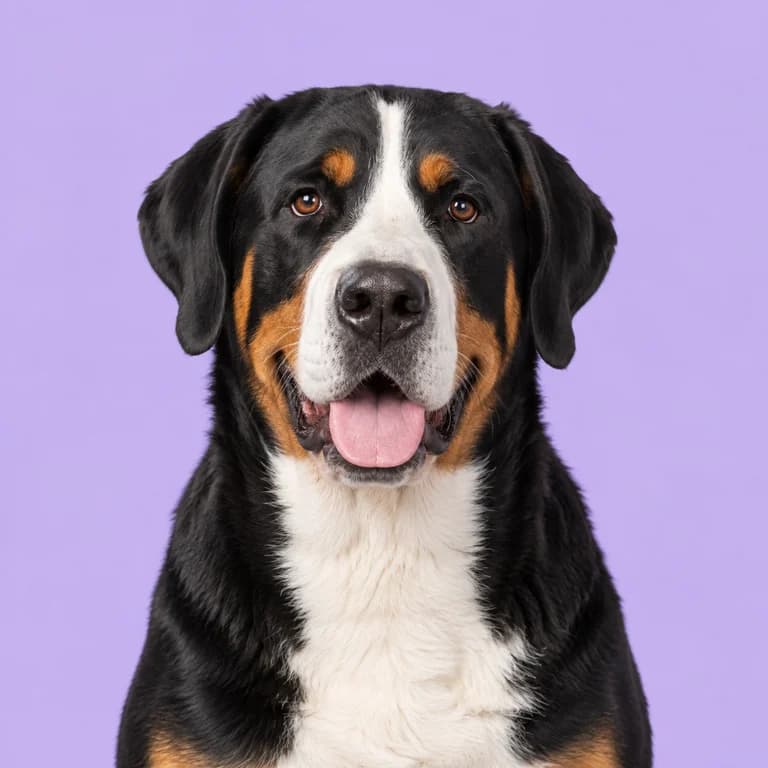
Working group
Greater Swiss Mountain Dog
39 to 64 kg · 8 to 11 years
The largest Swiss mountain breed, once a farm's cart puller and still a gentle, heavyweight family worker.
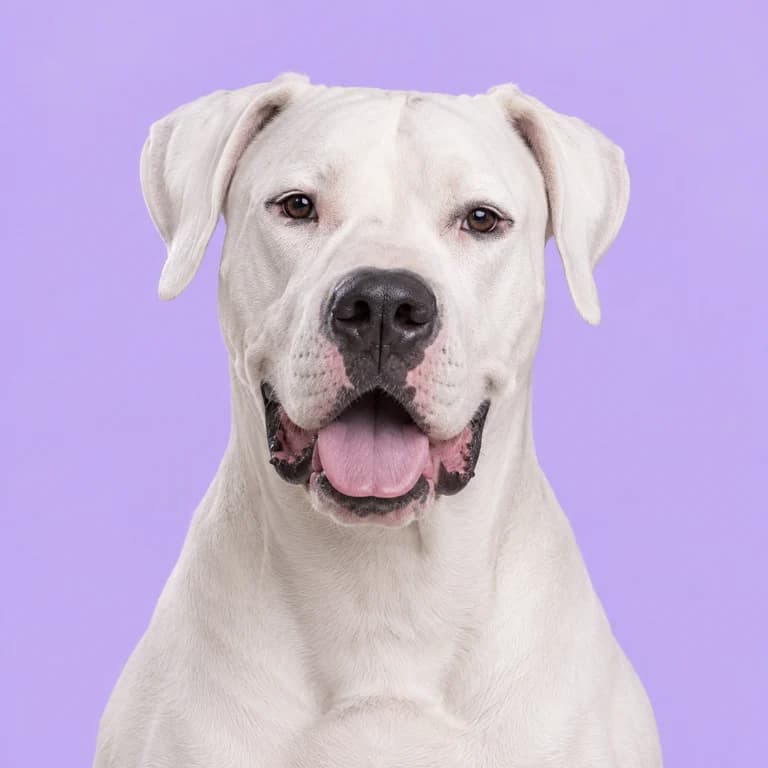
Working group
Dogo Argentino
35 to 45 kg · 10 to 12 years
A white Argentine hunting dog designed by two brothers to face boar and puma, now a devoted but demanding companion.
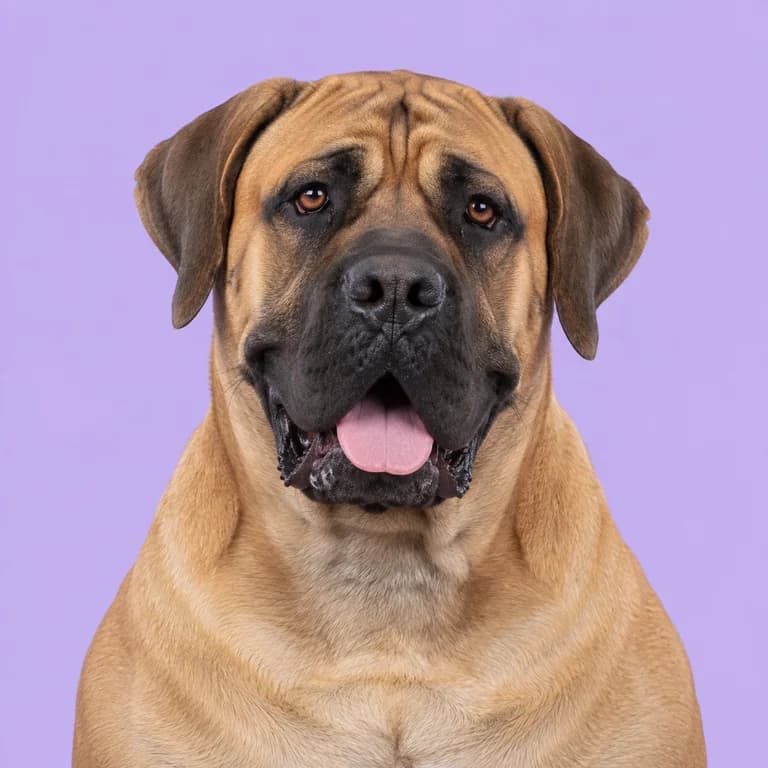
Working group
Boerboel
55 to 90 kg · 9 to 11 years
A South African farm guardian built to face down leopards, calm at home but serious about its territory.
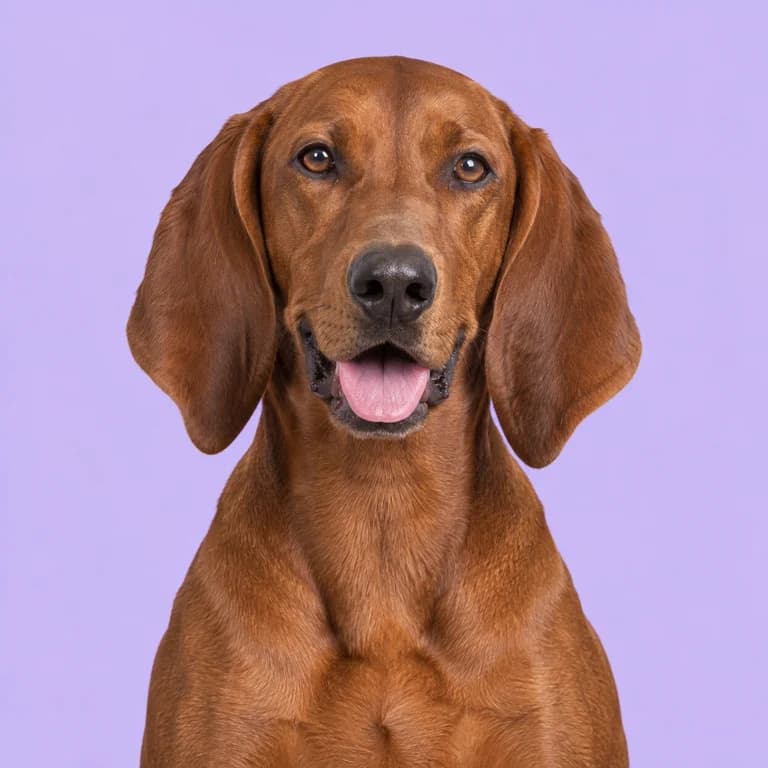
Hound group
Redbone Coonhound
20 to 32 kg · 12 to 15 years
An easygoing sofa companion indoors and a tireless, musical tracker the moment its nose finds a trail outside.
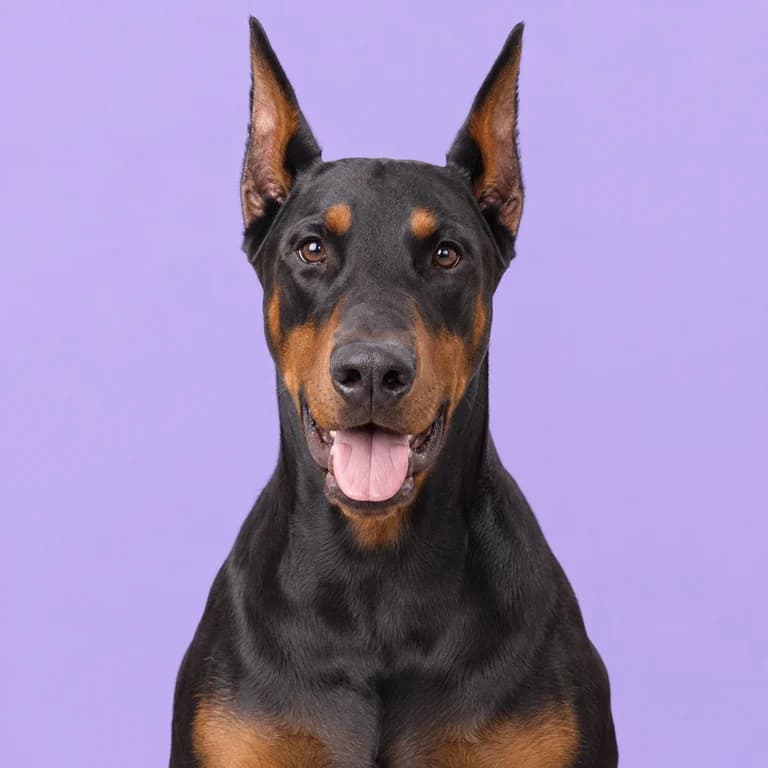
Working group
Doberman Pinscher
32 to 45 kg · 10 to 12 years
A sleek guardian with a watchful mind that becomes surprisingly soft and clingy with its own people.
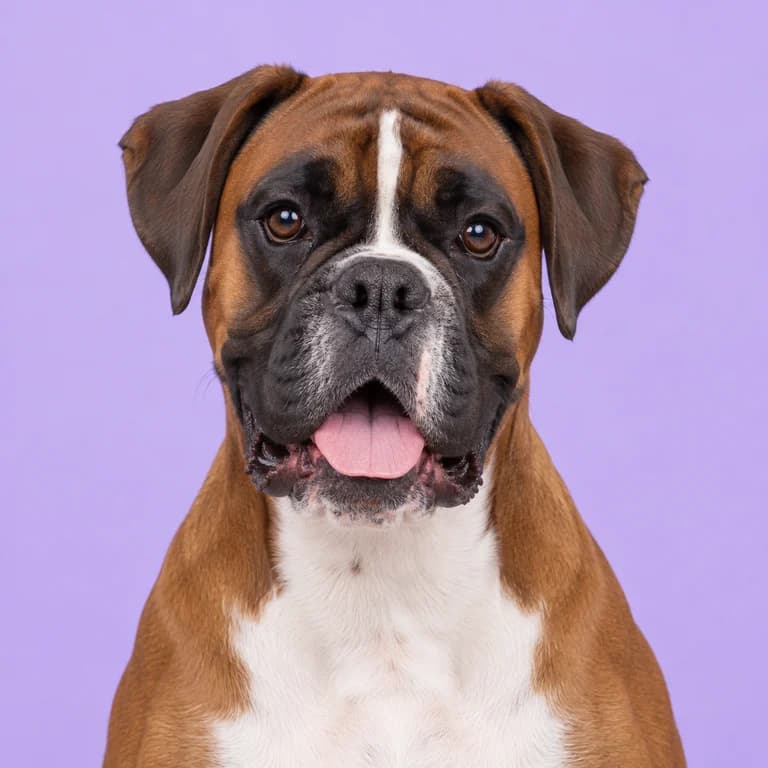
Working group
Boxer
25 to 36 kg · 10 to 12 years
A square, springy German guard dog that treats every morning like the start of a party.