Sources for this article
Working group · Germany
Great Dane
Also called Deutsche Dogge, German Mastiff
A dog the height of a small pony that would rather lean on you than guard anything.
Great Danes are enormous, gentle and surprisingly low-key indoors. Their size shapes everything about owning one, from the car you drive and the food bill to how carefully a puppy has to be raised.
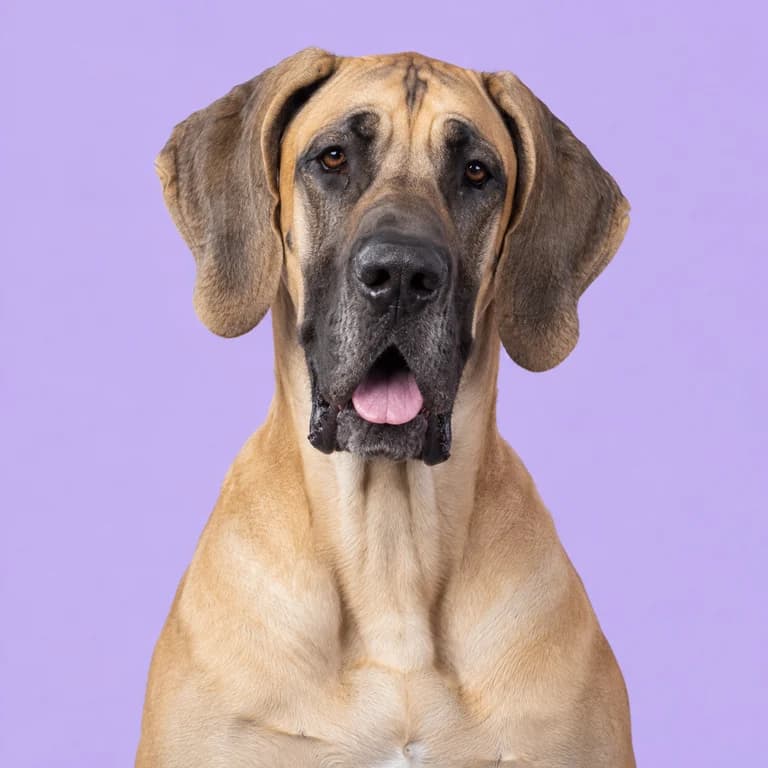
Original AI-generated breed illustration
Weight
50 to 79 kg
110 to 174 lb
Height
71 to 86 cm
at the shoulder
Life expectancy
7 to 10 yrs
Activity estimate
60 to 90 min
editorial daily planning range
Adult-size estimate
24 months
approximate model input
Life with a Great Dane
Everything starts with the measurements. A male Great Dane usually stands 76 to 86 cm (30 to 34 in) at the shoulder and weighs 64 to 79 kg (140 to 175 lb). In practice that means his chin rests on your kitchen counter without effort, he fills the entire back seat of an estate car, and his tail clears coffee tables at exactly wagging height.
The breed was built in Germany from mastiff-type dogs and fast hounds to catch and hold wild boar, work that demanded both speed and mass. By the 1800s, German nobles kept the most impressive specimens as estate guardians and bedroom dogs, and in 1876 the breed was named Germany's national dog. The name Great Dane has no link to Denmark; it came from a French label that simply stuck in English.
Modern Danes kept the presence and lost most of the ferocity. A typical adult is polite with visitors, affectionate with family and content to spend much of the day stretched across a sofa. Many lean their full weight against people they like, which is endearing with a sturdy adult and hazardous next to a small child or an unsteady grandparent.
Practical life needs planning. You will want a bed at least 120 cm (4 ft) long, an extra-large crate, a vehicle with a low loading height or a ramp, and a vet practice comfortable handling giant dogs, since anesthesia, medication and surgery all cost more by the kilo.
What stands out
Puppy growth
Great Dane puppies grow at a startling rate. A pup of about 7 kg (15 lb) at 8 weeks can pass 40 kg (88 lb) by 6 months and still be far from finished. Most of the height arrives by 18 months, while chest, muscle and head keep filling in until 2 or even 3 years old.
Read the full puppy growth guideIllustrative model, not observed breed data or a healthy-weight standard. Use actual measurements and veterinary advice to assess growth.
A great match for
- owners with floor space and a large vehicle
- calm households wanting a gentle giant
- people who are home for much of the day
- families with older, steady children
Think twice if
- short lifespan compared with smaller breeds
- high risk of bloat, a life-threatening stomach emergency
- food, beds, crates and vet costs scale with size
- drools, especially after drinking
- a swinging tail or leaning body can floor a toddler
Personality and needs at a glance
Living together
Good with children
Good with other dogs
Open with strangers
Apartment friendly
Copes with alone time
Energy and character
Energy level
Playfulness
Easy to train
Barking
5 means very vocal
Care and climate
Grooming needs
Shedding
Drooling
Handles cold
Handles heat
How much a Great Dane eats
Illustrative calculations for neutered adults at midpoint breed weights, with food at 370 kcal per 100 g and 100 g per cup. These are not measured breed requirements. Use actual weight, the food label and veterinary body-condition advice.
| Dog | Weight | Calories | Dry food |
|---|---|---|---|
| Female, relaxed lifestyle | 57 kg | 2030 kcal | 550 g (5.5 cups) |
| Female, typical pet | 57 kg | 2320 kcal | 630 g (6.3 cups) |
| Male, typical pet | 72 kg | 2750 kcal | 745 g (7.5 cups) |
| Male, very active | 72 kg | 3440 kcal | 930 g (9.3 cups) |
Care guides for the Great Dane
Things owners are often surprised by
- 1On its hind legs, a large male is taller than most adults
- 2Zeus, a Great Dane from Michigan, measured 111.8 cm (44 in) at the shoulder
- 3The English name traces to an 18th century French naturalist who called the breed the grand danois
- 4Declared the national dog of Germany in 1876
- 5Its typical lifespan of 7 to 10 years is among the shortest of any breed
Great Dane questions
Why is it called a Great Dane if it comes from Germany?
The name is a historical accident. In the 1700s the French naturalist Buffon described the dog as the grand danois, possibly because he had seen examples in Denmark. English speakers adopted a translation of his term and it stuck. In Germany the breed is the Deutsche Dogge, and most other European languages use a version of that name instead.
How tall is a Great Dane standing on its hind legs?
A large male on his hind legs often reaches around 2 m (6 ft 6 in) from paws to nose, which is why an enthusiastic greeting can knock a person flat. Females are usually a little shorter. Teaching a reliable four-paws-on-the-floor greeting from puppyhood is essential for safety, especially around children and older visitors.
Is harlequin a rare Great Dane color?
Harlequin, a white coat with torn black patches, is an accepted color but less common than fawn or black. It results from combining the merle gene with a separate harlequin gene, and pairing two merle carriers can produce puppies with deafness or eye defects. Choose a breeder who explains their color genetics openly and does not charge extra for pattern alone.
Can a Great Dane live in a small house?
Many do, because adults are calm indoors. What matters more is clear floor space for a big bed, a route to the car and garden without steep stairs, and furniture that survives a swinging tail. A ground floor flat beside open green space can work better than a large house surrounded by busy roads with nowhere to walk.
Why do Great Danes lean on people?
Leaning is usually a sign of comfort and attachment. A Dane presses its body against someone it trusts, rather like a hug. It can also appear when the dog feels unsure in a new place. It is harmless with steady adults, but teach a cue to step away so your dog does not topple a child or someone with poor balance.
Popular answers for owners
- Bowls and feeding gearWhat does the research actually say about raised bowls and bloat?
- Exercise and playHow do you teach a dog the name of each toy?
- Puppy feeding and growthHow do I feed an 8 week old puppy on the first day?
- How much to feedMy dog seems hungry all the time on a diet, is that normal?
- Grooming and coatIs hair loss on the tail normal in dogs?
- Exercise and playWhat is nose work and how do I start it at home?
Breeds you might compare
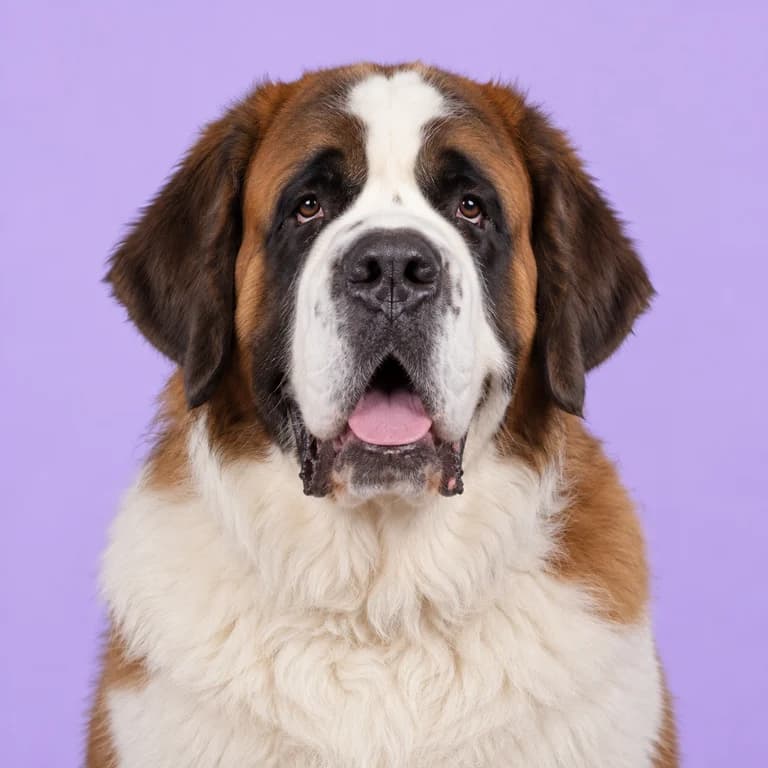
Working group
Saint Bernard
54 to 82 kg · 8 to 10 years
A gentle mountain giant whose size, drool and cold-weather coat shape every part of daily life.
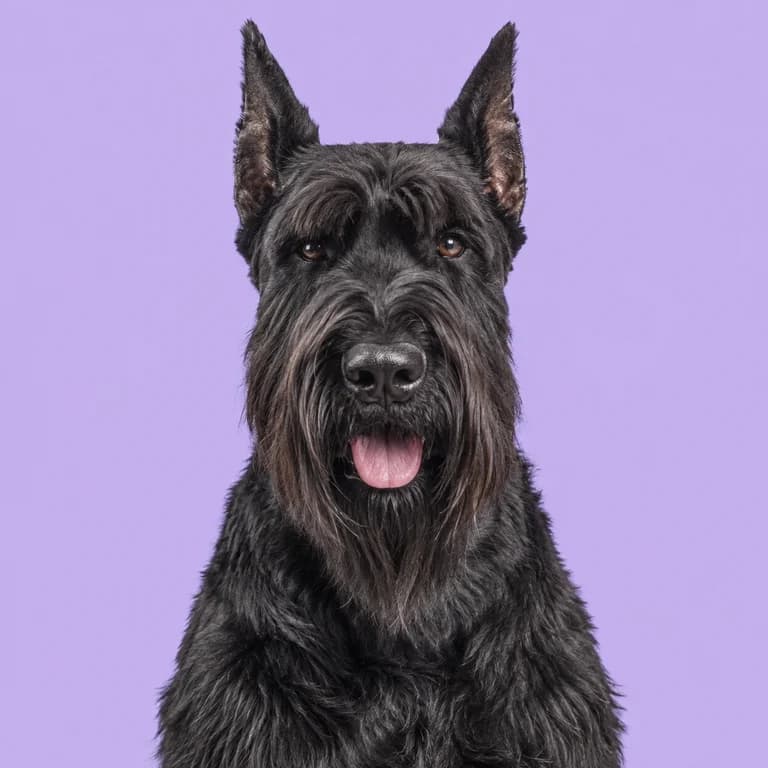
Working group
Giant Schnauzer
25 to 45 kg · 10 to 12 years
A powerful, clever working dog that thrives on structure and a job, and makes up its own without them.
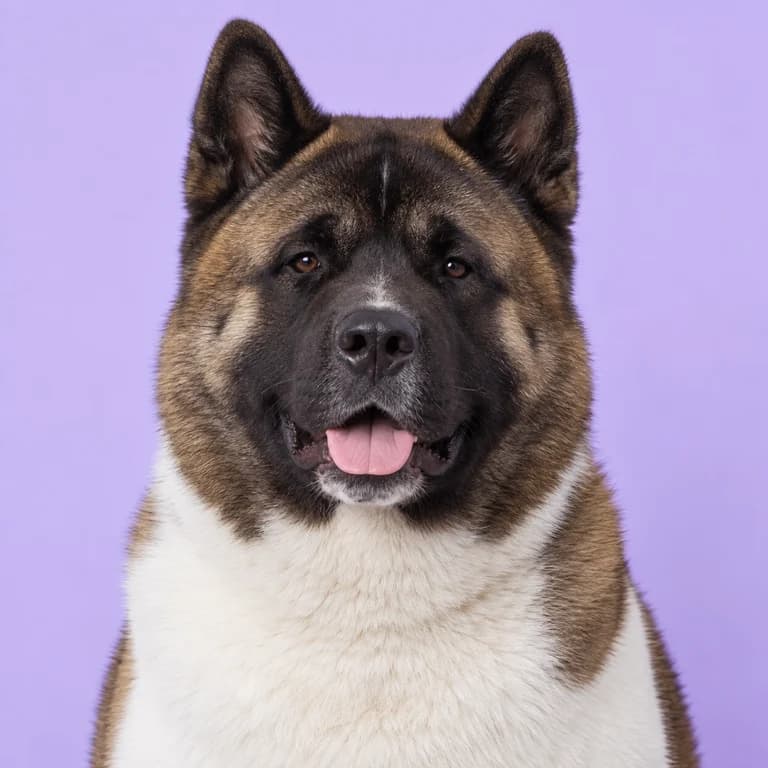
Working group
Akita
32 to 59 kg · 10 to 12 years
Dignified, quiet and fiercely loyal, the Akita adores its family and has little interest in anyone else.
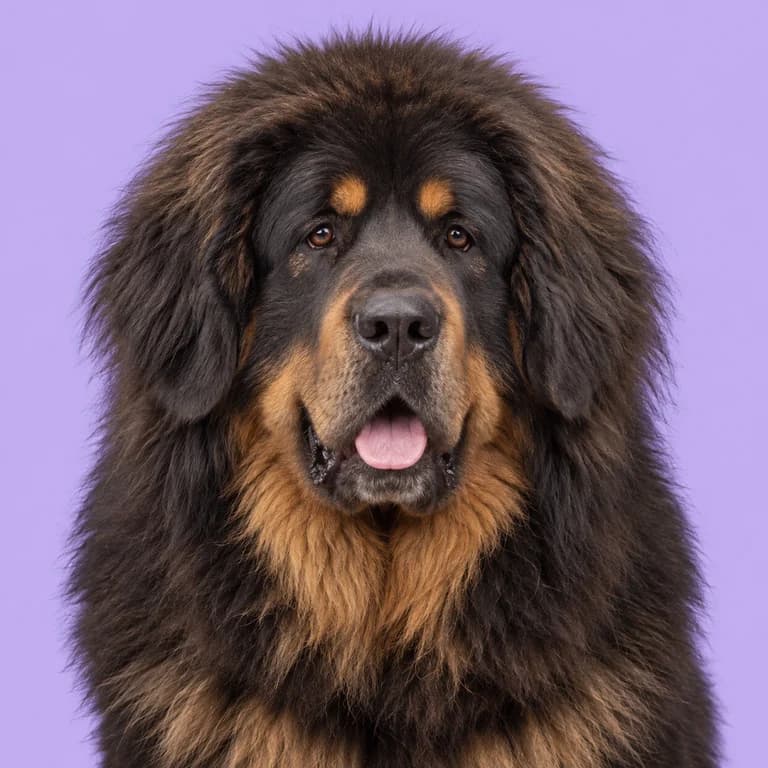
Working group
Tibetan Mastiff
34 to 73 kg · 10 to 14 years
An ancient mountain guardian that thinks for itself, patrols at night and trusts very few outsiders.
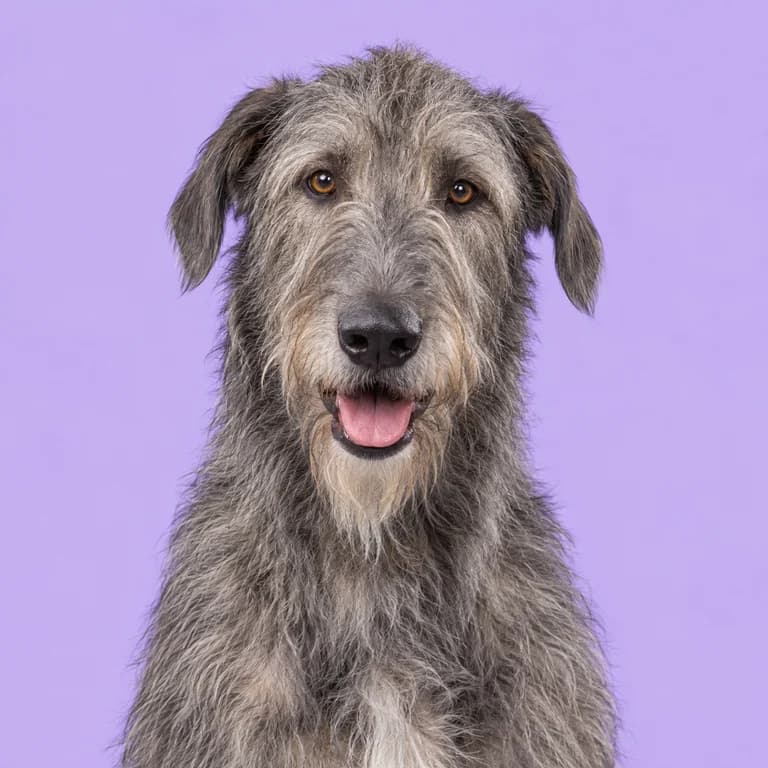
Hound group
Irish Wolfhound
45 to 70 kg · 6 to 8 years
Once a hunter of wolves, the Irish Wolfhound is now a soft-natured giant that towers over every other hound.
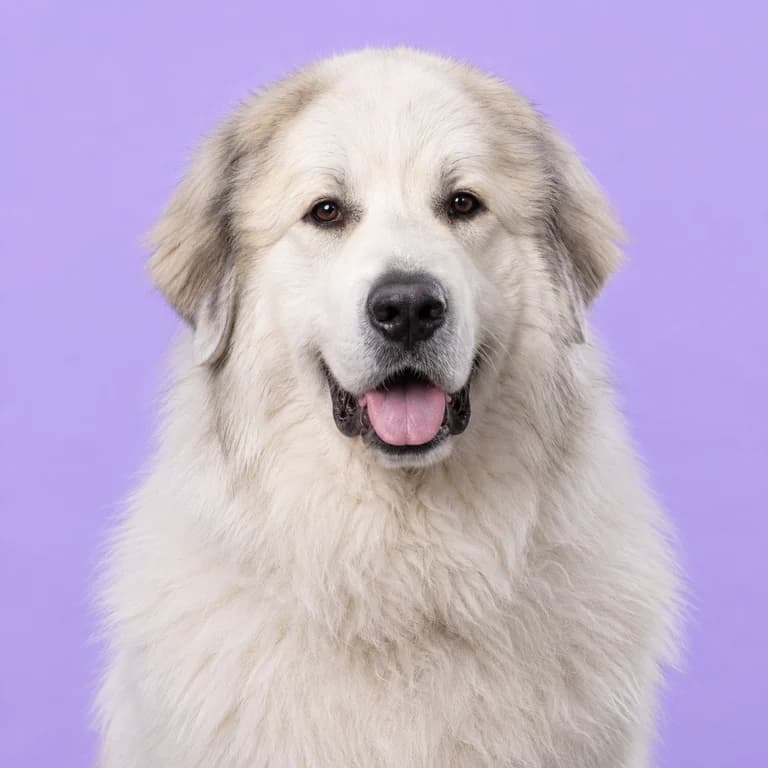
Working group
Great Pyrenees
38 to 60 kg · 10 to 12 years
A calm white giant that sleeps through the afternoon and patrols through the night, exactly as it was bred to.