Puppies are born without teeth, grow 28 sharp baby teeth in their first few weeks, then swap them for 42 adult teeth before they are about 7 months old. That is a lot of dental activity packed into a short time, and it goes some way to explaining why your puppy seems determined to chew table legs, trouser hems and your fingers.
Teething cannot be skipped, but it can be managed. The trick is to give your puppy plenty of safe things to chew, protect the things you care about, and keep an eye on the mouth for the handful of problems that need a vet. This guide takes you through the timeline, the best and worst chew choices, feeding a sore mouth, and the start of lifelong tooth care.
The teething timeline, month by month
Every puppy runs to its own clock, and small breeds sometimes change teeth a little later than large ones. The table gives typical ages. Many owners never find a single baby tooth because puppies often swallow them while eating, which is harmless.
| Age | What is happening | What you may notice |
|---|---|---|
| 3 to 6 weeks | Baby teeth come through | Happens with the breeder; puppies start nibbling littermates |
| 8 to 12 weeks | Full set of 28 needle-sharp baby teeth | Painful play bites, constant mouthing |
| 12 to 16 weeks | Front incisors loosen and fall out | Tiny spots of blood on toys, sudden desire to chew |
| 4 to 6 months | Adult canines and premolars erupt | Peak chewing, gnawing on hard edges, some drooling |
| 5 to 7 months | Back molars arrive, set reaches 42 | Chewing eases, mouthing of people fades |
| 7 to 12 months | Adult teeth settling in the jaw | A second burst of exploratory chewing in many adolescents |
Signs your puppy is teething
Some puppies sail through with barely a change. Others become little chewing machines for two or three months. You will usually see a mix of the signs below, often coming in waves as each group of teeth moves.
A good habit is a quick mouth check once a week, ideally after a meal when your puppy is calm. Lift the lips on each side, look along the front teeth, and note which ones have changed. It takes under a minute, keeps your puppy used to being handled, and means you will spot anything unusual early.
- Chewing more, and choosing harder or colder surfaces
- Small pink or red marks on toys and chews
- Extra drooling or a slightly stronger breath smell
- Reluctance to play tug for a day or two
- Eating hard kibble more slowly than usual
- Rubbing the face on the floor or pawing at the mouth briefly
Chews that help, and ones to leave on the shelf
A good teething chew has a little give. Press your thumbnail into it: if it leaves a mark, it is soft enough for young teeth. Firm natural rubber toys are ideal, especially ones you can stuff with soaked kibble and freeze overnight. A clean cotton washcloth, wetted, knotted and frozen, is a cheap favorite, as long as you supervise and take it away if it starts to shred.
Skip anything harder than the teeth themselves. Cooked bones can splinter, and very hard chews such as antlers or rigid nylon can crack a tooth. Avoid items small enough to swallow whole, and sticks from the garden, which splinter in the mouth. Rotate three or four chew types daily so each feels new, and always supervise with anything that could break into pieces.
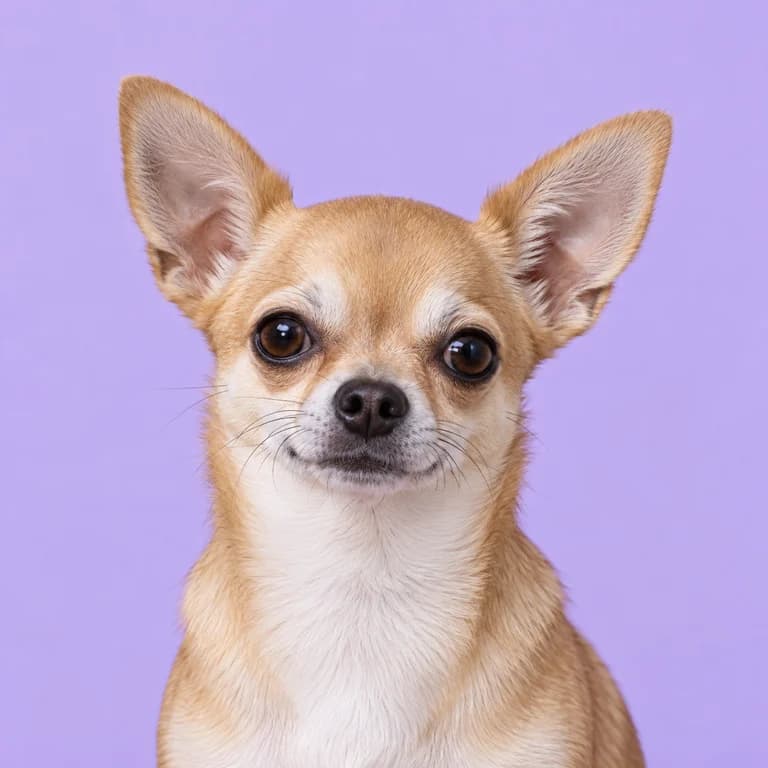
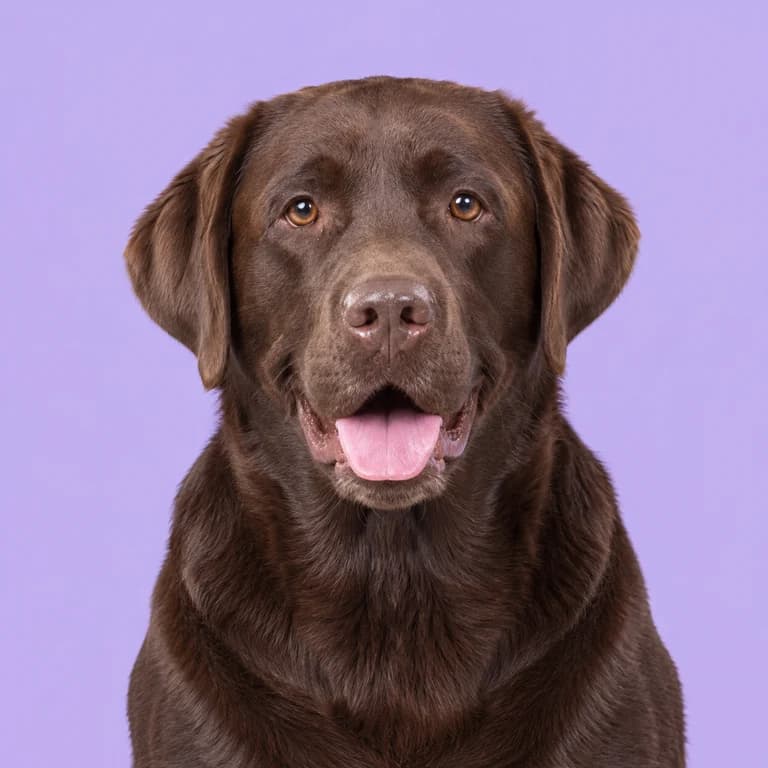
Size the chew to the dog, not just the age. A toy that suits a 3 kg (7 lb) Chihuahua puppy can be swallowed by a 15 kg (33 lb) Labrador puppy of the same age. A good test is that the chew should be too big to fit fully behind the back teeth. Replace rubber toys as soon as chunks start coming off, and count edible chews as part of the daily food allowance.
Protecting your hands, shoes and furniture
Keep a toy in your hand or pocket whenever you play or cuddle. The moment teeth land on skin, swap your hand for the toy and let your puppy chew that instead. If your puppy keeps grabbing your hands, pause for 10 seconds by standing up and turning away, then offer the toy again. Rough play with hands and wrestling tend to make mouthing worse during teething.
Management does a lot of the heavy lifting. Put shoes, remote controls and children's toys out of reach, cover cables, and block access to wooden furniture legs with a gate or a playpen. A tired, overexcited puppy chews hardest, so a short nap often does more good than another chew.
Feeding a puppy with a sore mouth
Some puppies eat less enthusiastically while big teeth are moving. Soaking the usual dry food in warm water for about 10 minutes softens it without changing the recipe. Serving it in a shallow, wide bowl lets your puppy lap without pushing its muzzle into the corners. Keep the daily amount the same, since your puppy is still growing fast.
Weigh your puppy every week or two during this stage. A brief dip in appetite is common, but steady weight gain should continue. If the scale stalls for two weeks in a row, or your puppy looks thinner over the ribs and hips, it is worth checking in with your vet even if the mouth looks fine.
Frozen treats made from part of the daily food ration, such as soaked kibble frozen inside a rubber toy, soothe the gums and count toward the day's calories. If your puppy refuses food entirely for more than a day, or only eats with obvious pain, book a vet check rather than waiting it out.
Retained baby teeth and other reasons to see the vet
Sometimes a baby tooth refuses to fall out, and the adult tooth grows in beside it. You may see two teeth in one spot, most often the long canines. This is more common in toy and small breeds and can crowd the mouth or trap food. Your vet will usually look for it at a check around 6 months, but ask sooner if you spot a double row.
Contact your vet if you notice a broken or discolored tooth, bleeding that does not stop within a few minutes, facial swelling, a strong bad smell from the mouth, a lower canine that seems to press into the roof of the mouth, or your puppy crying when it chews. These need a professional look, not a home fix.
Starting a tooth-care habit now
Teething is a good time to get your puppy used to having its mouth handled, gently, while the gums are tender. Lift the lip for two seconds, then reward. A few days later, touch a front tooth with a fingertip, then reward. Keep sessions short and stop before your puppy wriggles.
Once the adult teeth are fully in, usually by about 7 months, move on to a soft finger brush or a small toothbrush with dog-specific toothpaste. Never use human toothpaste, since some contain ingredients that are unsafe for dogs. Building the habit now makes daily brushing a quick, normal part of life later.
Checklist
- Three or four safe chews in rotation, all passing the thumbnail test
- A rubber toy stuffed and frozen ready in the freezer
- Shoes, cables and small objects moved out of reach
- A toy kept in hand during play and cuddles
- Mouth checked weekly for double teeth or breaks
- Vet check planned around 6 months to review the adult set
Questions
Is it normal to find blood on my puppy's toys?
Yes, small pink smears or spots are common when baby teeth loosen and fall out. They usually appear for a few days at a time. Contact your vet if bleeding is heavy, keeps going for more than a few minutes, or comes with swelling, a bad smell, or a puppy that stops eating.
Can teething make a puppy unwell?
Teething can make a puppy a bit grumpy, chewy and less keen on hard food, but it should not cause real illness. Vomiting, diarrhea, fever, lethargy or refusing food for more than a day are not normal teething signs. Speak to your vet if you see any of these, rather than assuming the teeth are to blame.
Should I pull out a wobbly baby tooth?
No. Leave loose teeth alone and let chewing and time do the work. Pulling can snap the tooth and leave the root behind or hurt the gum. If a baby tooth stays in place once the adult tooth beside it is clearly through, ask your vet to look at it.
When will my puppy stop chewing everything?
The intense teething stage usually winds down by about 6 or 7 months. Many dogs then have a second chewing phase during adolescence, up to about a year, driven by curiosity rather than sore gums. Chewing itself is a normal lifelong need, so keep offering safe chews rather than trying to stop it completely.
Are ice cubes safe for a teething puppy?
Plain ice cubes can be too hard for some puppies and occasionally chip a tooth, especially in strong chewers. Softer frozen options are kinder: a frozen wet washcloth, a rubber toy filled with soaked kibble, or a flat container of frozen low-salt broth that your puppy licks rather than bites. Supervise with anything frozen.