Sources for this article
Toy group · England
Yorkshire Terrier
Also called Yorkie
Three kilos of mill-town ratter wrapped in silk, with the self-belief of a dog ten times the size.
The Yorkshire Terrier looks like a lapdog and thinks like a working terrier. It is bold, alert, affectionate with its own people and quick to announce every visitor. Its tiny frame and fine hair make it easy to house but not effortless to care for.
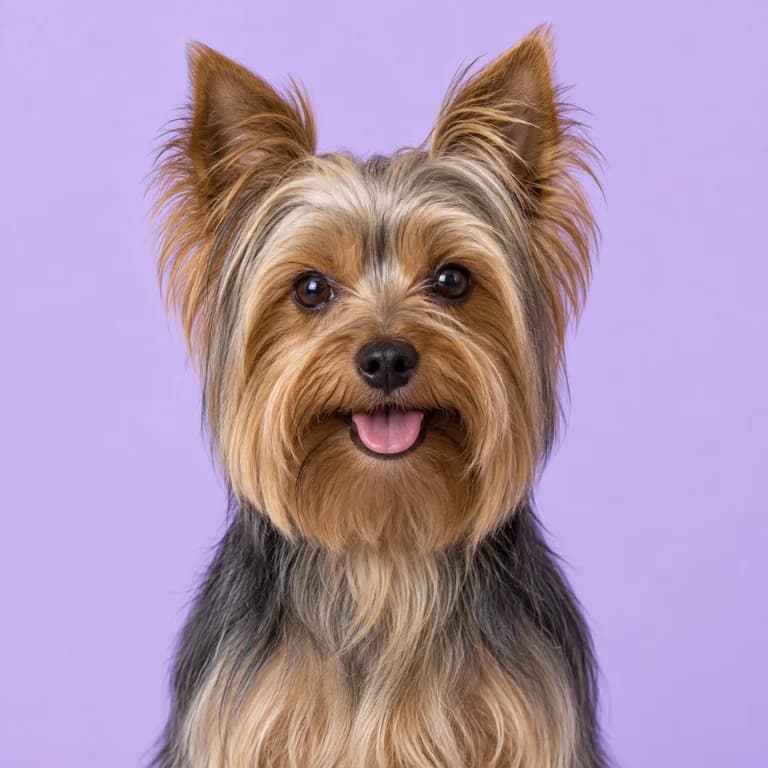
Original AI-generated breed illustration
Weight
2 to 3 kg
4 to 7 lb
Height
18 to 23 cm
at the shoulder
Life expectancy
12 to 15 yrs
Activity estimate
60 to 90 min
editorial daily planning range
Adult-size estimate
10 months
approximate model input
Life with a Yorkshire Terrier
Nobody told the Yorkshire Terrier it was small. The breed came together in the industrial north of England during the 1800s, when Scottish weavers who had moved south for mill work brought their rough little terriers with them. Crossed with local dogs, those terriers became quick, fearless ratters that could squeeze into gaps behind looms and between sacks. The glamorous show coat came later, once Victorian ladies noticed how striking the dogs looked with long, parted hair.
That working past still shows up every day. A Yorkie will chase a leaf across the garden with total seriousness, patrol the window for delivery drivers and square up to a dog many times its weight. Inside the home it is usually devoted, curious and funny, often choosing one person as its favorite and following them from room to room.
Living with one is easy in terms of space and hard in terms of vigilance. Stairs, sofas and small children all pose real risks to a dog that may weigh less than a bag of sugar. On the other hand, a Yorkie fits into city flats, travels well in a carrier and is content with shorter walks than most terriers, provided it gets enough to do and think about at home.
What stands out
Training
Yorkies learn quickly when there is a reward in it for them, and they lose interest fast when there is not. Keep sessions to five minutes, use tiny treats and end while the dog is still keen. Tricks such as spin, wave and go to bed are a good outlet for a busy mind, and they build a habit of listening.
Read the full training guideEasy to train
Open with strangers
Good with other dogs
A great match for
- apartment living with an attentive owner
- adults and families with older, gentle children
- people who want a portable but spirited companion
- owners happy to brush or book regular trims
Think twice if
- fragile enough to be hurt by a fall or a rough toddler
- slow, stubborn house training
- persistent alarm barking
- crowded teeth that build tartar fast
- feels the cold on winter walks
Personality and needs at a glance
Living together
Good with children
Good with other dogs
Open with strangers
Apartment friendly
Copes with alone time
Energy and character
Energy level
Playfulness
Easy to train
Barking
5 means very vocal
Care and climate
Grooming needs
Shedding
Drooling
Handles cold
Handles heat
How much a Yorkshire Terrier eats
Illustrative calculations for neutered adults at midpoint breed weights, with food at 370 kcal per 100 g and 100 g per cup. These are not measured breed requirements. Use actual weight, the food label and veterinary body-condition advice.
| Dog | Weight | Calories | Dry food |
|---|---|---|---|
| Female, relaxed lifestyle | 3 kg | 190 kcal | 55 g (0.5 cups) |
| Female, typical pet | 3 kg | 220 kcal | 60 g (0.5 cups) |
| Male, typical pet | 3 kg | 220 kcal | 60 g (0.5 cups) |
| Male, very active | 3 kg | 280 kcal | 75 g (0.8 cups) |
Care guides for the Yorkshire Terrier
Things owners are often surprised by
- 1The breed standard caps adult weight at 3.2 kg (7 lb), and many pets sit between 2 and 3 kg.
- 2Puppies are born black and tan; the adult steel blue and gold usually settles between one and three years of age.
- 3The coat is hair rather than fur, so it keeps growing and sheds very little onto furniture.
- 4Developed in 19th-century Yorkshire and Lancashire, partly to kill rats in textile mills and coal pits.
- 5A dog called Huddersfield Ben, born in 1865, is often credited as the foundation sire of the modern breed.
Yorkshire Terrier questions
Do Yorkshire Terriers shed?
Very little. Yorkies grow hair rather than a double coat, so it lengthens steadily and individual strands drop out gradually instead of in seasonal waves. You will find far less on the sofa than with a Labrador. That does not make them allergy proof, because allergens come from skin and saliva too, but many people with mild allergies cope well. Regular brushing still matters, since loose hair tangles into the coat rather than falling away.
Why is my Yorkie puppy black instead of blue and gold?
That is normal. Yorkie puppies are born mostly black with tan points, and the black gradually clears to steel blue while the tan brightens to gold. The change often starts around six months and can take until two or three years to finish. Some dogs end up darker than others, and a short pet clip can make the shift look faster or patchier. Nothing is wrong with a slow-changing puppy.
Are Yorkies good with small children?
They can love children, but toddlers and Yorkies are a risky mix. A dog weighing 2 to 3 kg can break a leg if dropped, sat on or squeezed, and a frightened Yorkie may snap. Homes with children over about seven who can sit on the floor to hold the dog are a better fit. Whatever the age, supervise play and give the dog a quiet place to retreat to.
What is a teacup Yorkie?
Teacup is a sales label, not a recognized size or variety. It usually describes dogs bred or selected to be well under the standard, sometimes below 1.5 kg as adults. Very tiny dogs tend to have more trouble with low blood sugar, fragile bones, dental crowding and other health problems. If you are offered a teacup puppy, ask to see both parents, their weights and health checks, and be wary of a premium price for smallness.
Should I keep my Yorkie's coat long or cut it short?
Choose based on your time. A full-length coat looks spectacular but needs daily brushing, frequent baths and often wrapping to stop breakage. Most pet owners pick a puppy cut, a short even trim of around 2 to 4 cm, done every six to eight weeks. It is easier to keep clean, dries quickly after walks and makes it simpler to spot skin problems or grass seeds.
Popular answers for owners
- Puppy feeding and growthWhy does my puppy look thin during a growth spurt?
- Grooming and coatWhat happens at a typical dog grooming appointment?
- Grooming and coatCan I use baby wipes to clean my dog between baths?
- Grooming and coatWhy is my puppy's coat changing color?
- How much to feedHow should I split my dog's daily food between two meals?
- Exercise and playWhat toys are safest for a dog that swallows things?
Breeds you might compare
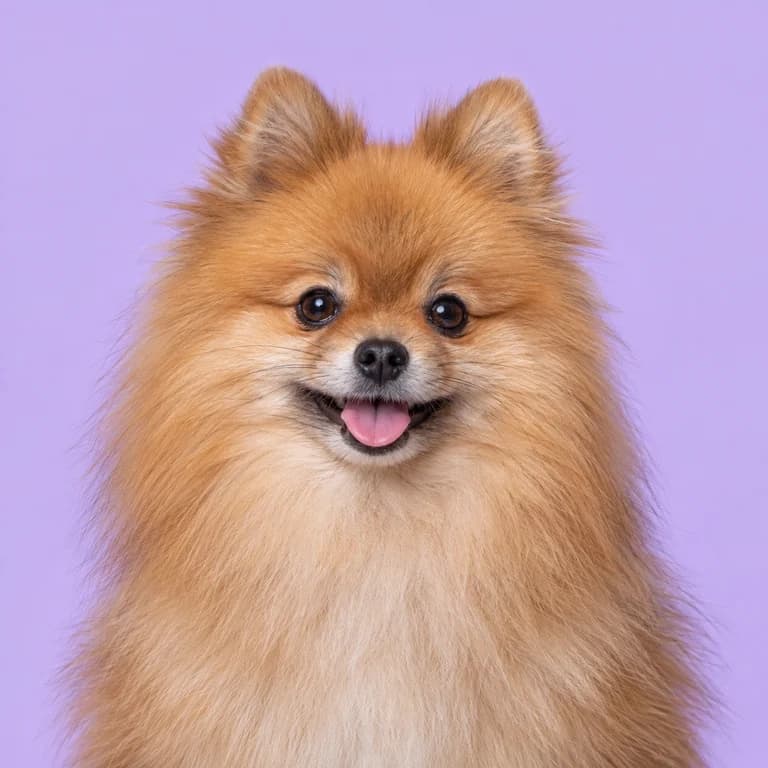
Toy group
Pomeranian
2 to 3 kg · 12 to 16 years
A spitz shrunk to under 3 kg that still carries itself like the biggest animal in the room.
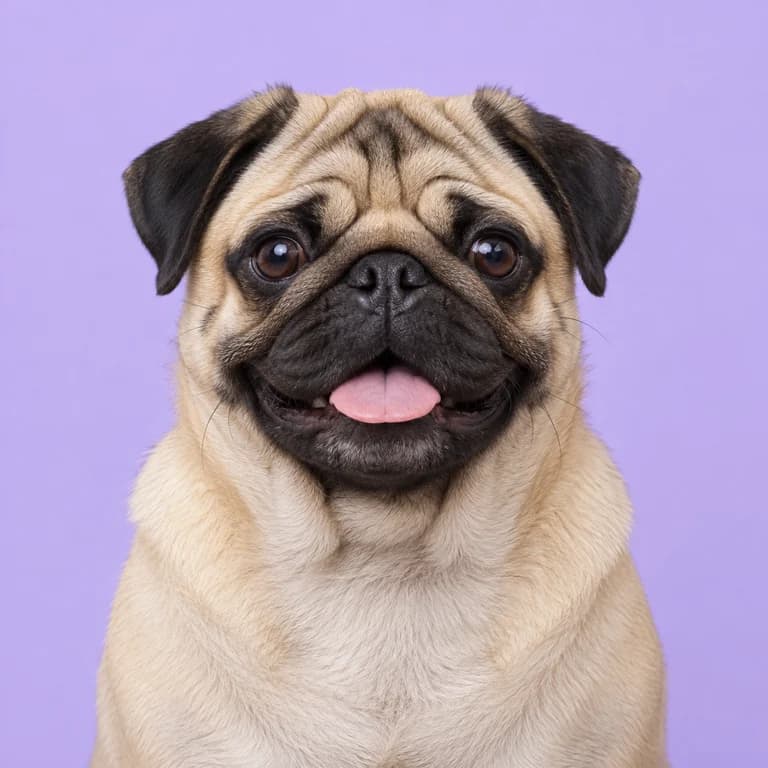
Toy group
Pug
6 to 9 kg · 12 to 14 years
A compact comedian from imperial China whose flat face shapes almost every part of daily care.
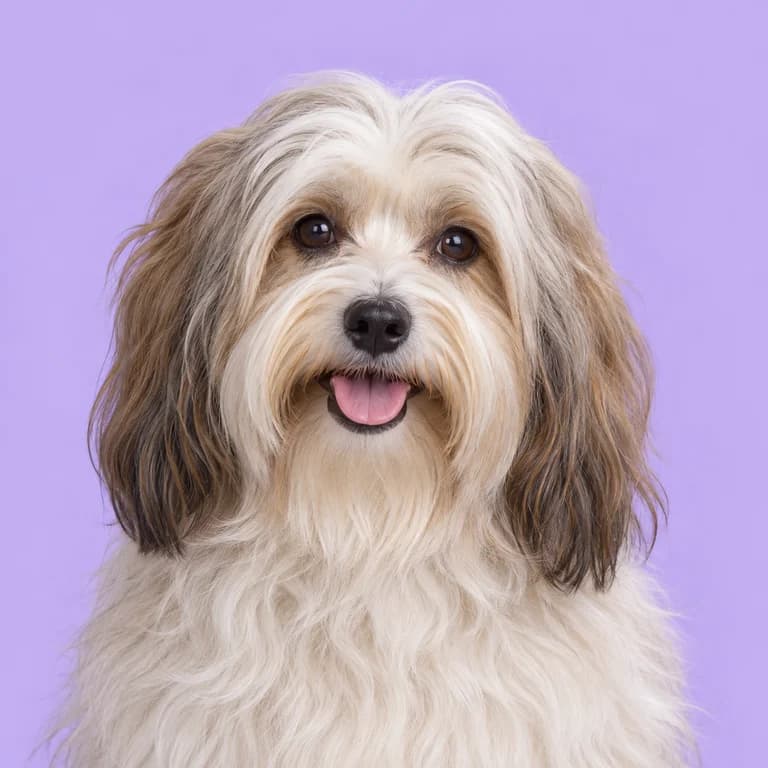
Toy group
Havanese
3 to 6 kg · 14 to 16 years
Cuba's national dog, a cheerful little shadow that treats every room you enter as the place to be.
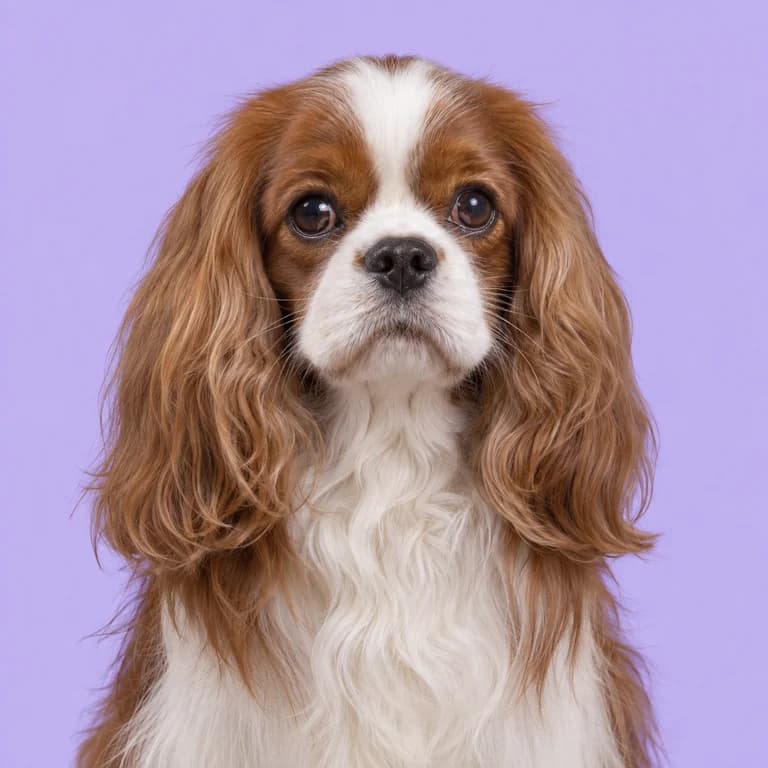
Toy group
English Toy Spaniel
4 to 6 kg · 10 to 12 years
A compact, flat-faced royal lapdog that fits in your arms and carries centuries of court history.
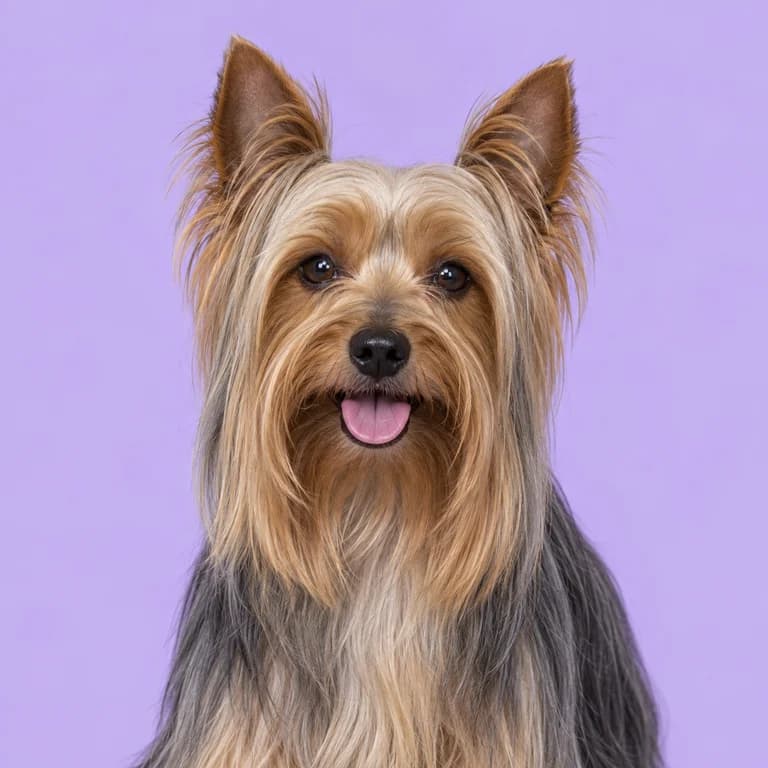
Toy group
Silky Terrier
4 to 5 kg · 13 to 15 years
A true terrier in a toy-sized body, dressed in blue and tan silk and still keen to catch a rat.
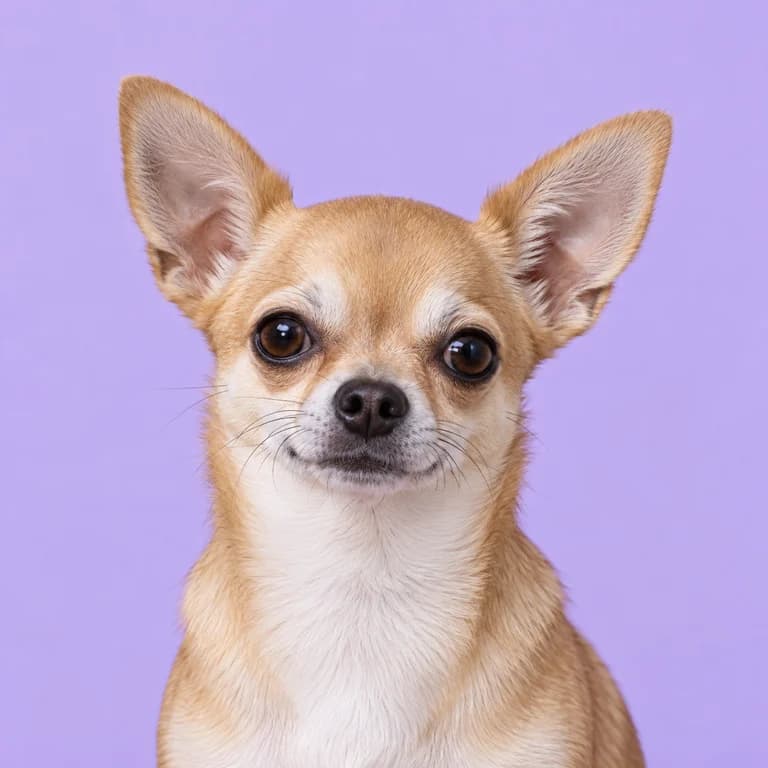
Toy group
Chihuahua
2 to 3 kg · 14 to 17 years
The smallest recognized breed in the world, carrying the confidence and opinions of a much larger dog.