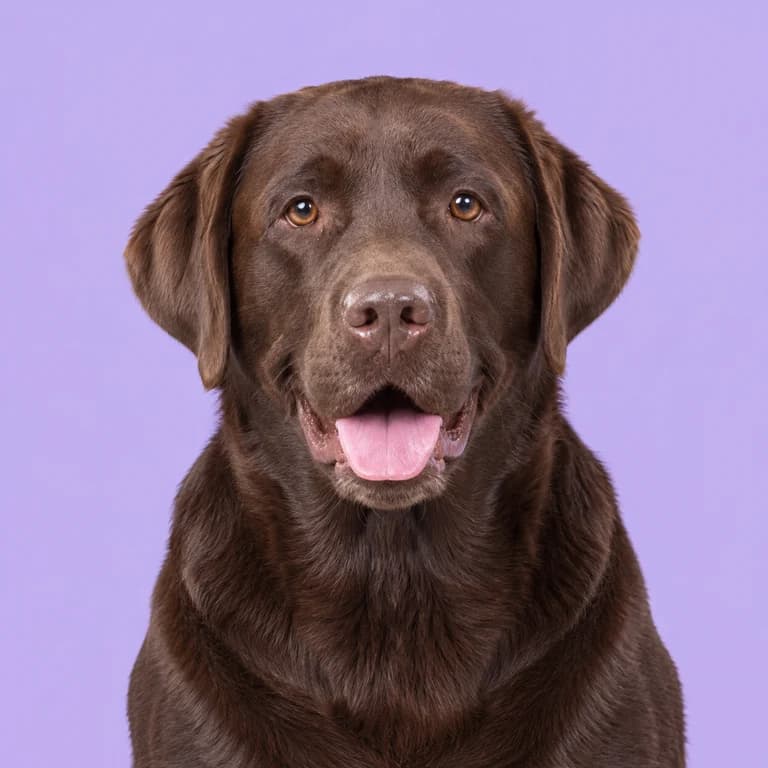
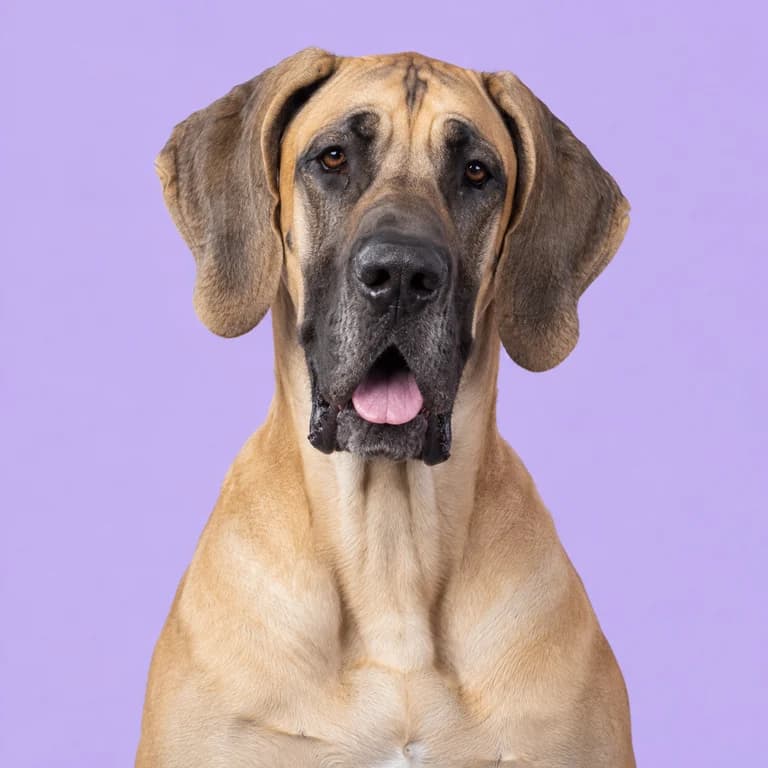
Dogs are usually considered senior somewhere between 6 and 10 years old depending on size, since larger breeds age faster and reach their senior years earlier than small ones. A 7 year old Great Dane is genuinely elderly, while a 7 year old Chihuahua is often still closer to middle age. What changes is rarely dramatic day to day: slightly slower on stairs, a little more sleep, greyer fur around the muzzle, a bit less enthusiasm for the second lap of the park.
The goal of senior care is not to wrap an older dog in cotton wool but to notice these gradual shifts early and adjust food, exercise, comfort and monitoring to match, so the last third of a dog's life stays comfortable and active for as long as possible.
When to start thinking of your dog as a senior
Toy and small breeds (under 10 kg / 22 lb) are typically considered senior from around 10 to 12 years old, medium breeds (10 to 25 kg / 22 to 55 lb) from around 8 to 10 years, large breeds (25 to 45 kg / 55 to 99 lb) from around 6 to 8 years, and giant breeds (over 45 kg / 99 lb) from as early as 5 to 6 years. These are general guides rather than exact cutoffs, and an annual senior wellness check with a vet from these ages onward catches changes earlier than waiting for obvious symptoms.
Adjust food before weight or muscle mass drifts
Many senior dogs need fewer calories than they did in their prime because activity naturally drops, but they still need enough good quality protein to protect muscle mass, which otherwise erodes with age even at a stable weight. Rather than switching brands reflexively at a certain birthday, track body condition by feeling the ribs monthly (you should feel them easily under a thin layer of fat) and adjust portion size in small steps of around 10 percent if weight is trending up or down over several weeks.
Dogs with stiffer joints or dental wear often do better with slightly smaller, more frequent meals, and a raised bowl can reduce the strain of bending down repeatedly for dogs with neck or shoulder arthritis, though it is not necessary for every senior dog.
Keep exercise going, just shorter and gentler
Reducing exercise too far is one of the most common mistakes with older dogs, since moderate regular movement helps maintain joint mobility, muscle strength and a healthy weight, all of which protect against further joint problems. Two or three shorter walks (10 to 20 minutes) usually suit an aging joint better than one long outing, and swimming or slow, flat walking on grass is gentler than repeated stairs or jumping in and out of a car.
Watch for stiffness that is worse after rest and eases into movement, which is common and usually manageable, versus a dog that is reluctant to move at all or limps consistently on one leg, which is worth a vet visit rather than assuming it will pass.
- Split one long walk into two or three shorter ones
- Favor flat grass or soft ground over concrete or gravel
- Add a ramp or steps for the car and any furniture your dog still uses
- Warm up with a slow first five minutes before faster movement
Make the home easier to navigate
Non slip mats or runners on hard floors help dogs with weaker back legs avoid the slips that can lead to a fall, particularly around food and water bowls, doorways and the base of stairs. Orthopedic bedding with real support, not just a soft cushion, reduces pressure on hips and elbows during the long hours older dogs spend resting.
If your dog's hearing or eyesight is fading, keep furniture in the same place, use a consistent hand signal alongside verbal cues, and add a small night light near their sleeping area so a trip to the water bowl at 3am does not mean navigating in total darkness.
Track the changes that matter with a simple log
Weight, water intake, appetite, stiffness, and any new lumps are easy to lose track of when changes happen slowly over months. A short monthly note (even a phone photo of your dog standing side on, plus a line about how the walk went) makes it far easier to describe a real trend to a vet instead of a vague impression.
| What to check monthly | What a real change looks like |
|---|---|
| Weight (hands on ribs) | Ribs harder or easier to feel than last month |
| Water intake | Noticeably more or less than usual for several days |
| Stairs and getting up | New hesitation, slower, or needing help |
| Skin and coat | New lumps, bald patches, or dull coat |
Notice mental and behavioral changes too
Aging affects the brain as well as the body, and some older dogs gradually become more prone to disorientation in familiar rooms, changed sleep and wake patterns, staring at walls, or occasional lapses in house training after years of being reliable. These changes are usually slow and easy to miss day to day, which is another reason a monthly note or occasional video of your dog at home is genuinely useful rather than excessive.
A dog that suddenly seems anxious, restless at night, or less interested in family and toys they used to enjoy is worth discussing with a vet, since there are things that can help comfort and quality of life even when the underlying change cannot be reversed.
Know which signs need a vet, not just patience
Sudden lameness, a lump that grows over a few weeks, noticeably increased drinking or urination, vomiting or loose stools lasting more than a day, confusion or disorientation, or a rapid, unexplained drop in weight are all worth a prompt vet visit rather than a wait and see approach. Gradual, mild changes such as a slightly greyer face or sleeping an extra hour a day are normal parts of aging and usually just worth mentioning at the next routine check.
Checklist
- Book an annual senior wellness check once your dog reaches the senior age range for their size
- Feel your dog's ribs monthly and adjust portions in small steps if weight is drifting
- Split long walks into two or three shorter, gentler ones
- Add non slip mats and a ramp or steps where your dog needs them
- Keep a simple monthly note on weight, water intake and mobility
- Treat sudden lameness, new lumps, or big changes in thirst or weight as reasons to call a vet promptly
Questions
At what age is a dog considered a senior?
It depends heavily on size. Small breeds are often not senior until 10 to 12 years old, medium breeds around 8 to 10, and large or giant breeds as early as 5 to 8 years. Vets typically use body size and breed rather than a single fixed age.
Should I switch my older dog to a senior food?
Not automatically. What matters more than the label is whether the food's protein and calorie content suits your dog's current activity level and body condition. Some active seniors do better staying on an adult formula with a smaller portion than switching to a lower calorie senior diet too early.
Is it normal for an older dog to sleep most of the day?
Increased sleep is common and usually normal, since older dogs tire more easily and often nap between short bursts of activity. A dog that is difficult to rouse, seems disoriented when awake, or has stopped engaging with normal routines is different from simply sleeping more and is worth discussing with a vet.
How do I know if my dog is in pain from arthritis?
Common signs include stiffness that is worse after rest, reluctance to jump or use stairs, slower to sit or lie down, and a change in gait or posture. Dogs rarely vocalize pain the way people expect, so behavior changes are usually the clearer signal, and a vet can assess mobility and discuss management options.