Sources for this article
Hound group · England
Beagle
Also called English Beagle
A merry pack hound whose nose makes most of its decisions, including the ones you would rather it didn't.
The Beagle was bred to follow rabbit scent for hours alongside a pack, and that job still explains almost everything about it: the friendliness, the voice, the appetite and the selective hearing. It is compact, sturdy and easy to groom, but it suits an owner who plans training around its nose rather than against it.
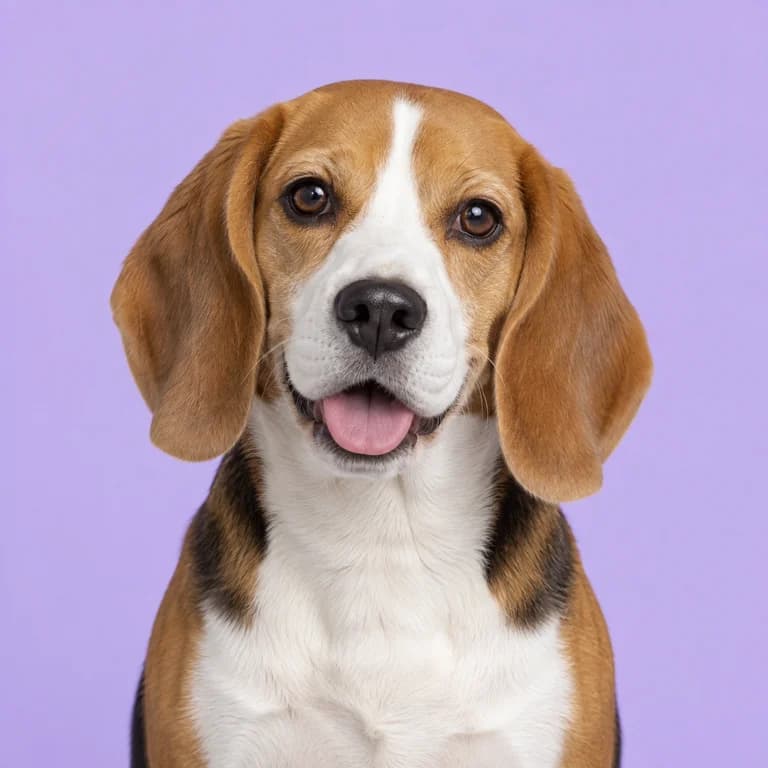
Original AI-generated breed illustration
Weight
9 to 13 kg
20 to 29 lb
Height
33 to 41 cm
at the shoulder
Life expectancy
12 to 15 yrs
Activity estimate
90 to 120 min
editorial daily planning range
Adult-size estimate
12 months
approximate model input
Life with a Beagle
Hunters in England kept packs of small scent hounds for hare and rabbit long before anyone wrote a breed standard. The modern Beagle took shape in the 1830s and 1840s, when breeders such as the Reverend Phillip Honeywood in Essex selected hounds that could hold a steady pace over rough country while the hunt followed on foot. Working in a group for generations is the reason most Beagles are cheerful with other dogs and have little interest in guarding anything.
Living with one, you notice the nose first. A Beagle on a walk reads the ground the way you might read a newspaper, slowly and thoroughly, and once it finds something interesting it can go completely deaf to you. This is not stubbornness in the usual sense. The dog was selected to ignore distractions, human voices included, and to keep working a line until it ends.
Indoors they are affectionate, sociable and often comical, with a keen interest in whatever you happen to be eating. Most get along with children, visitors and cats they were raised with, which makes them poor watchdogs but easy company. The usual complaints from owners are noise, escapes under fences, and the way a bored Beagle turns into a skilled burglar of kitchen bins.
What stands out
Training
Beagles learn quickly when food is involved and slowly when it is not. Sessions of five to ten minutes, small tasty rewards and lots of repetition get results, while harsh corrections make them switch off entirely. They respond best to games where the right answer pays instantly, and many take happily to nosework, rally or scent detection classes.
Read the full training guideEasy to train
Open with strangers
Good with other dogs
A great match for
- active families with school-age children
- homes with another dog for company
- owners who enjoy slow, sniffy country walks
- people who want a short, low-fuss coat
Think twice if
- recall that fails once a scent takes over
- loud baying that carries through shared walls
- raids counters, handbags and bins
- gains weight quickly on generous portions
- finds long days alone hard
Personality and needs at a glance
Living together
Good with children
Good with other dogs
Open with strangers
Apartment friendly
Copes with alone time
Energy and character
Energy level
Playfulness
Easy to train
Barking
5 means very vocal
Care and climate
Grooming needs
Shedding
Drooling
Handles cold
Handles heat
How much a Beagle eats
Illustrative calculations for neutered adults at midpoint breed weights, with food at 370 kcal per 100 g and 100 g per cup. These are not measured breed requirements. Use actual weight, the food label and veterinary body-condition advice.
| Dog | Weight | Calories | Dry food |
|---|---|---|---|
| Female, relaxed lifestyle | 11 kg | 570 kcal | 155 g (1.5 cups) |
| Female, typical pet | 11 kg | 650 kcal | 175 g (1.8 cups) |
| Male, typical pet | 12 kg | 700 kcal | 190 g (2 cups) |
| Male, very active | 12 kg | 870 kcal | 235 g (2.3 cups) |
Care guides for the Beagle
Things owners are often surprised by
- 1In the US the breed is shown in two height varieties: under 33 cm (13 in) and 33 to 38 cm (13 to 15 in).
- 2US customs officers have used Beagles since 1984 to sniff out banned meat and fruit in airport luggage.
- 3Traditional packs were followed on foot rather than on horseback, so the breed is built for stamina, not speed.
- 4The white tip on the tail, known as the flag, was valued because hunters could spot it above long grass.
- 5Beagles have three distinct sounds: an ordinary bark, a howl, and the half-yodel bay they use on a trail.
Beagle questions
Why do Beagles howl so much?
Baying is part of the breed's original job. Pack hounds used their voices to tell hunters on foot where the trail was heading. Most Beagles bay when they catch a scent, when excited, or when left alone. More exercise, puzzle feeding and gradual alone-time practice reduce it, but a truly quiet Beagle is rare, so think about neighbors on the other side of a shared wall.
Can a Beagle ever be trusted off lead?
Some can in enclosed spaces, but very few are reliable in open country. The breed was selected to follow a trail without looking back, so a strong scent can override months of good training. Use a long line where there is no fence, keep practicing recall throughout the dog's life, and let it run free only where a barrier would stop it if the nose takes charge.
Are Beagles good with cats?
Many are, especially when raised with a cat from puppyhood. Beagles hunted rabbits by scent rather than by sight, so their interest in a familiar household cat is usually mild. Introduce them slowly and supervise until things are settled. Put the cat's food and litter tray somewhere the dog cannot reach, because most Beagles will happily raid both.
What is a pocket Beagle?
Historically the term described tiny hounds said to fit in a saddlebag during Elizabethan times. Today it is a sales label rather than a recognized variety. Dogs advertised as pocket Beagles are often bred for extreme smallness, which can bring dental, joint and other problems. If you want a smaller Beagle, look for the under 33 cm (13 in) variety from a breeder who health tests.
How long can a Beagle be left alone?
Most adults cope with three to four hours once they have been taught gradually, but long workdays are hard on a pack breed. Loneliness tends to show up as baying, chewing and escape attempts. A midday walker, a second dog or a stuffed food toy left on departure can help. Build alone time in small steps from puppyhood rather than starting with a full day.
Popular answers for owners
- Puppy feeding and growthWhat happens if I switch my puppy to adult food too early?
- Bowls and feeding gearDo stainless steel bowls rust?
- Puppy feeding and growthWhat size kibble is right for a small breed puppy?
- Grooming and coatWhat is a mat splitter and is it safe to use at home?
- Puppy feeding and growthHow do I stop one puppy in a litter from eating the other's food?
- Puppy feeding and growthHow much should a 12 month old puppy eat?
Breeds you might compare
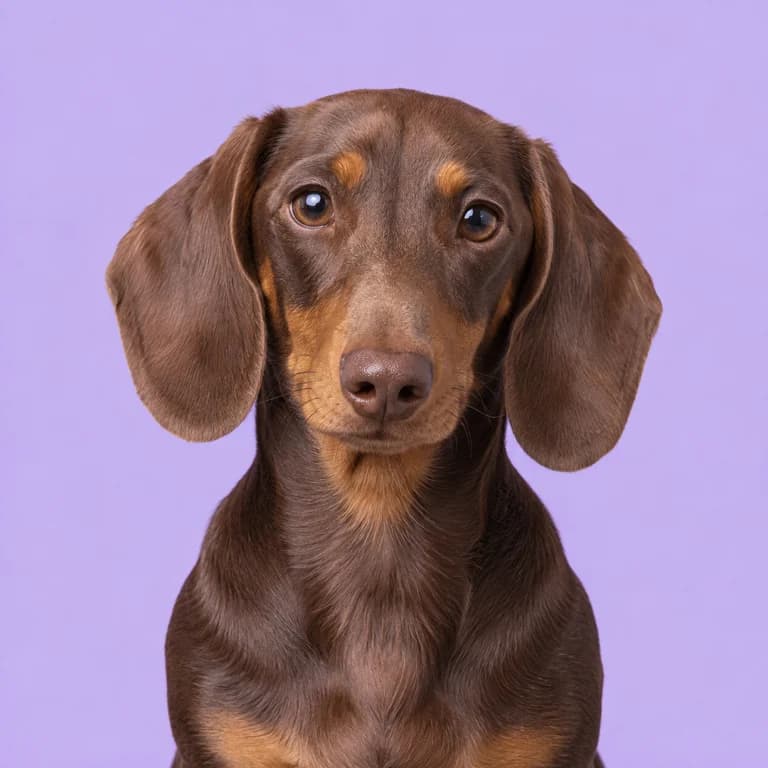
Hound group
Dachshund
7 to 13 kg · 12 to 16 years
A badger hunter shrunk to lap size, with a long spine that shapes almost every care decision you make.
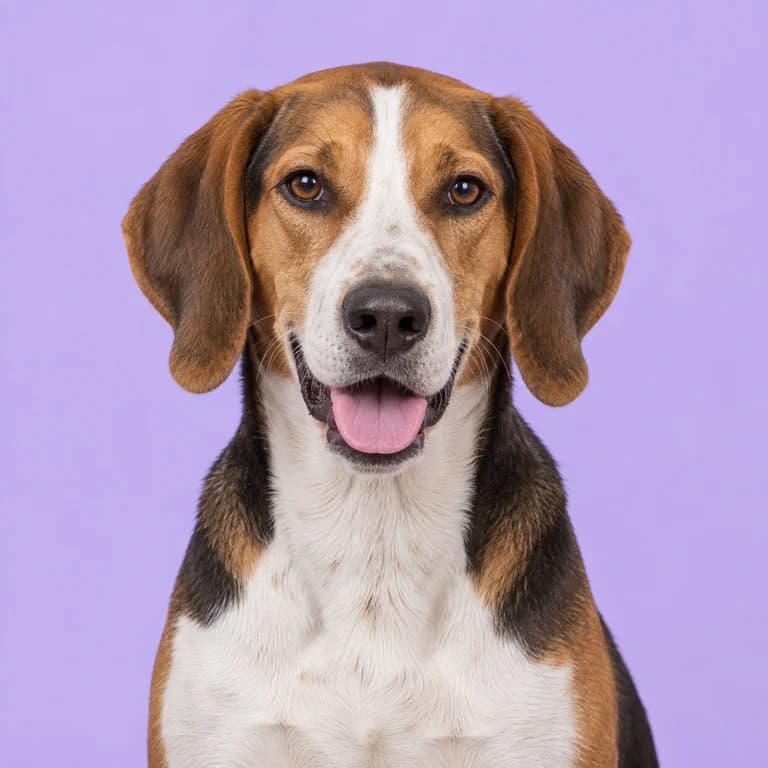
Hound group
Harrier
20 to 27 kg · 12 to 15 years
A pack hound bred to hunt hare on foot, bigger than a Beagle and more sociable than most dogs you will meet.
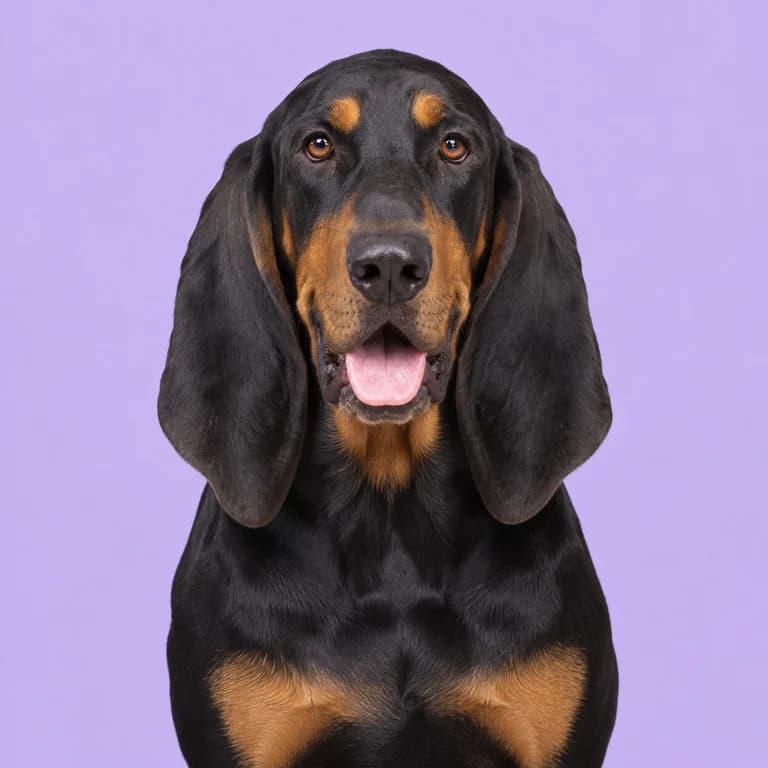
Hound group
Black and Tan Coonhound
25 to 45 kg · 10 to 12 years
Mellow and sociable on the sofa, but outdoors a single raccoon scent turns it into a baying tracker.
Terrier group
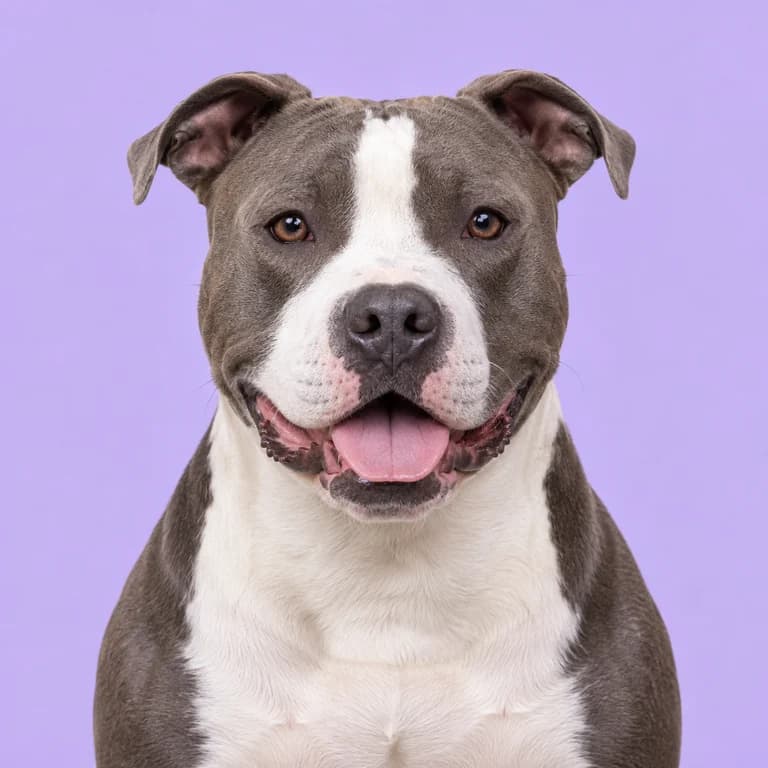
American Staffordshire Terrier
18 to 32 kg · 12 to 15 years
A muscular clown with a soft spot for people, happiest leaning on you or chewing something built to survive it.
Hound group
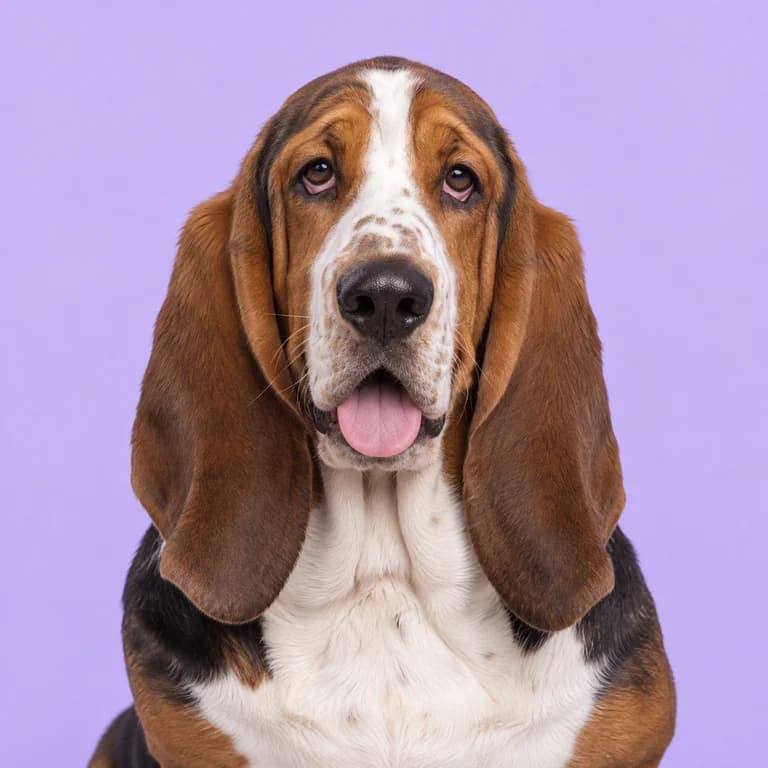
Basset Hound
20 to 29 kg · 10 to 12 years
A scent hound nearly as heavy as a Labrador, built on legs barely 35 cm tall.
Crossbreed
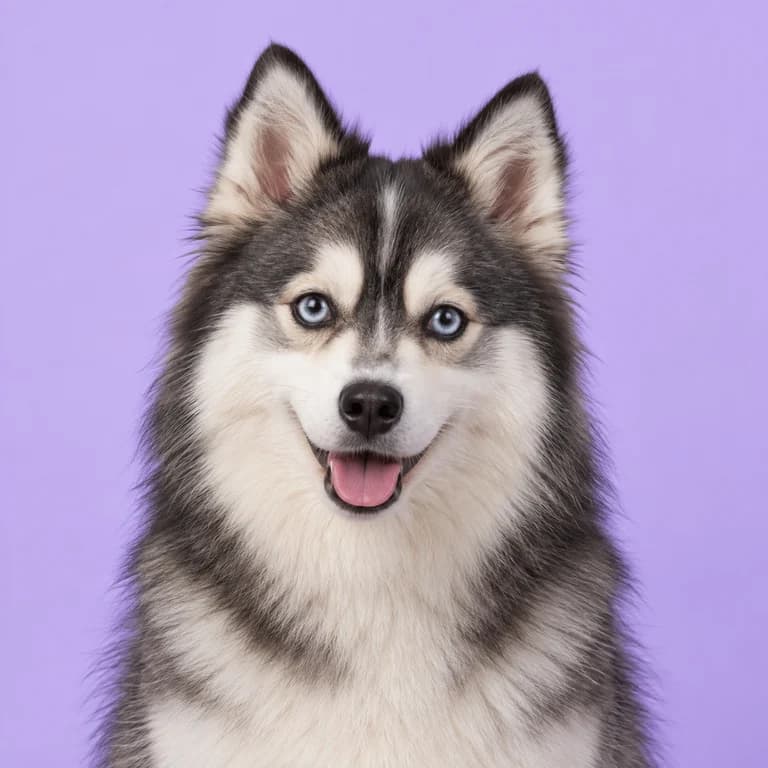
Pomsky
7 to 14 kg · 12 to 15 years
A Husky look in a smaller package, with size and personality that vary more than many buyers expect.