Sources for this article
Sporting group · Scotland
Golden Retriever
Also called Golden, Goldie
A soft-mouthed Scottish gundog that treats every visitor as a friend and every sock as a gift.
Goldens were bred in the Scottish Highlands to fetch shot birds from cold water without marking them, and that gentle, cooperative streak still defines the breed. Expect a sociable, food-motivated dog that learns fast, sheds a lot and stays puppyish until about three.

Original AI-generated breed illustration
Weight
25 to 34 kg
55 to 75 lb
Height
51 to 61 cm
at the shoulder
Life expectancy
10 to 12 yrs
Activity estimate
90 to 120 min
editorial daily planning range
Adult-size estimate
18 months
approximate model input
Life with a Golden Retriever
Picture a dog that greets a burglar with a slipper in its mouth and you have the Golden Retriever's reputation in one scene. The breed is famously short on suspicion. Most Goldens assume strangers are friends they have not met yet, which makes them poor guard dogs and superb companions for busy, sociable households.
The story starts on Lord Tweedmouth's Guisachan estate in the Highlands. In 1868 he paired a yellow wavy-coated retriever called Nous with Belle, a Tweed Water Spaniel, a now-vanished type known for tight liver curls and a love of icy rivers. Over the following decades he added Irish Setter, more water spaniel and a little Bloodhound, aiming for a dog that could swim hard, mark where a bird fell and bring it back unmarked. The Kennel Club first listed them as 'Yellow or Golden' retrievers in 1913.
That working brief explains most of what you will live with. Goldens want a job, and if you do not give them one they invent it: carrying shoes around the house, presenting you with the TV remote, fetching the same ball forty times in a row. They are sensitive to tone, bond with the whole family rather than one person, and mature slowly. Many owners say their dog behaves like a teenager until the third birthday.
Two broad types exist. Field lines, bred for working trials, tend to be lighter framed, darker gold and more intense. Show lines are heavier boned, often paler, and usually calmer indoors. Ask a breeder which type they produce, because the daily energy bill differs noticeably.
What stands out
Training
Few breeds are easier to teach. Goldens read your body language closely and repeat anything that earns food, praise or a toy, which is why they fill so many guide dog and assistance programs. With a young dog, short sessions of five to ten minutes, several times a day, beat one long lesson.
Read the full training guideEasy to train
Open with strangers
Good with other dogs
A great match for
- active families with children of any age
- first-time owners willing to train daily
- homes with other dogs or cats
- people who enjoy swimming, hiking and retrieving games
- therapy and assistance work
Think twice if
- sheds all year with two heavier seasons
- gains weight easily on generous portions
- struggles with long workdays alone
- carries and chews anything left at mouth height
- higher than average cancer rates in the breed
Personality and needs at a glance
Living together
Good with children
Good with other dogs
Open with strangers
Apartment friendly
Copes with alone time
Energy and character
Energy level
Playfulness
Easy to train
Barking
5 means very vocal
Care and climate
Grooming needs
Shedding
Drooling
Handles cold
Handles heat
How much a Golden Retriever eats
Illustrative calculations for neutered adults at midpoint breed weights, with food at 370 kcal per 100 g and 100 g per cup. These are not measured breed requirements. Use actual weight, the food label and veterinary body-condition advice.
| Dog | Weight | Calories | Dry food |
|---|---|---|---|
| Female, relaxed lifestyle | 29 kg | 1210 kcal | 325 g (3.3 cups) |
| Female, typical pet | 29 kg | 1380 kcal | 375 g (3.8 cups) |
| Male, typical pet | 32 kg | 1510 kcal | 405 g (4 cups) |
| Male, very active | 32 kg | 1880 kcal | 510 g (5 cups) |
Care guides for the Golden Retriever
Things owners are often surprised by
- 1The breed began in 1868 when a yellow retriever called Nous was mated to a Tweed Water Spaniel named Belle at Guisachan, near Inverness.
- 2A soft mouth is part of the job: a well-bred Golden can carry a raw egg without cracking the shell.
- 3More than 3,000 American Goldens have been enrolled in a lifetime health study running since 2012.
- 4The color on the ear tips of a young puppy is often the best clue to its adult shade.
- 5Males usually weigh 30 to 34 kg (66 to 75 lb) and stand up to 61 cm (24 in) at the shoulder.
Golden Retriever questions
Do Golden Retrievers smell more than other dogs?
They can. The dense undercoat holds moisture, so a Golden that swims often or stays damp develops a musty wet-dog smell. Drying thoroughly after water, brushing out loose undercoat and washing bedding every week or two keep it under control. A strong, sour odor from the ears or skin is a different matter: it usually points to irritation and is worth showing to a vet.
At what age do Golden Retrievers calm down?
Most settle noticeably between two and three years, with show-bred dogs often calmer sooner than field-bred ones. Before that, expect zoomies, chewing and bouncy greetings even from a well-trained adolescent. Daily exercise, steady training and enough rest affect this far more than any single birthday, and many Goldens keep a playful streak well into their tenth year.
Are Golden Retrievers good with cats?
Usually, yes. Their low prey drive and soft temperament mean most Goldens accept a household cat readily, especially if they meet as a puppy. The risk is exuberance rather than aggression: a young dog may chase simply to play. Give the cat high escape routes, keep early meetings on a lead, and reward calm behavior whenever the cat is in the room.
What is the difference between an English Cream and an American Golden Retriever?
'English Cream' is a sales label for Goldens bred to the UK and European standard, which allows very pale coats and favors a broader head and heavier bone. American-type Goldens tend to be darker gold, leaner and slightly taller. Both are the same breed, and coat shade has no bearing on health or temperament. Be wary of breeders charging a premium for a pale color alone.
Can a Golden Retriever live in a flat?
It can work if you commit to proper exercise at least twice a day and have green space nearby. The bigger issues are size, shedding and time alone: a 30 kg dog in a small flat fills it with hair quickly, and Goldens left alone for eight hours often become noisy or destructive. A midday dog walker or a few days of daycare each week makes a real difference.
Popular answers for owners
- Puppy feeding and growthWhen should a puppy switch to adult food?
- Exercise and playWhat are the signs a dog has had too much exercise?
- Grooming and coatHow do I stop my dog's coat from matting?
- How much to feedHow much should I feed a 4kg dog?
- Bowls and feeding gearShould I use a raised mat under an elevated bowl?
- Grooming and coatCan you brush a dog too much?
Breeds you might compare
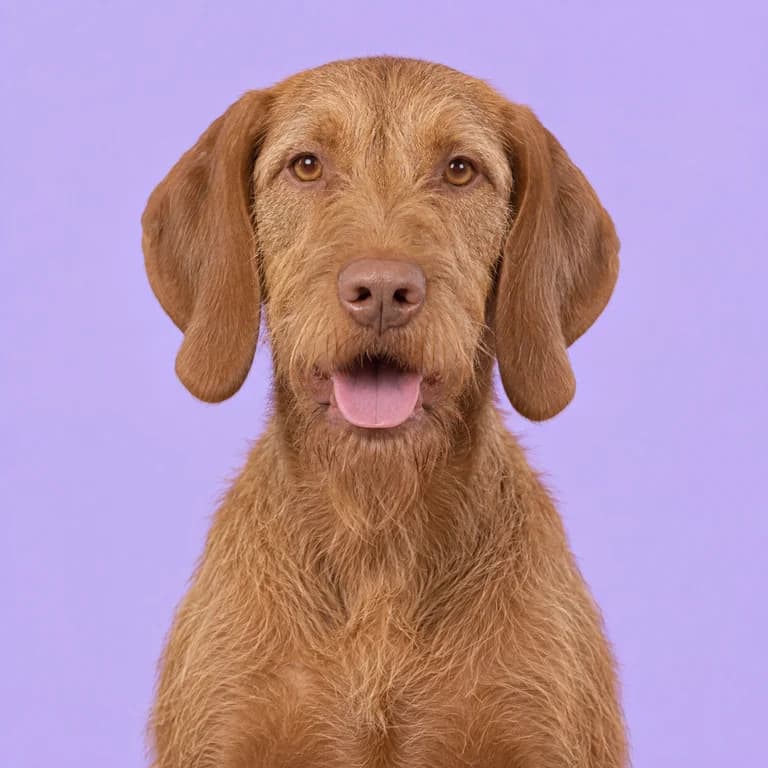
Sporting group
Wirehaired Vizsla
20 to 30 kg · 12 to 14 years
A Hungarian gun dog with a weatherproof beard, built to hunt all day in cold water and thick cover.
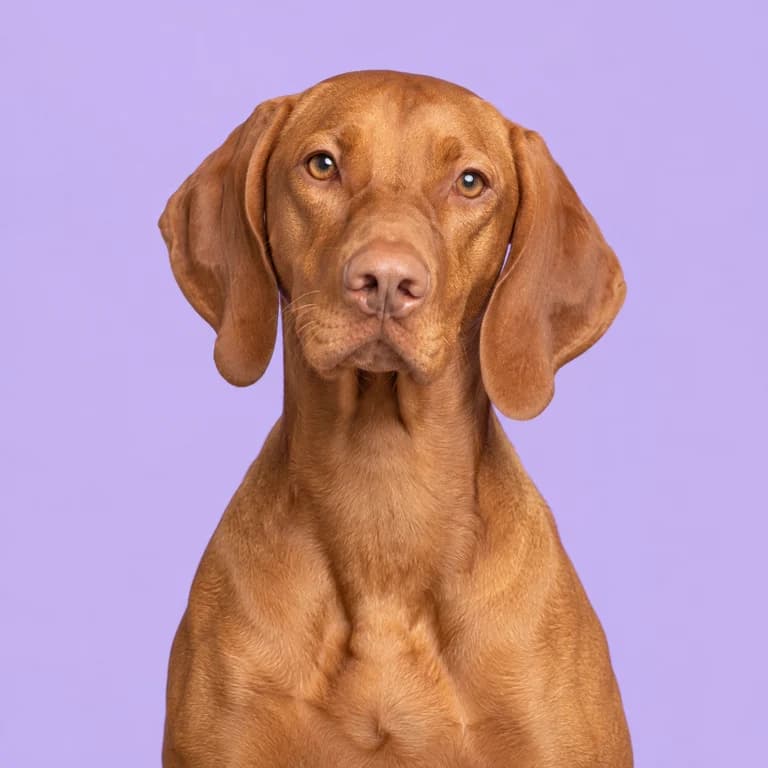
Sporting group
Vizsla
18 to 29 kg · 12 to 14 years
Hungary's golden-rust pointer: a lean athlete that wants miles of running, then a lap to finish on.
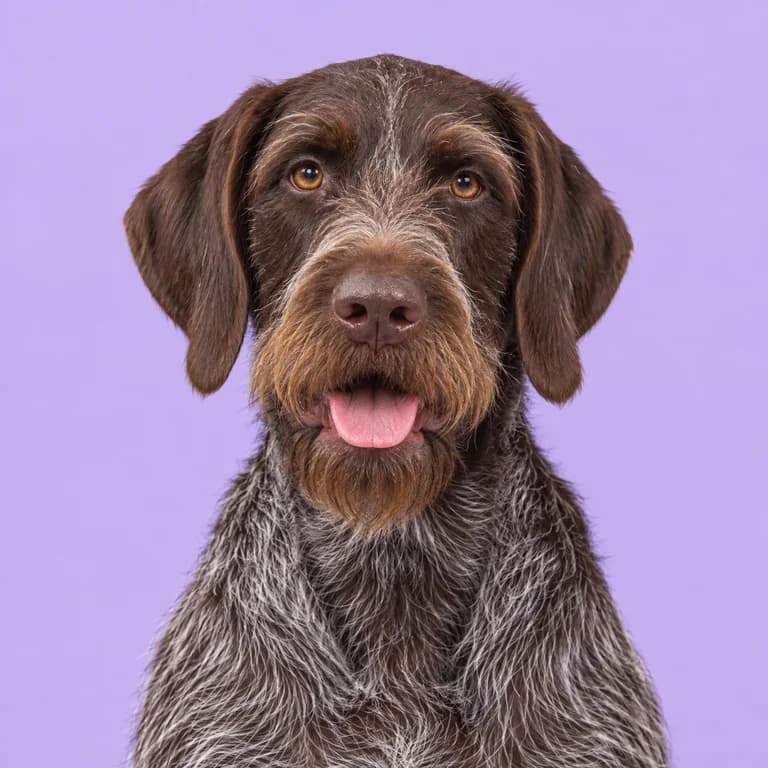
Sporting group
German Wirehaired Pointer
23 to 32 kg · 12 to 14 years
A bearded, weatherproof German hunting dog that thrives with a firm, fair trainer and a real job to do.
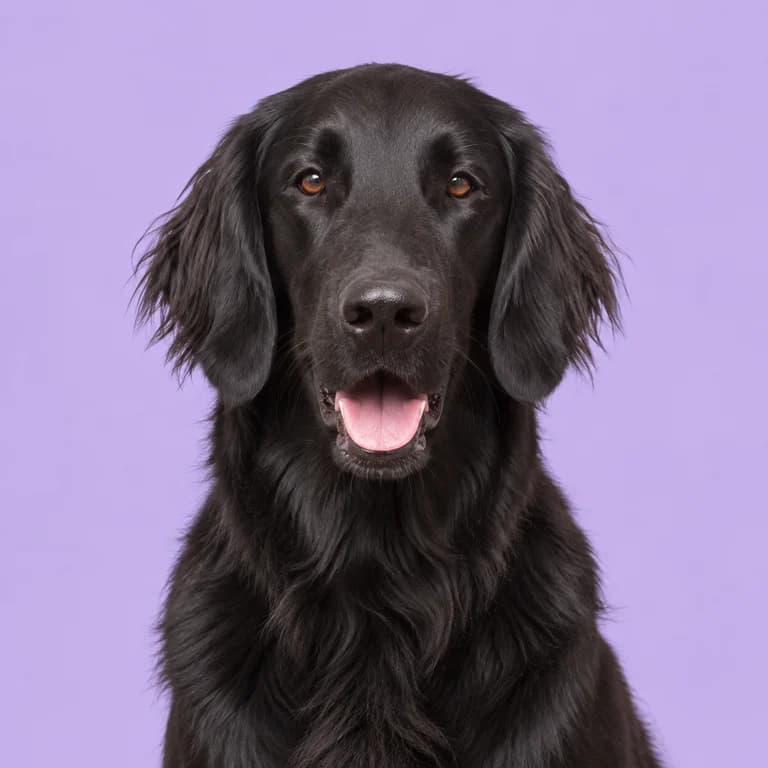
Sporting group
Flat-Coated Retriever
25 to 36 kg · 8 to 10 years
A glossy black gundog with a permanently wagging tail and a boyish enthusiasm that rarely fades.
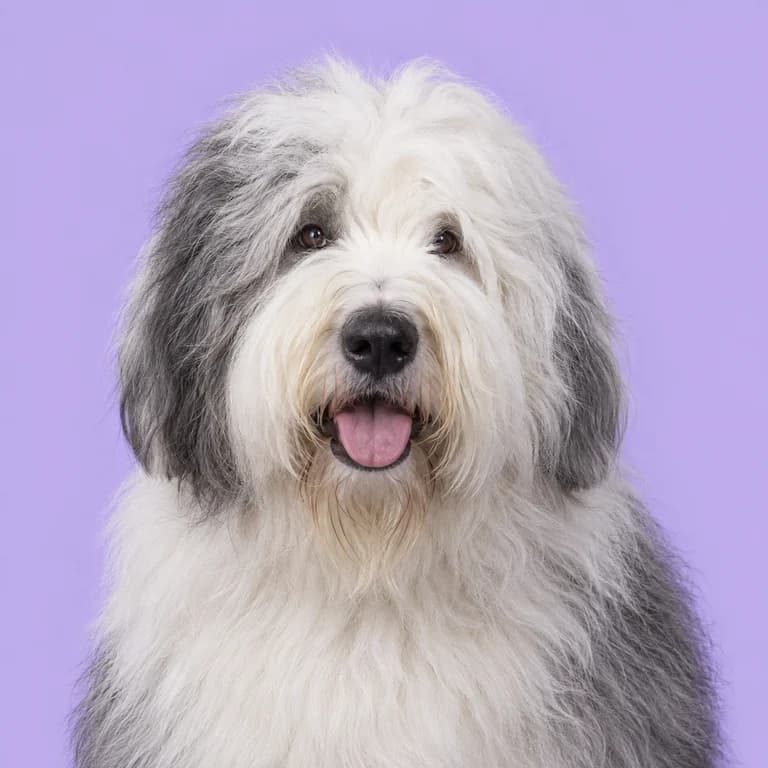
Herding group
Old English Sheepdog
27 to 45 kg · 10 to 12 years
A shaggy English drover with a rolling bear-like walk and a coat that asks for hours of your week.
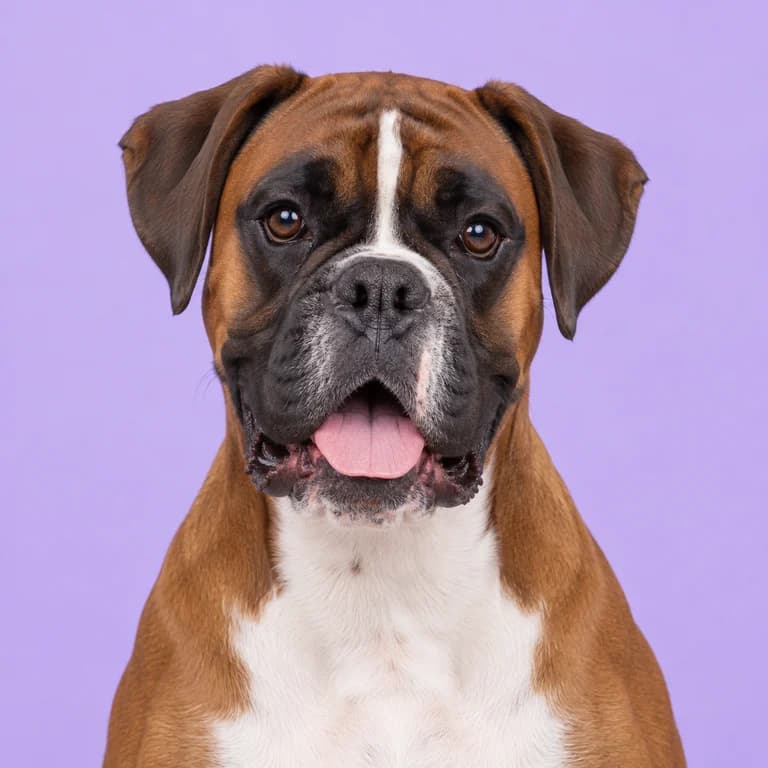
Working group
Boxer
25 to 36 kg · 10 to 12 years
A square, springy German guard dog that treats every morning like the start of a party.