Sources for this article
Hound group · Germany
Dachshund
Also called Doxie, Sausage Dog, Teckel, Dackel
A badger hunter shrunk to lap size, with a long spine that shapes almost every care decision you make.
The Dachshund was bred in Germany to follow badgers underground, and it still carries a hunter's nerve, a big bark and firm opinions about most things. Its long back and short legs are the breed's signature and its main weak point, so keeping your dog lean and fit matters more here than for almost any other breed.

Original AI-generated breed illustration
Weight
7 to 13 kg
15 to 29 lb
Height
20 to 27 cm
at the shoulder
Life expectancy
12 to 16 yrs
Activity estimate
60 to 90 min
editorial daily planning range
Adult-size estimate
12 months
approximate model input
Life with a Dachshund
German foresters and hunters shaped the Dachshund over several centuries into a dog that could track a badger by scent, squeeze down its tunnel and hold it at bay with noise and nerve. An adult badger can weigh 12 kg (26 lb) and fights hard, so the breed needed a deep chest for lung room, broad front paws for digging and a temperament that does not back down. Smaller dogs were later kept for rabbits and foxes, and that split is where today's standard and miniature sizes come from.
In the home, that past shows up as a dog that is bold, fiercely loyal to its own people and often suspicious of strangers. Many Dachshunds attach strongly to one person. They are clever but independent, which is a polite way of saying they will consider your request and then decide. Owners often describe wirehairs as the most terrier-like of the three coats and longhairs as the softest in manner, though the individual dog and its breeding line matter more than coat.
Size labels differ between countries, so they deserve a clear explanation. In the UK and US, a standard Dachshund usually weighs 7 to 14 kg (16 to 32 lb), while a miniature is ideally under about 5 kg (11 lb). The figures on this page describe the standard. The FCI system used across much of Europe sorts dogs by chest circumference instead: standard over 35 cm, miniature 30 to 35 cm and rabbit size under 30 cm.
Day to day, a Dachshund is compact, funny, happy to burrow under a blanket and tough enough for a long country walk. The trade-off is the spine. Its back is long and its discs age early, so your daily habits (weight, jumping, the way you lift the dog) count for more than they would with a Labrador.
What stands out
Health
Intervertebral disc disease (IVDD) is the main concern. Dachshunds carry the chondrodystrophy trait that gives them short legs, and their spinal discs can harden and fail early, most often between 3 and 7 years. Keeping your dog slim, well muscled and off high furniture are sensible habits, and some breeders in the UK and Scandinavia X-ray breeding dogs for disc calcification to lower the risk in their puppies.
Read the full health guideLife expectancy
12 to 16 yrs
Senior care
Individual assessment
age alone does not define care needs
A great match for
- apartment owners who can live with some barking
- adults and families with considerate older children
- people who enjoy a dog with strong opinions
- walkers who prefer steady 45-minute outings to running
Think twice if
- back injuries from jumping off furniture
- house training that can take many months
- loud, persistent alert barking
- rapid weight gain on extra treats
- digging in gardens and flower beds
Personality and needs at a glance
Living together
Good with children
Good with other dogs
Open with strangers
Apartment friendly
Copes with alone time
Energy and character
Energy level
Playfulness
Easy to train
Barking
5 means very vocal
Care and climate
Grooming needs
Shedding
Drooling
Handles cold
Handles heat
How much a Dachshund eats
Illustrative calculations for neutered adults at midpoint breed weights, with food at 370 kcal per 100 g and 100 g per cup. These are not measured breed requirements. Use actual weight, the food label and veterinary body-condition advice.
| Dog | Weight | Calories | Dry food |
|---|---|---|---|
| Female, relaxed lifestyle | 10 kg | 530 kcal | 145 g (1.5 cups) |
| Female, typical pet | 10 kg | 610 kcal | 165 g (1.8 cups) |
| Male, typical pet | 11 kg | 650 kcal | 175 g (1.8 cups) |
| Male, very active | 11 kg | 820 kcal | 220 g (2.3 cups) |
Care guides for the Dachshund
Things owners are often surprised by
- 1The name is German for badger dog: Dachs means badger and Hund means dog
- 2Comes in three coats (smooth, wirehaired, longhaired) and two main sizes, standard and miniature
- 3Back disc disease affects a large minority of the breed; estimates commonly range from about one in five to one in four dogs
- 4The FCI recognizes a third, smaller rabbit size (Kaninchen) that is measured by chest circumference, not weight
- 5The bark is deep and loud for the body, a trait kept on purpose so hunters could locate a dog underground
Dachshund questions
Should a Dachshund use stairs?
Short, occasional flights are generally fine for a fit adult, but many owners limit stairs and carry their dog up long ones, especially puppies and seniors. Jumping down from sofas and beds is the bigger worry, because landing loads the front of the spine. A ramp or low step for favorite furniture, taught early, is an easy habit that removes most of the daily jumping.
Are miniature Dachshunds healthier than standard Dachshunds?
Not in any clear way. Both sizes carry the gene behind the short legs and share a similar risk of back disc disease. Miniatures can have more dental crowding and are more easily hurt if dropped or stepped on. Weight control matters equally: a 5 kg miniature carrying an extra kilo is as overloaded as a 10 kg standard carrying an extra two.
Why does my Dachshund bark so much?
The breed was chosen for a loud voice, because hunters needed to hear the dog underground and dig down to it. Today that instinct fires at doorbells, delivery vans and falling leaves. You will not remove it, but you can reduce it: limit views onto the street, reward calm behavior when the doorbell rings and add daily scent games, which tire the brain more than walking does.
Can Dachshunds live with cats?
Many do, particularly when raised alongside a cat from puppyhood. Their prey drive targets small animals that run, so introductions should be slow, with the dog on a lead and the cat able to reach high places. Pet rabbits, guinea pigs and hamsters are a different matter; keep them securely separated, since the breed was literally developed to hunt rabbits.
Which Dachshund coat type is easiest to live with?
For grooming time, the smooth coat is simplest: a weekly rub with a mitt and the odd bath. Wirehairs need hand-stripping a few times a year but shed little in between and handle wet weather well. Longhairs need the most brushing to stop tangles. Breeders often mention temperament differences between coats, but the individual dog and its line matter more.
Popular answers for owners
- How much to feedHow much should I feed a 7kg dog?
- Puppy feeding and growthWhat is the difference between feeding a toy breed puppy and a giant breed puppy?
- Bowls and feeding gearCan an automatic feeder replace supervised mealtimes?
- How much to feedHow much should I feed a 13kg dog?
- Bowls and feeding gearCan the wrong bowl make a flat faced dog gag while eating?
- How much to feedMy dog has a rounded belly but the rest of the body looks lean, is that fat?
Breeds you might compare
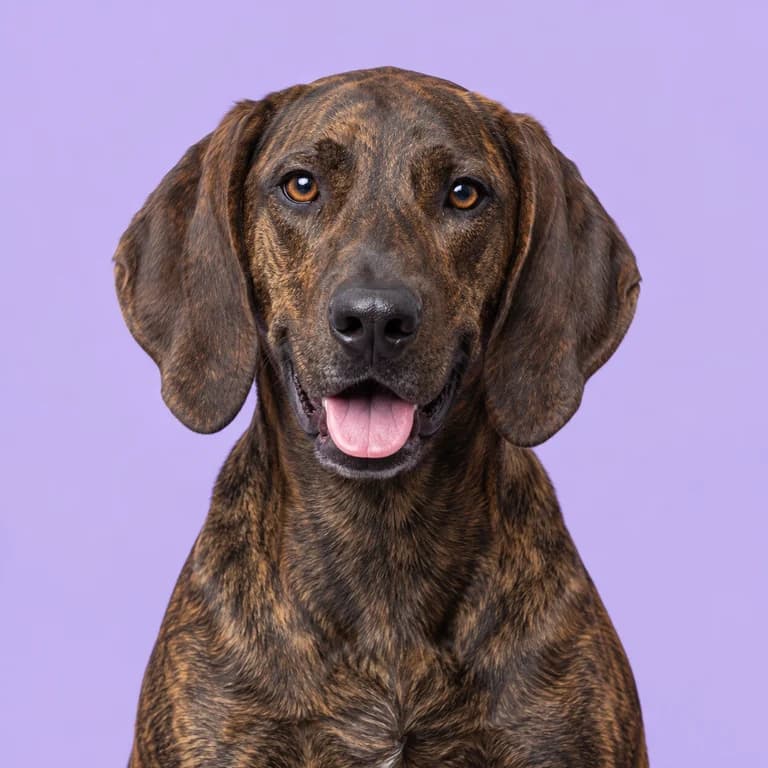
Hound group
Plott Hound
18 to 27 kg · 12 to 14 years
A brindle bear hound from the Great Smoky Mountains, built to trail all night and announce every find.
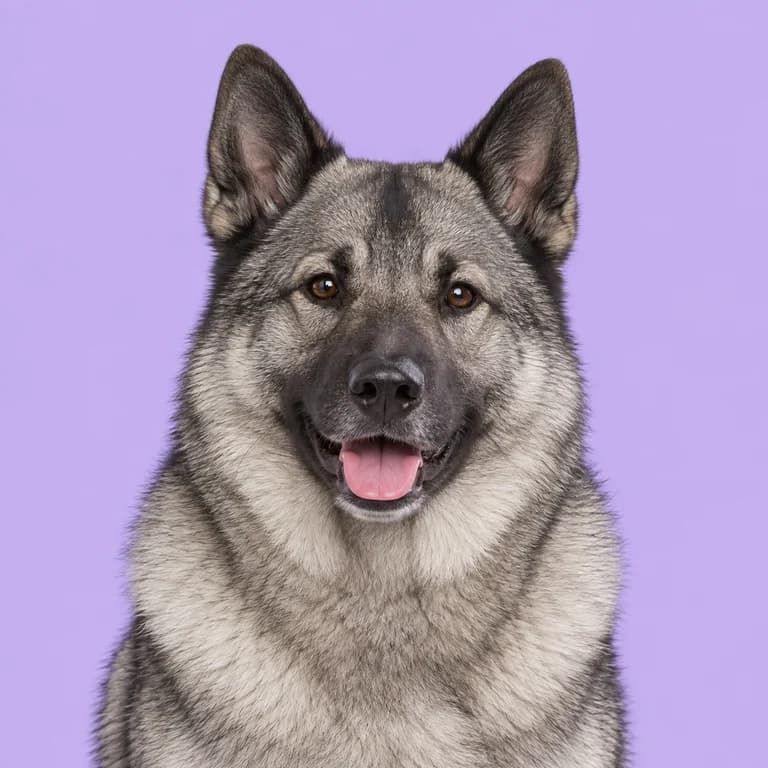
Hound group
Norwegian Elkhound
18 to 25 kg · 12 to 15 years
A silver-grey Nordic hunter bred to find moose and hold them in place with its voice.
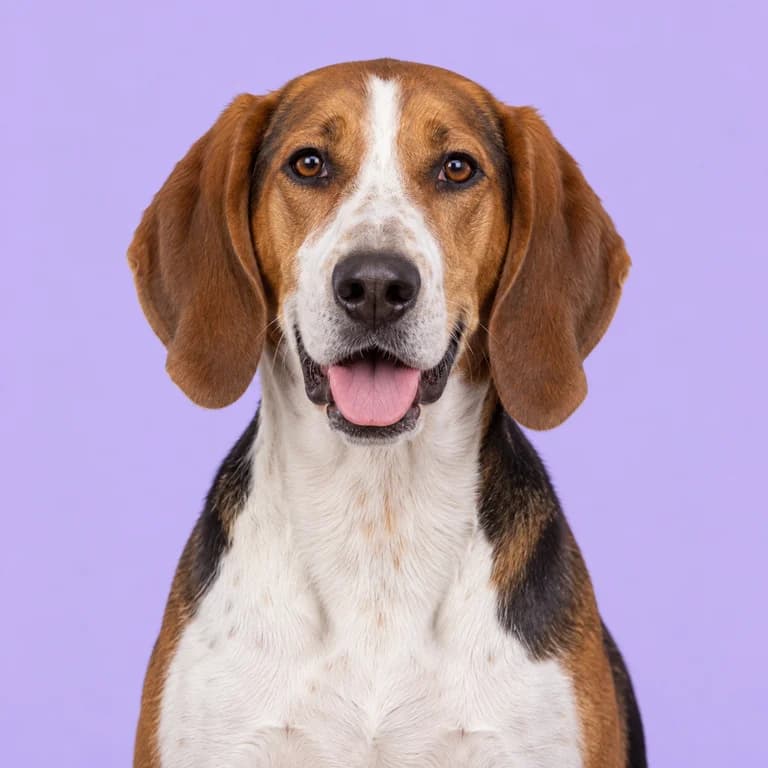
Hound group
American Foxhound
27 to 34 kg · 11 to 13 years
America's own pack hound, bred for all-day stamina and a voice that carries across whole valleys.
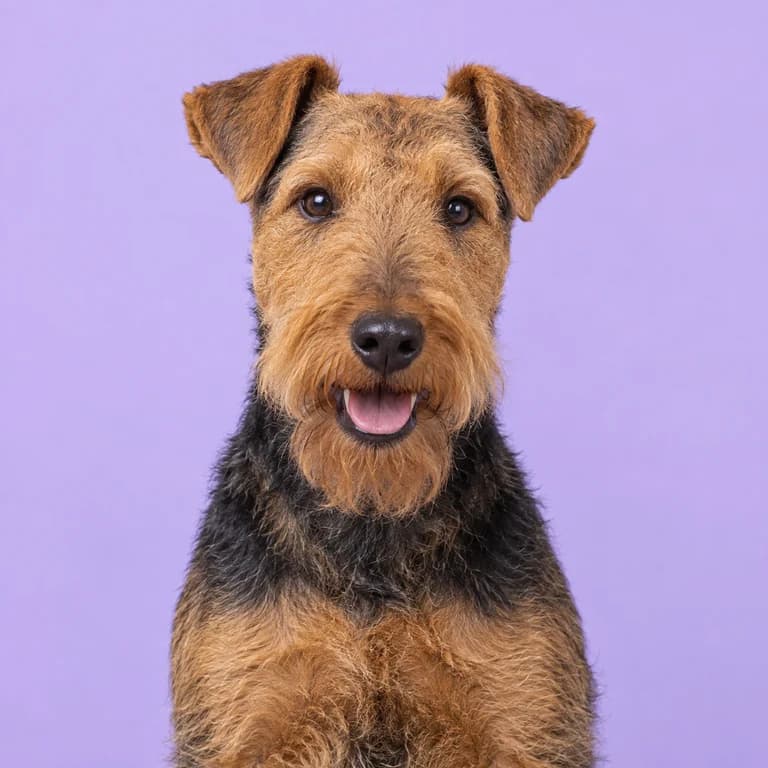
Terrier group
Welsh Terrier
8 to 10 kg · 12 to 15 years
Confident, clownish and a little stubborn, the Welsh Terrier packs a working terrier's spirit into a tidy 10 kg.

Crossbreed
Cavapoo
5 to 11 kg · 12 to 15 years
Cavalier softness meets Poodle brains in a people-focused cross sized for almost any home.
Non-sporting group
French Bulldog
8 to 14 kg · 10 to 12 years
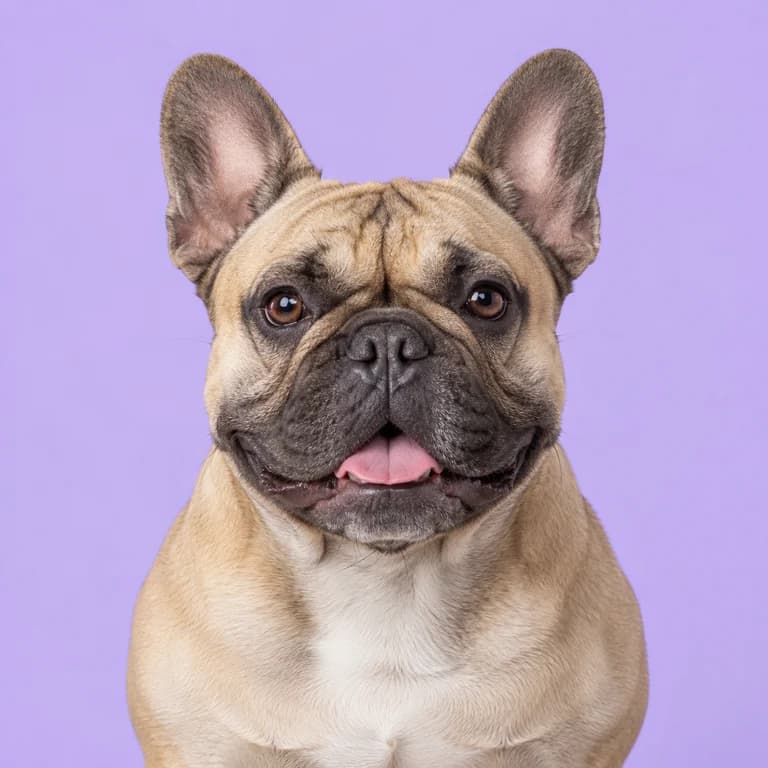
A compact clown with bat ears whose flat face shapes nearly every decision about exercise, heat and feeding.