Sources for this article
Hound group · Norway
Norwegian Elkhound
Also called Norsk Elghund, Grey Elkhound, Norsk Elghund Grå
A silver-grey Nordic hunter bred to find moose and hold them in place with its voice.
The Norwegian Elkhound is an ancient Scandinavian spitz, bred to track moose through forest and keep them at bay by barking until the hunter arrived. It is hardy, confident, loyal and very vocal. It suits active owners in cooler climates who can handle a thick shedding coat and a dog with independent ideas.
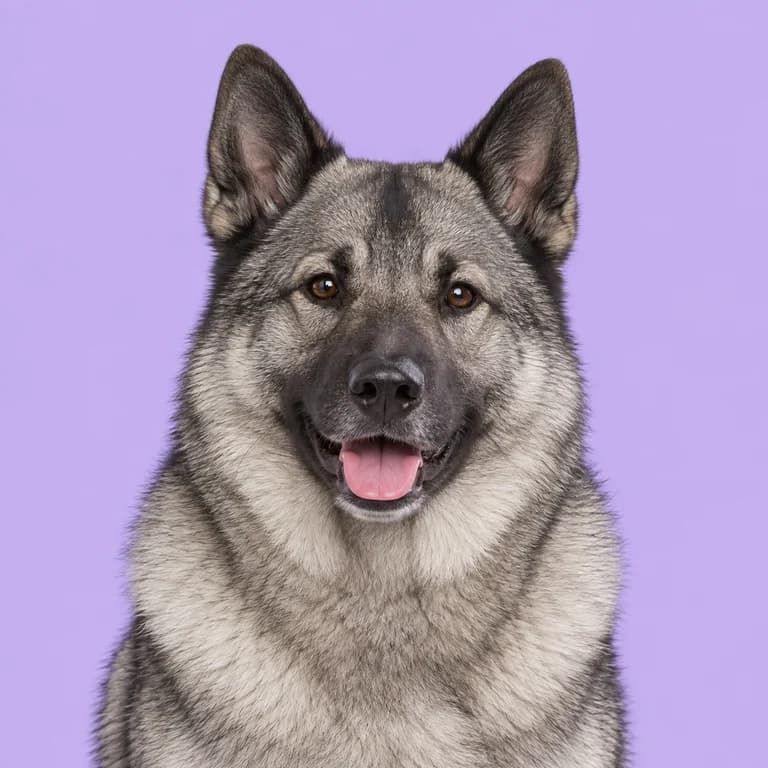
Original AI-generated breed illustration
Weight
18 to 25 kg
40 to 55 lb
Height
47 to 54 cm
at the shoulder
Life expectancy
12 to 15 yrs
Activity estimate
90 to 120 min
editorial daily planning range
Adult-size estimate
16 months
approximate model input
Life with a Norwegian Elkhound
Few breeds have such an old and continuous working history as the Norwegian Elkhound. Grey spitz dogs have hunted in the forests of Norway for centuries, and archaeological finds of similar dogs suggest a very long presence in Scandinavia. The breed is often credited as a companion to Viking settlers, though details from so long ago are hard to confirm. What is clear is its purpose: finding moose and bear and holding them for the hunter.
The Elkhound hunts differently from many hounds. It ranges ahead, finds the animal by scent, then circles and barks continuously, dodging the moose while keeping it in one place until the hunter arrives. That style needs courage, stamina, independence and a voice that carries through forest. All of those qualities still show up in pet Elkhounds today.
At home, an Elkhound is friendly, bold and devoted to its family, and usually good with children. It has a strong sense of humor and a stubborn streak. It will tell you about every visitor, animal and unusual sound, and it can be dominant with unfamiliar dogs of the same sex. Owners who enjoy an outdoorsy, characterful dog and do not mind noise often find the Elkhound a loyal and easygoing partner.
A great match for
- active owners in cold or temperate climates
- hikers and people who enjoy outdoor adventures
- families wanting a sturdy, loyal medium dog
- homes with a secure garden
Think twice if
- very vocal, with a loud, persistent bark
- sheds heavily all year and in large seasonal bursts
- strong prey drive and unreliable recall
- gains weight easily
- struggles in heat
Personality and needs at a glance
Living together
Good with children
Good with other dogs
Open with strangers
Apartment friendly
Copes with alone time
Energy and character
Energy level
Playfulness
Easy to train
Barking
5 means very vocal
Care and climate
Grooming needs
Shedding
Drooling
Handles cold
Handles heat
How much a Norwegian Elkhound eats
Illustrative calculations for neutered adults at midpoint breed weights, with food at 370 kcal per 100 g and 100 g per cup. These are not measured breed requirements. Use actual weight, the food label and veterinary body-condition advice.
| Dog | Weight | Calories | Dry food |
|---|---|---|---|
| Female, relaxed lifestyle | 20 kg | 930 kcal | 250 g (2.5 cups) |
| Female, typical pet | 20 kg | 1060 kcal | 285 g (2.8 cups) |
| Male, typical pet | 24 kg | 1200 kcal | 325 g (3.3 cups) |
| Male, very active | 24 kg | 1490 kcal | 405 g (4 cups) |
Care guides for the Norwegian Elkhound
Things owners are often surprised by
- 1In Norwegian the breed is called Elghund, meaning moose dog, since elg is the word for moose
- 2Dog remains resembling the breed have been found at Scandinavian archaeological sites, and the breed is often credited with accompanying Viking settlers
- 3Hunting Elkhounds work ahead of the hunter, find a moose and bark continuously to hold it in place
- 4The tail curls tightly over the back, a classic spitz feature
- 5Moose hunting with Elkhounds is still practiced in Norway today
- 6Their coat keeps them comfortable in temperatures well below freezing
Norwegian Elkhound questions
Do Norwegian Elkhounds bark a lot?
Yes. Barking is part of the breed's job: hunting Elkhounds hold moose in place by barking continuously. Many pets bark at visitors, wildlife and noises, and the bark is loud. You can manage it with exercise, mental work and training a quiet cue, but you cannot remove it. If you live close to neighbors or dislike noise, think carefully before choosing this breed.
Are Norwegian Elkhounds good with other dogs?
Usually, especially when well socialized. They can be bossy with unfamiliar dogs of the same sex, and some males show dominance as they mature. Introduce new dogs on neutral ground, supervise play and give each dog its own space and bowl. Many Elkhounds live happily with an opposite-sex companion, and early, positive social experiences make a big difference.
Can Norwegian Elkhounds live in warm climates?
They can adapt, but it takes effort. The thick double coat is designed for Nordic winters, so heat and humidity are hard on them. Provide shade, air conditioning or cooling mats, fresh water at all times and exercise only in the coolest hours. Never shave the coat. Heavy panting, lethargy or stumbling in the heat mean your dog needs to cool down and see a vet.
Do Norwegian Elkhounds hunt anything other than moose?
Yes. Traditionally they were used on moose and bear, and some hunted lynx, wolves and smaller game. Their method of finding game and barking to hold it works on many large animals. Today most are companions, but they still have a strong hunting instinct and will eagerly track scents, chase deer or squirrels and bark at wildlife, which is why a lead or secure fence matters.
How much hair does a Norwegian Elkhound shed?
A great deal. Elkhounds shed moderately every day and heavily once or twice a year, when the undercoat comes out in clumps. During a blow, expect to fill a bag with fur after one brushing session. Regular brushing with an undercoat rake, a good vacuum cleaner and patience are part of owning this breed. Allergy sufferers usually find them difficult.
Popular answers for owners
- Exercise and playAt what age can a dog start running with me?
- Grooming and coatHow do I get chewing gum out of my dog's fur?
- Bowls and feeding gearIs a bigger bowl always better for dogs?
- Grooming and coatCan stress cause a dog to lose fur?
- Exercise and playCan dogs safely play with bubbles?
- Exercise and playHow far can I run with my dog?
Breeds you might compare
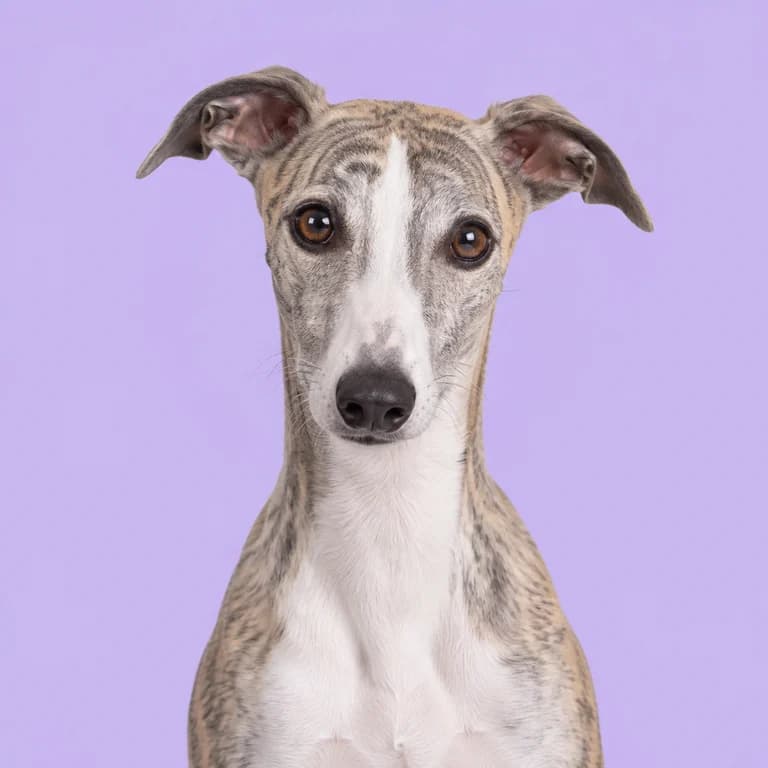
Hound group
Whippet
9 to 16 kg · 12 to 15 years
Built for 55 km/h sprints, yet happiest curled under a blanket for most of the day.
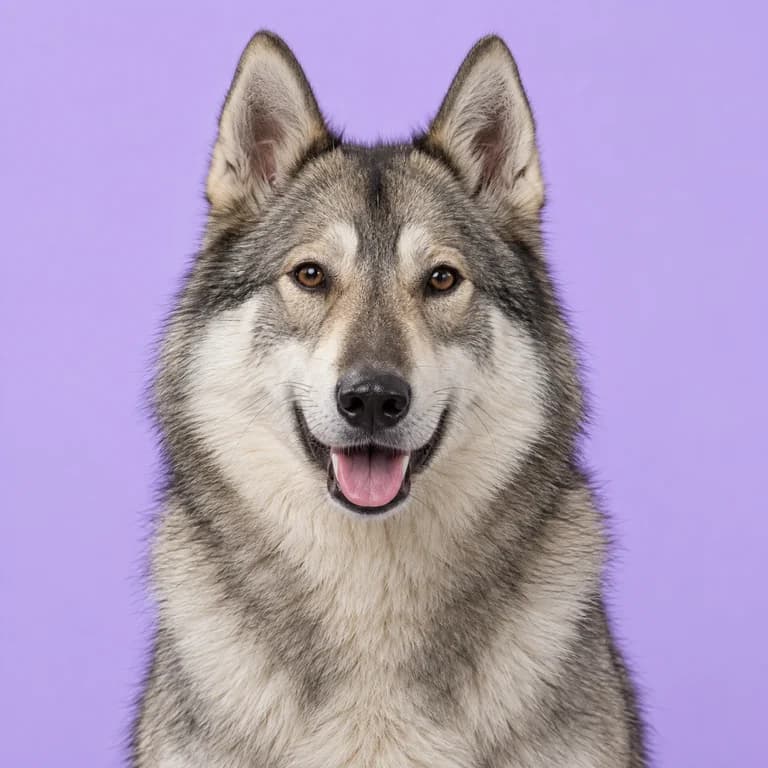
Hound group
West Siberian Laika
16 to 23 kg · 12 to 15 years
A tireless Siberian hunting spitz that finds game in the forest and holds it there with its voice.
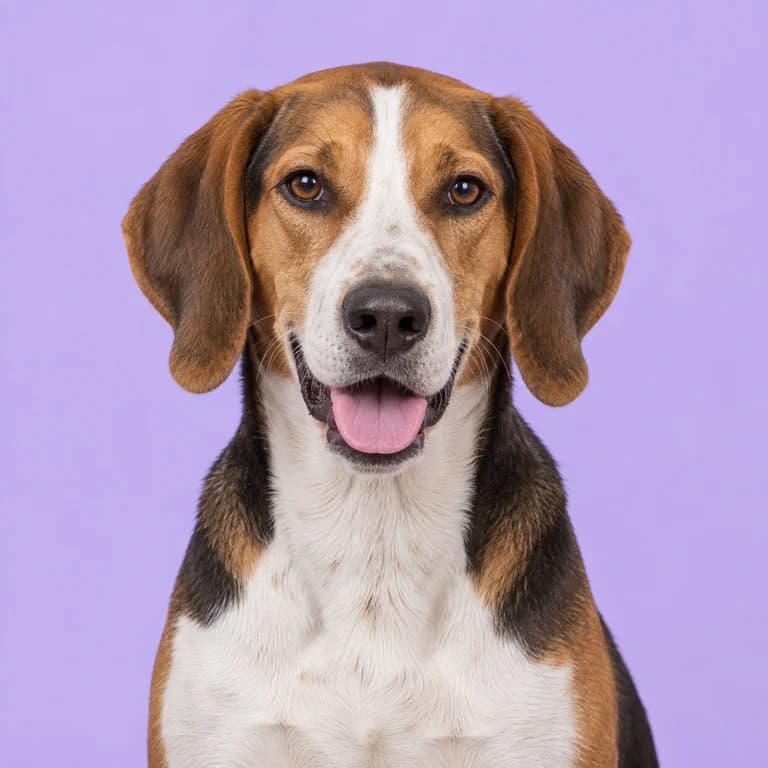
Hound group
Harrier
20 to 27 kg · 12 to 15 years
A pack hound bred to hunt hare on foot, bigger than a Beagle and more sociable than most dogs you will meet.
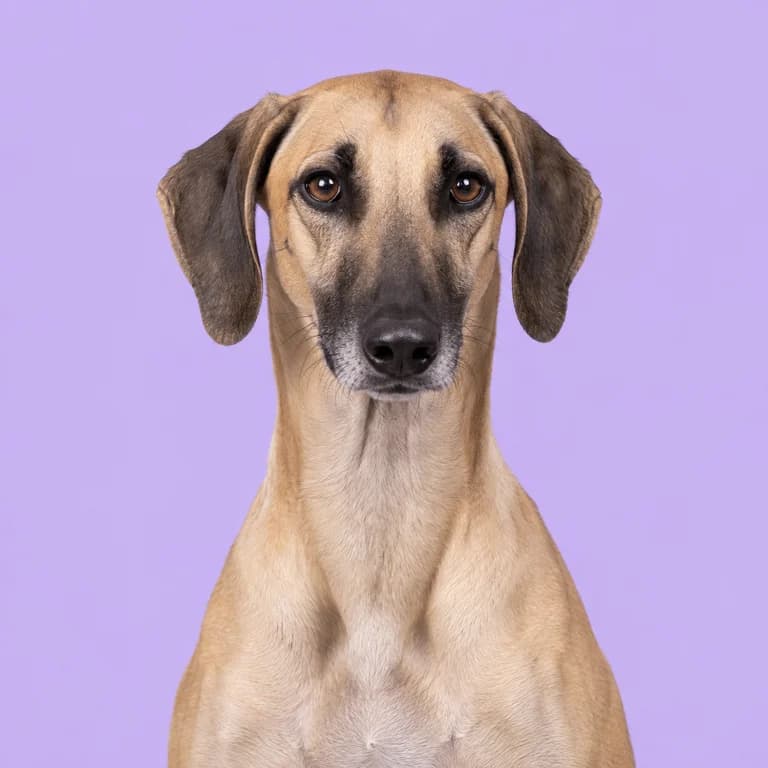
Hound group
Sloughi
18 to 28 kg · 12 to 15 years
A reserved North African sighthound that gives its heart to one family and keeps strangers at a polite distance.
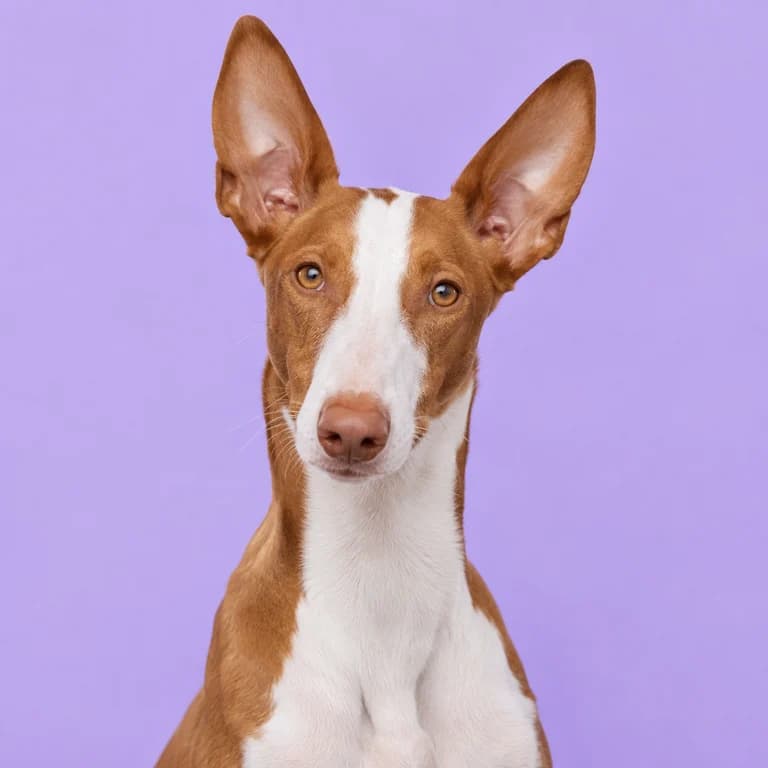
Hound group
Ibizan Hound
19 to 25 kg · 11 to 14 years
A graceful island hunter that tracks rabbits by sight, sound and scent, and clears fences from a standstill.
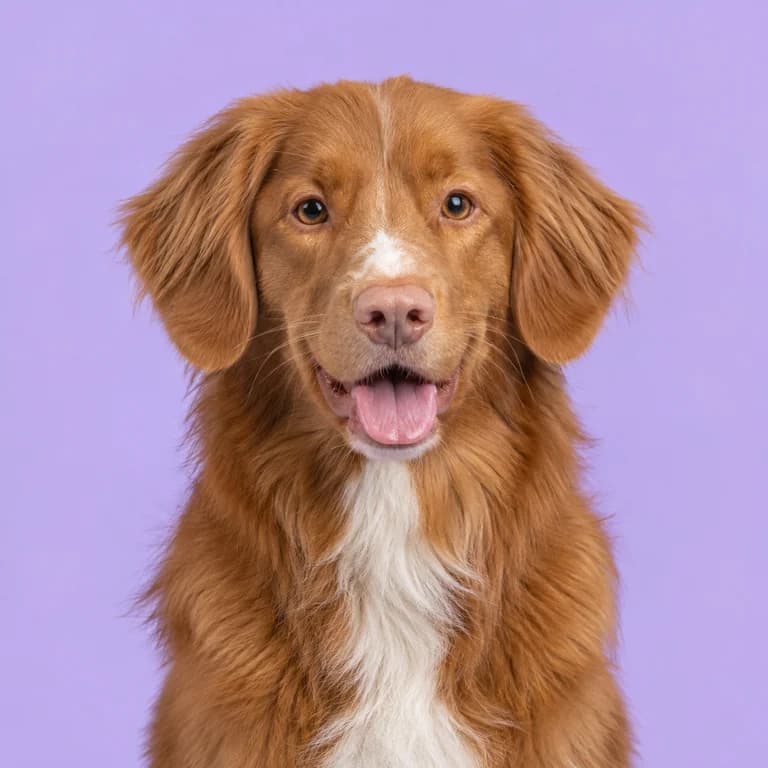
Sporting group
Nova Scotia Duck Tolling Retriever
17 to 23 kg · 12 to 14 years
The smallest retriever, bred to play along the shoreline until curious ducks swam close enough to shoot.