Sources for this article
Hound group · United States (North Carolina)
Plott Hound
Also called Plott
A brindle bear hound from the Great Smoky Mountains, built to trail all night and announce every find.
The Plott Hound is a muscular, athletic scent hound of about 18 to 27 kg (40 to 60 lb), developed by one family in the mountains of North Carolina to hunt boar and bear. It is friendly and loyal at home, but its stamina and voice are enormous. It suits active owners who can give it hours of real work or exercise.
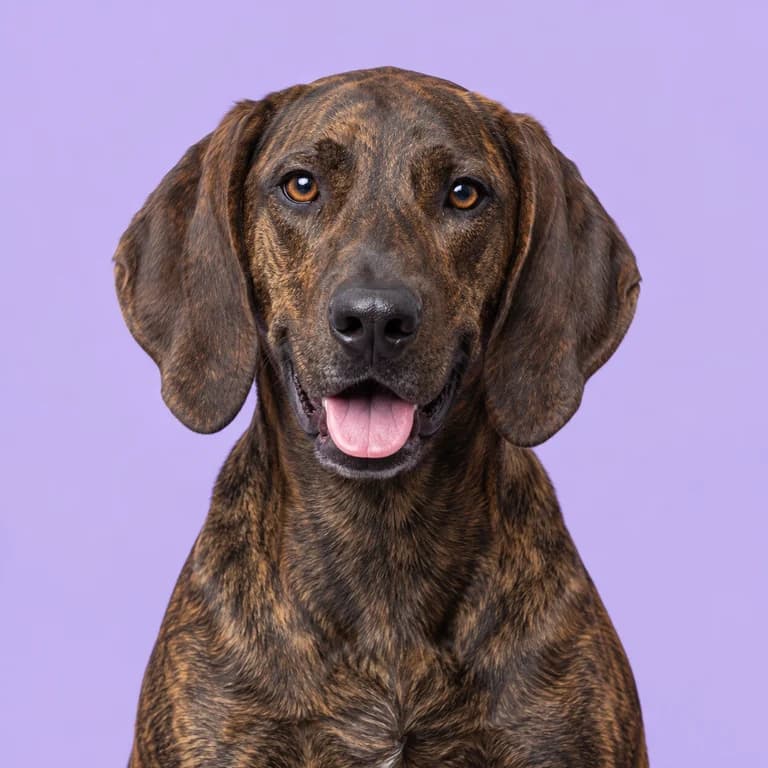
Original AI-generated breed illustration
Weight
18 to 27 kg
40 to 59 lb
Height
51 to 64 cm
at the shoulder
Life expectancy
12 to 14 yrs
Activity estimate
120 to 150 min
editorial daily planning range
Adult-size estimate
18 months
approximate model input
Life with a Plott Hound
Around 1750 a young German immigrant named Johannes Plott settled in North Carolina with a few hounds from his homeland. His family kept breeding them for about two centuries in the Great Smoky Mountains, adding the occasional outside cross, and shaped a dog tough enough to hunt wild boar and bold enough to bring black bears to bay or up a tree.
Plotts spread through the southern Appalachians as working hunting dogs. The United Kennel Club recognized them in 1946, North Carolina named the Plott its state dog in 1989, and the AKC recognized the breed in 2006. It is unusual among American coonhounds because its roots are German rather than English.
At home, most Plotts are affectionate, even goofy, and happy to sprawl on the sofa after a long day. On a trail they change completely: focused, tireless and loud. Anyone considering the breed should picture both sides, and be honest about having the time and space for the working half.
Color is part of the Plott identity. Most are brindle, a pattern of dark stripes over a lighter base that ranges from pale tan to nearly black, sometimes with a solid black saddle across the back. With its short, glossy coat and muscular frame, a Plott looks more like a lean athlete than the droopy-eared hound many people picture.
What stands out
Exercise
This is a high-drive athlete. Plan on at least 90 minutes of exercise a day for an adult, and more for young dogs. Long hikes, trail running once mature, mantrailing, scent sports and coonhound events all channel the breed's instincts.
Read the full exercise guideActivity planning estimate
120 to 150 min
editorial estimate, not a prescription
Energy
5 / 5
Playfulness 4 / 5
A great match for
- runners, hikers and very active families
- owners interested in scent sports or trailing
- rural homes with secure fencing
- people who like a friendly, easygoing dog indoors
Think twice if
- loud baying that can bother neighbors
- a nose that overrides recall
- boredom and destruction when under-exercised
- a deep chest that brings bloat risk
Personality and needs at a glance
Living together
Good with children
Good with other dogs
Open with strangers
Apartment friendly
Copes with alone time
Energy and character
Energy level
Playfulness
Easy to train
Barking
5 means very vocal
Care and climate
Grooming needs
Shedding
Drooling
Handles cold
Handles heat
How much a Plott Hound eats
Illustrative calculations for neutered adults at midpoint breed weights, with food at 370 kcal per 100 g and 100 g per cup. These are not measured breed requirements. Use actual weight, the food label and veterinary body-condition advice.
| Dog | Weight | Calories | Dry food |
|---|---|---|---|
| Female, relaxed lifestyle | 22 kg | 980 kcal | 265 g (2.8 cups) |
| Female, typical pet | 22 kg | 1120 kcal | 300 g (3 cups) |
| Male, typical pet | 25 kg | 1250 kcal | 340 g (3.5 cups) |
| Male, very active | 25 kg | 1570 kcal | 425 g (4.3 cups) |
Care guides for the Plott Hound
Things owners are often surprised by
- 1Descends from German hounds brought to North Carolina around 1750 by Johannes Plott
- 2Official state dog of North Carolina since 1989
- 3Unlike most American coonhounds, it does not descend from English foxhounds
- 4Usually brindle, a striped coat pattern in many shades
- 5Its voice is a loud, bugle-like bawl or a sharp chop when a quarry is treed
Plott Hound questions
Why is the Plott Hound the North Carolina state dog?
The breed was developed in North Carolina by the Plott family, who bred their hounds in the Great Smoky Mountains for around 200 years. Its working history in the region, especially for hunting bear, made it part of local identity. The state legislature adopted it as the official state dog in 1989.
Do Plott Hounds bay a lot?
Yes. Their voice is loud and far-carrying, designed to let hunters follow the dog through the woods. Expect baying when they catch a scent, are excited, bored or left alone. Training and plenty of exercise reduce it, but a Plott is not a sensible choice for thin-walled apartments or noise-sensitive neighbors.
Can Plott Hounds be off lead?
Only in securely fenced areas for most dogs. Once a Plott follows a scent, its focus is so strong that it may not hear or care about recall, and it can cover a lot of ground quickly. A long line lets it sniff and roam safely on walks, and scent sports provide a safe outlet for the trailing instinct.
Are Plott Hounds good family dogs?
For active families, often very much so. Most Plotts are friendly, patient with children and sociable with other dogs. The catch is energy: a Plott needs daily hard exercise, and without it it can become noisy and destructive. Supervise around small pets, since the hunting drive can include cats and rabbits.
Is a Plott Hound a coonhound?
It is classed among the American coonhounds and is used to hunt raccoons, but its background is different. The others mostly descend from English and French foxhounds, while the Plott comes from German hounds. It was originally bred for big game, especially boar and bear, which explains its bold, gritty temperament.
Popular answers for owners
- Grooming and coatCan deshedding tools damage a dog's coat?
- Puppy feeding and growthHow many meals should a 3 month old puppy have?
- Puppy feeding and growthAre puppy food bag feeding charts accurate?
- How much to feedCan a thick coated or fluffy dog hide being overweight?
- Exercise and playWhat is scent work enrichment?
- How much to feedWhat is resting energy requirement for dogs?
Breeds you might compare
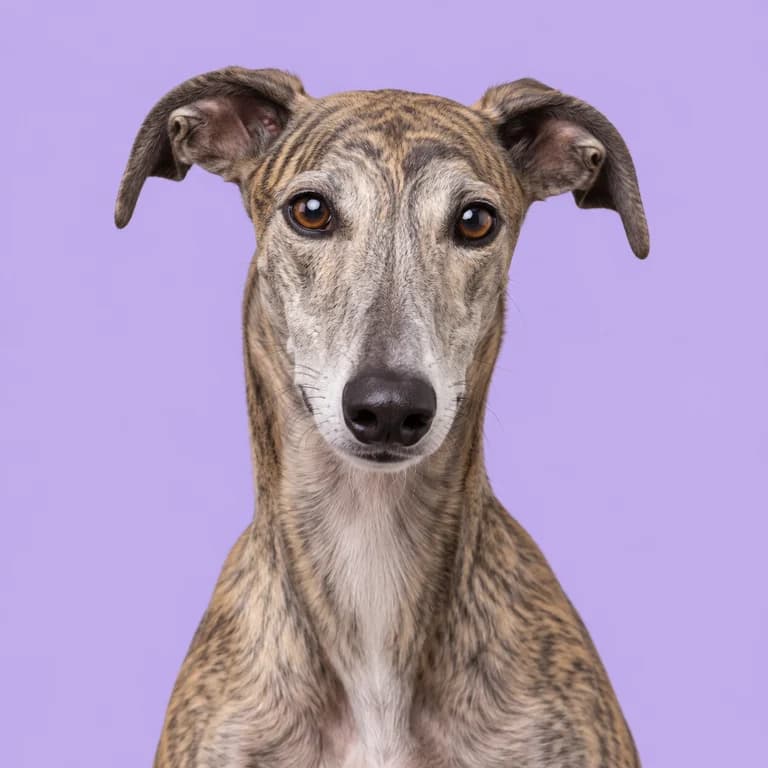
Hound group
Greyhound
25 to 34 kg · 10 to 14 years
A sprinter capable of about 70 km/h (43 mph) that spends most of its day asleep upside down.
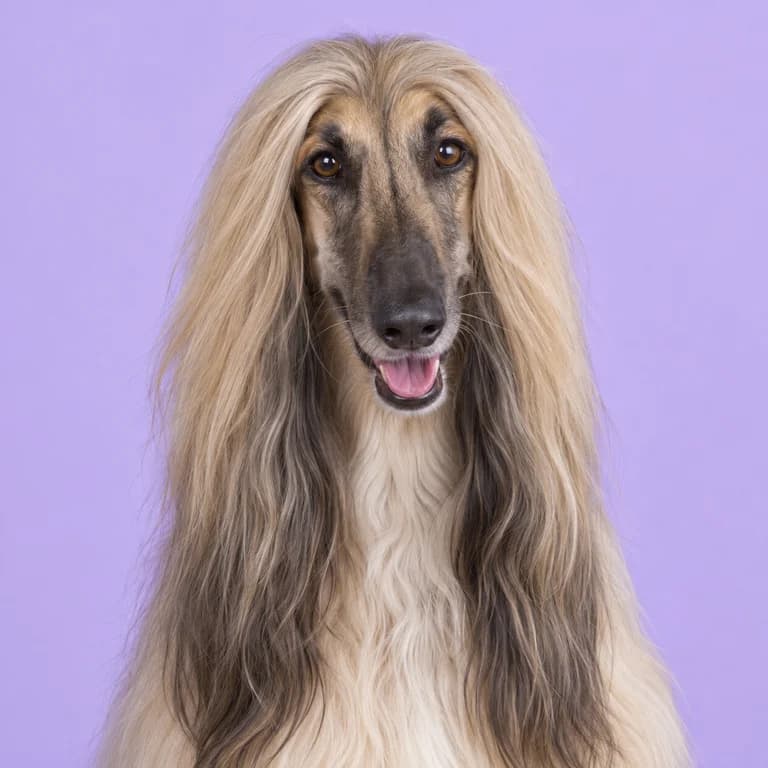
Hound group
Afghan Hound
20 to 30 kg · 12 to 14 years
An elegant sighthound in a floor-length coat that asks for hours of care every single week.
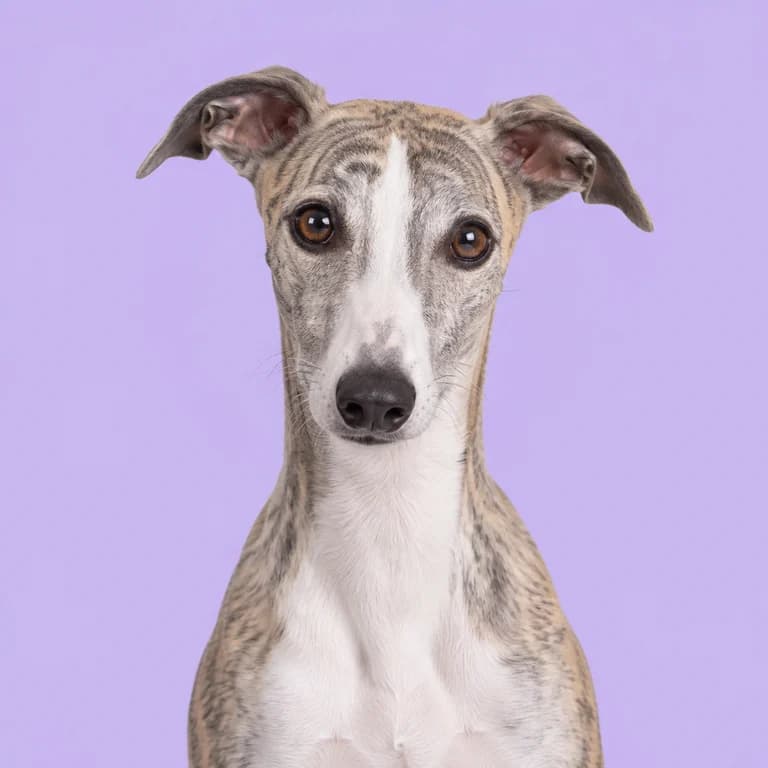
Hound group
Whippet
9 to 16 kg · 12 to 15 years
Built for 55 km/h sprints, yet happiest curled under a blanket for most of the day.
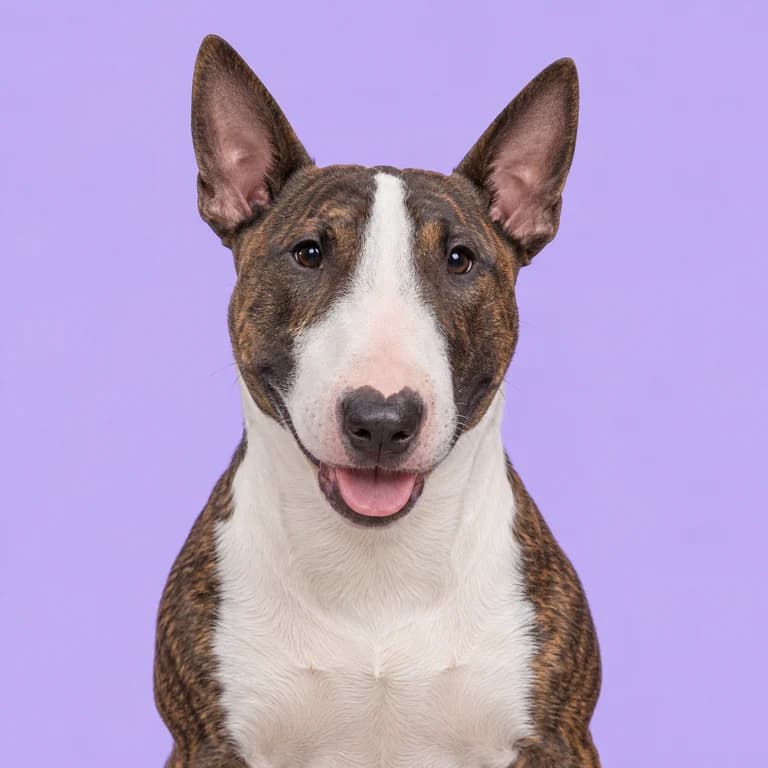
Terrier group
Miniature Bull Terrier
9 to 15 kg · 11 to 14 years
An egg-shaped head, a triangular wink of an eye and a personality far bigger than its compact frame.
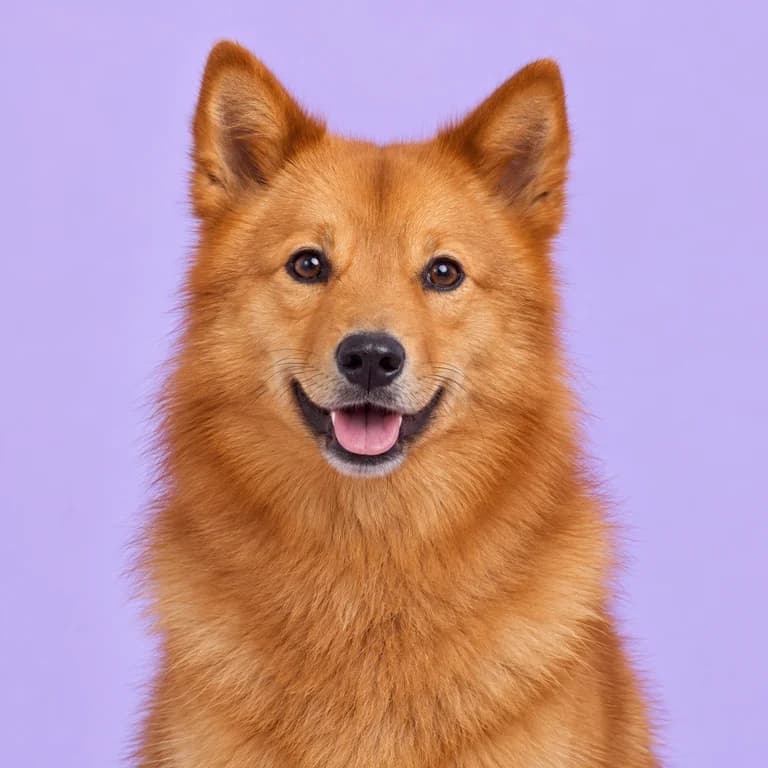
Non-sporting group
Finnish Spitz
9 to 15 kg · 13 to 15 years
Finland's fox-red bird dog, built to bark a treed capercaillie into staying put, and happy to narrate your day.
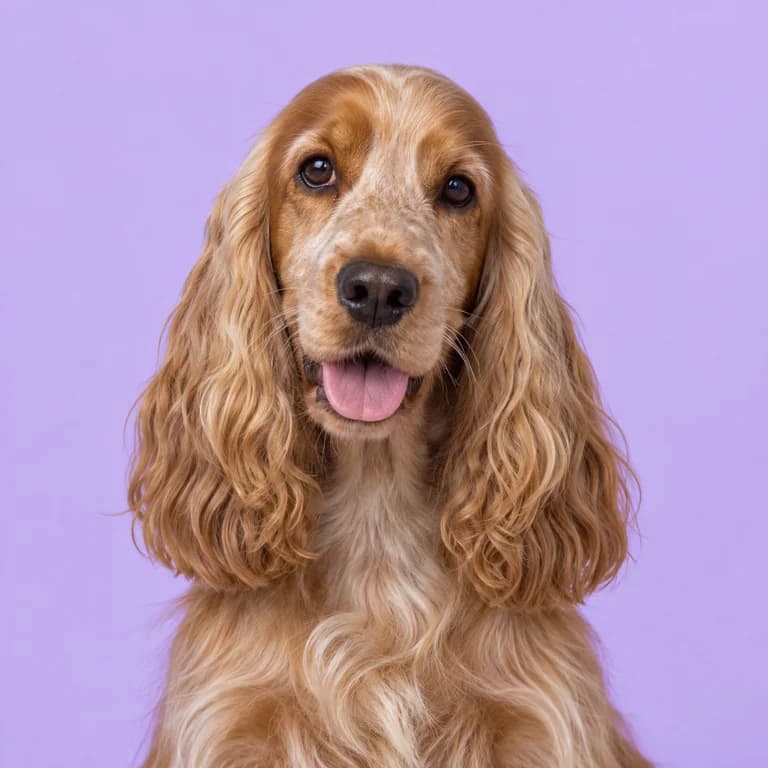
Sporting group
English Cocker Spaniel
12 to 15 kg · 12 to 14 years
A merry, tail-going gundog that wants to be busy with you, whether that means flushing pheasants or carrying slippers.