Sources for this article
Terrier group · Wales
Welsh Terrier
Also called Welshie
Confident, clownish and a little stubborn, the Welsh Terrier packs a working terrier's spirit into a tidy 10 kg.
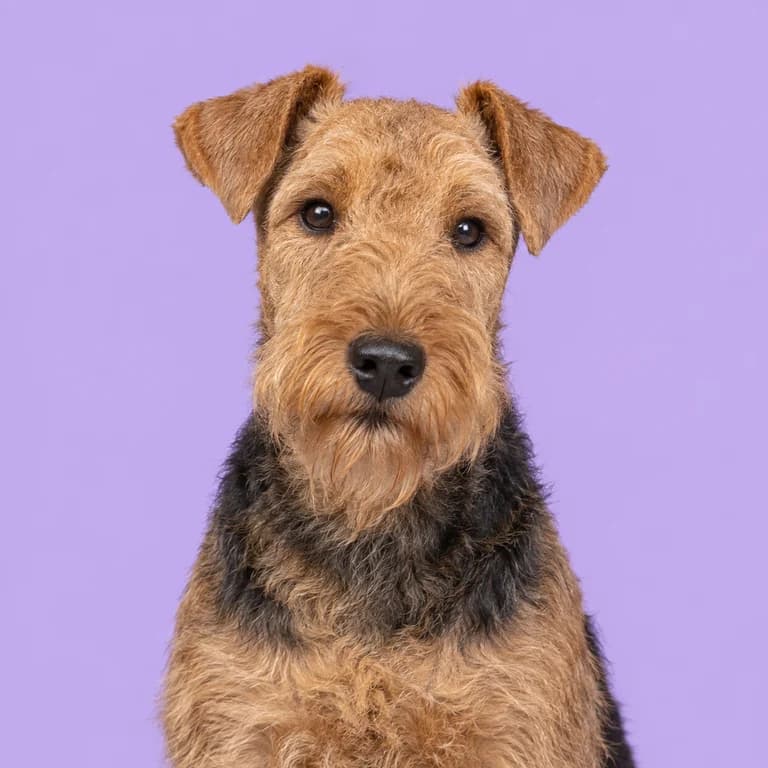
The Welsh Terrier is a compact black and tan terrier originally bred to hunt fox, badger and otter in Wales. It is cheerful, bold and affectionate with its family, with the independence and chase drive of a working terrier and a wiry coat that sheds little but needs regular stripping or clipping.
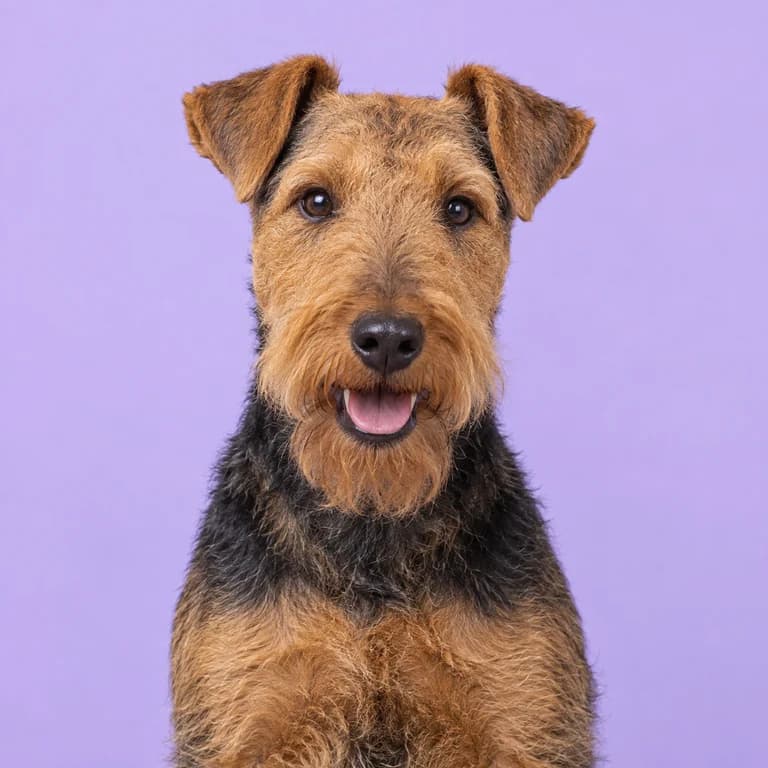
Original AI-generated breed illustration
Weight
8 to 10 kg
18 to 22 lb
Height
35 to 39 cm
at the shoulder
Life expectancy
12 to 15 yrs
Activity estimate
90 to 120 min
editorial daily planning range
Adult-size estimate
12 months
approximate model input
Life with a Welsh Terrier
Meet a Welsh Terrier and the first impression is of a dog with a plan. It trots with its head up, looks you in the eye, and seems to be weighing up whether you might be fun. That cheerful confidence is the heart of the breed: bold but rarely sharp with people, affectionate without being needy, and always ready to make its own entertainment.
The breed comes from the old black-and-tan rough-coated terriers of Wales, which ran with hunting packs and went to ground after fox, badger and otter. Farmers and huntsmen wanted a dog that could keep pace with horses and hounds and then face a cornered animal without backing down. The Kennel Club recognized the breed in 1886, after a period when similar dogs were also shown under the name Old English Broken-Haired Terrier.
In a modern home, Welsh Terriers are playful, sociable with their family and often good with considerate children. They can be pushy with other dogs and have a strong urge to chase and dig. Many stay puppyish into their senior years, inventing games, stealing socks and parading them past you.
They suit owners who enjoy a characterful dog and do not mind a certain amount of negotiation. Good fences, fair and consistent boundaries, and daily activity bring out the best in them. Rabbits, rats and guinea pigs are best kept well out of reach.
What stands out
Training
Welsh Terriers are smart and learn quickly but often ask why. They respond best to reward-based methods and short, fun sessions. Repetitive drills bore them, and harsh methods tend to produce stubbornness rather than obedience.
Read the full training guideEasy to train
Open with strangers
Good with other dogs
A great match for
- active owners who enjoy a characterful dog
- families with considerate children
- people who want a low-shedding dog
- homes with secure fencing
Think twice if
- digging and chasing small animals
- can be bossy with other dogs
- a coat that needs stripping or clipping
- an independent streak in training
- may ignore recall mid-chase
Personality and needs at a glance
Living together
Good with children
Good with other dogs
Open with strangers
Apartment friendly
Copes with alone time
Energy and character
Energy level
Playfulness
Easy to train
Barking
5 means very vocal
Care and climate
Grooming needs
Shedding
Drooling
Handles cold
Handles heat
How much a Welsh Terrier eats
Illustrative calculations for neutered adults at midpoint breed weights, with food at 370 kcal per 100 g and 100 g per cup. These are not measured breed requirements. Use actual weight, the food label and veterinary body-condition advice.
| Dog | Weight | Calories | Dry food |
|---|---|---|---|
| Female, relaxed lifestyle | 9 kg | 510 kcal | 140 g (1.5 cups) |
| Female, typical pet | 9 kg | 580 kcal | 155 g (1.5 cups) |
| Male, typical pet | 10 kg | 610 kcal | 165 g (1.8 cups) |
| Male, very active | 10 kg | 760 kcal | 205 g (2 cups) |
Care guides for the Welsh Terrier
Things owners are often surprised by
- 1Recognized by the Kennel Club in 1886, making it one of the older British terriers on the register
- 2Puppies are born almost entirely black, with the tan spreading as they grow
- 3Stands about 38 cm (15 in) tall and weighs around 9 to 10 kg (20 to 22 lb)
- 4The Kennedy family kept a Welsh Terrier named Charlie in the White House
- 5Its wiry coat sheds very little when hand-stripped
- 6Often mistaken for a small Airedale, though the two are separate breeds
Welsh Terrier questions
Is a Welsh Terrier a mini Airedale?
No, although they look alike. The Airedale is much bigger, about 23 to 29 kg, and was developed in Yorkshire. The Welsh Terrier is a separate breed with its own history in Wales. Both have black and tan wiry coats, but the Welsh is compact, usually around 9 to 10 kg, with a slightly different head shape and a smaller, neater outline.
Do Welsh Terriers get along with other dogs?
Many do, especially if raised with them and well socialized. However, they can be bossy, and some do not tolerate dogs of the same sex. Early and ongoing socialization, careful introductions and supervision in busy dog parks all help. If you already have a dog, think carefully about temperament and sex before adding a Welshie.
Are Welsh Terriers good with cats?
It depends on the individual. Some live peacefully with cats they grew up with, but most have a strong chase instinct toward small, fast animals. Introduce them carefully, give the cat high escape routes, and never leave the two unsupervised until you are sure. Neighborhood cats outdoors are likely to be chased.
Do Welsh Terriers shed?
Very little, especially when hand-stripped, because dead hair stays in the coat until it is brushed or plucked out. Clipped coats shed slightly more and turn softer. The low shedding keeps them tidy around the home, but no dog is allergy-free, so spend time with the breed first if anyone in the house has allergies.
How long do Welsh Terriers live?
Many live 12 to 15 years, and some longer. They are generally robust, with eye problems, allergies and thyroid conditions among the more common issues. Keeping them lean and active, brushing their teeth, and seeing a vet regularly all help them stay well into old age.
Popular answers for owners
- Puppy feeding and growthHow much wet food should I give my puppy?
- Exercise and playCan an under exercised dog become destructive?
- Puppy feeding and growthHow do I adjust feeding for a low energy puppy?
- Bowls and feeding gearAre elevated bowls necessary for German Shepherds?
- How much to feedHow much should I feed a 60kg dog?
- Grooming and coatHow do I introduce a puppy to grooming for the first time?
Breeds you might compare
Terrier group
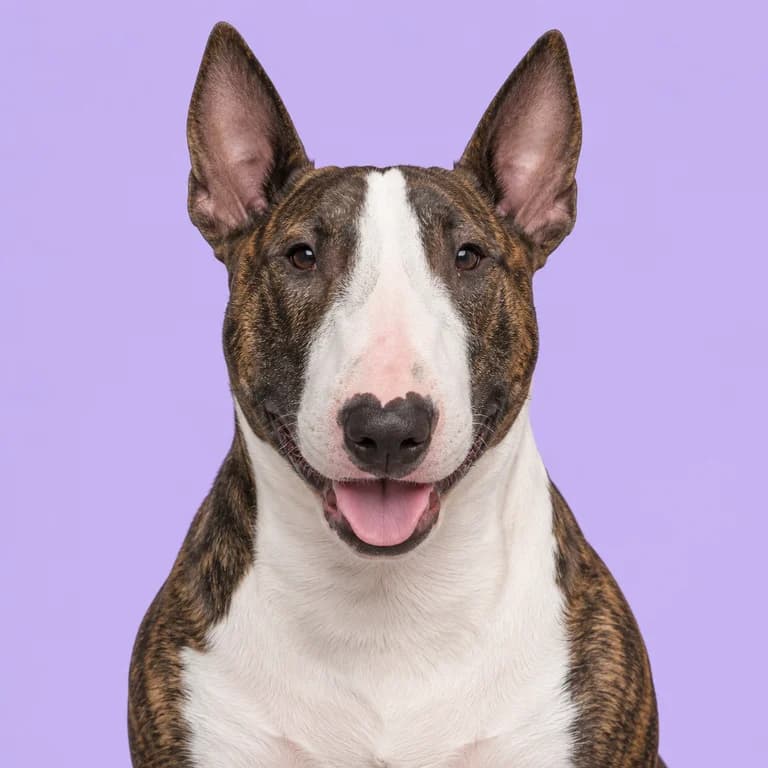
Bull Terrier
20 to 30 kg · 11 to 13 years
A muscular comedian with an egg-shaped head, loyal to its people and stubborn about almost everything else.
Terrier group
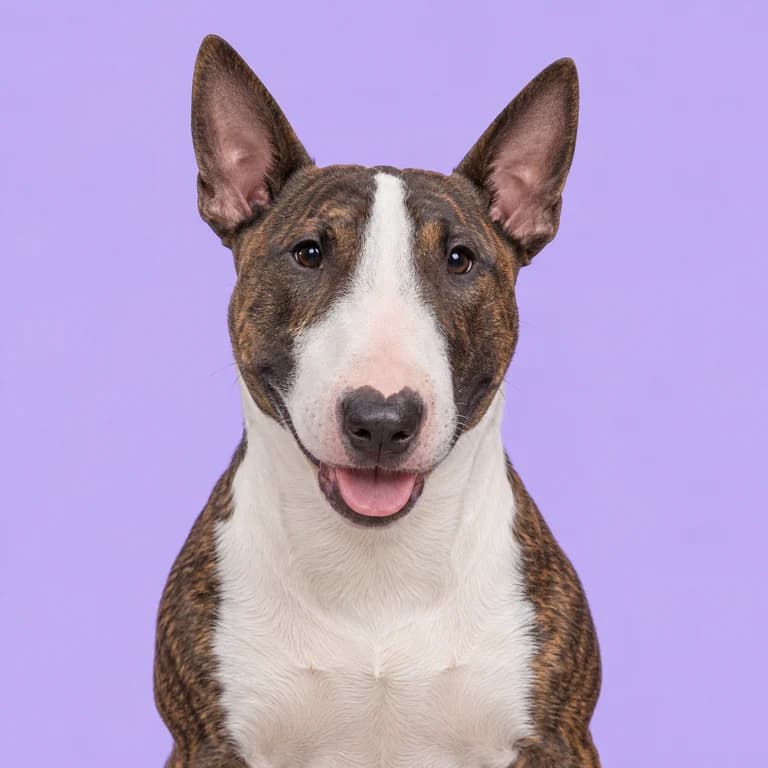
Miniature Bull Terrier
9 to 15 kg · 11 to 14 years
An egg-shaped head, a triangular wink of an eye and a personality far bigger than its compact frame.
Terrier group
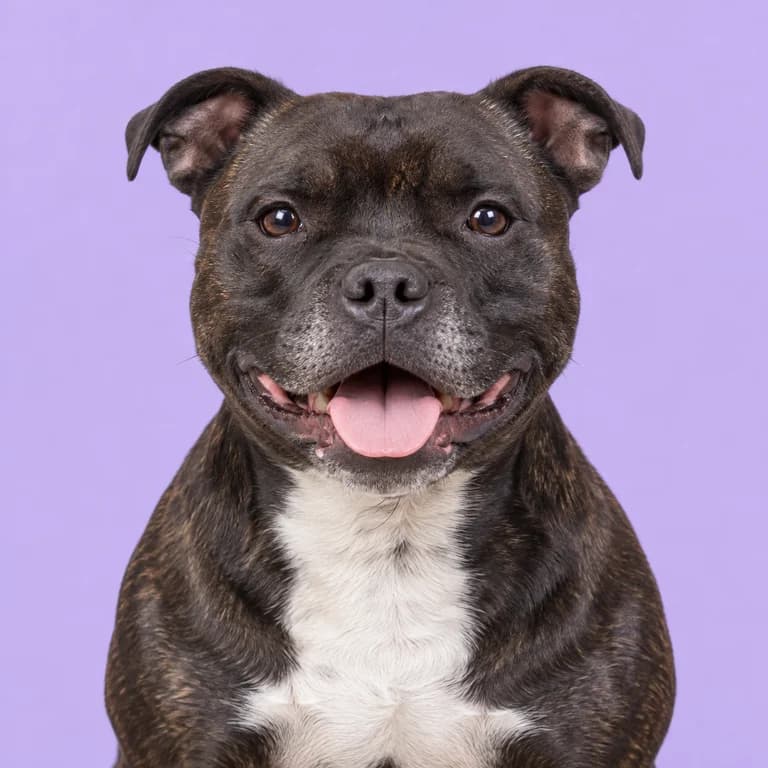
Staffordshire Bull Terrier
11 to 17 kg · 12 to 14 years
A muscular, grinning people-lover packed into 40 cm (16 in), often gentler with humans than with other dogs.
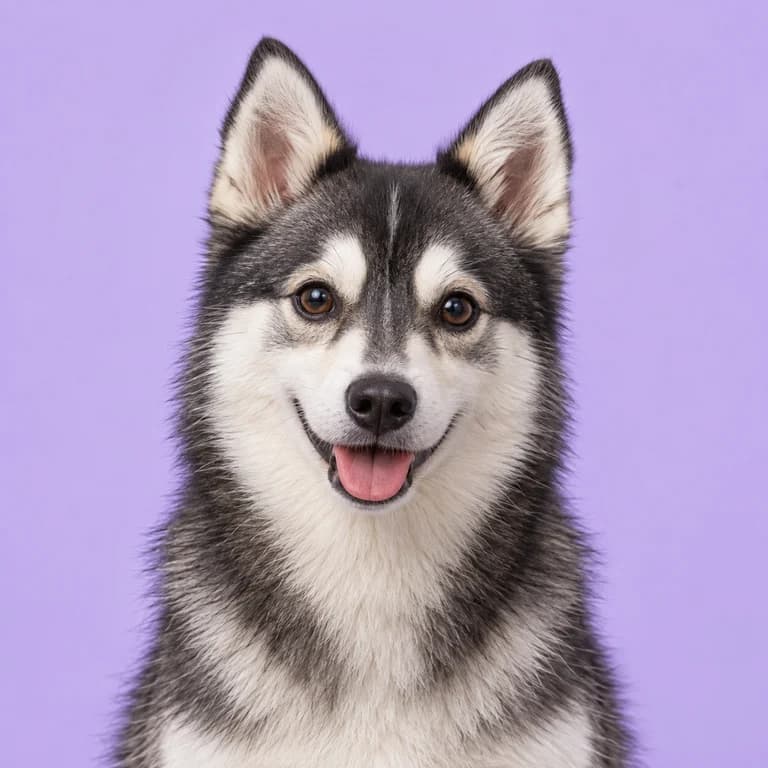
Working group
Alaskan Klee Kai
4 to 10 kg · 13 to 16 years
All the husky looks at a fraction of the size, with a far more cautious personality than most people expect.

Non-sporting group
French Bulldog
8 to 14 kg · 10 to 12 years
A compact clown with bat ears whose flat face shapes nearly every decision about exercise, heat and feeding.
Terrier group
Lakeland Terrier
6 to 8 kg · 12 to 16 years
A small, bold fell terrier from the Lake District that learns fast, forgets nothing and negotiates every rule.