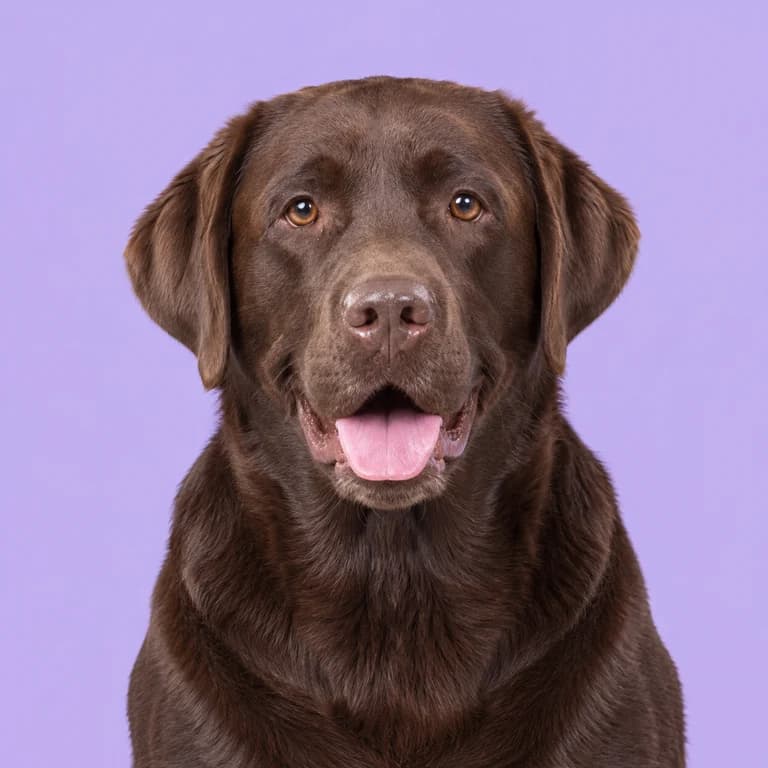
Overweight dogs are so common that many owners no longer recognize a healthy shape. A Labrador with a visible waist can look thin next to the rounder dogs at the park, even though the lean one is where you want to be. Carrying extra weight is linked to shorter lives and more joint trouble, and the good news is that most dogs can lose it steadily with changes the whole household can keep up.
This plan runs over about 16 weeks, the time it typically takes a moderately overweight dog to lose 10 to 15 percent of its body weight at a safe pace. It covers scoring your dog's body condition, setting a calorie target with your vet, finding the calories you did not know about, adding activity and handling the plateau that almost everyone hits.
Start with a vet check and a body condition score
Book a weigh-in with your vet before you start. Some medical conditions can cause weight gain or make weight loss difficult, and your vet can rule those out, record an accurate starting weight and help set a target. Many clinics run free weight clinics with a nurse, which makes regular weigh-ins easy.
Body condition score is the most useful tool you have at home. The common 9-point scale goes from very thin to severely overweight, with 4 to 5 as ideal. Each point above 5 represents roughly 10 percent extra body weight, so a dog scoring 7 is carrying about 20 percent more than it should.
| Score | What you feel and see | Approximate excess |
|---|---|---|
| 4 to 5 (ideal) | Ribs easy to feel with light pressure, clear waist from above, belly tucks up from the side | None |
| 6 | Ribs felt with slight pressure, waist visible but not obvious | About 10 percent |
| 7 | Ribs hard to feel under a fat layer, waist barely visible, fat over base of tail | About 20 percent |
| 8 | Ribs not felt without firm pressure, no waist, belly may sag | About 30 percent |
| 9 | Heavy fat over spine, chest and tail base, obvious belly | 40 percent or more |
Set a target and a safe weekly pace
A sensible pace is about 1 to 2 percent of body weight per week. For a 30 kg (66 lb) dog, that is 300 to 600 g a week. Faster loss tends to cost muscle and leaves the dog hungry and more likely to scavenge, which makes the plan harder to stick to.
Your vet may calculate a starting calorie figure. One common approach uses the resting energy formula based on the target weight: 70 multiplied by target weight in kg raised to the power 0.75. For a dog with a target of 25 kg, that comes to roughly 780 kcal a day. Treat any number as a starting point and adjust every two to three weeks based on the scale, not on how hungry your dog looks.
Find the hidden calories
Most overweight dogs are not overfed at mealtimes alone. The extras add up: a crust from breakfast, a daily chew, a piece of cheese for tablets, the neighbor's biscuits. Write down everything your dog eats for three days, including from children and visitors, before you change anything.
Then weigh the main meals rather than scooping. Take the reduced daily amount, put it in a sealed container each morning and feed only from that. If other people feed your dog, they take from the same container, which ends arguments about who fed what.
- A medium dental chew can hold 70 to 100 kcal, a big share of a small dog's day
- One teaspoon of peanut butter is roughly 30 kcal
- A thin slice of cheese is often 60 to 80 kcal
- Swap extras for crunchy vegetables such as carrot, cucumber or green beans
- Use part of the daily kibble for training and puzzle toys
Make meals last longer and feel bigger
A smaller portion eaten in 20 seconds leaves a dog feeling cheated. Stretching the same food over five or ten minutes helps your dog feel more satisfied and gives the brain something to do. A slow feeder bowl, a snuffle mat or simply scattering kibble on a clean lawn can turn a meal into an activity.
Splitting the daily amount into three meals rather than two also reduces begging for many dogs. If your dog seems genuinely hungry, ask your vet about a weight-management food, which is designed to be more filling for the same energy, instead of just cutting portions further.
Add activity in small, steady steps
Exercise helps protect muscle while your dog loses fat, but a sudden jump from 20 minutes a day to two hours risks sore joints and paws. Add about 10 minutes of walking per day each week until you reach a level your dog can sustain, for example moving from 30 to 60 minutes a day over a month.
Mix brisk walking with sniffing time, gentle hill work or, for dogs who enjoy it, swimming, which is easy on joints. For heavy dogs or those with stiffness, short walks two or three times a day are kinder than one long outing. If your dog limps, lags badly or is unusually stiff the next morning, scale back and mention it to your vet.
A 16-week routine and what to do at a plateau
Weigh every two weeks at the same time of day on the same scale, and record it. Expect progress to be uneven: a good fortnight followed by a flat one is normal. Take photos from above and from the side every four weeks, since shape often changes before the number does.
If weight has not changed for four weeks, first check for leaks: new treats, a family member feeding on the side, scavenging on walks. If everything is tight, reduce the daily food by another 5 to 10 percent and recheck in a month. Once your dog reaches the target, increase the portion by about 10 percent and keep weighing monthly to find the new maintenance amount.
| Weeks | Focus | Check |
|---|---|---|
| 0 | Vet weigh-in, body score, food diary | Starting weight and photos |
| 1 to 4 | Weighed meals, treats cut, walks up by 10 minutes a week | Weigh at weeks 2 and 4 |
| 5 to 8 | Slow feeding, puzzle toys, steady activity | Aim for 4 to 8 percent loss so far |
| 9 to 12 | Review plateau, adjust portion by 5 to 10 percent if needed | Weigh every two weeks |
| 13 to 16 | Approach target, plan maintenance | Vet recheck and new body score |
Checklist
- Book a vet weigh-in and body condition score
- Keep a three-day food diary before changing anything
- Weigh the daily food into one container each morning
- Swap high-calorie extras for crunchy vegetables
- Add 10 minutes of walking per day each week
- Weigh every two weeks and take photos every four
Questions
How fast should my dog lose weight?
Aim for about 1 to 2 percent of body weight per week. A 20 kg dog should lose roughly 200 to 400 g a week. Faster loss can cost muscle and leaves dogs hungry, which makes them harder to live with and the plan harder to keep. Your vet can adjust the target for very overweight dogs or dogs with health conditions.
Can I just feed less of my dog's normal food?
Small reductions of 10 to 15 percent are usually fine. Bigger cuts can leave a dog short of protein, vitamins and minerals, because the food was designed to be fed at the full amount. If your dog needs to lose a lot, ask your vet about a weight-management food that keeps nutrients balanced while providing fewer calories.
My dog begs constantly on the diet. What helps?
Split food into three meals, use slow feeders or scatter feeding so meals take longer, and add low-calorie vegetables as extras. Give attention, play or a short sniffing walk instead of food when your dog begs, and make sure everyone at home follows the same rules. If hunger seems extreme, your vet can suggest a more filling diet.
What happens once my dog reaches its target weight?
Increase the daily portion by about 10 percent and weigh every two weeks for two months. If weight holds, that is your new maintenance amount. If it rises, trim back by 5 percent. Keep the habits that worked, such as weighed meals and a treat budget, because most regain happens when routines slip.