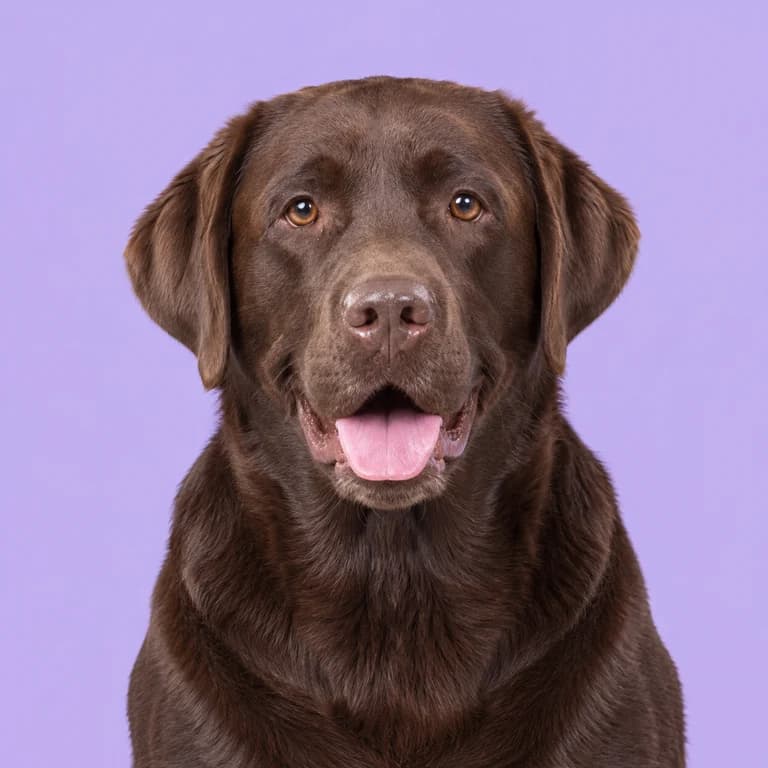
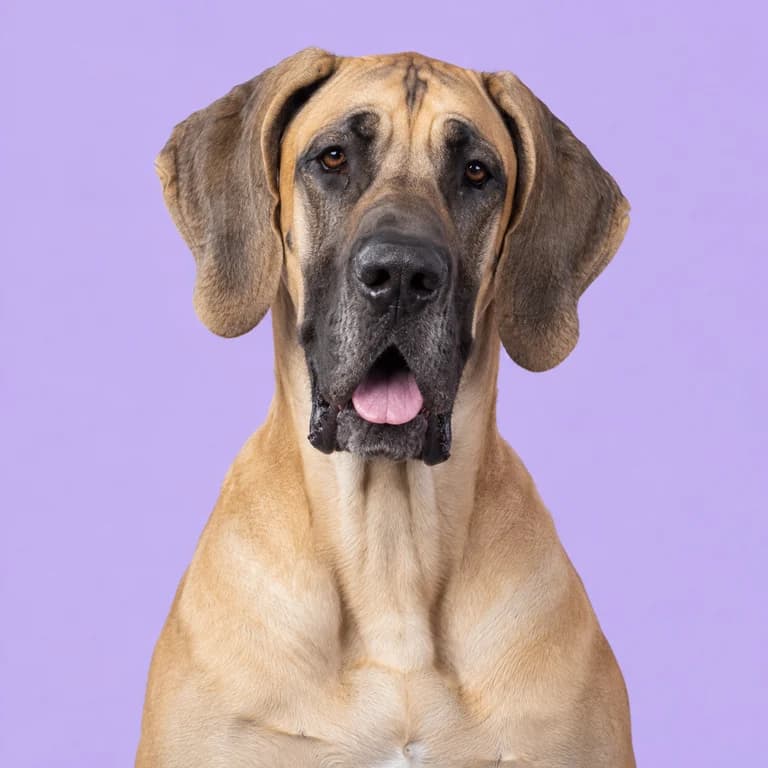
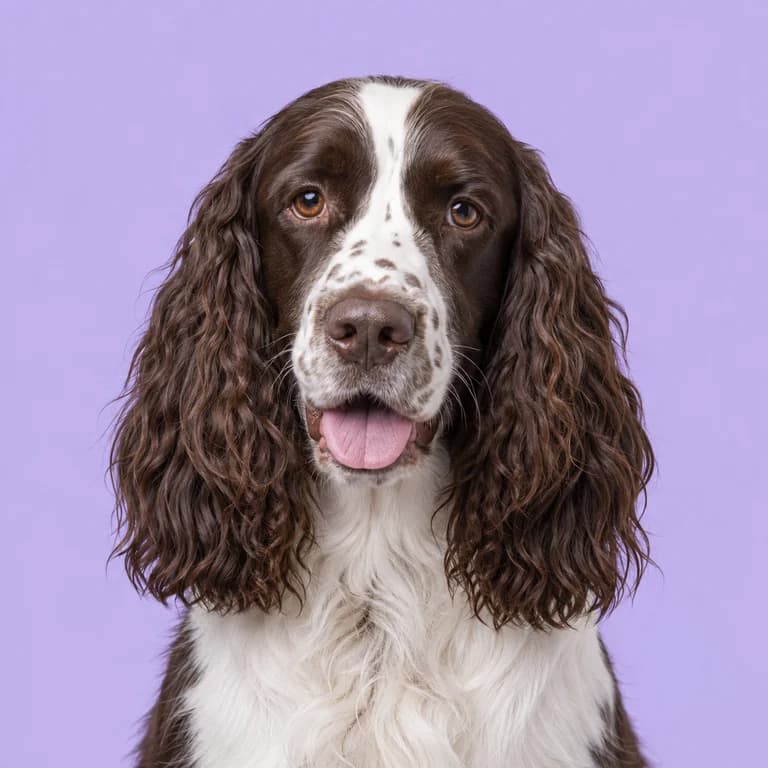
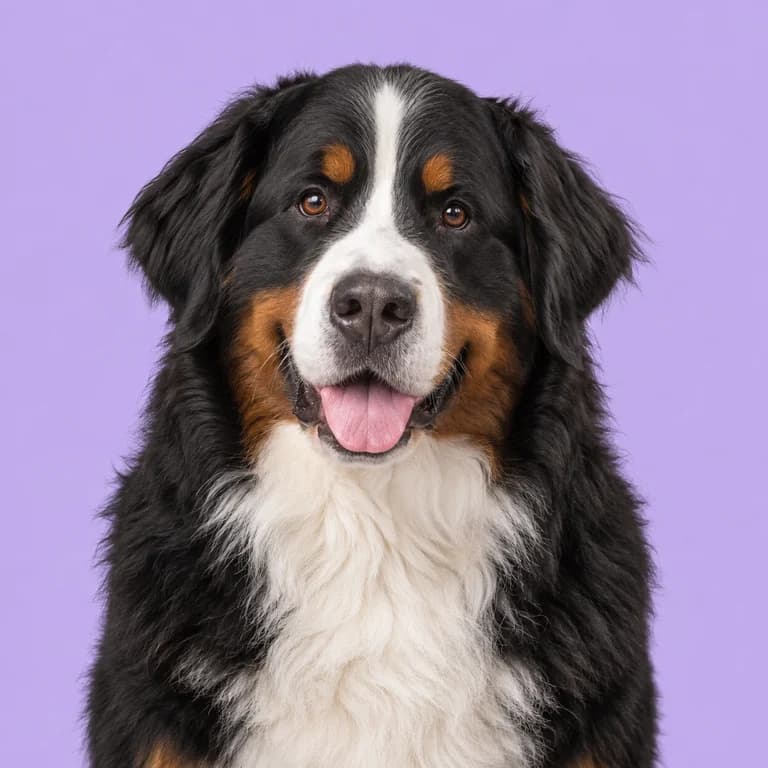
Puppies change faster than any feeding chart can keep up with. A 9-week-old Labrador might weigh 7 kg (15 lb) and manage four small meals a day, yet by six months the same dog can weigh 25 kg (55 lb) and be ready for two. The plan that suits week eight is wrong by week sixteen, which is why so many owners end up with a puppy that is either a little round or constantly hunting for crumbs.
This guide splits the first year (and the second, for giant breeds) into stages. For each stage you get the number of meals, a way to judge portions, what the scale should be doing, and the one or two changes worth making. Treat the chart on your food bag as a starting point and your weekly weigh-in and hands-on body check as the final word.
Weeks 8 to 12: four small meals and a calm routine
Most puppies arrive home at around 8 weeks. Keep feeding whatever the breeder or shelter used for at least 10 to 14 days, even if you plan to change it later. A new home, new people and new smells already put pressure on a young gut, and a food change on top of that is a common reason for loose stools in the first week.
Four meals spread evenly through the day suit this age. Young puppies have small stomachs and burn energy quickly, so a gap longer than about five or six hours leaves them ravenous and more likely to bolt their food. Make the last meal about three hours before bedtime; that gives time for a final toilet trip and makes a dry night more likely.
Work out the daily amount from the bag, using your puppy's current age and expected adult weight, then divide by four. Weigh it on a kitchen scale rather than trusting a scoop. Measuring cups can be off by 20 percent or more depending on kibble shape, and that error compounds over months.
| Age | Meals per day | Example times | What to watch |
|---|---|---|---|
| 8 to 12 weeks | 4 | 7:00, 11:00, 15:00, 19:00 | Firm stools, eager appetite, steady weekly gain |
| 3 to 6 months | 3 | 7:00, 13:00, 18:30 | Fastest growth, rising portions, teething dips |
| 6 to 12 months | 2 (toy breeds often 3) | 7:30, 18:30 | Growth slowing, portion per kg falling |
| 12 to 24 months (large and giant) | 2 | 7:30, 18:30 | Filling out, switch to adult food when your vet agrees |
Months 3 to 6: the fastest growth and the easiest time to overfeed
Between roughly 12 and 26 weeks, many puppies double their body weight. Portions have to rise to match, but only in small steps. Weigh your puppy once a week at the same time of day, ideally before breakfast, and adjust the daily amount every one to two weeks based on what you see rather than on the calendar.
Most puppies are ready to drop from four meals to three somewhere between 12 and 16 weeks. The usual clue is that your puppy starts leaving part of one meal, often the midday one, for several days running. Redistribute that food across the remaining three meals instead of cutting the total.
Teething peaks at about 4 to 6 months, and appetite can dip for a few days at a time. Soaking kibble in warm water for 10 minutes softens it without changing the recipe. If your puppy refuses food for more than a day, or seems flat and uninterested in play as well as food, call your vet rather than waiting it out.
Months 6 to 12: two meals and a smaller portion than you expect
Around six months, most small and medium puppies can move to two meals a day. Toy breeds under about 4 kg often do better on three meals until nearer their first birthday, because their tiny stomachs empty fast and long gaps can leave them shaky.
Here is the part that catches owners out: as growth slows, the amount of food per kilogram of body weight falls. A spaniel eating 280 g a day at five months may need only 250 g at nine months, even though it now weighs more. Feeding charts on many bags show this taper, yet people keep increasing portions out of habit. If your puppy's waist is disappearing, the scale is right and the habit is wrong.
Neutering can lower energy needs noticeably. Weigh weekly for the two months after the procedure and trim the portion by about 10 percent if weight starts creeping up; your vet can give you a target at the post-operation check.
Small, medium, large and giant: when puppyhood really ends
Size decides how long your dog needs puppy food. Small breeds reach adult weight early, while giants keep growing their frame well into their second year. Moving a large-breed puppy onto adult food too early can mean the wrong balance of energy and minerals for a growing skeleton, so let your vet confirm the timing.
Large and giant puppies do best on a food made specifically for large-breed growth, which controls calories and calcium to encourage slow, steady development. Do not add calcium or other supplements to a complete puppy food unless a vet tells you to; extra calcium can do more harm than good in fast-growing bones.
| Expected adult weight | Typical adult size reached | Discuss switching to adult food |
|---|---|---|
| Under 5 kg (11 lb) | 9 to 10 months | Around 9 to 10 months |
| 5 to 10 kg (11 to 22 lb) | 10 to 12 months | Around 10 to 12 months |
| 10 to 25 kg (22 to 55 lb) | About 12 months | Around 12 months |
| 25 to 45 kg (55 to 99 lb) | 12 to 18 months | Around 12 to 15 months |
| Over 45 kg (99 lb) | 18 to 24 months | Around 15 to 24 months, vet guided |
How to tell the portion is right
A scale gives you a trend, but your hands tell you whether that trend is healthy. Run your fingers along your puppy's sides every week. You should feel the ribs easily under a thin layer of padding, without pressing hard, and see a gentle waist when you look down from above. Puppy fluff can hide a lot, so feel rather than just look.
When something is off, change the daily amount by about 10 percent and hold it for a week before judging again. Bigger swings make it hard to tell what caused what.
- Weekly weight gain roughly in line with your breeder's or vet's growth expectations, with no sudden jumps
- Ribs easy to feel, waist visible from above, a slight tuck behind the ribs from the side
- Stools firm and shaped, usually three to five a day for a young puppy
- Food finished within 15 to 20 minutes, with interest but without frantic gulping
- Energy in bursts followed by long naps, which is normal at this age
Treats and training food during the puppy months
Puppy training uses a lot of rewards, and those calories count. A simple fix is to weigh the whole day's food each morning and move a handful into a treat pouch. Your puppy earns part of breakfast by sitting, coming when called and walking nicely, and nothing extra sneaks in.
For high-value moments such as recall in the park, use tiny pieces of plain cooked chicken or a soft training treat cut to the size of a pea. Keep extras to about 10 percent of the day's calories, and if you have a heavy training day, trim the next meal slightly.
Water, bowls and mealtime manners
Fresh water should be available all day. Puppies drink in bursts after play, meals and naps, so a bowl that stays full matters more than a precise daily figure. Many owners lift the water bowl an hour or so before bed to help with night-time toilet training, then offer a drink at the last trip outside.
Pick a shallow, stable bowl that your puppy cannot push around the kitchen; a heavy base or non-slip rim helps. If your puppy clears a meal in under a minute, a slow feeder with a simple pattern or a snuffle mat can stretch that to three or four minutes. Feed in a quiet corner, give 15 to 20 minutes, then lift any leftovers so meals stay meals rather than an all-day buffet.
Checklist
- Keep the breeder's food for the first 10 to 14 days
- Weigh daily food on a kitchen scale, not a scoop
- Weigh your puppy weekly before breakfast and note the number
- Do a rib and waist check every week
- Drop meals from four to three to two as appetite and age allow
- Take training treats from the daily allowance
- Ask your vet when to switch to adult food, especially for large breeds
Questions
How do I know when my puppy is ready to go from three meals to two?
Watch for a pattern rather than a date. Most small and medium puppies move to two meals around six months, often after they start picking at one of their three meals for several days. Keep the daily total the same and split it across two meals. Toy breeds may need three meals longer, and any puppy that becomes wobbly or listless between meals should see a vet.
Is it fine to leave food down all day for my puppy?
Free feeding makes it hard to know how much your puppy actually eats, and many puppies overeat when food is always there. Set meals also make toilet training easier because what goes in on a schedule tends to come out on one. Offer each meal for 15 to 20 minutes, then pick it up. Your puppy will learn the rhythm within a few days.
My puppy seems hungry all the time. Should I feed more?
Many puppies act starving no matter how much they eat, so appetite alone is a poor guide. Check the scale and your rib and waist test first. If growth is on track and body shape is lean but not bony, the portion is fine. If your puppy is losing weight, looks thin, or has persistent diarrhea despite eating well, book a vet visit.
Can I feed a large-breed puppy an all life stages food?
Some all life stages foods are suitable for large-breed growth and some are not. Look for a statement on the label saying the food is complete for growth including dogs that will be large as adults. If the label does not mention large breeds, or you are unsure, choose a food made for large-breed puppies and check with your vet.