Sources for this article
Sporting group · England
English Springer Spaniel
Also called Springer, ESS
A tireless flushing spaniel that treats every hedge as a job and every walk as a hunt.
The English Springer Spaniel was built to spend a whole day quartering rough ground and pushing birds into the air. At home it is cheerful, affectionate and keen to please, but it needs real daily work for body and nose, or it will invent its own.
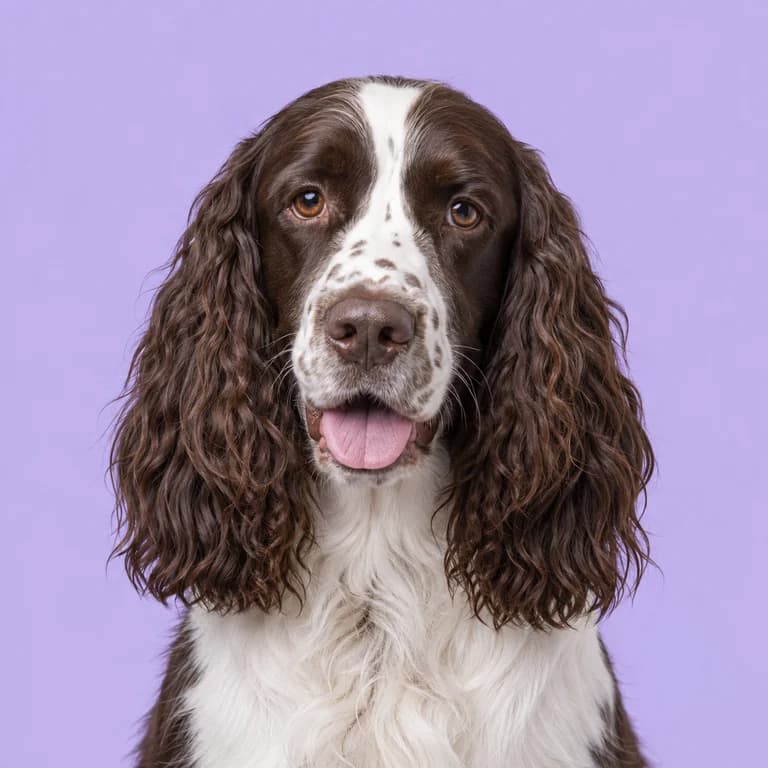
Original AI-generated breed illustration
Weight
18 to 25 kg
40 to 55 lb
Height
46 to 51 cm
at the shoulder
Life expectancy
12 to 14 yrs
Activity estimate
120 to 150 min
editorial daily planning range
Adult-size estimate
15 months
approximate model input
Life with a English Springer Spaniel
Plan on two hours of activity a day and you will have a wonderful dog; plan on a stroll round the block and you will have a frustrated one. That is the first thing to understand about the English Springer Spaniel. The breed was developed in Britain to work close in front of the hunter, covering ground in a zigzag pattern and driving pheasant or grouse out of cover. Until the early 1900s, Springers and Cockers could turn up in the same litter and were simply sorted by size.
Two fairly distinct types exist today. Working-bred Springers are lighter, shorter-coated and intensely driven, and they dominate field trials and detection work. Show-bred dogs are heavier, carry longer ear feathering and are often slightly calmer indoors. Both share the same core personality: friendly, eager, sensitive to your tone of voice and happiest with people around them.
Inside the house, a well-exercised Springer is a soft, tail-wagging shadow that follows you from room to room. Most are good with children and other dogs. The trade-off is intensity, since this is a dog that needs to use its nose and legs every day, and one that turns noisy, chewy or anxious when that need goes unmet.
What stands out
Exercise
Most adult Springers need 90 to 120 minutes of activity daily, with part of it off lead in a safe area. Work that uses the nose tires them far faster than running alone: hide a canvas dummy in long grass, lay a short scent trail, or teach a search game in the garden. Gundog training, scentwork classes, agility and flyball all suit the breed well.
Read the full exercise guideActivity planning estimate
120 to 150 min
editorial estimate, not a prescription
Energy
5 / 5
Playfulness 5 / 5
A great match for
- active owners who walk in any weather
- families with children who love outdoor games
- people interested in gundog work, scentwork or agility
- homes with easy access to fields or woodland
Think twice if
- restless and destructive when under-exercised
- long ears that trap moisture and grass seeds
- a coat that collects mud and burrs
- follows scent and can ignore recall
- struggles when left alone for long hours
Personality and needs at a glance
Living together
Good with children
Good with other dogs
Open with strangers
Apartment friendly
Copes with alone time
Energy and character
Energy level
Playfulness
Easy to train
Barking
5 means very vocal
Care and climate
Grooming needs
Shedding
Drooling
Handles cold
Handles heat
How much an English Springer Spaniel eats
Illustrative calculations for neutered adults at midpoint breed weights, with food at 370 kcal per 100 g and 100 g per cup. These are not measured breed requirements. Use actual weight, the food label and veterinary body-condition advice.
| Dog | Weight | Calories | Dry food |
|---|---|---|---|
| Female, relaxed lifestyle | 21 kg | 940 kcal | 255 g (2.5 cups) |
| Female, typical pet | 21 kg | 1080 kcal | 290 g (3 cups) |
| Male, typical pet | 23 kg | 1160 kcal | 315 g (3.3 cups) |
| Male, very active | 23 kg | 1450 kcal | 390 g (4 cups) |
Care guides for the English Springer Spaniel
Things owners are often surprised by
- 1Named for the way it springs game birds out of cover for the hunter
- 2Recognized in the UK as a breed separate from the Cocker Spaniel in 1902
- 3Working lines and show lines differ clearly in coat, build and drive
- 4One of the most common breeds used by police and customs as a detection dog
- 5Retrieves to hand from land and water
English Springer Spaniel questions
What is the difference between a working and a show English Springer Spaniel?
Working Springers are bred for field performance: lighter frames, shorter coats, higher drive and a faster pace. Show Springers are bred for the breed standard, so they are heavier, more heavily feathered and often a little calmer at home. Both make good pets for active owners, but a working-bred dog needs more daily mental work and suits people who plan to train it seriously.
Is an English Springer Spaniel a good first dog?
It can be, provided the first-time owner is genuinely active. Springers are forgiving, affectionate and quick to learn, which makes early training rewarding. The difficulty is energy rather than temperament: a novice who expects a quiet house dog will struggle. If you can give 90 minutes of exercise daily and join a puppy class, a show-bred Springer is often an easier start than a working one.
Are Springer Spaniels good with cats?
Most live happily with a cat they have grown up with, as they are not a coursing breed. They do have a strong interest in anything that moves, so introductions to an adult cat should be slow, with the dog on lead and the cat able to escape upward. Outdoor cats belonging to neighbors are a different matter, and many Springers will chase them.
Why does my Springer always carry something in its mouth?
Retrieving is bred into the Springer, and holding an object seems to soothe many of them, especially when excited. That is why yours greets you with a shoe or a cushion. Rather than fighting it, keep a basket of toys by the door so there is always a legal item to grab, and reward your dog for bringing things to you instead of running off.
Can a Springer Spaniel live in a flat?
It is possible but demanding. A Springer does not need a large house, it needs daily hard exercise and something to do. Owners in flats who manage well usually live near parks or countryside, walk twice a day for an hour or more, and add indoor scent games. Without that routine, expect barking and chewing that neighbors will notice.
Popular answers for owners
- Bowls and feeding gearCan feeding multiple dogs from one big bowl cause problems?
- How much to feedHow can I tell if my dog is underweight?
- Exercise and playWhat is flirt pole play and is it safe?
- Grooming and coatWhich dogs shed the least?
- Grooming and coatWhat brush should I use for a short smooth coat?
- Puppy feeding and growthWhen should I cut my puppy from 4 meals to 3?
Breeds you might compare
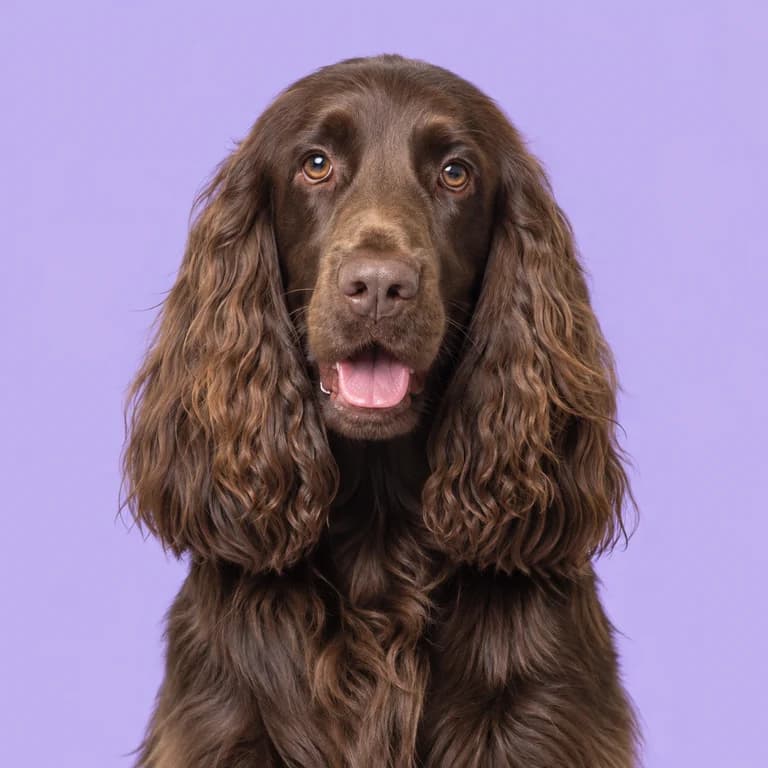
Sporting group
Field Spaniel
16 to 23 kg · 12 to 14 years
A gentle, thoughtful spaniel that nearly disappeared after the Second World War and was rebuilt from a handful of dogs.
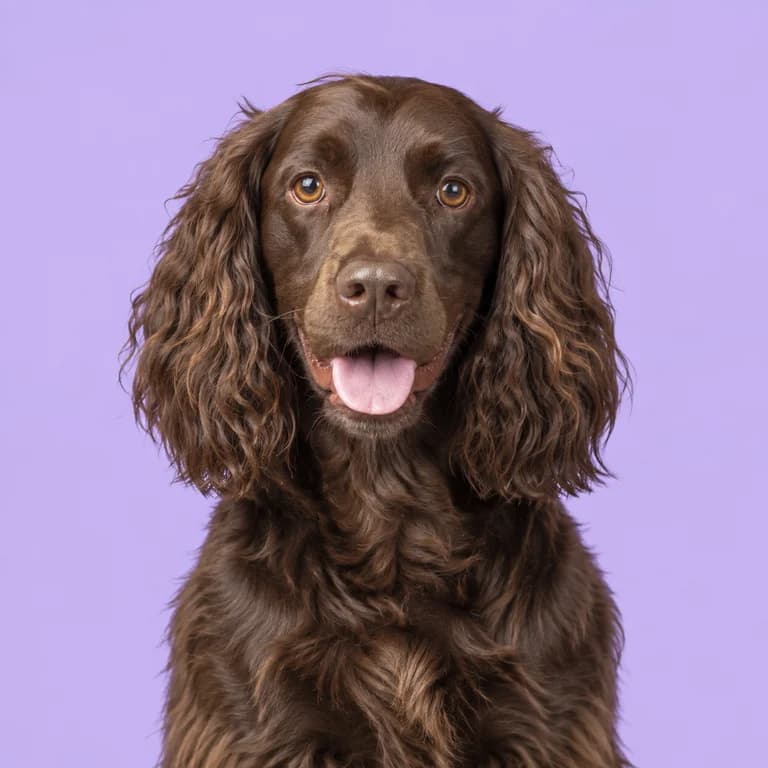
Sporting group
Boykin Spaniel
11 to 18 kg · 12 to 15 years
A compact brown spaniel sized to fit in a small boat, bred in South Carolina swamps for ducks and wild turkey.
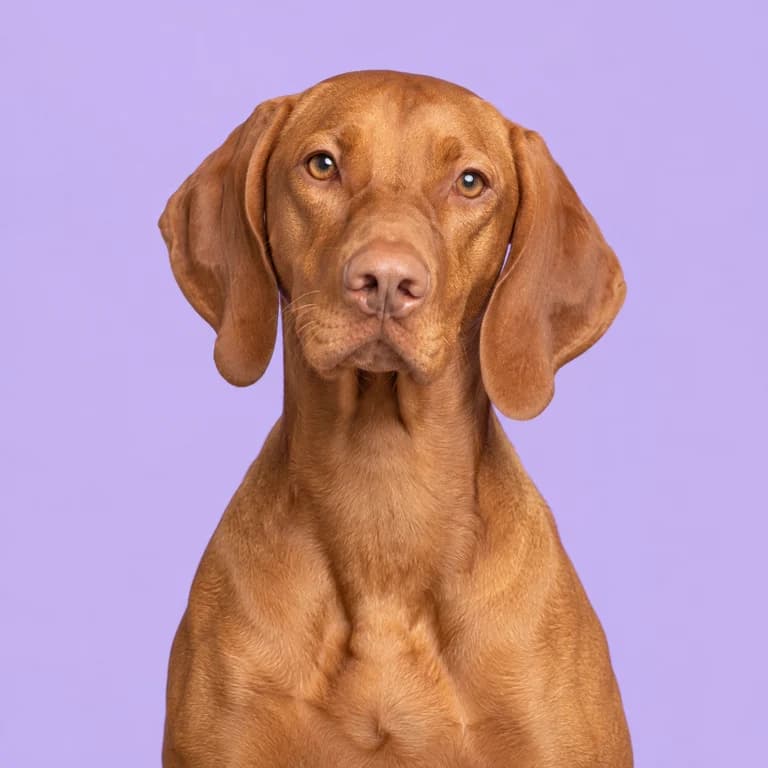
Sporting group
Vizsla
18 to 29 kg · 12 to 14 years
Hungary's golden-rust pointer: a lean athlete that wants miles of running, then a lap to finish on.
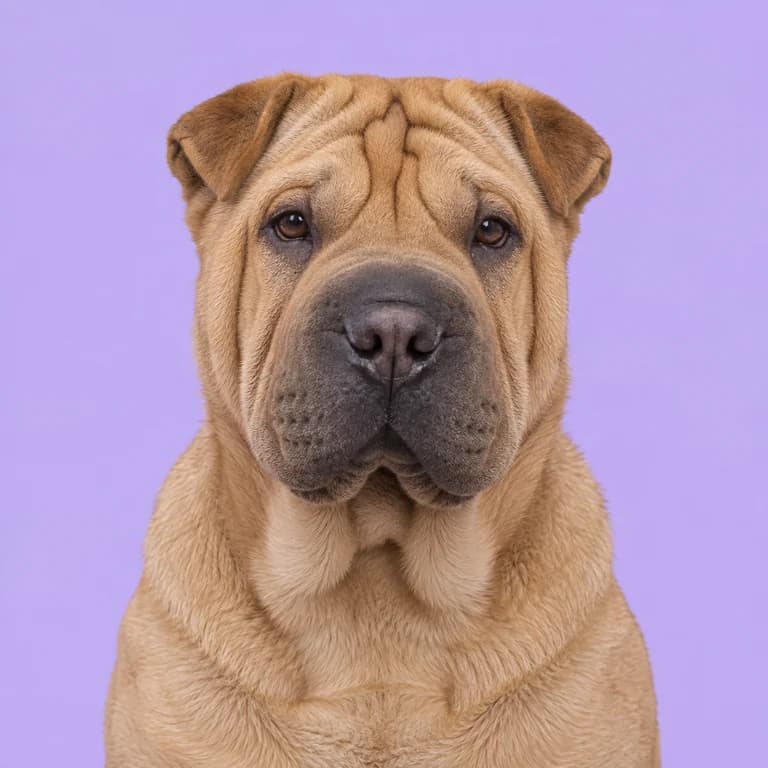
Non-sporting group
Chinese Shar-Pei
18 to 27 kg · 8 to 12 years
A wrinkled, blue-tongued guardian from southern China whose skin and eyes need more attention than almost any breed.
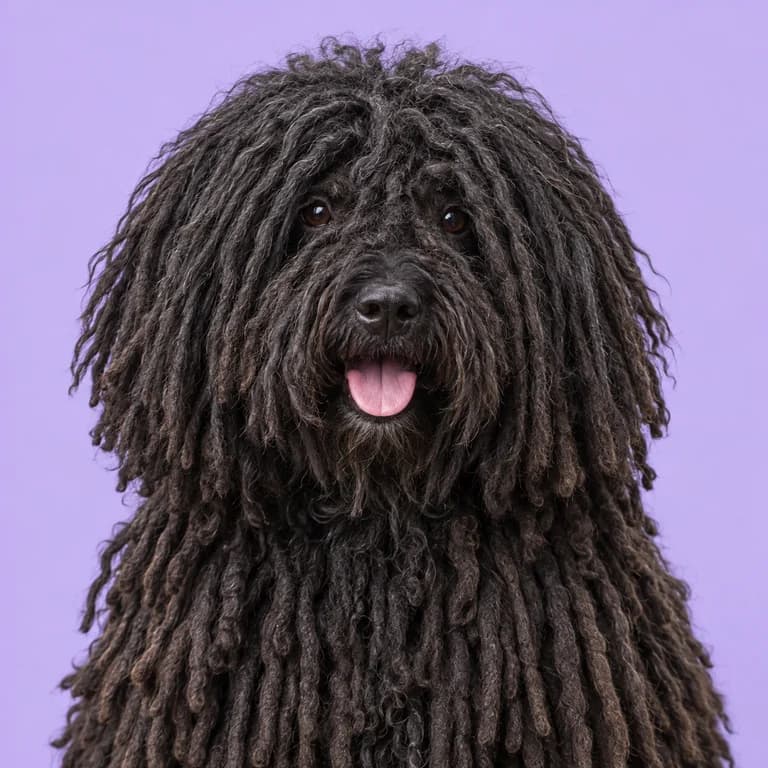
Herding group
Puli
10 to 15 kg · 12 to 16 years
A Hungarian sheepdog wearing its own dreadlocks, quick on its feet and quicker still to notice anything unusual.
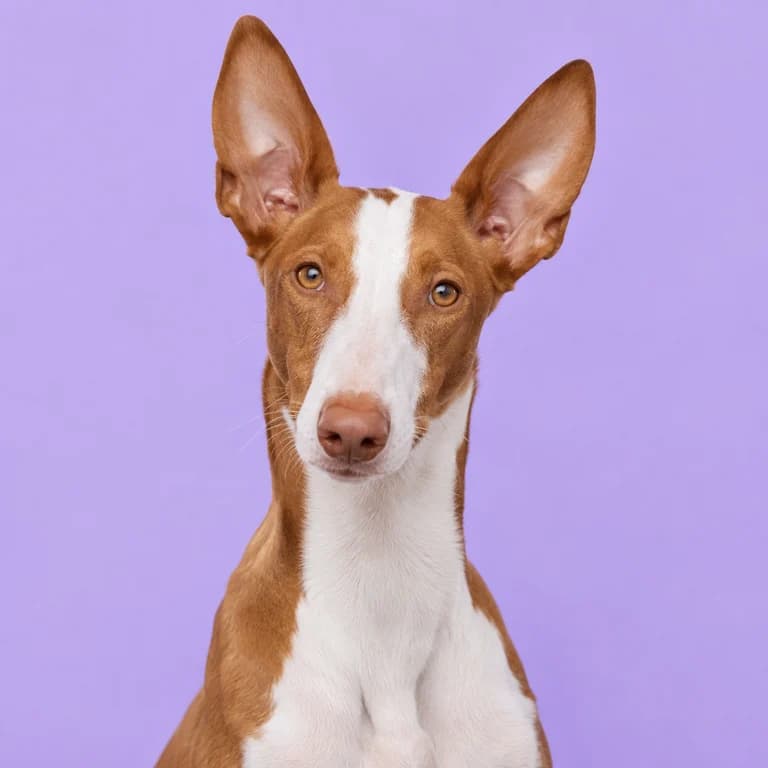
Hound group
Ibizan Hound
19 to 25 kg · 11 to 14 years
A graceful island hunter that tracks rabbits by sight, sound and scent, and clears fences from a standstill.