Dogs cool themselves mainly by panting, and every breath costs water. On a warm day, a dog that normally drinks a liter can easily need twice that, and a dog that runs, plays or travels in heat needs even more. Dogs rarely ask for water politely; if it is not there, they simply go without.
This plan helps you get ahead of the heat. You will find daily water targets for different sizes, a routine for bowls and meals during a heat wave, advice on walks and travel, and clear signs of trouble. It also covers the dogs who need extra care: flat-faced breeds, seniors, puppies, heavy-coated dogs and those carrying extra weight.
How much water your dog needs
A common baseline for healthy adult dogs is roughly 50 ml per kg of body weight per day, including water from food. In hot weather, or after exercise, that can double. Dogs on wet food get a lot of water from their meals and drink less from the bowl, so do not panic if a wet-fed dog seems to drink little.
Measure for a few days in normal weather to learn what your dog usually drinks. Pour a known amount into the bowl in the morning, measure what remains the next morning, and account for spills. That baseline makes it much easier to spot a change later.
| Dog weight | Typical day | Hot or very active day |
|---|---|---|
| 5 kg (11 lb) | About 250 ml | Up to about 500 ml |
| 10 kg (22 lb) | About 500 ml | Up to about 1 liter |
| 20 kg (44 lb) | About 1 liter | Up to about 2 liters |
| 30 kg (66 lb) | About 1.5 liters | Up to about 3 liters |
| 40 kg (88 lb) | About 2 liters | Up to about 4 liters |
Set up water stations before the heat arrives
Put out more water than you think your dog needs, in more than one place. A bowl in the kitchen, one near where your dog naps and one in the garden in full shade means a hot dog never has to go far. Choose a bowl big enough for the day's needs with room to spare, and heavy enough that it cannot be tipped by a paw.
Material matters in the heat. Stainless steel left in the sun can become hot to the touch, and plastic warms quickly too. Ceramic stays cooler, and any bowl stays cooler in shade. Refresh water at least twice a day in hot weather, because warm, stale water grows biofilm faster and many dogs drink less of it.
- At least two water bowls indoors, one outdoors in shade
- Refill and rinse morning and evening
- Add a few ice cubes for dogs who enjoy them
- Use a heavier or non-tip bowl for dogs who dig at water
- Check bowls every time you pass on very hot days
Add water through food and play
Food is an easy way to top up. Adding 100 to 200 ml of water to a medium dog's kibble at each meal, or switching part of the diet to wet food, raises daily intake without relying on the dog to drink. Frozen lick mats with wet food, or ice cubes made from water with a little plain broth that has no onion or garlic, give dogs a cooling activity on hot afternoons.
A shallow paddling pool in shade can help dogs who like water, as long as it is emptied and refilled daily and your dog is supervised. Never force a dog into water it does not enjoy.
Walk timing, pavements and exercise
Move walks to the coolest parts of the day, usually before 8:00 and after 20:00 in summer. On hot afternoons, a short toilet break is enough. Test the pavement with the back of your hand for seven seconds: if it is too hot for you to hold, it is too hot for paws.
On any walk longer than about 20 minutes in warm weather, carry water and a collapsible bowl. As a rough guide, bring about 500 ml per 10 kg of dog for an hour out, and offer small drinks every 15 to 20 minutes rather than waiting until your dog is desperate. After hard exercise, let your dog drink small amounts every few minutes instead of gulping a huge volume at once. Skip fetch, running and cycling alongside the dog on hot days.
Dogs that need extra care in heat
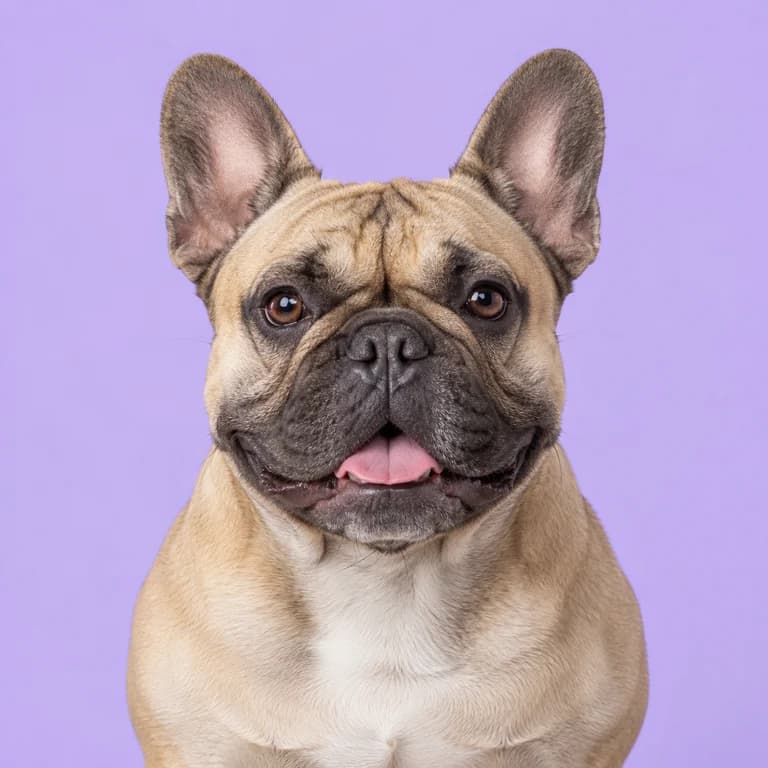
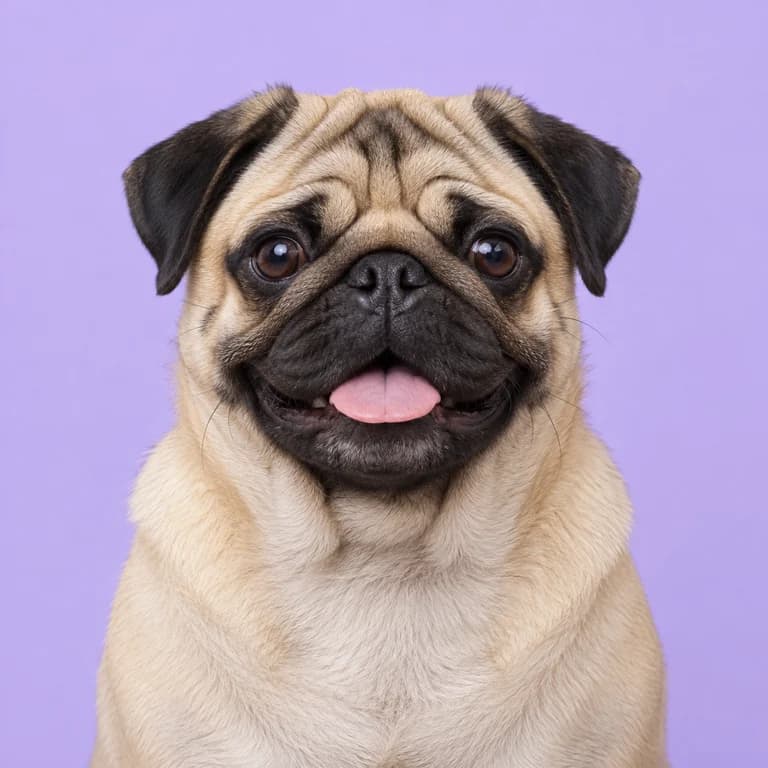
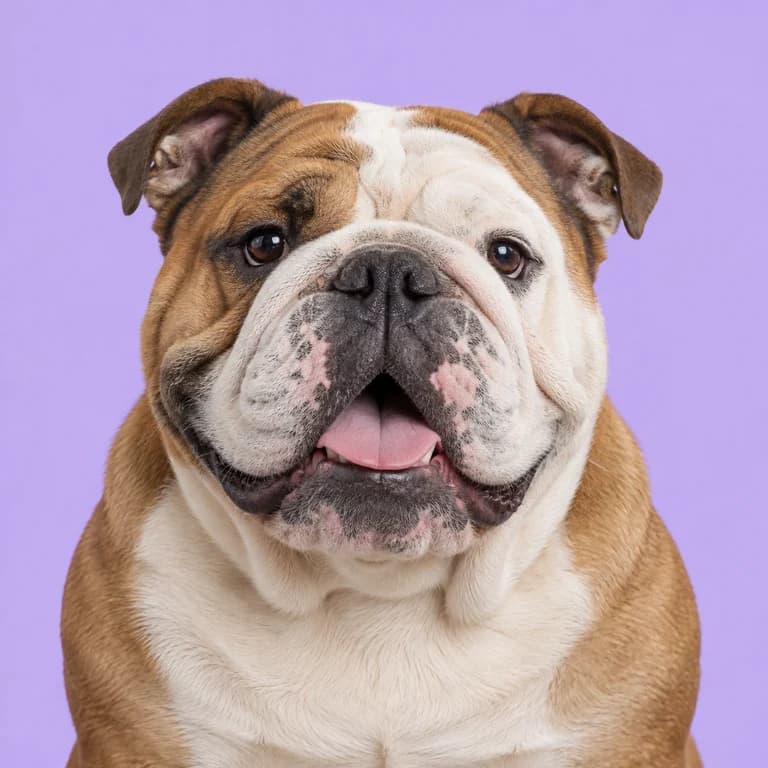
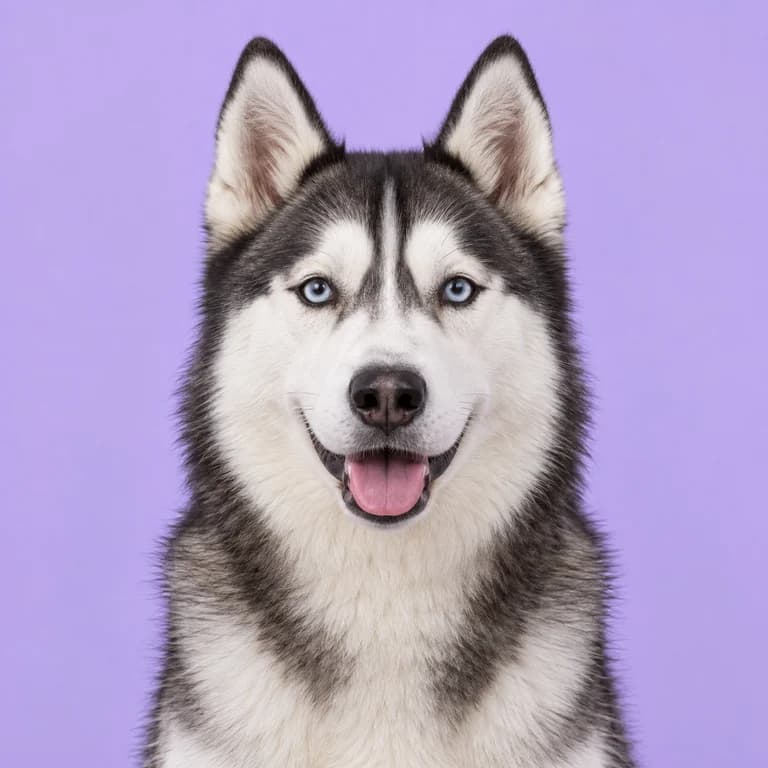
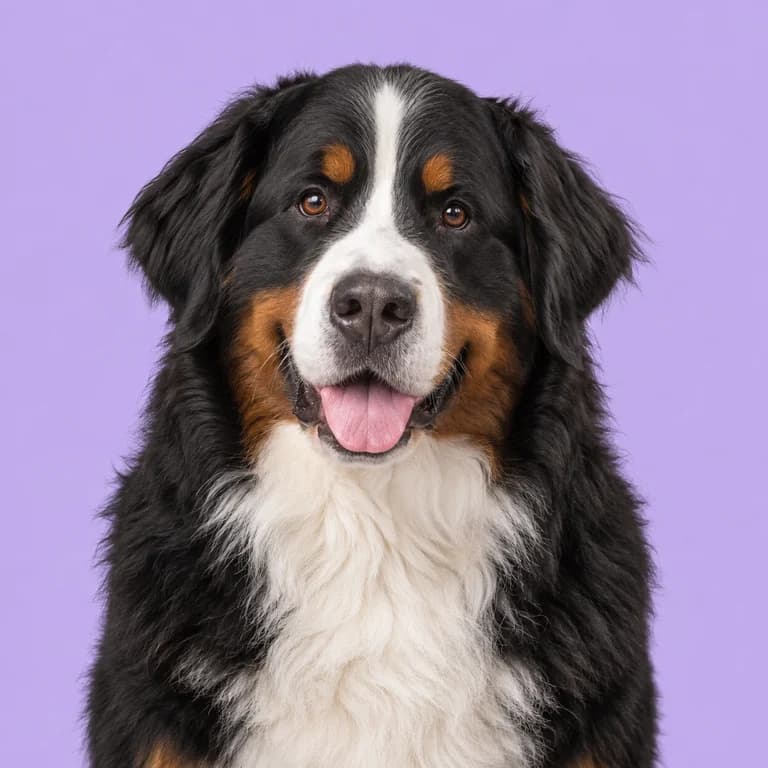
Flat-faced breeds such as Pugs, French Bulldogs and English Bulldogs cannot pant as efficiently, so they overheat faster. Heavy-coated breeds such as Huskies and Bernese Mountain Dogs, dogs carrying extra weight, seniors, young puppies and dogs with heart or breathing problems also struggle in heat.
For these dogs, keep walks very short and early, provide a cool indoor room during the hottest hours, and do not rely on them to drink when they need to. Offer water often, add it to food, and keep them calm. Never shave a double-coated dog to cool it down without asking your vet or groomer first, since the coat can help insulate against heat.
Cars and travel on warm days
Never leave a dog in a parked car on a warm day, even with windows open or for a few minutes. The temperature inside a car can rise by around 10°C (18°F) in 10 minutes, even when it does not feel very hot outside.
For car trips, travel during cooler hours, use shade screens on windows, keep air conditioning running and stop every hour or so for water in a shady place. Bring more water than you think you need, for example two liters for a medium dog on a half-day trip.
Signs of dehydration and heat stress
Watch your dog closely on hot days. Mild thirst is normal; the signs below are not. Heat stress can become life-threatening quickly, so treat any of these as urgent.
If you notice these signs, stop activity, move your dog into shade or a cool room and phone your vet or the nearest emergency clinic at once. They will tell you how to start cooling your dog safely on the way. Do not wait to see whether your dog recovers on its own.
- Heavy panting that does not ease after resting in shade
- Thick drool, or gums that look dark red, pale or feel dry and tacky
- Stumbling, weakness or confusion
- Vomiting or diarrhea
- Collapse or unresponsiveness
Checklist
- Measure your dog's normal daily water intake before summer
- Set up at least three water stations, one in shade outdoors
- Refresh water morning and evening on hot days
- Add water to meals during heat waves
- Walk before 8:00 and after 20:00, and test pavements
- Save your nearest emergency vet's number
Questions
How can I get my dog to drink more water in hot weather?
Offer water in several places, keep it cool and fresh, and try adding water to meals or feeding some wet food. Many dogs enjoy ice cubes or frozen lick mats. A wider bowl or a running water fountain appeals to some dogs. If your dog refuses water entirely for most of a hot day, contact your vet.
Is it safe to give my dog ice water?
Most healthy dogs can drink cool water and chew ice cubes safely, and many enjoy it on hot days. What matters more is avoiding huge volumes gulped at once after hard exercise; offer small amounts regularly instead. If your dog is showing signs of heat stress, call a vet immediately for cooling instructions rather than relying on iced water alone.
My dog is drinking a lot more than usual even on cool days. Should I worry?
A clear increase in drinking without heat, exercise or a change to dry food is worth a vet check, especially if your dog is also urinating more, having accidents or losing weight. Measure intake for two or three days so you can give your vet actual figures, and book an appointment soon rather than waiting.