Sources for this article
Working group · Russia (Siberia)
Siberian Husky
Also called Husky, Sibe
Built to pull light loads over huge distances, this friendly sled dog needs a real outlet or invents its own.
Siberian Huskies are sociable, clever and almost boundlessly energetic, bred by the Chukchi people of northeastern Siberia to run all day on modest rations. They love people and other dogs, guard almost nothing and will test every fence you own. Give one hard daily exercise and secure boundaries, and you get a cheerful, talkative companion.
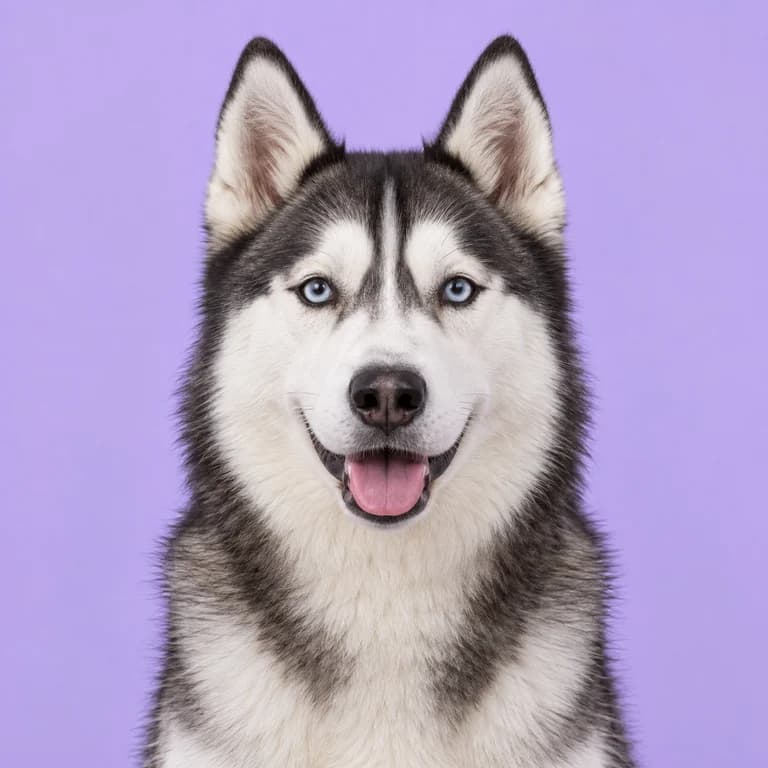
Original AI-generated breed illustration
Weight
16 to 27 kg
35 to 59 lb
Height
51 to 60 cm
at the shoulder
Life expectancy
12 to 14 yrs
Activity estimate
120 to 150 min
editorial daily planning range
Adult-size estimate
15 months
approximate model input
Life with a Siberian Husky
For centuries, the Chukchi of northeastern Siberia relied on small, fast sled dogs that could haul light loads across frozen country while eating very little. Those dogs lived close to their families, and children often slept among them for warmth, which helps explain the modern husky's easy, trusting nature with people.
Huskies reached Alaska in the early 1900s and made their name in long-distance racing, then in the 1925 serum relay to Nome, when teams carried diphtheria medicine roughly 1,085 km (674 miles) in under six days. Leonhard Seppala's lead dog Togo ran the longest leg, while Balto led the final stretch and ended up with the statue in New York's Central Park.
Living with one today means living with that heritage. A husky wants to move, ideally with a job, and it wants company. Most are gentle and outgoing with strangers, so they make hopeless guard dogs, and their independence means they will weigh up your request against whatever the squirrel is doing. Owners who love the breed tend to call it funny, dramatic and relentlessly optimistic.
What stands out
Exercise
Plan on 90 minutes or more of activity a day, with at least part of it at speed. Huskies shine at canicross, bikejoring, scootering and, where snow allows, sledding; a secure field for running with other dogs is also gold. A brisk hour of walking alone rarely takes the edge off a young adult.
Read the full exercise guideActivity planning estimate
120 to 150 min
editorial estimate, not a prescription
Energy
5 / 5
Playfulness 5 / 5
A great match for
- runners, cyclists and canicross fans
- homes with another dog for company
- cool climates
- owners with high, secure fencing
Think twice if
- escapes by digging, climbing and slipping collars
- strong prey drive toward cats and small animals
- rarely reliable off lead
- sheds huge amounts twice a year
- destructive when bored or left for long
Personality and needs at a glance
Living together
Good with children
Good with other dogs
Open with strangers
Apartment friendly
Copes with alone time
Energy and character
Energy level
Playfulness
Easy to train
Barking
5 means very vocal
Care and climate
Grooming needs
Shedding
Drooling
Handles cold
Handles heat
How much a Siberian Husky eats
Illustrative calculations for neutered adults at midpoint breed weights, with food at 370 kcal per 100 g and 100 g per cup. These are not measured breed requirements. Use actual weight, the food label and veterinary body-condition advice.
| Dog | Weight | Calories | Dry food |
|---|---|---|---|
| Female, relaxed lifestyle | 20 kg | 910 kcal | 245 g (2.5 cups) |
| Female, typical pet | 20 kg | 1040 kcal | 280 g (2.8 cups) |
| Male, typical pet | 24 kg | 1200 kcal | 325 g (3.3 cups) |
| Male, very active | 24 kg | 1490 kcal | 405 g (4 cups) |
Care guides for the Siberian Husky
Things owners are often surprised by
- 1Brought to Alaska around 1908 to race in the All Alaska Sweepstakes, a 657 km (408 mile) event
- 2Teams relayed diphtheria antitoxin to Nome in the 1925 Serum Run; the dog Togo covered the longest and most dangerous stretch
- 3Eyes can be brown, blue, one of each, or split with two colors in the same eye
- 4Many huskies eat noticeably less than other dogs of the same weight, a legacy of working on lean rations
- 5They howl, whine and 'talk' far more often than they bark
Siberian Husky questions
Why do Siberian Huskies have blue eyes?
A large consumer DNA study published in 2018 linked blue eyes in huskies to a duplicated stretch of DNA near a gene called ALX4. It is a different mechanism from the merle pattern behind blue eyes in some breeds, and eye color alone does not make a husky more likely to go blind or deaf. Brown, blue, one of each and partly blue eyes are all accepted by the breed standard.
Can a Siberian Husky live in a warm climate?
Many live in places like southern Spain or Texas, but only with real adjustments. Exercise moves to early morning and late night, the dog needs constant shade and water, and air conditioning or cool tiled floors indoors become essential. Regular brushing to clear dead undercoat helps air move through the coat. If you cannot keep a cool indoor space during heatwaves, a heat-tolerant breed is the fairer choice.
Are Huskies safe with cats?
It depends heavily on the individual and on early exposure. The breed has a strong prey drive, and many huskies will chase, and sometimes kill, cats, rabbits and chickens. A puppy raised alongside a confident cat can learn to share the house peacefully, though that truce may not cover cats outdoors. Adult rescues with an unknown history should be cat-tested by the rescue before adoption.
Do Huskies bark a lot?
Not much, but they are far from quiet. Huskies tend to howl, especially in reply to sirens or other dogs, and they 'talk' with a mix of whines, groans and woo sounds when excited or frustrated. That makes them a tricky match for thin-walled flats. Plenty of exercise and short spells alone cut the howling down considerably.
Is a Siberian Husky the same as an Alaskan Malamute?
No. Malamutes are bigger, usually 34 to 39 kg (75 to 85 lb), built to haul heavy freight at a steadier pace, and their standard calls for brown eyes. Huskies are lighter and faster, bred to cover distance with light loads. Malamutes are also more likely to clash with dogs of the same sex, while huskies are usually easygoing pack animals.
Popular answers for owners
- Puppy feeding and growthWhy do puppy foods have more fat than adult dog food?
- Bowls and feeding gearWhat size bowl does my dog need?
- Grooming and coatWhy is my puppy's coat changing color?
- Exercise and playWhen can puppies start going on long walks?
- Puppy feeding and growthHow much food does a puppy need once it reaches adult size?
- Bowls and feeding gearWhat size portions can automatic feeders dispense accurately?
Breeds you might compare
Working group
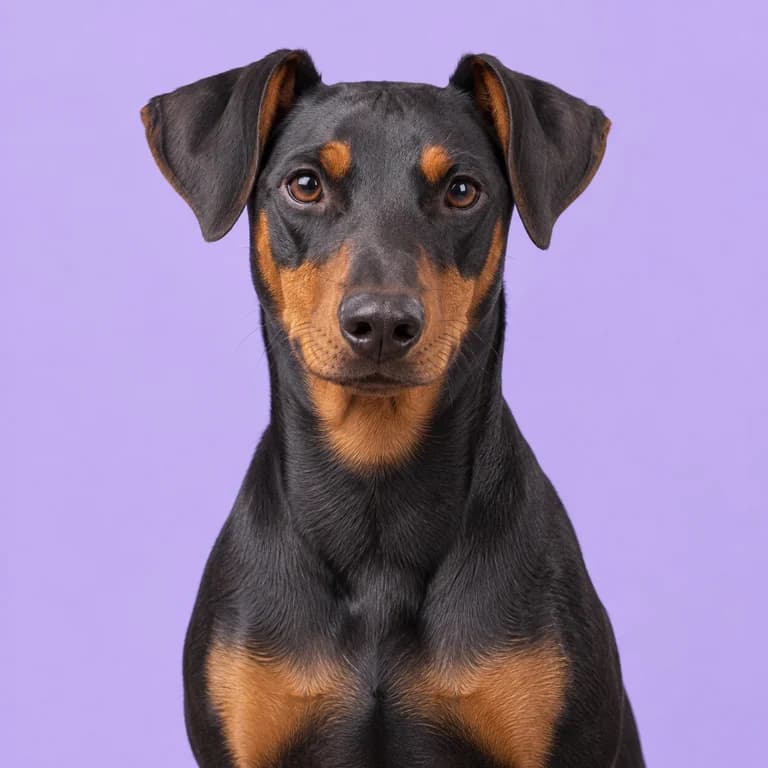
German Pinscher
11 to 20 kg · 12 to 14 years
A sleek German farm dog built for rat catching and speed, with a motor that rarely idles.
Working group
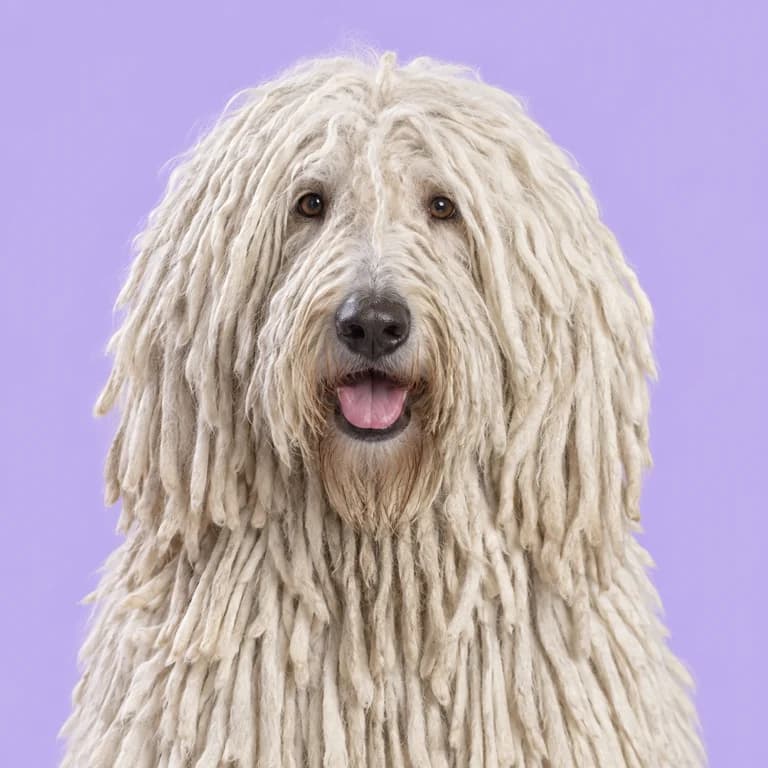
Komondor
40 to 60 kg · 10 to 12 years
A Hungarian flock guardian wrapped in heavy white cords, serious about its job and slow to trust outsiders.
Working group
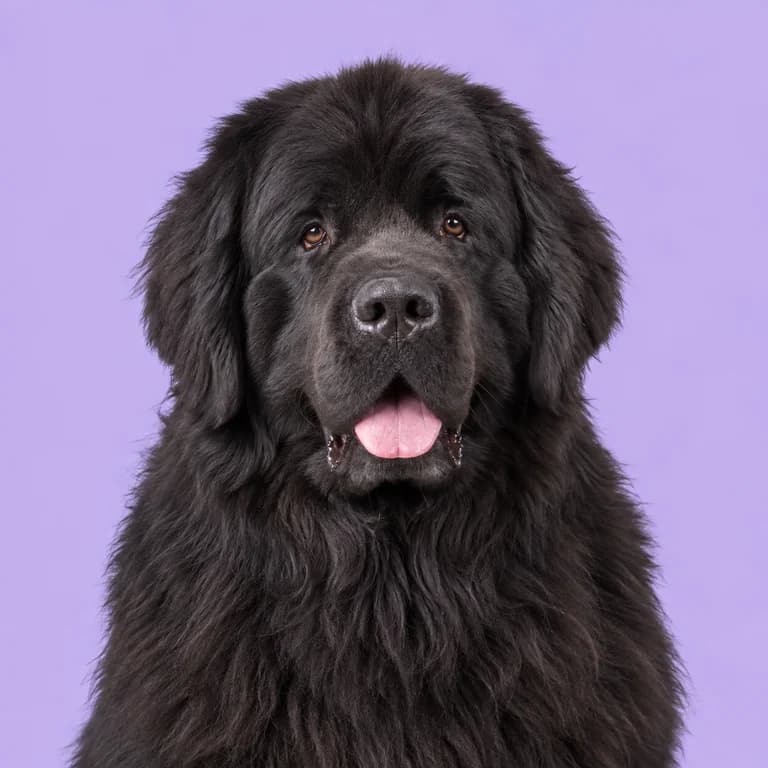
Newfoundland
45 to 70 kg · 8 to 10 years
A gentle giant with webbed feet, a lifesaving instinct in water and a drool towel never far away.
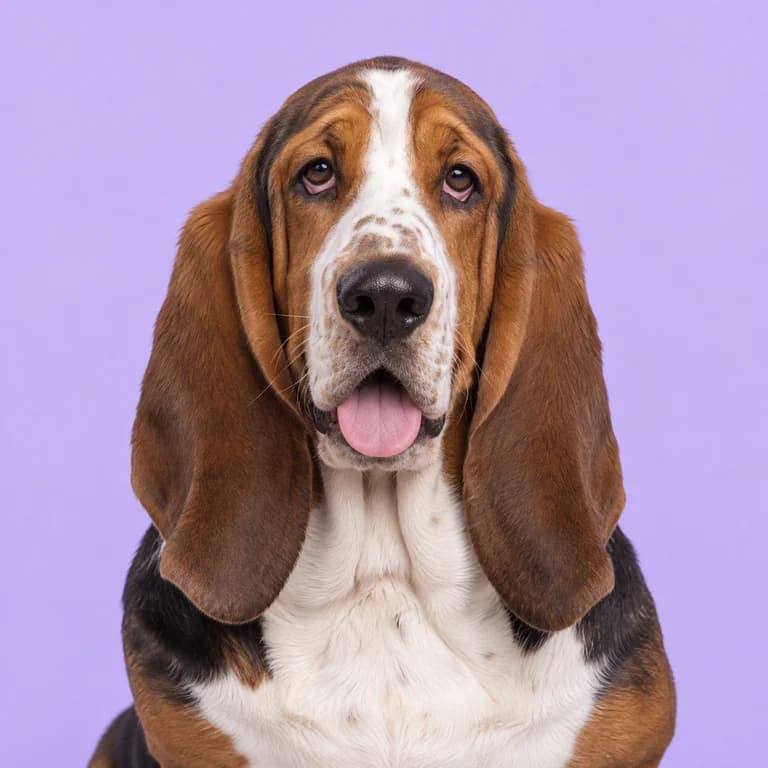
Hound group
Basset Hound
20 to 29 kg · 10 to 12 years
A scent hound nearly as heavy as a Labrador, built on legs barely 35 cm tall.
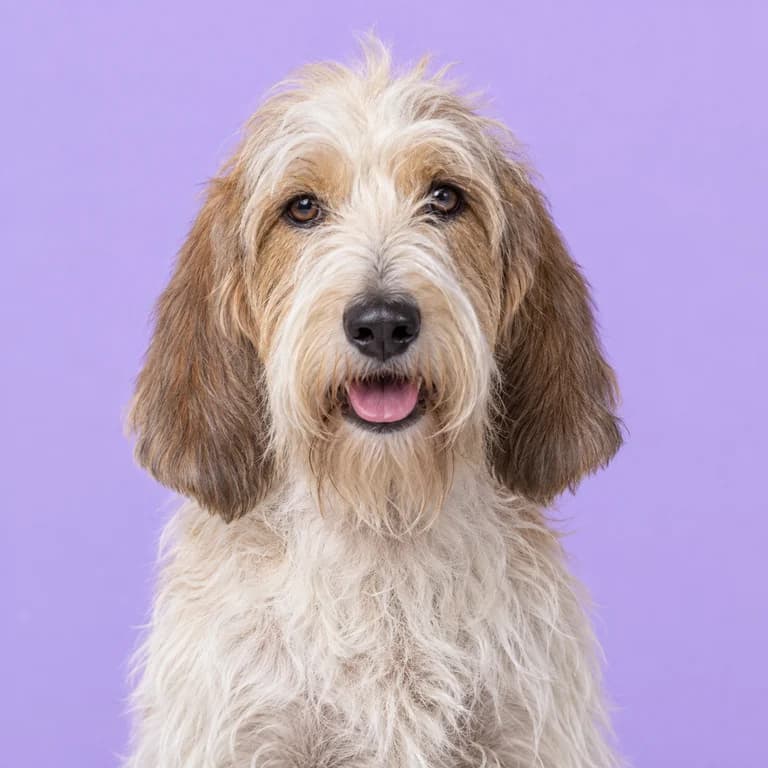
Hound group
Petit Basset Griffon Vendéen
11 to 18 kg · 12 to 15 years
A scruffy, merry French rabbit hound whose nose runs its life and whose tail rarely stops wagging.
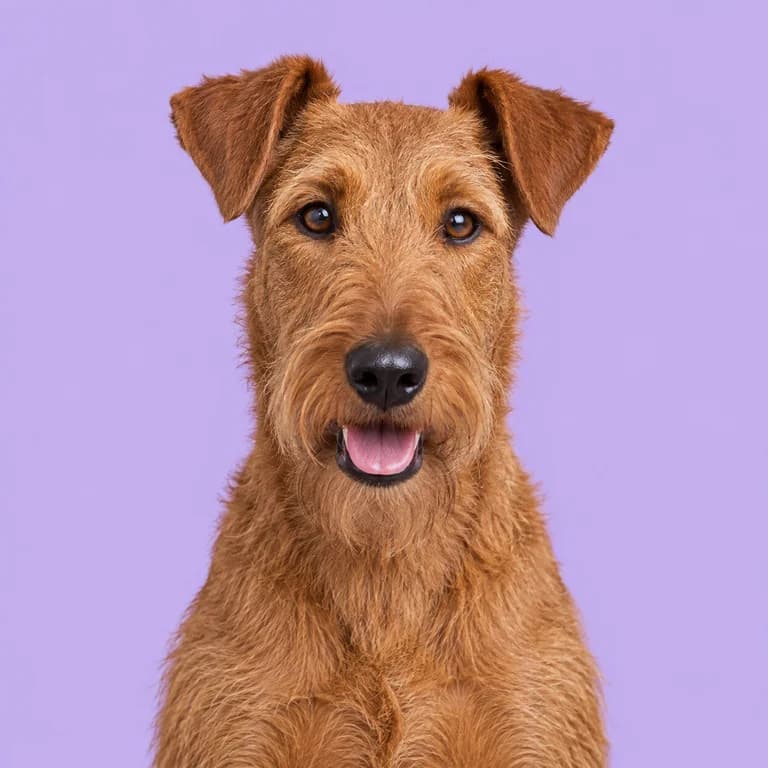
Terrier group
Irish Terrier
10 to 13 kg · 13 to 15 years
The fiery red daredevil of the terrier world, loyal and funny with family and famously brave.