Sources for this article
Non-sporting group · England
English Bulldog
Also called British Bulldog, Bulldog
A low-slung, sociable couch companion whose flat face shapes nearly every decision you make about its care.
The English Bulldog is a heavy, low, affectionate companion that asks for little exercise but a lot of care. Its flat face and loose skin mean breathing, heat and skin folds need daily attention, so the choice of breeder and a lean body matter more than with most breeds.
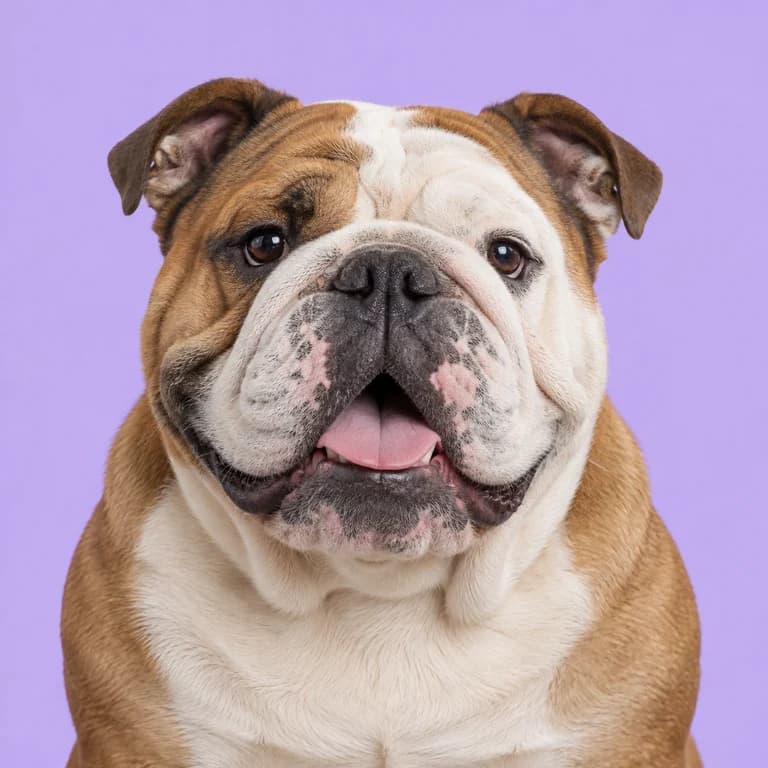
Original AI-generated breed illustration
Weight
18 to 25 kg
40 to 55 lb
Height
31 to 40 cm
at the shoulder
Life expectancy
8 to 10 yrs
Activity estimate
30 to 60 min
editorial daily planning range
Adult-size estimate
18 months
approximate model input
Life with a English Bulldog
The English Bulldog started life in the brutal sport of bull-baiting, which Britain outlawed in 1835. With its original job gone, the breed was reshaped over the following decades into a shorter, heavier and far gentler animal. What survives of the working ancestor is mostly the silhouette: the rolling gait, the undershot jaw and a stubborn streak that appears whenever you ask for something the dog considers pointless.
Day to day, a Bulldog is excellent company for a household that moves at an unhurried pace. Most are affectionate with everyone they meet, rarely bark, and would rather lean against your shins than chase a ball for an hour. They are sturdy enough for sensible children and usually easygoing with visitors, although some adult males can be pushy with other male dogs.
The part that needs honest thought is the body. A short muzzle, narrow nostrils and a long soft palate mean many Bulldogs struggle to cool down and to breathe hard during effort. Owning one means planning walks around the weather, keeping the dog lean, and choosing a breeder who selects for open airways rather than an exaggerated face. Go in with your eyes open and you get a wonderfully funny, loyal housemate.
What stands out
Health
The English Bulldog is known to be predisposed to brachycephalic obstructive airway syndrome (BOAS), heat intolerance, skin fold infections, eyelid and third-eyelid problems such as entropion and cherry eye, hip and elbow dysplasia, and spinal malformations associated with the corkscrew tail. In the UK, a responsible breeder will have the parents assessed under the Respiratory Function Grading Scheme and should also be able to show hip results, eye checks and heart examinations.
Read the full health guideLife expectancy
8 to 10 yrs
Senior care
Individual assessment
age alone does not define care needs
A great match for
- relaxed households happy with short daily walks
- flat or apartment living
- families with sensible children
- owners who are home for much of the day
Think twice if
- breathing problems and poor heat tolerance
- skin folds that need cleaning every day or two
- high lifetime vet costs
- snoring, drooling and wind
- plants its feet and refuses to walk on
Personality and needs at a glance
Living together
Good with children
Good with other dogs
Open with strangers
Apartment friendly
Copes with alone time
Energy and character
Energy level
Playfulness
Easy to train
Barking
5 means very vocal
Care and climate
Grooming needs
Shedding
Drooling
Handles cold
Handles heat
How much an English Bulldog eats
Illustrative calculations for neutered adults at midpoint breed weights, with food at 370 kcal per 100 g and 100 g per cup. These are not measured breed requirements. Use actual weight, the food label and veterinary body-condition advice.
| Dog | Weight | Calories | Dry food |
|---|---|---|---|
| Female, relaxed lifestyle | 21 kg | 940 kcal | 255 g (2.5 cups) |
| Female, typical pet | 21 kg | 1080 kcal | 290 g (3 cups) |
| Male, typical pet | 24 kg | 1210 kcal | 330 g (3.3 cups) |
| Male, very active | 24 kg | 1520 kcal | 410 g (4 cups) |
Care guides for the English Bulldog
Things owners are often surprised by
- 1Bull-baiting, the job it was originally bred for, was banned in Britain in 1835
- 2The first Bulldog breed club was founded in 1864, one of the oldest of its kind
- 3The large majority of litters are delivered by caesarean section
- 4Barks very little, which makes it easy to live with in flats
- 5Exercise above about 25 °C (77 °F) can quickly become risky
English Bulldog questions
Can English Bulldogs swim?
Very few can swim safely. A heavy front end, short legs and a flat face make it hard to keep the nose above water, and many sink quickly. If you have a pool or visit lakes, use a well-fitted dog life jacket with a grab handle, stay within arm's reach and never assume your Bulldog will paddle to safety. Supervised splashing in shallow, cool water on a warm day is fine.
Why does my Bulldog snore so loudly?
Snoring comes from soft tissue vibrating inside a short, crowded airway, and some snoring during sleep is normal for the breed. It becomes a concern when a Bulldog snorts or rasps loudly while awake and calm, wakes up gasping, or struggles after a short walk. Those signs are worth raising with your vet, who can assess the airway and explain whether further examination makes sense.
Are English Bulldogs suitable for hot countries?
They cope poorly with heat. A Bulldog cools itself mainly by panting, and a short airway makes panting inefficient, so overheating can happen within minutes on a warm afternoon. In a hot climate you need an air-conditioned or naturally cool room, walks only at dawn or late evening, and constant shade and water. Never leave one in a parked car, even for a short errand.
Do English Bulldogs need a caesarean to give birth?
Most do. Puppies have large, broad heads and the mother has comparatively narrow hips, so natural delivery is often unsafe, and a large majority of litters are born by planned caesarean. This is one reason Bulldog puppies are expensive and why breeding should be left to experienced people working closely with a vet from mating through to delivery.
What is the difference between an English Bulldog and a French Bulldog?
The English Bulldog is much heavier, around 23 to 25 kg for a male, lower to the ground and wider through the chest, with small folded rose ears. The French Bulldog stays under about 13 kg and has tall, upright bat ears. Both are flat-faced and share breathing and heat concerns, but the English breed is usually calmer indoors and noticeably quieter.
Popular answers for owners
- Exercise and playHow do I introduce a puzzle toy to my dog?
- Exercise and playCan all dogs swim naturally?
- Exercise and playHow often should I replace my dog's toys?
- Bowls and feeding gearWhat type of puzzle feeder is best for a smart dog?
- Exercise and playHow do I exercise a deaf dog safely?
- Exercise and playWhat are the signs a dog has had too much exercise?
Breeds you might compare
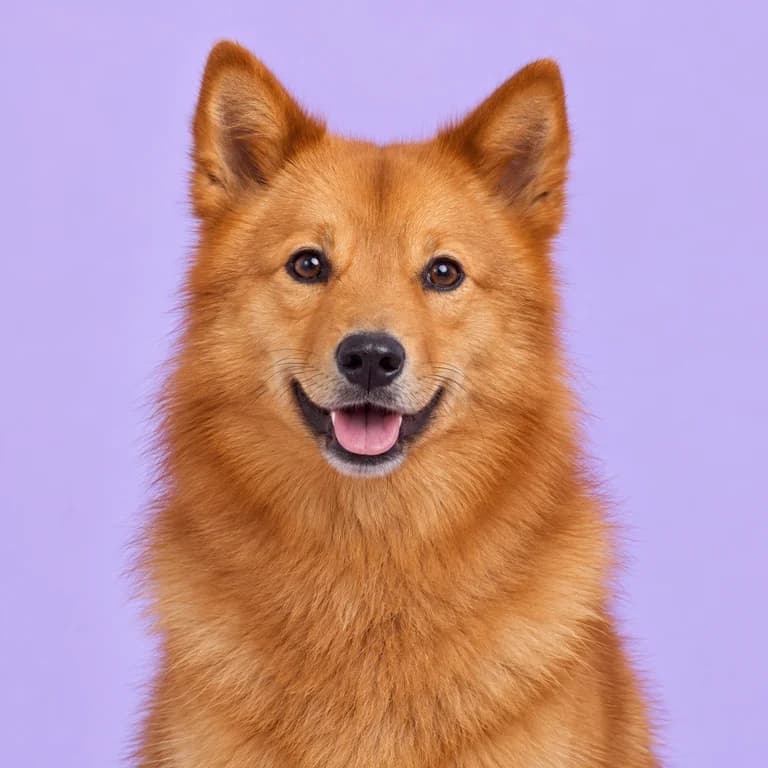
Non-sporting group
Finnish Spitz
9 to 15 kg · 13 to 15 years
Finland's fox-red bird dog, built to bark a treed capercaillie into staying put, and happy to narrate your day.
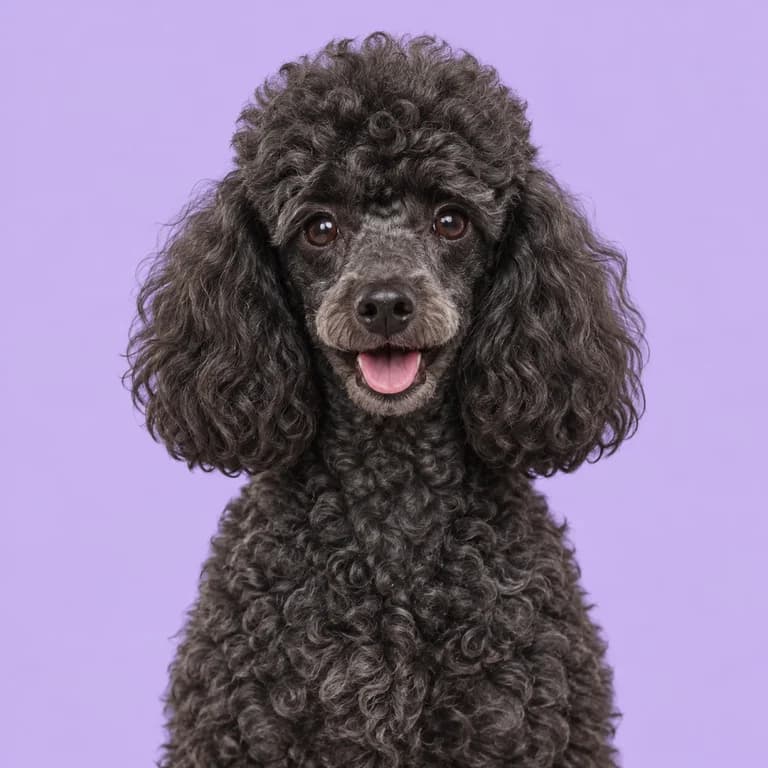
Non-sporting group
Miniature Poodle
5 to 8 kg · 14 to 17 years
A pocket-sized scholar that learns a new cue in a handful of repetitions and gets bored just as fast.
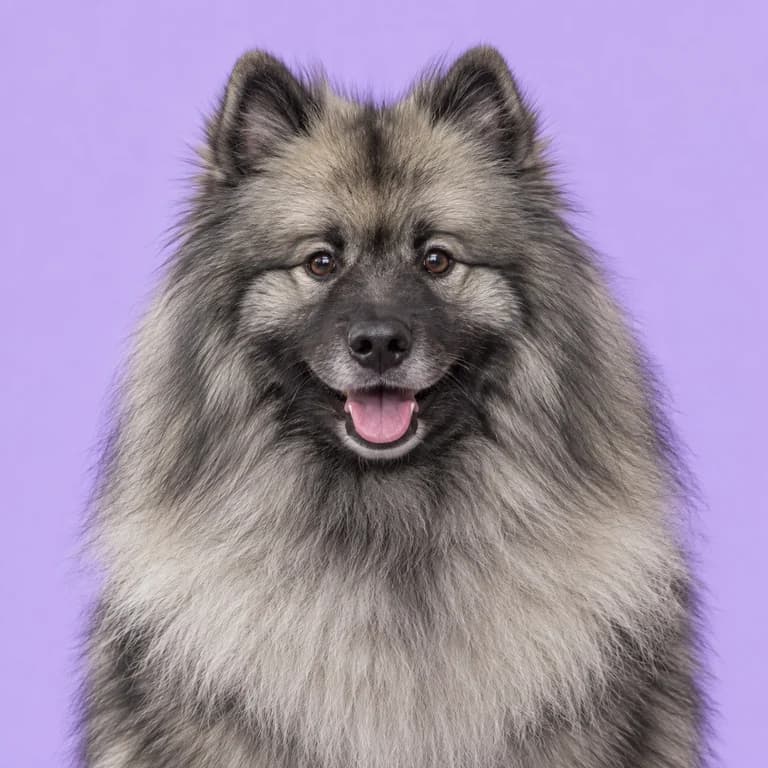
Non-sporting group
Keeshond
14 to 20 kg · 12 to 15 years
Once the watchdog of Dutch river barges, now a spectacled, fluffy companion with a talent for reading people.

Hound group
Portuguese Podengo
4 to 30 kg · 12 to 15 years
Portugal's rabbit hunter comes in three sizes and two coats, all sharing big ears, sharp senses and a lively mind.
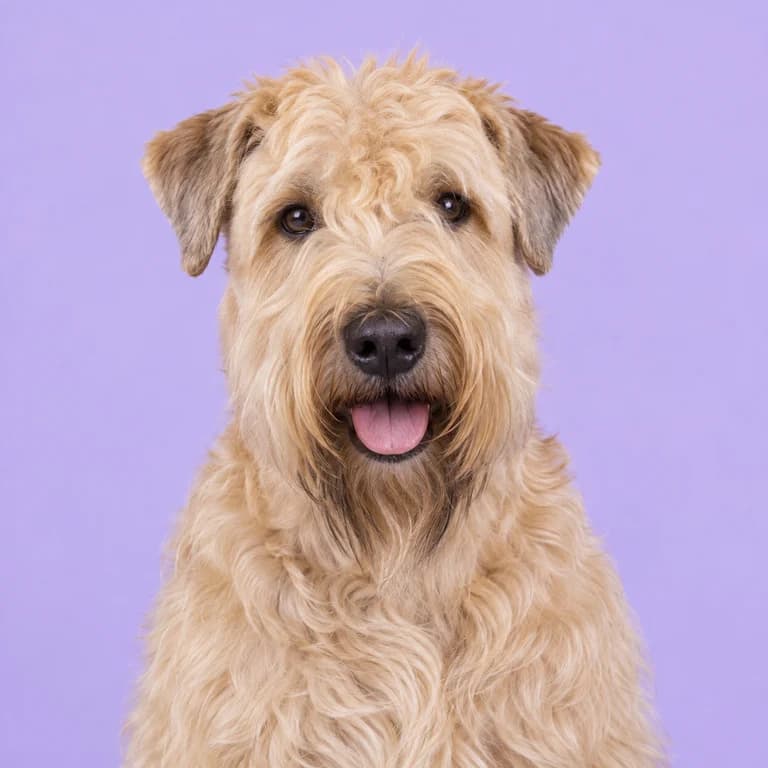
Terrier group
Soft Coated Wheaten Terrier
14 to 18 kg · 12 to 14 years
Silky, bouncy and relentlessly cheerful, the Wheaten asks for more brushing than almost any terrier.
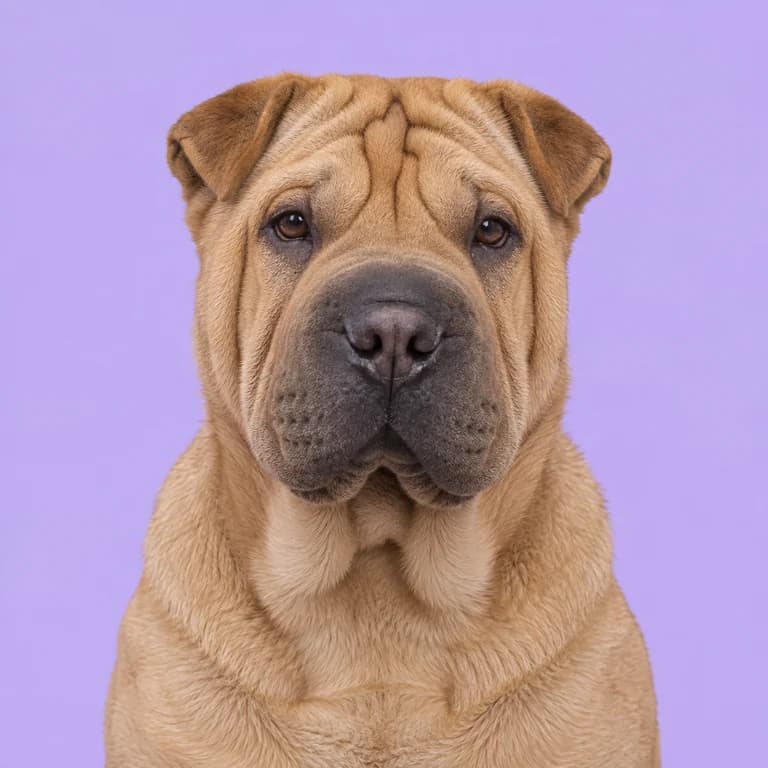
Non-sporting group
Chinese Shar-Pei
18 to 27 kg · 8 to 12 years
A wrinkled, blue-tongued guardian from southern China whose skin and eyes need more attention than almost any breed.