A dog that has run around the garden for 20 minutes can still be bouncing off the walls an hour later, because physical tiredness and mental tiredness are not the same thing. Sniffing, problem solving and foraging use a different kind of energy, and 15 minutes of genuine mental work can leave a dog as settled as a much longer walk. This matters most on rainy days, during recovery from an injury, in small apartments, or simply on evenings when a full walk is not realistic.
Below are indoor activities organized into three groups: quick five minute options for a busy weekday, slightly bigger projects for a free afternoon, and games that use nothing but items already in most kitchens. None require special training, though a few work better once your dog understands a basic "find it" cue, which most dogs pick up within two or three short sessions.
Five minute options for a busy day
Scatter feeding turns any meal into a search game: instead of pouring kibble into a bowl, scatter a handful across a towel, a section of low pile carpet, or a muffin tin with a tennis ball in each cup to slow things down. This alone can add 5 to 10 minutes of focused sniffing to a meal that would otherwise take 30 seconds.
A frozen food toy (a rubber toy stuffed with wet food, plain yogurt or mashed banana and frozen for at least 4 hours) turns a 90 second snack into a 20 to 30 minute project, and works well as a calm activity while you are on a call or eating dinner yourself.
A cardboard tube with the ends folded shut and a treat or two tucked inside gives a fast, low mess option for a dog that just needs a few minutes of focused chewing and tearing, and the tube can go straight into recycling afterward.
- Scatter feed a meal across a towel or low pile carpet
- Freeze a stuffed toy for at least 4 hours before giving it
- Hide 5 to 10 treats around one room for a quick nose work round
- Rotate two or three toys weekly so none go stale from overuse
Bigger projects for a free afternoon
A cardboard box maze works for almost any size dog: cut doorways into three or four medium boxes, tape them into a rough loop or line, and hide treats or a favorite toy inside. Most dogs need only one demonstration before they understand the game, and the destruction phase afterward (which most dogs enjoy just as much) is part of the fun rather than a failure of the activity.
A DIY snuffle project made from an old towel rolled and knotted several times, with kibble tucked into the folds, gives 10 to 15 minutes of methodical work and can be remade in under 2 minutes once your dog has finished. For dogs that dig, a shallow box or bin filled with scrunched paper or an old blanket, with treats buried inside, channels that instinct somewhere acceptable.
Games that only need a working brain, not a shopping list
The cup game (three or four opaque cups, one treat hidden under one cup, shuffle slowly at first) teaches scent tracking and works for dogs of any training level within a few rounds. "Which hand" (a treat closed in one fist, hands presented side by side) is even simpler and portable enough for a hotel room or waiting area.
Basic trick training in 5 minute bursts (a new hand target, "spin", or "touch") gives real mental engagement because learning something new is more tiring than repeating something already known. Two or three short sessions a day work better than one long one, since most dogs lose focus after about 10 minutes of concentrated learning.
Match the activity to your dog's actual drive
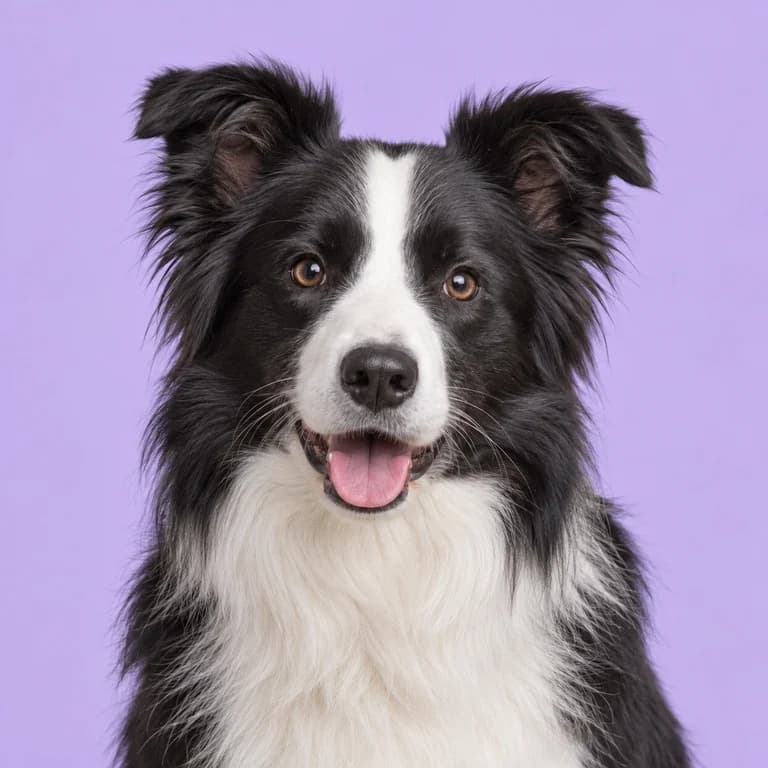
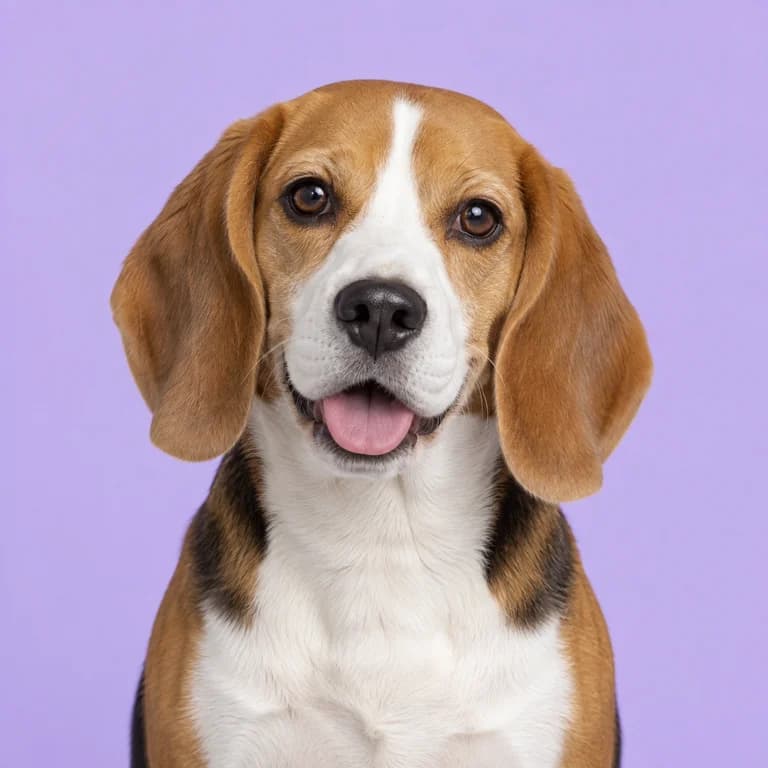
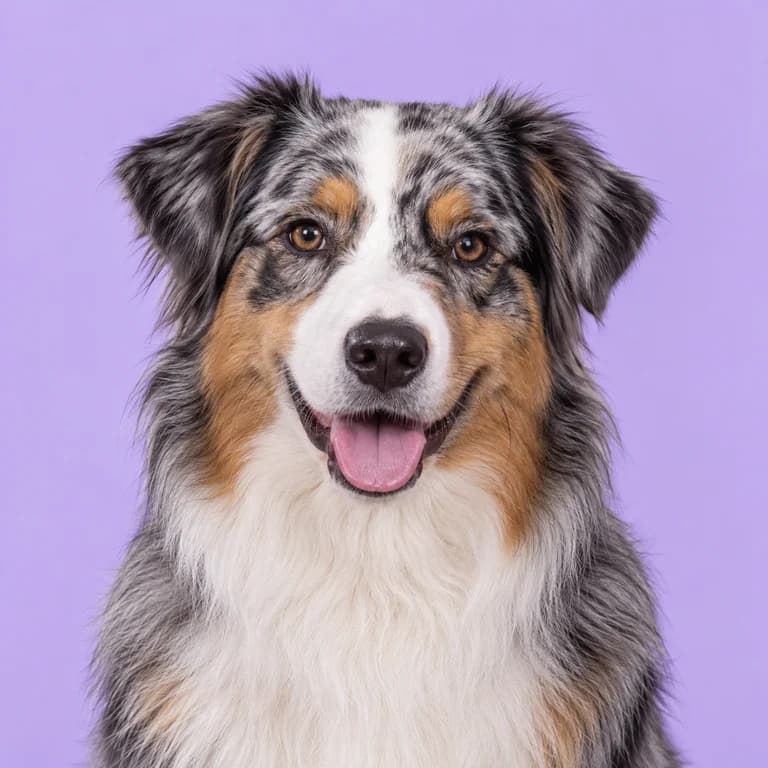
Scent based games suit hounds, spaniels and most gundog breeds particularly well, since their instinct is built around following a trail with their nose. Herding breeds like Border Collies and Australian Shepherds often respond better to structured problem solving (puzzle feeders, trick sequences) than to free sniffing, because the mental challenge of a puzzle matches their drive to work through a task.
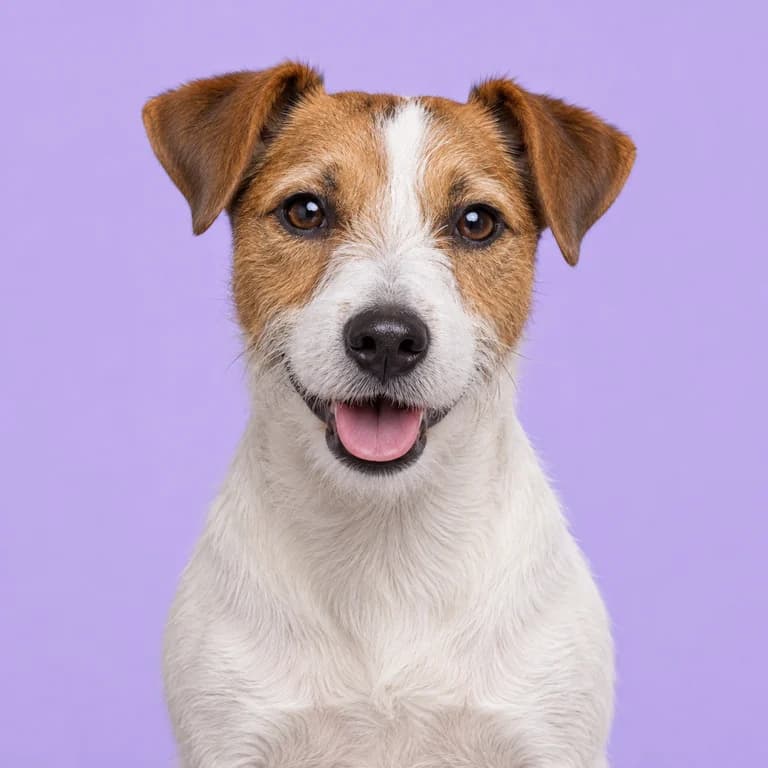
Terriers bred to dig and chase small prey often enjoy dig boxes and toys that resist and "fight back" a little, such as a flirt pole used carefully indoors in a hallway with soft footing. If one type of game gets an unusually flat response, try a different category before assuming your dog dislikes enrichment altogether.
| Dog type | Enrichment style that usually lands best |
|---|---|
| Hounds, spaniels, gundogs | Scatter feeding, snuffle mats, cup games |
| Herding breeds | Puzzle feeders, trick sequences, problem solving |
| Terriers | Dig boxes, tug and resistance games |
| Toy and companion breeds | Short trick training, gentle find it games |
Avoid the two most common mistakes
The first mistake is making every puzzle too easy for too long, which stops adding any mental value once a dog can solve it without thinking. Increase difficulty gradually (more cups, a tighter fold in the snuffle towel, a puzzle feeder's next difficulty level) roughly every one to two weeks as your dog gets faster.
The second is expecting enrichment to fully replace physical exercise. Mental work is a genuine supplement that reduces boredom and can take the edge off a low activity day, but most dogs still need regular movement for muscle, joint and cardiovascular health, so treat these ideas as an addition to daily walks rather than a permanent substitute.
Build a simple weekly rotation
A workable pattern for most households is one scatter fed meal, one frozen stuffed toy, one new or refreshed puzzle, and two or three short training sessions spread across a week, adjusted up or down based on how settled your dog seems. Keeping a small box of enrichment supplies (spare muffin tin, old towels, a couple of puzzle feeders) means you can put something together in under a minute on the days you need it most.
Checklist
- Keep 2 or 3 puzzle feeders or interactive toys on rotation so none go stale
- Freeze at least one stuffed toy ahead of time for busy days
- Scatter feed one meal a week instead of using a bowl
- Run one 5 minute trick training session most days
- Increase puzzle difficulty every 1 to 2 weeks as your dog improves
- Match at least one activity type to your dog's natural drive (scent, herding, digging)
Questions
How much enrichment does a dog actually need each day?
There is no fixed number, but 20 to 30 minutes of combined mental activities across the day (a stuffed toy, a short training session, a scatter fed meal) makes a real difference for most dogs, especially on days with less physical exercise than usual.
My dog loses interest in puzzle toys after a few days, what am I doing wrong?
Most likely the puzzle has become too easy or too familiar. Rotate toys out of sight for a week or two before reintroducing them, and increase difficulty as your dog gets faster, since a puzzle that requires no real thought stops functioning as enrichment.
Is it bad to give a dog food inside a toy instead of a bowl?
No, and for many dogs it is genuinely better, since it slows eating and adds mental work to the meal. Just account for the calories in the toy as part of the day's total food if you are watching weight, rather than treating it as extra on top.
Can enrichment help with a dog that is destructive when bored?
Often yes, since a lot of destructive chewing and digging comes from unspent mental and physical energy looking for an outlet. It works best paired with enough exercise and, for ongoing or severe destruction, a conversation with a trainer to rule out other causes.