Sources for this article
Herding group · United States
Australian Shepherd
Also called Aussie
A ranch-bred worker with a busy brain, the Aussie wants a daily job and will invent one if you don't.
Despite the name, the Australian Shepherd was shaped on ranches in the American West, where it moved sheep and cattle from dawn to dusk. Today it is one of the most capable all-round sport dogs, but it needs real work for body and mind, and without it the Aussie can become a restless, pushy housemate.
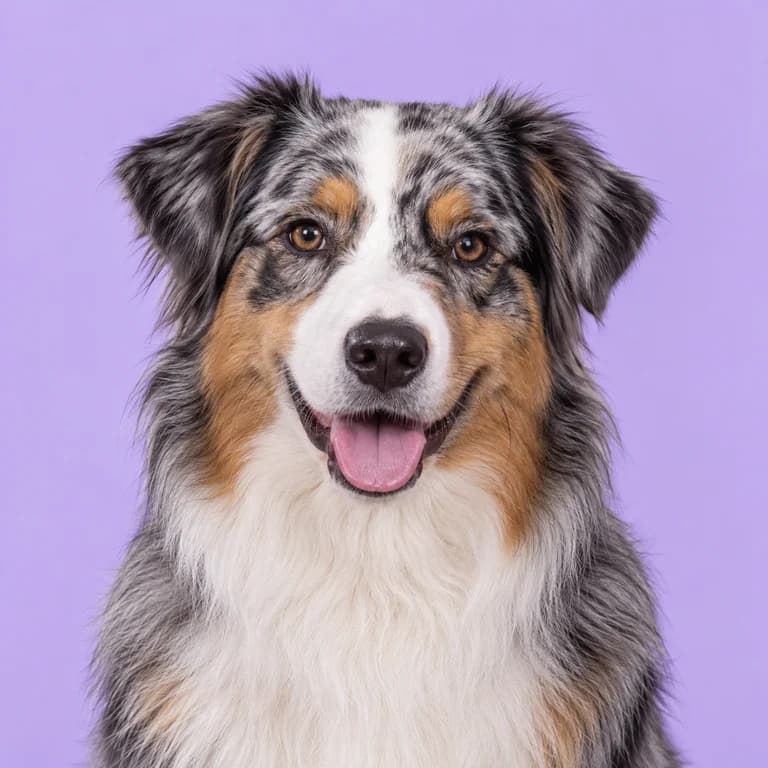
Original AI-generated breed illustration
Weight
18 to 32 kg
40 to 70 lb
Height
46 to 58 cm
at the shoulder
Life expectancy
12 to 15 yrs
Activity estimate
120 to 150 min
editorial daily planning range
Adult-size estimate
16 months
approximate model input
Life with a Australian Shepherd
Picture a dog that has already planned the day before you finish your coffee. That is the Australian Shepherd at home. The breed's ancestors are generally traced to herding dogs from the Basque region and other parts of Europe, some of which reached the United States by way of Australia alongside imported sheep in the 1800s. The name probably stuck from that route, but the dog itself was refined by ranchers in California, Colorado and neighboring states who wanted a tireless, adaptable stock dog.
Those ranchers cared about ability far more than looks. An Aussie had to push stubborn cattle one hour and gently gather sheep the next, often deciding for itself how much pressure to apply. That independent problem-solving is still very much present. So is the urge to control movement: many Aussies circle running children, bump the backs of legs, or bark at anything that drifts out of formation.
Rodeo performers helped spread the breed after the Second World War, when trick-dog acts showed crowds how quickly Aussies learned, and the American Kennel Club recognized the breed in 1993. With family, most are affectionate, clownish and physically close, often following one person from room to room. With strangers, many are reserved and watchful. That reserve is normal for the breed rather than a flaw, as long as it doesn't tip into fear or guarding.
Living with one works best when the dog has a clear outlet. Owners who hike, run, train for agility or keep actual livestock tend to find the Aussie a dream. Owners hoping for a pretty, calm companion that is content with two short strolls usually find the opposite: a clever dog that redesigns the garden, invents games with the cat and barks at every delivery van on the street.
What stands out
Exercise
Plan for at least 90 minutes of activity a day for a healthy adult, and a good share of that should involve thinking rather than just moving. A solid day might combine a 45-minute off-lead run in a safe area, 15 minutes of trick or obedience work, and a food puzzle in the afternoon. Agility, herding instinct tests, flyball, canicross and disc sports all suit the breed.
Read the full exercise guideActivity planning estimate
120 to 150 min
editorial estimate, not a prescription
Energy
5 / 5
Playfulness 5 / 5
A great match for
- active owners who run, hike or cycle daily
- people interested in agility, herding or obedience sports
- homes with a secure yard and a structured routine
- experienced owners who enjoy training
Think twice if
- herding children, cyclists and cars by nipping at heels
- destructive boredom when underworked
- wariness with strangers without early socialization
- heavy seasonal shedding, especially in spring
- can fixate on shadows, lights or balls
Personality and needs at a glance
Living together
Good with children
Good with other dogs
Open with strangers
Apartment friendly
Copes with alone time
Energy and character
Energy level
Playfulness
Easy to train
Barking
5 means very vocal
Care and climate
Grooming needs
Shedding
Drooling
Handles cold
Handles heat
How much an Australian Shepherd eats
Illustrative calculations for neutered adults at midpoint breed weights, with food at 370 kcal per 100 g and 100 g per cup. These are not measured breed requirements. Use actual weight, the food label and veterinary body-condition advice.
| Dog | Weight | Calories | Dry food |
|---|---|---|---|
| Female, relaxed lifestyle | 22 kg | 980 kcal | 265 g (2.8 cups) |
| Female, typical pet | 22 kg | 1120 kcal | 300 g (3 cups) |
| Male, typical pet | 29 kg | 1380 kcal | 375 g (3.8 cups) |
| Male, very active | 29 kg | 1730 kcal | 465 g (4.8 cups) |
Care guides for the Australian Shepherd
Things owners are often surprised by
- 1Refined into its modern form on ranches in the western United States, not in Australia
- 2Some puppies are born with a naturally bobbed tail, a trait carried on a dominant gene
- 3Odd-colored eyes, one blue and one brown, or eyes split between two colors are common and accepted
- 4Rodeo trick-dog acts of the 1950s and 1960s did much to make the breed famous
- 5Breeding two merles together is avoided because double merle puppies are at high risk of deafness and eye defects
- 6Many carry the MDR1 gene mutation, which changes how the body handles certain drugs
Australian Shepherd questions
Are Australian Shepherds actually from Australia?
Not really. Their ancestors are thought to include European herding dogs, some of which reached America alongside sheep shipped from Australia, and the name most likely came from that link. The breed as we know it was developed and standardized on ranches in the western United States during the 1800s and 1900s.
Why does my Aussie nip at my kids' heels?
Heel nipping is herding behavior. Aussies were bred to move livestock by pressuring from behind, and running children trigger the same instinct. It isn't aggression, but it has to be managed. Supervise play, ask kids to stop and stand still rather than run, and give the dog an alternative such as carrying a toy. A trainer experienced with herding breeds can help if it persists.
Can an Australian Shepherd live in an apartment?
It can work, but it is hard. The breed needs 90 minutes or more of activity every day plus mental work, and apartment dogs lose the easy option of a yard. Owners who run with their dog, train daily and live near green space can make it work. Without that commitment, expect barking at hallway noises and restless, destructive behavior.
Do Australian Shepherds have tails?
Many do. Some puppies are born with a naturally short or bobbed tail, a trait passed down through a dominant gene, while their littermates may have full tails. Historically, docking was also common, but many Aussies today keep their natural tails, which are carried low and well feathered. Tail length has no effect on temperament or ability.
What is the difference between a blue merle and a red merle Aussie?
Both have the merle pattern, a mottled mix of diluted and full-color patches. A blue merle is genetically a black dog with merling, so it looks silver-gray with black patches. A red merle is a red, or liver, dog with merling, giving a buff or light copper base with darker red patches. Care and temperament are identical; color is only cosmetic.
Popular answers for owners
- Puppy feeding and growthWhy is my puppy not gaining weight?
- Bowls and feeding gearAre narrow bowls good for basset hounds?
- Bowls and feeding gearShould I move my dog's bowl to a new spot after a move?
- Exercise and playHow long should a dog rest after intense play?
- Puppy feeding and growthWhy did my puppy suddenly start eating more?
- Grooming and coatHow do I dry my dog after a bath?
Breeds you might compare
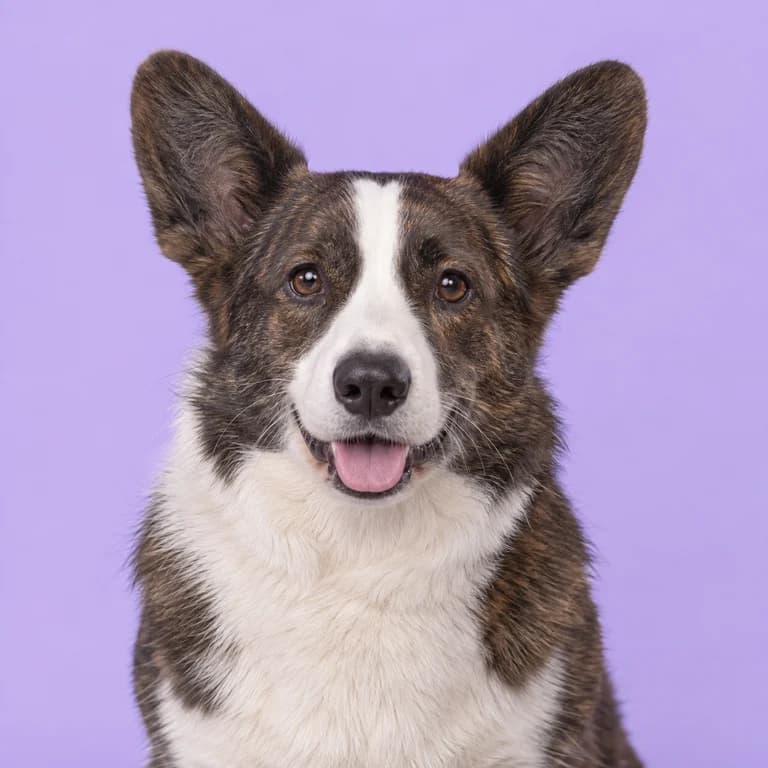
Herding group
Cardigan Welsh Corgi
12 to 17 kg · 12 to 15 years
The older, long-tailed corgi from the Welsh hills, built low to drive cattle and still thinking like a farmhand.
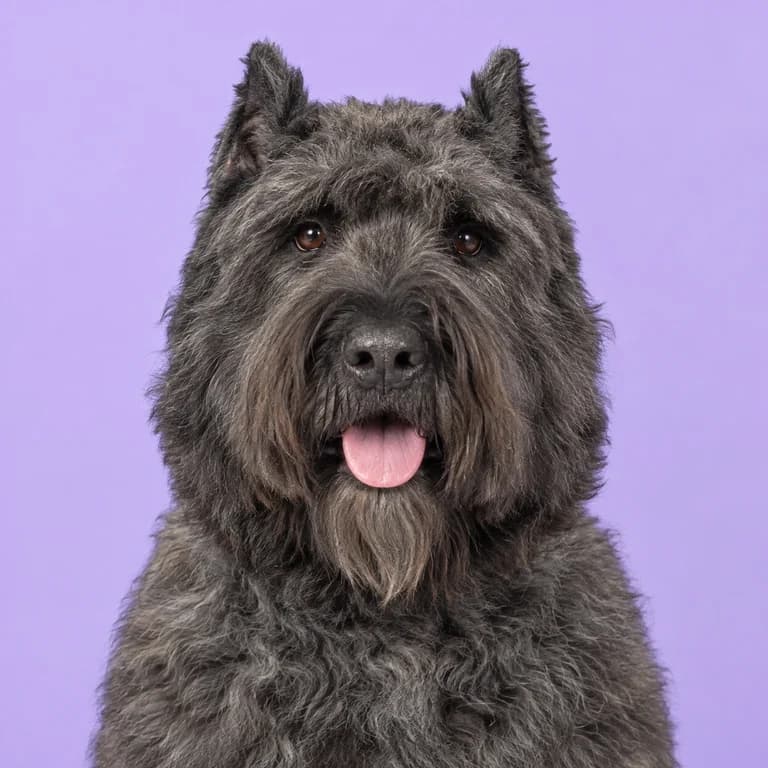
Herding group
Bouvier des Flandres
27 to 40 kg · 10 to 12 years
A rugged Flemish cattle dog hidden under a shaggy coat that demands weekly work and regular trimming.
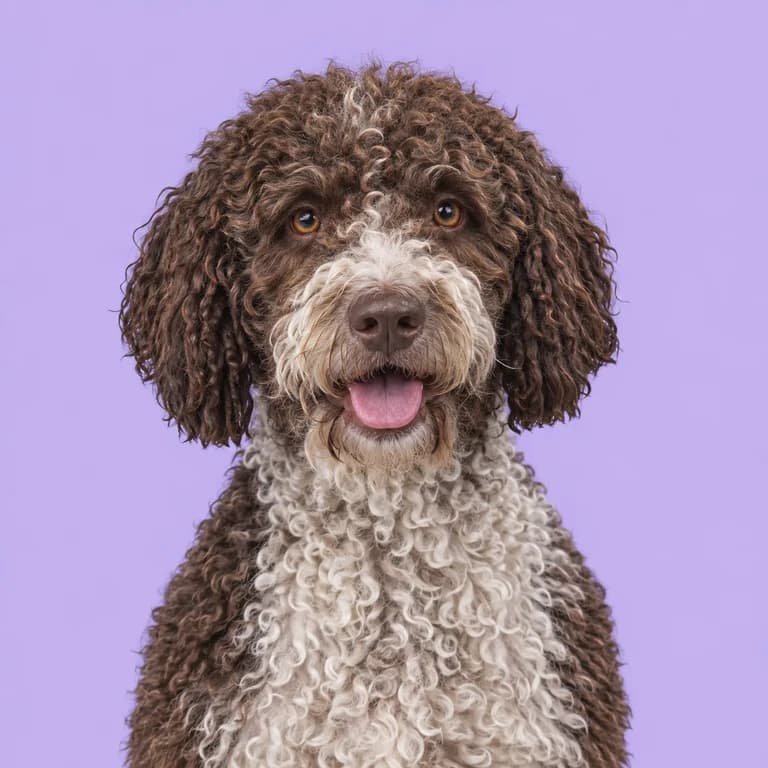
Herding group
Spanish Water Dog
14 to 22 kg · 12 to 14 years
A curly Andalusian all-rounder that herds, swims and retrieves, wearing a coat you must never brush.
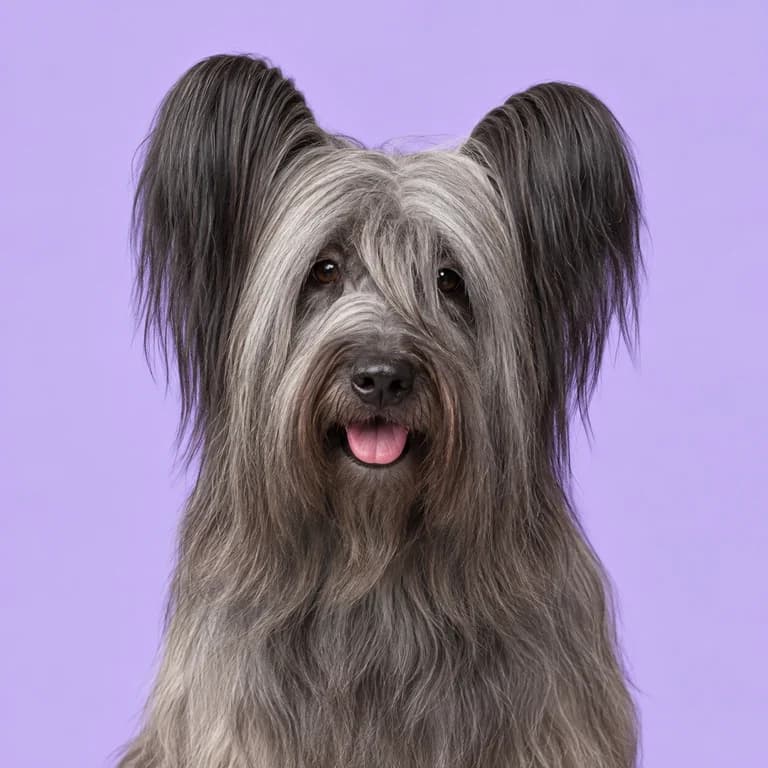
Terrier group
Skye Terrier
11 to 18 kg · 12 to 14 years
A long, low Highland terrier with a flowing coat, a loyal heart and a place in Scottish legend.
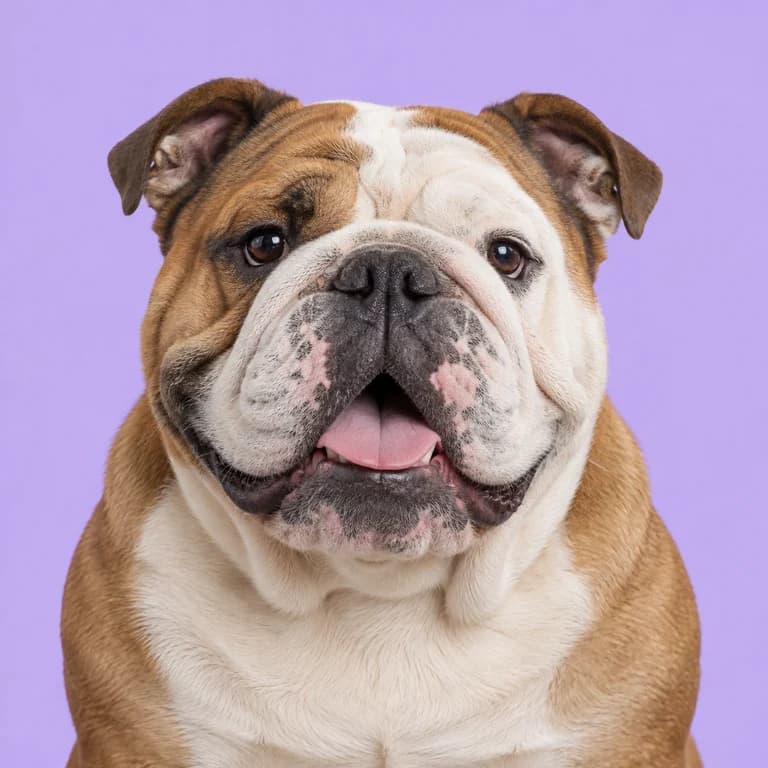
Non-sporting group
English Bulldog
18 to 25 kg · 8 to 10 years
A low-slung, sociable couch companion whose flat face shapes nearly every decision you make about its care.
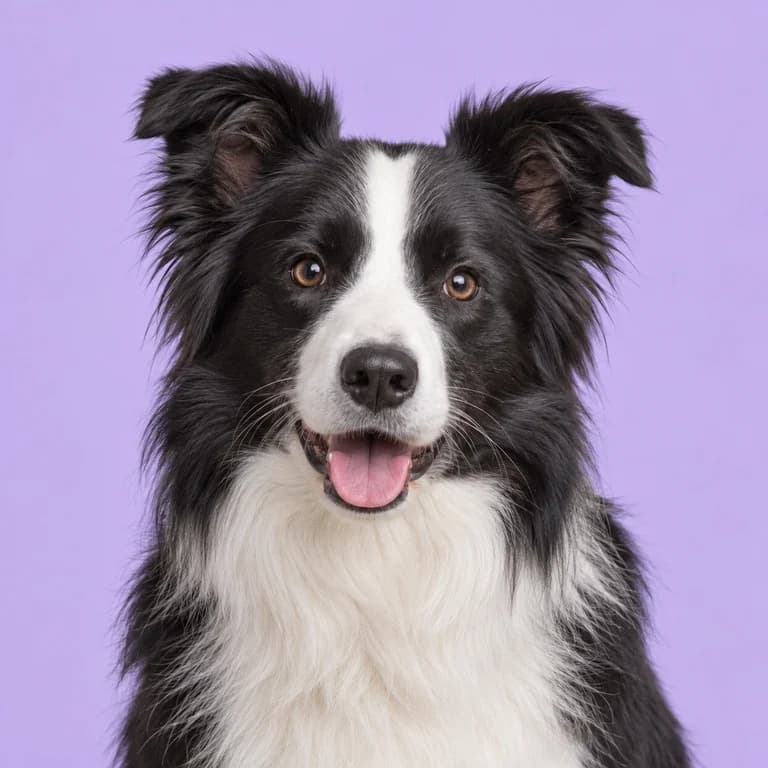
Herding group
Border Collie
12 to 20 kg · 12 to 15 years
Possibly the most gifted working mind in dogs, and it needs a job every single day.