Dogs cool themselves mainly by panting, and panting stops working once the air around them is nearly as warm as their own body. That is why a dog can be fine at 20 degrees Celsius (68 F) and struggling badly at 30 degrees Celsius (86 F), especially if the air is also humid. Heat injury builds up over minutes, not hours, so the difference between a safe afternoon and an emergency often comes down to a handful of decisions made before you ever leave the house.
This guide gives you concrete numbers instead of vague warnings: the air temperatures that call for caution, the pavement test to run before every summer walk, how to cool a dog down at home, and the specific signs that mean you stop trying home remedies and call a vet. None of it requires special equipment, just a thermometer, a clock, and a plan you actually follow.
Which dogs are carrying the most risk
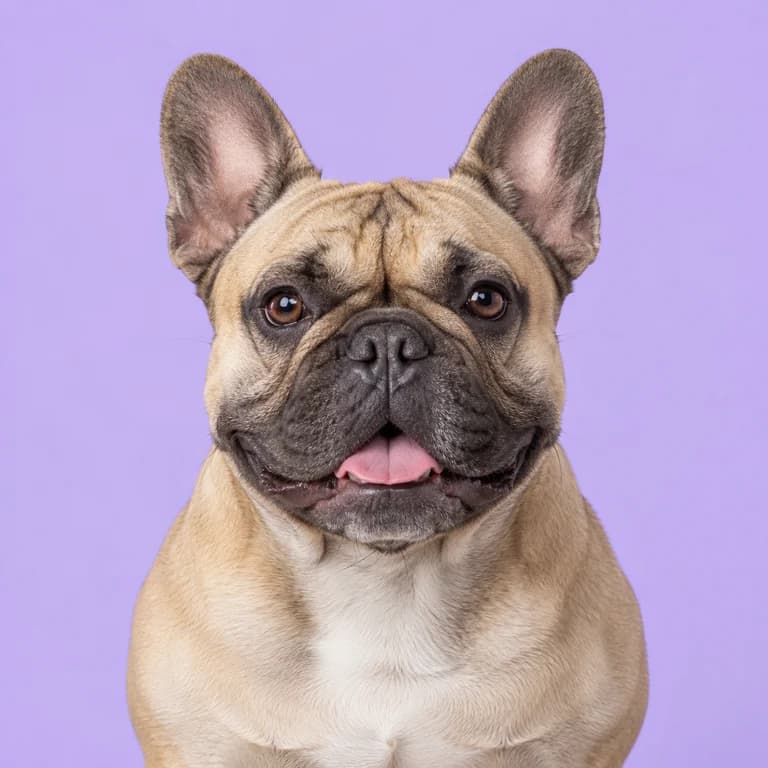
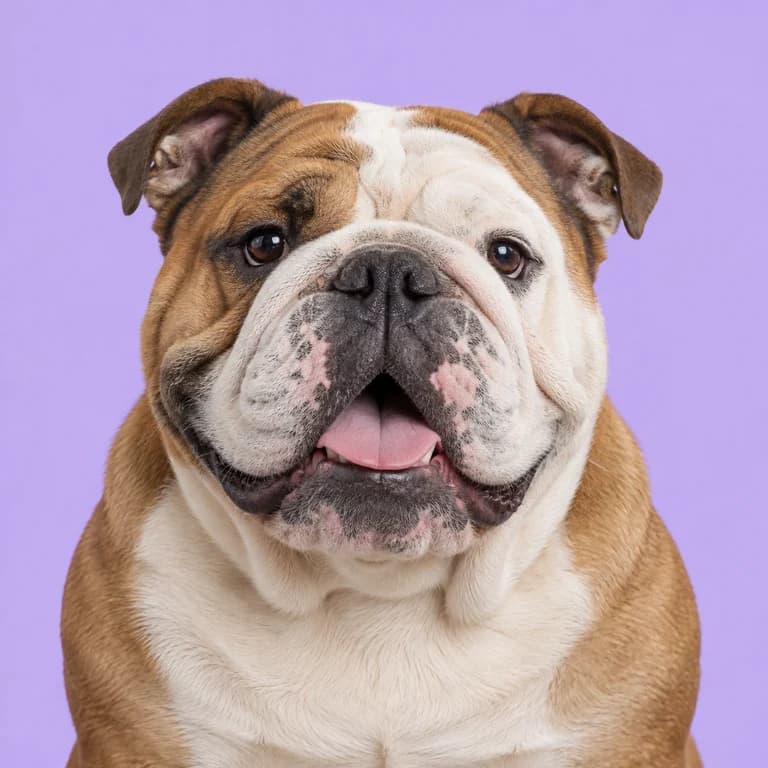
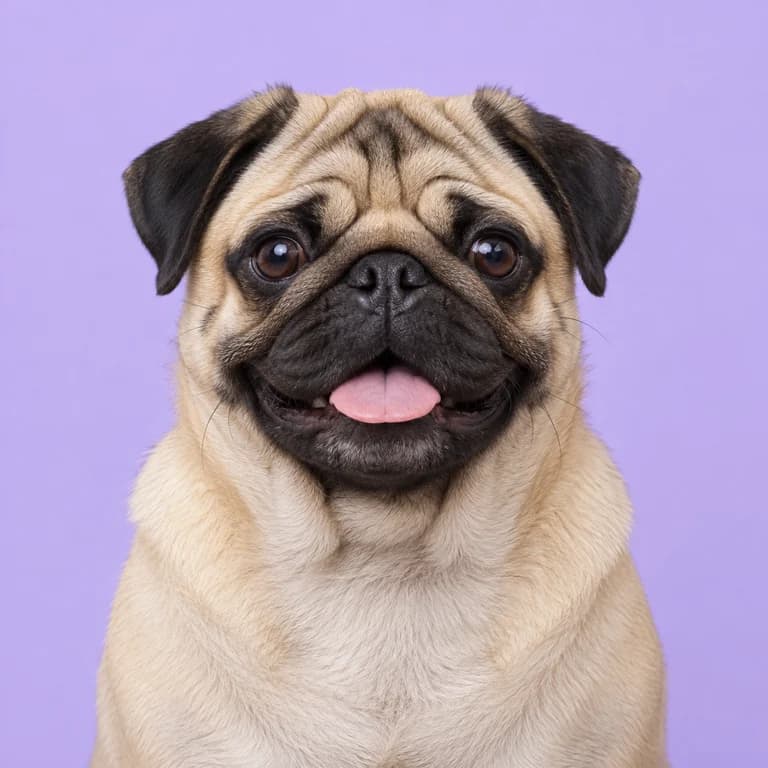
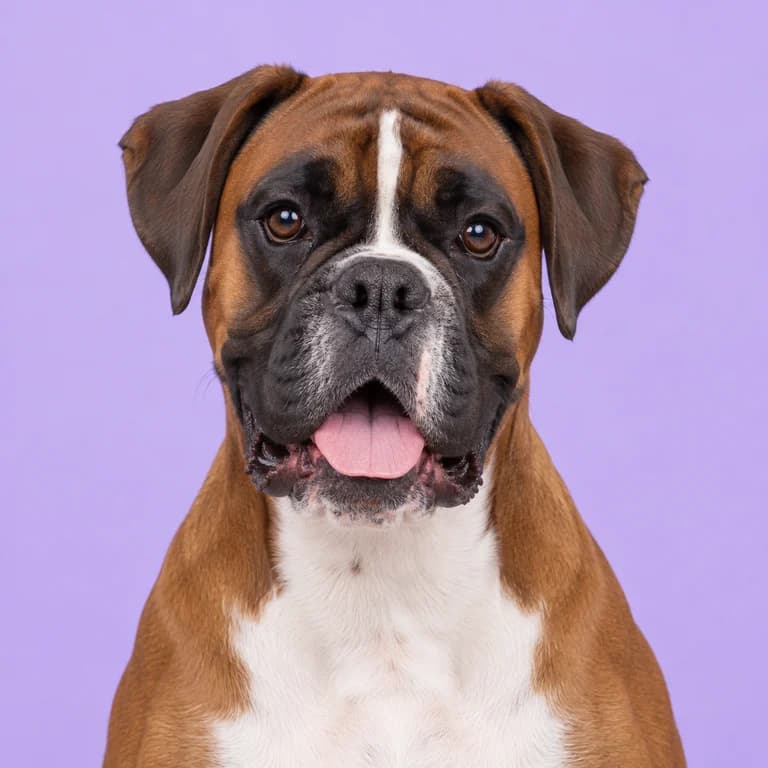
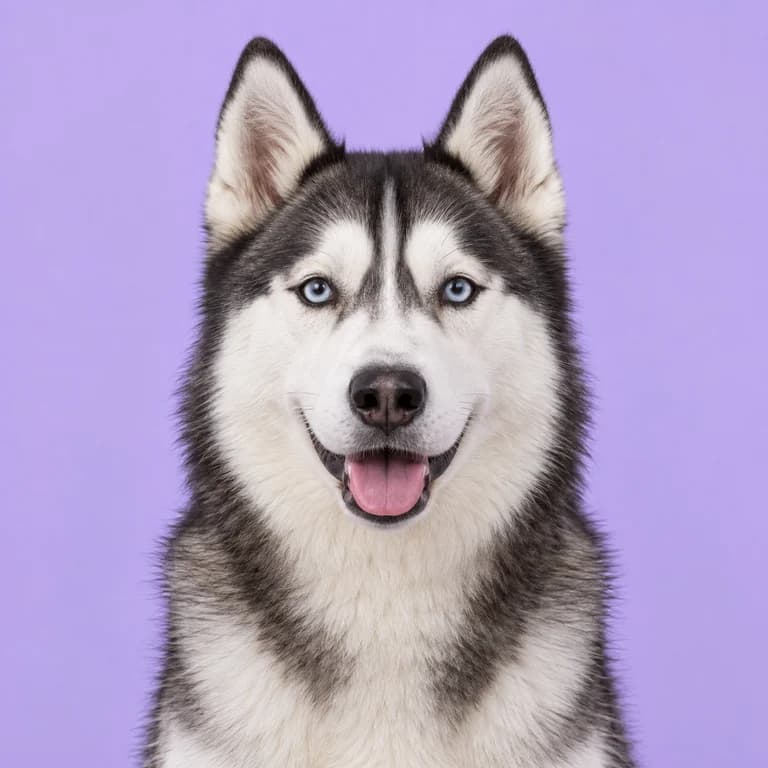
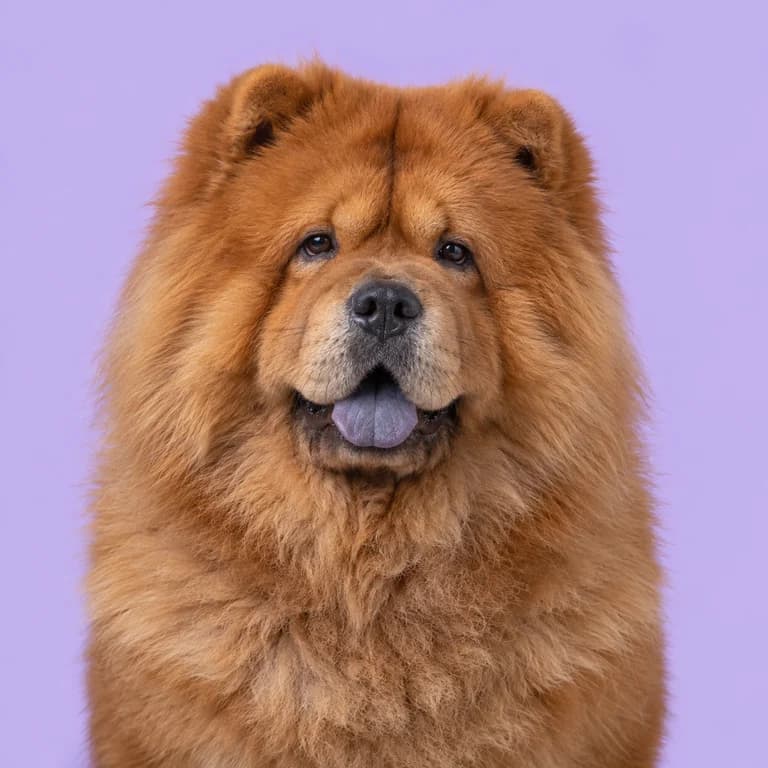
Heat does not affect every dog equally. Flat faced breeds such as French Bulldogs, English Bulldogs, Pugs and Boxers have narrower airways and cannot move as much air with each pant, so they overheat faster than a longer nosed dog doing the same activity. Dogs over about 7 years old, dogs carrying extra weight, and dogs with thick double coats (Huskies, Chow Chows, Golden Retrievers) also run hotter for longer once they start.
Puppies under 6 months overheat quickly too, because their temperature regulation is still immature and they rarely pace themselves during play. If your dog fits more than one of these categories, treat every threshold below as 3 to 5 degrees more conservative than stated.
Read the temperature and the humidity, not just how the day feels
Below 20 degrees Celsius (68 F), most healthy adult dogs can exercise normally. Between 20 and 27 degrees Celsius (68 to 80 F), shorten strenuous exercise and watch for early panting. From 27 to 32 degrees Celsius (80 to 90 F), stick to short, gentle walks in shade and skip running or fetch entirely. Above 32 degrees Celsius (90 F), or above 26 degrees Celsius with humidity over 70 percent, keep walks to bathroom breaks only and do everything else indoors or in a shaded, ventilated yard.
Humidity matters as much as the number on the thermometer, because it slows evaporation from a panting tongue. A 28 degree Celsius day with 80 percent humidity can be more dangerous for a dog than a dry 33 degree Celsius day. If your phone's weather app shows a heat index or "feels like" temperature, use that figure rather than the plain air temperature.
- Below 20C (68F): normal exercise is fine
- 20 to 27C (68 to 80F): shorten strenuous activity, watch for heavy panting
- 27 to 32C (80 to 90F): short shaded walks only, no running or fetch
- Above 32C (90F), or 26C at 70%+ humidity: bathroom breaks only
Run the pavement test before every summer walk
Press the back of your hand flat against the pavement and hold it there for seven seconds. If it is too hot for your hand, it will burn your dog's paw pads, which are more sensitive to contact heat than human skin. Asphalt and dark sealed surfaces can reach 60 to 65 degrees Celsius (140 to 150 F) when the air temperature is only 30 degrees Celsius (86 F), hot enough to cause blistering in under a minute of contact.
Walk on grass verges, dirt paths, or shaded concrete instead, and shift the whole outing to before 8am or after 8pm in summer, when pavement has had hours to cool. If you cannot find a cool route, booties reduce paw contact but do nothing for the heat your dog is breathing in, so they are not a substitute for timing the walk correctly.
Cool the house and the body without shocking either
Keep at least one room with airflow (a fan, cross breeze, or air conditioning) below 26 degrees Celsius (79 F) during the hottest part of the day, and leave a tile or stone floor area uncovered so your dog can lie directly on it. A shallow paddling tray with a few centimetres of cool tap water lets many dogs regulate themselves by choice, which works better than forcing a bath.
If your dog does get overheated after a walk, cool them gradually with lukewarm or cool (not ice cold) water over the belly, armpits and paws, where blood vessels sit close to the skin, and offer small sips of water rather than letting them gulp a full bowl. Ice cold water on an overheated dog can constrict surface blood vessels and trap heat inside, which is the opposite of what you want.
Never leave a dog in a parked car, even briefly
A car interior can climb from 22 to over 40 degrees Celsius (72 to over 104 F) in under 20 minutes on a mild, partly cloudy day, and cracking the windows changes almost nothing about that curve. Metal, glass and dark upholstery trap solar heat far faster than open air does, which is why "just running in for five minutes" is the scenario most often behind serious heat injury in dogs. If your errand requires leaving your dog anywhere, leave them at home instead.
Recognize heatstroke and know when to call a vet
Heavy panting that does not settle after 10 minutes of rest and shade, bright red or purple gums, thick ropey drool, wobbling or a drunken looking gait, vomiting, or collapse are all signs of heat injury that need veterinary attention immediately, not a wait and see approach at home. Move the dog to shade or air conditioning and begin gentle cooling with cool water on the way to the vet or while waiting for one to call back, but do not delay the call to try to fix it yourself first.
Time matters more than almost anything else with heat injury, since internal damage can continue for hours after the body temperature starts to drop. If in doubt, treat it as an emergency and call a vet or emergency clinic straight away.
Checklist
- Check the temperature and humidity, not just how the day feels, before deciding on exercise
- Run the seven second pavement test with the back of your hand before any midday walk
- Move walks to before 8am or after 8pm from late spring through early autumn
- Keep fresh, cool water available in at least two locations at home
- Set up one cool, shaded or air conditioned space your dog can retreat to on demand
- Never leave a dog alone in a parked car, even with windows cracked
- Know the signs of heatstroke and save an emergency vet number where you can find it fast
Questions
Can dogs get sunburned?
Yes, particularly dogs with thin or white coats, pink skin around the nose, or areas where surgery or grooming has left skin exposed. Repeated sun exposure on unprotected skin over months or years is a genuine risk, so limit peak midday sun for light coated dogs and ask a vet about dog safe sun protection for exposed areas.
Is it safe to shave a double coated dog in summer to help them stay cool?
Generally no. A double coat insulates against heat as well as cold and also protects skin from sunburn, so shaving it down can increase heat and sun exposure rather than reduce it. Regular brushing to remove loose undercoat gives most of the cooling benefit without the downsides.
How much extra water does a dog need on a hot day?
Enough that the bowl is never empty. Many dogs will roughly double their normal intake during hot weather or after exercise, so check bowls more often than usual and carry water on any walk longer than 15 minutes in warm conditions.
Are fans alone enough to keep a dog cool indoors?
For most healthy adult dogs in moderate heat, a fan with good airflow and access to a cool floor area is enough. For flat faced breeds, seniors, or heat above roughly 30 degrees Celsius (86 F), air conditioning or a genuinely shaded, ventilated space works far better than a fan alone.