Sources for this article
Working group · Germany
Boxer
Also called German Boxer, Deutscher Boxer
A square, springy German guard dog that treats every morning like the start of a party.
Few large breeds combine muscle and silliness quite like the Boxer. Developed in Munich in the 1890s from older hunting mastiffs, it is loyal, noisy in body language rather than voice, and slow to grow up. Expect a dog that needs real daily exercise, a firm but fun training plan, and protection from hot weather.
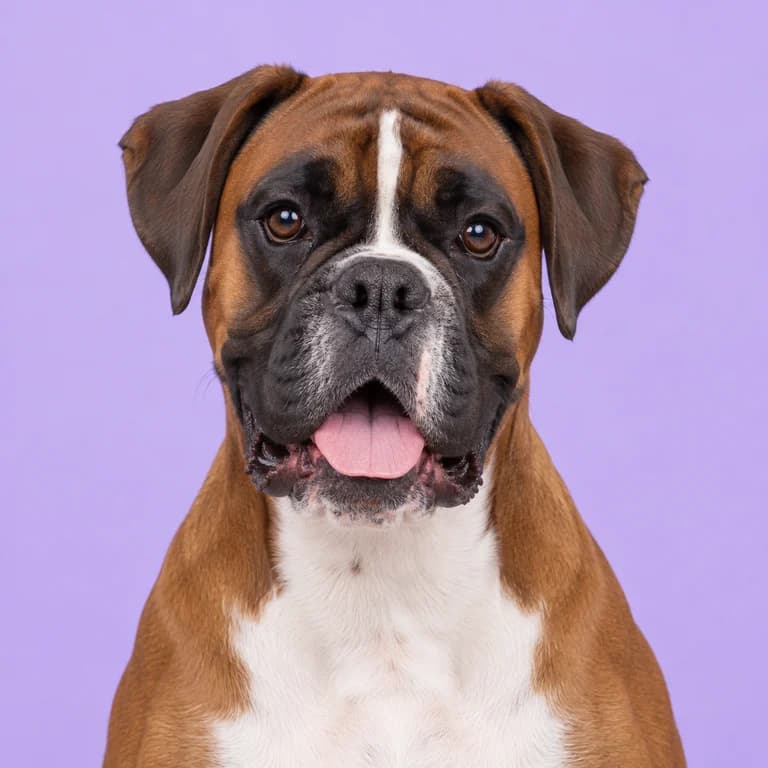
Original AI-generated breed illustration
Weight
25 to 36 kg
55 to 79 lb
Height
53 to 63 cm
at the shoulder
Life expectancy
10 to 12 yrs
Activity estimate
120 to 150 min
editorial daily planning range
Adult-size estimate
24 months
approximate model input
Life with a Boxer
The Boxer was shaped in late 19th century Germany by breeders who crossed the local Bullenbeisser, a strong hunting dog, with imported English bulldog types. The goal was a dog agile enough to run, brave enough to guard, and steady enough to live in town. By 1904 a written standard existed, and within a few decades the breed was working as a messenger, guard and police dog.
Living with a Boxer is physical. They lean on your legs, paw at you for attention, and use their front feet in play the way a boxer uses fists, which is one popular explanation for the name. They are devoted to their own people and tend to be curious rather than aggressive with visitors, though a Boxer will usually bark once or twice and plant itself between you and a stranger at the door.
What surprises many new owners is how long the puppy phase lasts. A two-year-old Boxer may have an adult body and a teenager's impulse control. If you can laugh at that, keep sessions short and upbeat, and give the dog plenty to do, you get one of the most affectionate and entertaining companions among the large breeds.
What stands out
Exercise
Plan on at least 60 to 90 minutes of activity a day for an adult, ideally split into two sessions with some free running in a safe area. Boxers love fetch, tug, agility, canicross and games that involve chasing you. They are not natural long-distance joggers in warm weather, so save runs for cool mornings and build distance gradually.
Read the full exercise guideActivity planning estimate
120 to 150 min
editorial estimate, not a prescription
Energy
5 / 5
Playfulness 5 / 5
A great match for
- active families with children over about 6
- owners who enjoy long walks, jogging or canine sports
- people who want a watchful dog that is rarely yappy
- homes with a secure garden for play
Think twice if
- jumps up and knocks over small children in excitement
- struggles in heat and humidity
- known breed tendency to heart disease
- some dogs, especially males, can be pushy with same-sex dogs
- snoring, flatulence and occasional drool
Personality and needs at a glance
Living together
Good with children
Good with other dogs
Open with strangers
Apartment friendly
Copes with alone time
Energy and character
Energy level
Playfulness
Easy to train
Barking
5 means very vocal
Care and climate
Grooming needs
Shedding
Drooling
Handles cold
Handles heat
How much a Boxer eats
Illustrative calculations for neutered adults at midpoint breed weights, with food at 370 kcal per 100 g and 100 g per cup. These are not measured breed requirements. Use actual weight, the food label and veterinary body-condition advice.
| Dog | Weight | Calories | Dry food |
|---|---|---|---|
| Female, relaxed lifestyle | 28 kg | 1180 kcal | 320 g (3.3 cups) |
| Female, typical pet | 28 kg | 1340 kcal | 365 g (3.8 cups) |
| Male, typical pet | 33 kg | 1540 kcal | 415 g (4.3 cups) |
| Male, very active | 33 kg | 1930 kcal | 520 g (5.3 cups) |
Care guides for the Boxer
Things owners are often surprised by
- 1The first Boxer club was founded in Munich in 1895, and the breed standard was written soon after
- 2Ancestors include the Bullenbeisser, a heavier dog once used to hold boar and deer for hunters
- 3Boxers often greet people with the 'kidney bean', curling their whole body into a C shape while wiggling
- 4They were among the first breeds used as police and military dogs in Germany
- 5Many owners describe Boxers as puppies in mind until around age 3
- 6The short muzzle means they overheat faster than most dogs of the same size
Boxer questions
Why do Boxers wiggle so much when they greet you?
The famous Boxer wiggle, often called the kidney bean, is simply this breed's way of showing excitement and friendliness. The dog curves its body into a C, swings its rear end and sometimes spins in circles. It usually appears when a favorite person arrives home. It is harmless, but pair it with a sit before you give attention, or the wiggle quickly turns into jumping up.
Are Boxers good with children?
Most Boxers adore children and tolerate a lot of noise and handling, which is why the breed has long been a family favorite. The real risk is size and bounce: a 30 kg adolescent can flatten a toddler in play. Supervise young kids, teach the dog to sit for greetings, and give it a quiet space to retreat. Children around 6 and older usually do very well with a Boxer.
Do Boxers drool and snore?
Moderately, yes. Boxers do not drool as heavily as mastiffs, but loose lips mean strings of saliva after drinking, eating or excitement. Snoring is common because of the short muzzle, and many owners also mention wind. Keep a cloth near the water bowl and choose foods that agree with your dog. Very loud snoring together with struggling during light exercise is worth mentioning to your vet.
Are white Boxers a separate breed?
No. White Boxers are born in ordinary litters when both parents carry the genes for extensive white markings. Roughly one puppy in five is white in some lines. They make fine pets, but they are more likely to be deaf in one or both ears and burn easily in the sun. Ask the breeder for a hearing test, often called a BAER test, before you commit.
At what age does a Boxer calm down?
Expect a noticeable change between 2 and 3 years, though some Boxers stay playful and bouncy until around 4. The breed matures slowly in the head even after the body looks adult. Consistent training, enough exercise and a predictable daily routine help a young Boxer settle faster. Even as a senior, most keep a sense of fun and enjoy short bursts of play.
Popular answers for owners
- Grooming and coatWhen does a puppy's coat change to an adult coat?
- Puppy feeding and growthHow much should a 10 week old puppy eat?
- Grooming and coatCan you bathe a dog too often?
- Grooming and coatHow often should I brush a wire haired dog?
- Grooming and coatWhy is my dog losing hair in patches?
- Bowls and feeding gearHow do I stop one dog from finishing first and stealing another's food?
Breeds you might compare
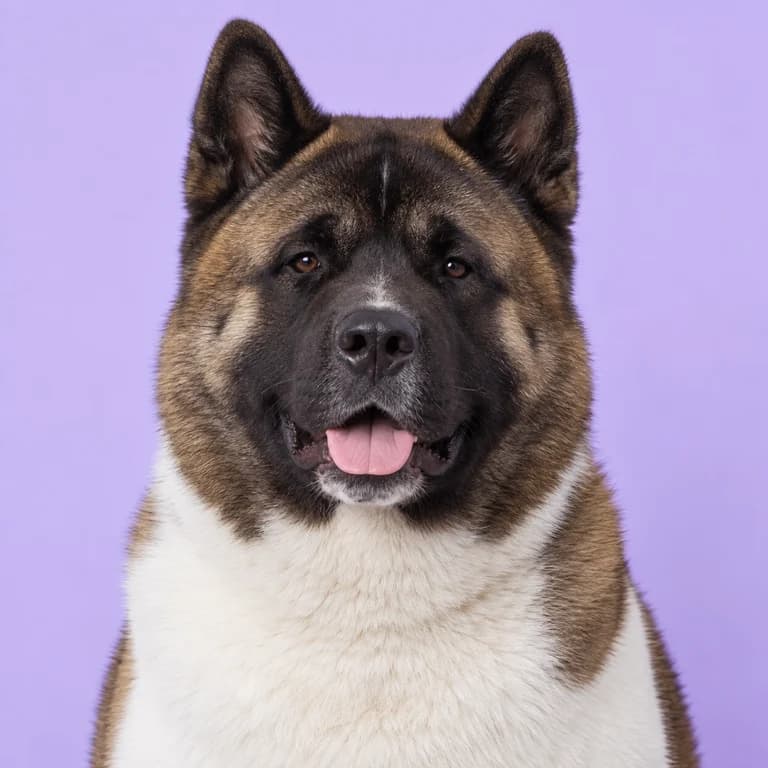
Working group
Akita
32 to 59 kg · 10 to 12 years
Dignified, quiet and fiercely loyal, the Akita adores its family and has little interest in anyone else.
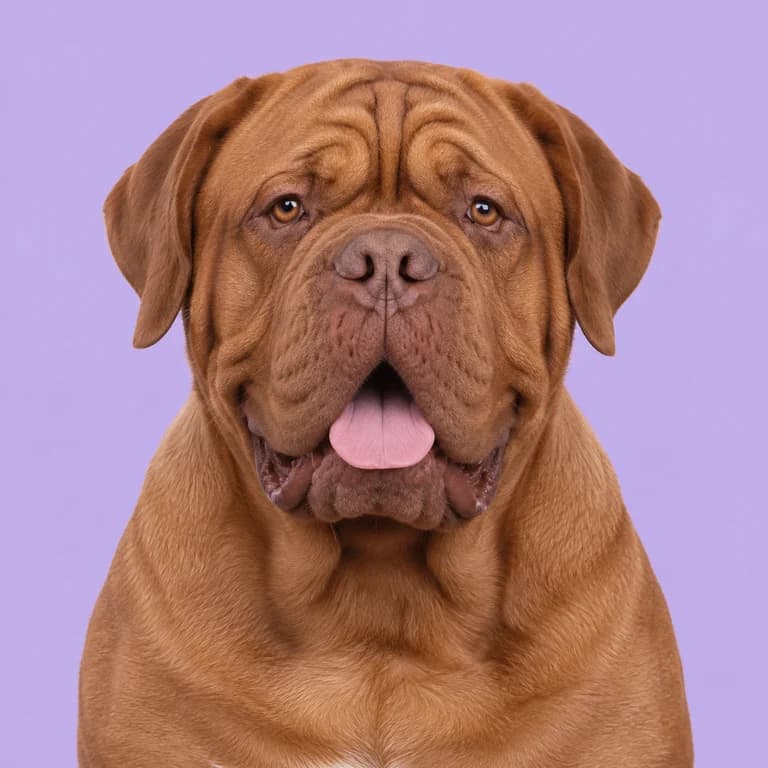
Working group
Dogue de Bordeaux
45 to 66 kg · 5 to 8 years
A massive, loving French mastiff whose short life expectancy shapes every choice an owner makes.
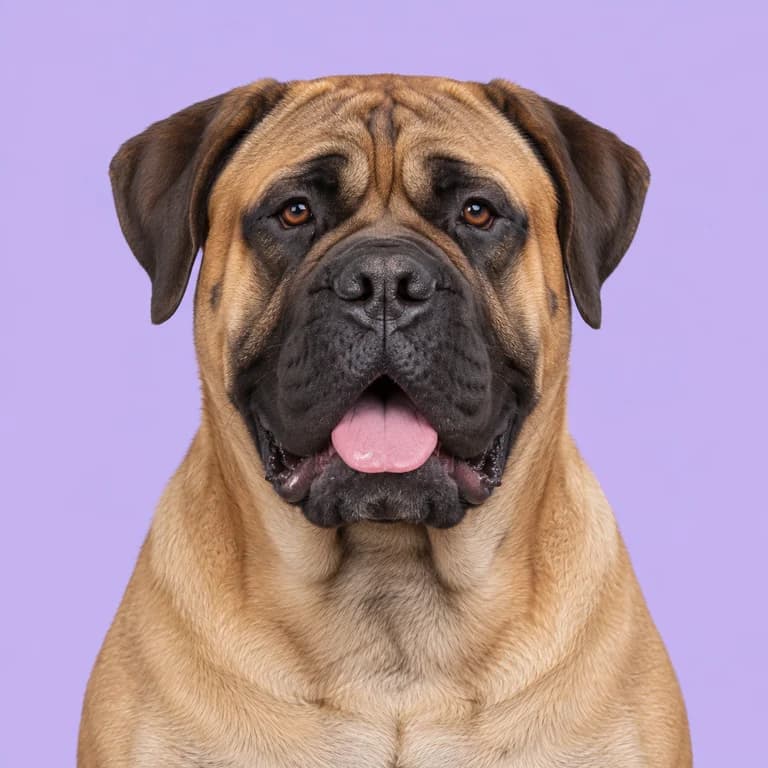
Working group
Bullmastiff
45 to 59 kg · 7 to 9 years
Bred to silently pin poachers in the dark, today a gentle, heavy guardian that prefers the sofa.

Sporting group
Golden Retriever
25 to 34 kg · 10 to 12 years
A soft-mouthed Scottish gundog that treats every visitor as a friend and every sock as a gift.
Sporting group
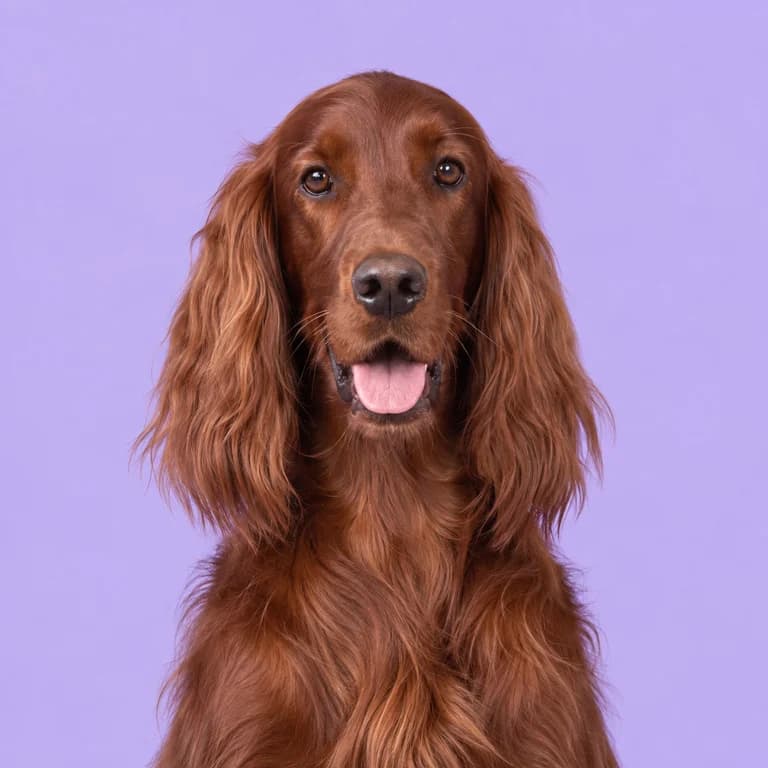
Irish Setter
25 to 34 kg · 12 to 15 years
A mahogany gundog built to quarter Irish bogs all day, and still in no hurry to grow up.
Non-sporting group
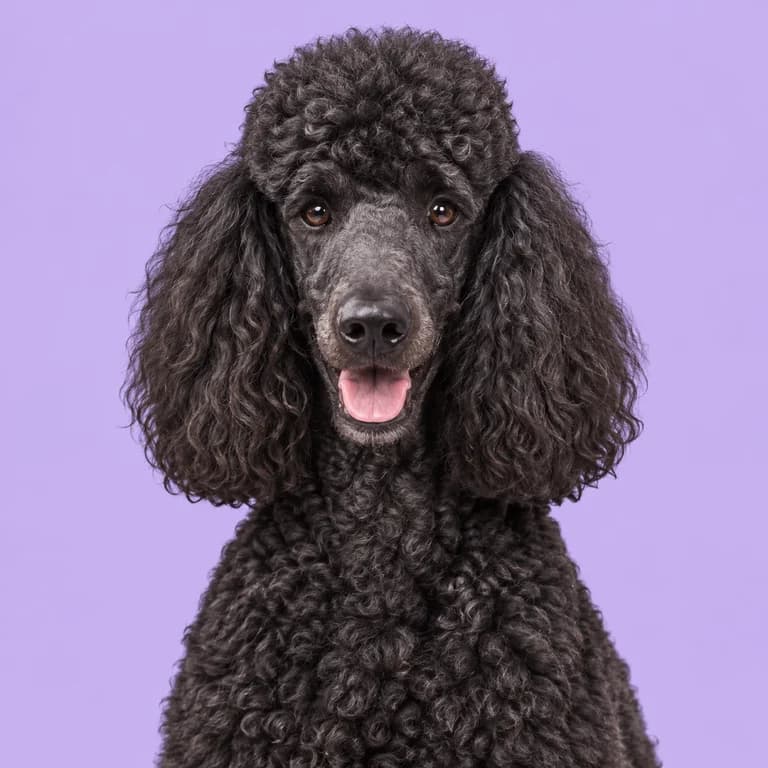
Standard Poodle
20 to 32 kg · 12 to 15 years
A water retriever in disguise, with a mind so quick it turns every household routine into a lesson.