Sources for this article
Non-sporting group · China
Chow Chow
Also called Chow, Songshi Quan
A lion-maned, blue-tongued dog whose dense coat demands as much attention as its independent mind.
The Chow Chow is dignified, quiet and fiercely loyal to a small circle of people. Its enormous double coat shapes daily life more than exercise does, and its aloof nature makes early, patient socialization essential.
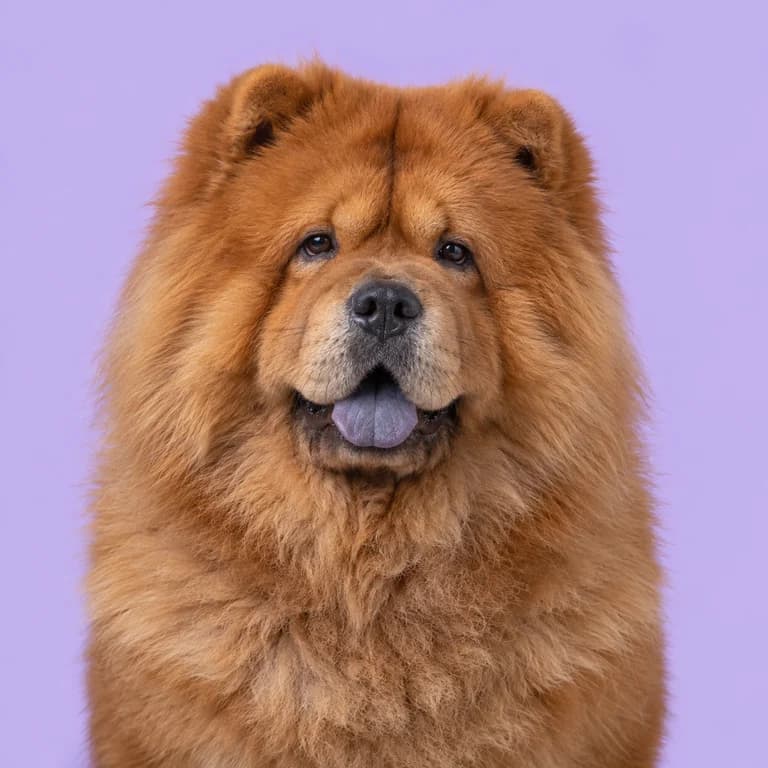
Original AI-generated breed illustration
Weight
20 to 32 kg
44 to 70 lb
Height
46 to 56 cm
at the shoulder
Life expectancy
8 to 12 yrs
Activity estimate
30 to 60 min
editorial daily planning range
Adult-size estimate
18 months
approximate model input
Life with a Chow Chow
Picture brushing a small bear two or three times a week, then daily for about a month twice a year. That is the reality of a rough-coated Chow Chow, whose stand-off outer coat and thick woolly undercoat can fill several carrier bags with loose hair during a moult. The coat is the first thing people notice and the part of ownership most often underestimated.
Behind the fur stands one of the oldest dog types known. Dogs resembling the Chow appear in Chinese artwork more than 2,000 years old, and DNA research places the breed among a handful of ancient spitz lineages. In China they worked as guards, cart pullers and hunting dogs. They reached Britain in the late 1700s alongside cargo from the East, which may explain the name: chow chow was trading slang for assorted goods.
Chows bond deeply with one or two people and stay reserved, sometimes cool, with everyone else. Visitors rarely get a wagging welcome. Inside, they are quiet, tidy and content to watch the household from a spot near the door, and many are clean in the house within days. Their independence resembles a cat's more than a retriever's.
What stands out
Grooming
For a rough coat, line brushing is the technique that works. Part the coat in sections down to the skin, brush each layer outward with a pin brush and slicker, then finish with a wide-toothed comb. Pay close attention behind the ears, in the ruff, under the front legs and on the trousers, where mats form first.
Read the full grooming guideIllustrative grooming schedule based on our editorial coat-care score. Adjust it to the individual coat and professional advice.
Brushing
Daily
Bathing
Every 3 to 6 weeks
Shedding
Heavy, with seasonal blowouts
Nail trim
Every 3 to 4 weeks
A great match for
- quiet adult households
- owners who enjoy regular grooming sessions
- people wanting a calm dog that is not clingy
- cool and temperate climates
Think twice if
- heavy seasonal shedding and mats behind the ears and in the ruff
- suffers in hot, humid weather
- aloof or wary with strangers and visiting children
- independent streak makes recall unreliable
- eyelid problems are common in the breed
Personality and needs at a glance
Living together
Good with children
Good with other dogs
Open with strangers
Apartment friendly
Copes with alone time
Energy and character
Energy level
Playfulness
Easy to train
Barking
5 means very vocal
Care and climate
Grooming needs
Shedding
Drooling
Handles cold
Handles heat
How much a Chow Chow eats
Illustrative calculations for neutered adults at midpoint breed weights, with food at 370 kcal per 100 g and 100 g per cup. These are not measured breed requirements. Use actual weight, the food label and veterinary body-condition advice.
| Dog | Weight | Calories | Dry food |
|---|---|---|---|
| Female, relaxed lifestyle | 24 kg | 1050 kcal | 285 g (2.8 cups) |
| Female, typical pet | 24 kg | 1200 kcal | 325 g (3.3 cups) |
| Male, typical pet | 29 kg | 1380 kcal | 375 g (3.8 cups) |
| Male, very active | 29 kg | 1730 kcal | 465 g (4.8 cups) |
Care guides for the Chow Chow
Things owners are often surprised by
- 1Tongue, lips and gums are blue-black; puppies are born with pink tongues that darken over the first couple of months
- 2Almost straight hind legs give the breed a short, stilted walk
- 3Genetic studies group the Chow among the oldest dog types, alongside a few ancient spitz breeds
- 4Two coat types exist: rough and smooth
- 5Often housetrains within days and keeps itself unusually clean
Chow Chow questions
Why does a Chow Chow have a blue tongue?
The blue-black tongue comes from dense pigment cells, the same kind that darken the skin and gums. Nobody knows exactly why it became fixed in the breed; the Chinese Shar-Pei shares the trait. Puppies are born with pink tongues that darken over the first couple of months. A pink or spotted tongue on an adult is a show fault but not a health problem.
Can you shave a Chow Chow in summer?
Most groomers and breed clubs advise against shaving to the skin. The double coat insulates against heat as well as cold and shields the skin from sunburn, and some shaved Chows regrow their coat unevenly or very slowly. A tidy trim of the feet, belly and rear is fine; for summer comfort, focus on removing dead undercoat and keeping your dog cool indoors.
Are Chow Chows aggressive?
Chows are naturally reserved and territorial rather than naturally aggressive, but a poorly socialized one may growl or snap when strangers push into its space. Early, calm exposure to many people, respect for the dog's personal space and careful breeding make a huge difference. They suit adult households or families whose children know not to hug or crowd a dog.
How often does a Chow Chow blow its coat?
Usually twice a year, in spring and autumn, with each moult lasting roughly 3 to 6 weeks. Unspayed females may also drop coat after a season. During these periods, brush daily and consider a professional bath and blow-dry to shift the undercoat faster. Outside the moults, two or three thorough line-brushing sessions a week keep the coat free of mats.
Is the Chow Chow's stiff walk normal?
To a degree, yes. The breed standard calls for almost straight hind legs, which produces a short, stilted gait unlike most dogs. That straight angle can, however, put extra stress on the knees. If your Chow's walk changes, it starts skipping steps or it struggles to rise from lying down, have a vet check the joints rather than assuming it is simply normal for the breed.
Popular answers for owners
- Grooming and coatWhen do dogs shed the most?
- Bowls and feeding gearWhat does the research actually say about raised bowls and bloat?
- How much to feedHow do I move my dog from a weight loss food back to a normal maintenance amount?
- Puppy feeding and growthWhen do puppies grow the fastest?
- How much to feedHow much should I feed a 60kg dog?
- Puppy feeding and growthWhat treats are safe for an 8 week old puppy?
Breeds you might compare
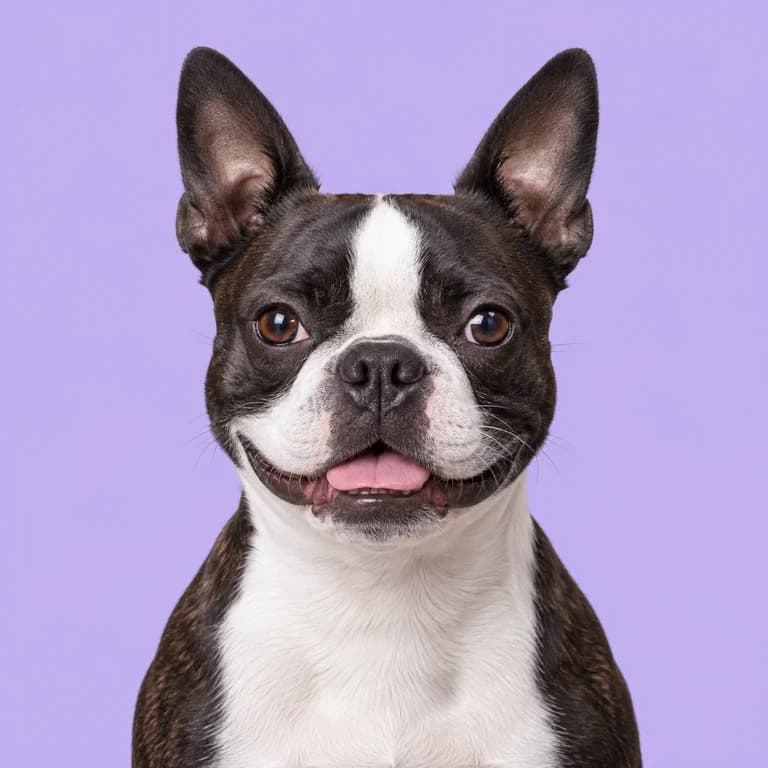
Non-sporting group
Boston Terrier
5 to 11 kg · 11 to 13 years
Tuxedo markings, a clown's timing and a genuine fondness for almost every person it meets.
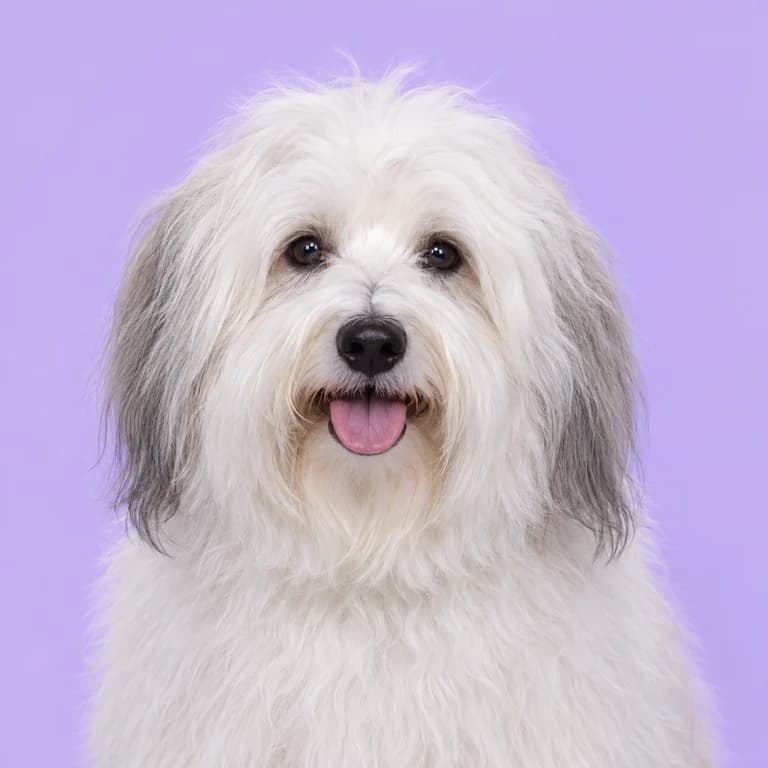
Non-sporting group
Coton de Tulear
4 to 6 kg · 14 to 16 years
A cotton-coated clown from Madagascar whose soft white hair needs daily attention and rewards it generously.
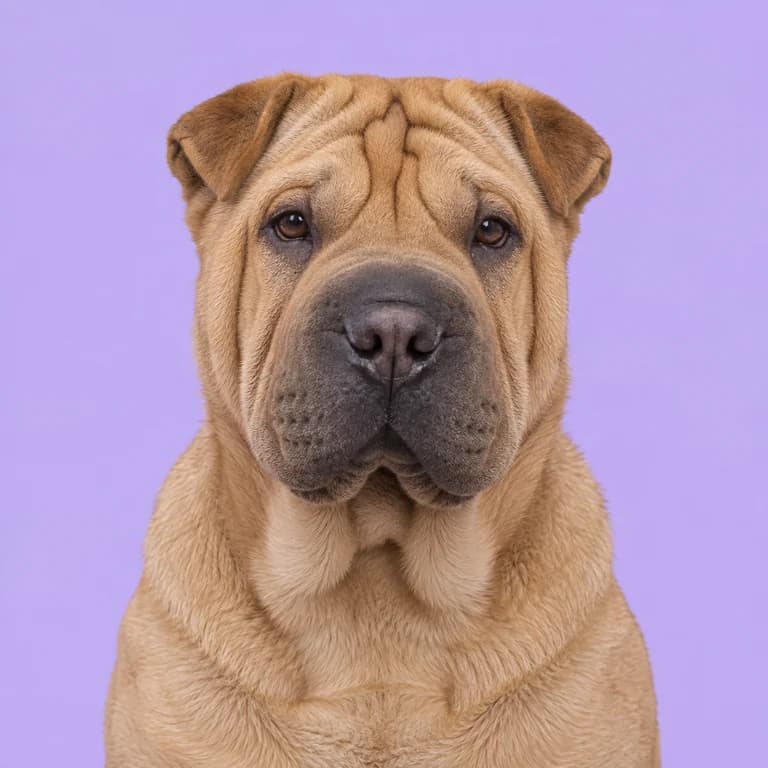
Non-sporting group
Chinese Shar-Pei
18 to 27 kg · 8 to 12 years
A wrinkled, blue-tongued guardian from southern China whose skin and eyes need more attention than almost any breed.
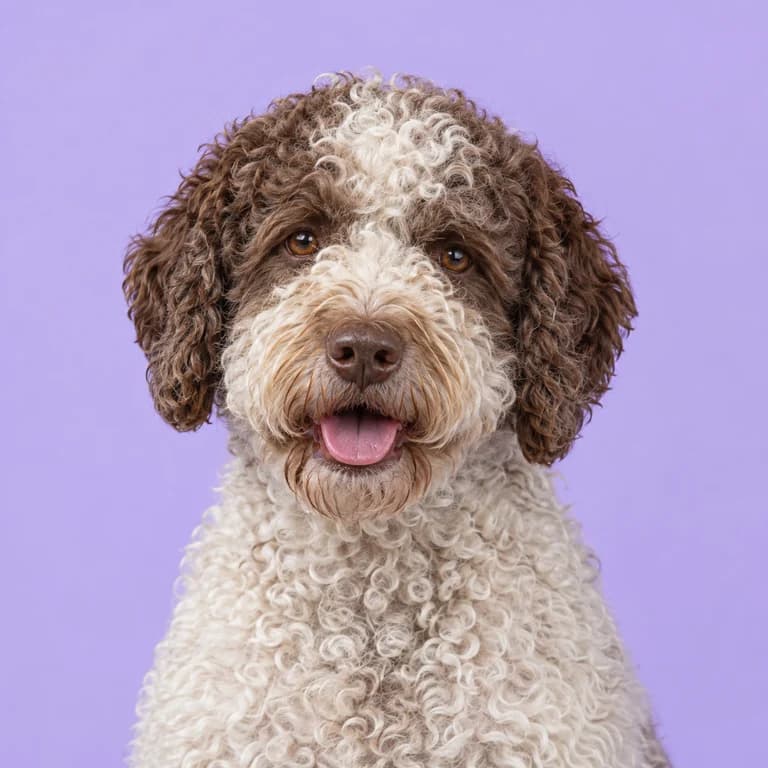
Sporting group
Lagotto Romagnolo
11 to 16 kg · 14 to 16 years
An Italian marsh retriever turned truffle hunter, with a curly coat and a nose that loves to dig.
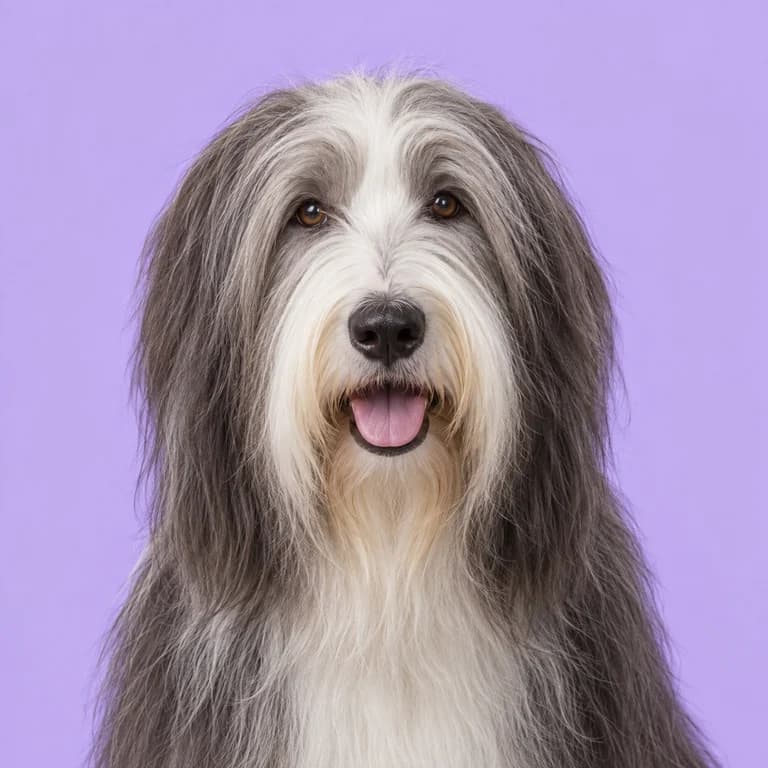
Herding group
Bearded Collie
18 to 25 kg · 12 to 14 years
A shaggy Scottish drover with a bounce in every step and a sense of humor to match.
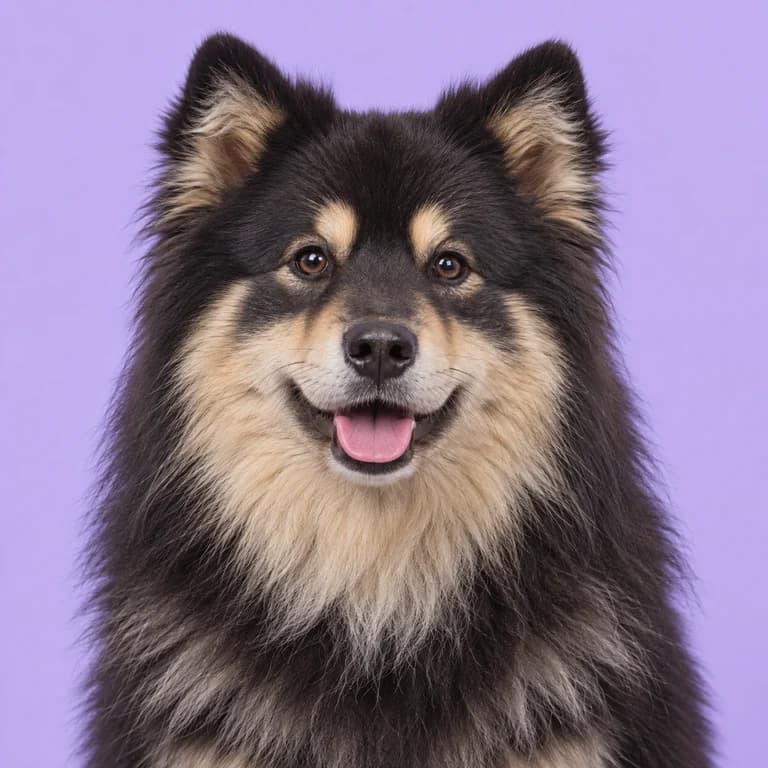
Herding group
Finnish Lapphund
15 to 24 kg · 12 to 15 years
A soft-natured reindeer herder from Lapland that pairs arctic toughness with remarkable gentleness at home.