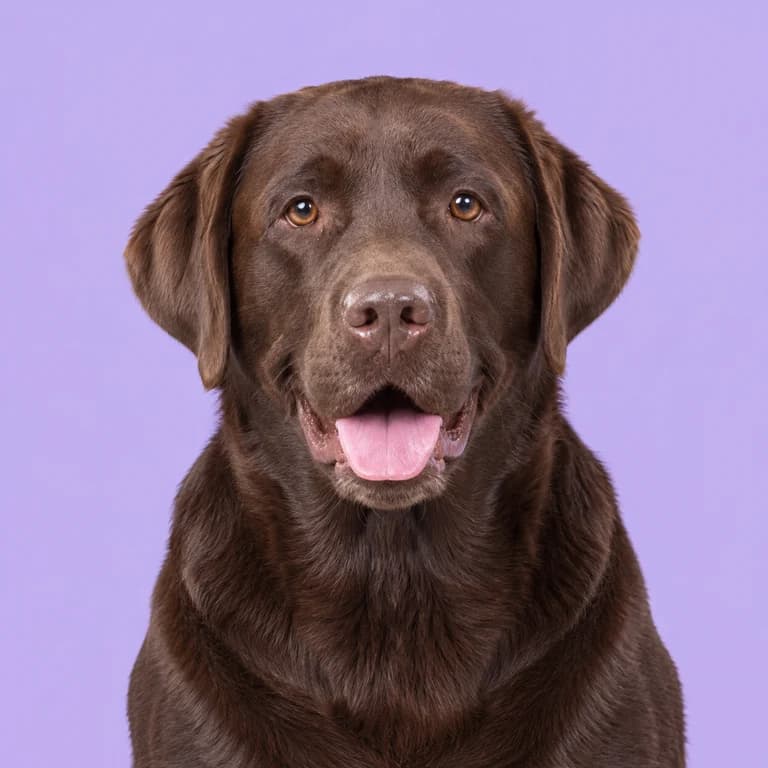
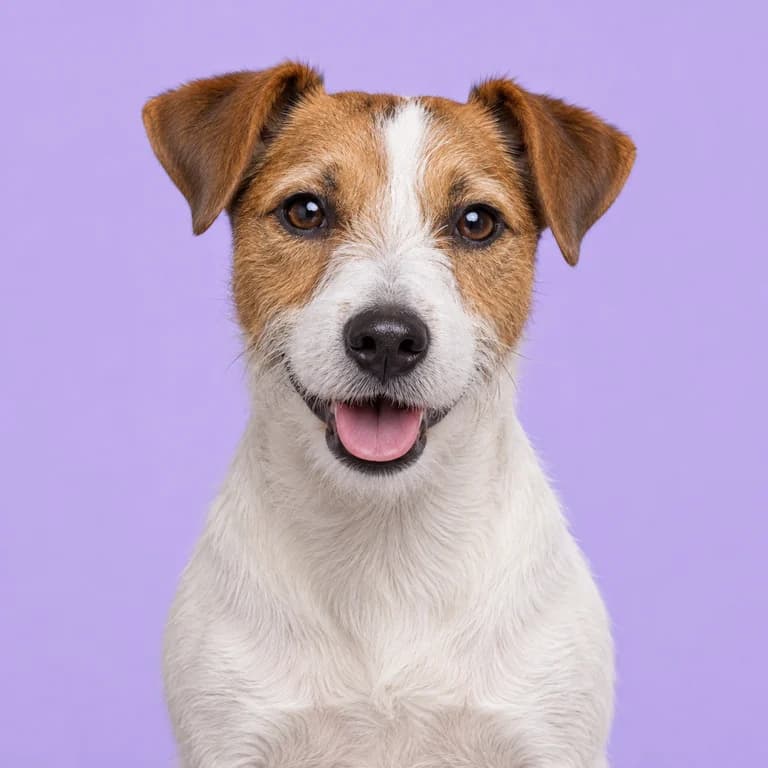
Puppies explore the world with their mouths. Anything that dangles, rolls, rustles or smells of food is a candidate for chewing, and plenty of it gets swallowed. The most common emergencies in young dogs are not dramatic accidents. They are socks, hair ties, grapes dropped from the fruit bowl, and tablets knocked off a bedside table.
The good news is that an hour of preparation removes most of the risk. Walk through your home at knee height, room by room, and deal with what you find using three tools: remove it, block access to it, or supervise when it cannot be moved. This guide gives you the checklist for each area, a quick reference table, and what to do if your puppy does get hold of something dangerous.
See your home from 30 cm off the floor
Kneel down, or even lie on the floor, in each room your puppy will use. A small-breed puppy sees the world from about 20 to 30 cm (8 to 12 in) up, and anything within that zone is fair game. Look under sofas for lost coins and hair clips, behind the television for cables, and along skirting boards for gaps where a small puppy could get stuck.
Then think ahead. Puppies grow quickly, and a Labrador of 5 or 6 months can put its front paws on a kitchen worktop about 90 cm (35 in) high. What is safe on the counter in week one may be within reach in month four. It helps to decide now which rooms are off limits and to put baby gates on those doorways from the start, rather than adding rules later.
Most owners find it easiest to give a young puppy one safe zone, such as a kitchen corner fenced with a playpen, and to widen its territory room by room as training improves. Fewer rooms means fewer hazards to police.
Kitchen: food, bins and cupboards
The kitchen holds more puppy hazards than anywhere else in the house. Several common human foods are toxic to dogs, and puppies are small enough that a modest amount can matter. Keep the fruit bowl, bread bin and chocolate out of reach, and make sure everyone in the house, including visiting children, knows not to share snacks.
Swap an open bin for one with a locking or foot-pedal lid, or store it inside a cupboard. Fit child locks to the cupboard under the sink, where cleaning products usually live. Keep the dishwasher closed, since licking knives and detergent residue is a real temptation, and wipe up dropped food before your puppy finds it.
- Grapes, raisins, sultanas and currants
- Chocolate, cocoa and coffee
- Onions, garlic, leeks and chives, raw or cooked
- Sugar-free gum, sweets and some nut butters that contain xylitol
- Macadamia nuts
- Cooked bones and corn cobs, which can splinter or cause blockages
- Alcohol and raw yeast dough
Living room and bedrooms: cables, clothes and small objects
Chewed cables can cause burns to the mouth, so route them behind furniture or cover them with plastic cord protectors, and unplug phone chargers when not in use. Tie up blind and curtain cords well above floor height. Rugs with long fringes are tempting to chew, so roll them up for the first few months if possible.
Bedrooms are full of small, swallowable items that smell of their owners: socks, underwear, hair ties, earplugs and face masks. A laundry basket with a lid solves most of this. Bedside tables often hold medicines, and a single dropped tablet can be dangerous for a puppy, so store them in a drawer. Button batteries from remote controls and small gadgets are particularly hazardous if swallowed. Keep them locked away, and check that battery covers on remotes are secure.
Children's toys deserve a special mention. Building bricks, doll shoes and small balls are exactly the right size to be swallowed. Agree a simple family rule: toys live in bedrooms with the door closed, or in a box with a lid.
Bathroom, utility room and garage
Keep bathroom doors closed. Toilet water often contains cleaning chemicals, and bins full of dental floss, cotton buds and razors are irresistible to a nosy puppy. Store laundry pods, dishwasher tablets and bleach high up or behind child locks.
Garages and sheds deserve a careful look. Antifreeze has a sweet taste that dogs like and is extremely dangerous, as are slug pellets, rat and mouse bait, weedkillers and some fertilizers. Keep these in sealed containers on high shelves, clean up any spills straight away, and do not let your puppy wander in while you are working.
Garden, balcony and outdoor spaces
Walk the whole fence line. A small puppy can squeeze through gaps of about 10 cm (4 in), and many will dig under a gate within minutes. Block gaps with wire mesh or boards, and check again as your puppy grows and gets bolder. Cover ponds and pools, or fence them off, because young puppies can fall in and struggle to climb out.
Several common garden plants are harmful if chewed, including daffodil bulbs, foxglove, yew, lily of the valley, azaleas and rhododendrons. Cocoa shell mulch is another risk, as it contains the same compounds as chocolate. On balconies, fix mesh along railings with wide gaps and remove anything a puppy could climb to reach the top edge.
Quick reference: common hazards and simple fixes
Use this table as a final walk-through on the day before your puppy arrives. Repeat it at 4 months and again at 6 months, when your puppy is taller, stronger and more adventurous.
| Hazard | Where you find it | Simple fix |
|---|---|---|
| Toxic foods | Worktops, fruit bowls, handbags | Store high or in cupboards; household no-sharing rule |
| Cleaning products | Under the sink, utility room | Child locks, high shelves |
| Medicines | Bedside tables, bags, bathroom | Closed drawers or a locked box |
| Electric cables | Behind TVs, desks, bedside | Cord protectors, route behind furniture |
| Small objects | Floors, children's rooms, sofas | Daily sweep, lidded boxes, closed doors |
| Garden chemicals | Shed, garage, flower beds | Sealed containers, pet-safe alternatives |
| Gaps and drops | Fences, gates, balconies, stairs | Mesh, boards, baby gates |
If your puppy swallows something it should not
Call your vet or an animal poison helpline straight away, even if your puppy seems fine. Some poisons take hours to show signs, and early advice gives the best options. Have the packaging or a photo of the item to hand, and note roughly how much was eaten and when.
Do not try to make your puppy vomit or give any home remedy unless a vet tells you to. Some substances do more damage coming back up, and some remedies are harmful in themselves. Seek help urgently if your puppy vomits repeatedly, drools heavily, trembles, seems wobbly, has a tight or painful belly, strains without passing anything, or collapses.
Checklist
- Every room checked at puppy height
- Baby gates fitted on off-limits doorways
- Bins swapped for lidded or cupboard models
- Child locks on cupboards with chemicals or medicines
- Fence line walked and gaps blocked
- Vet and poison helpline numbers saved in your phone
Questions
How long do I need to keep my home puppy-proofed?
Plan on at least the first year, and longer for dogs that remain keen chewers. Many dogs settle down by 12 to 18 months, but some breeds and individuals stay curious scavengers for life. Keep the high-risk items such as medicines, chemicals and toxic foods secure permanently, and relax the rest gradually as your dog proves reliable.
Are houseplants dangerous to puppies?
Some are. Common indoor plants such as dieffenbachia, peace lilies, aloe and sago palms can cause problems if chewed, with sago palms being especially serious. The simplest approach is to move all plants out of reach for the first few months, then check each one against a reliable pet-toxic plant list before bringing it back down.
Is it enough to just watch my puppy closely?
Supervision helps, but no one can watch a puppy every second. A dropped grape or a sock pulled from under the bed takes only a moment to swallow. Combining supervision with a safe, puppy-proofed zone for times you are busy is far more reliable than relying on attention alone.
Do I need a stair gate?
For most young puppies, yes. Falls down stairs can cause injuries, and repeated climbing is hard on growing joints, especially in heavy breeds. A gate at the top and bottom lets you control access. Teach stairs slowly later, on a lead and one step at a time, once your puppy is steadier on its feet.