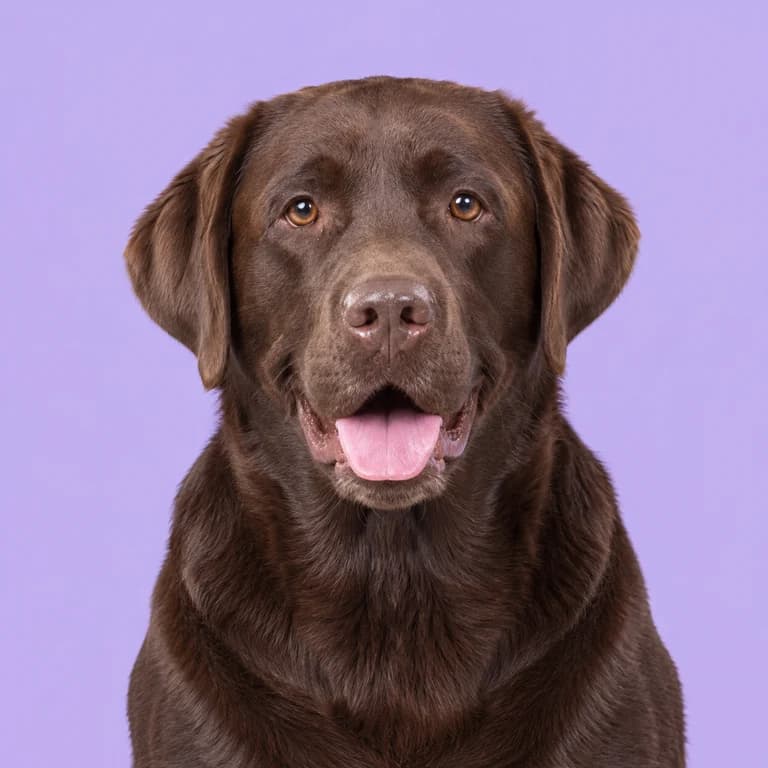
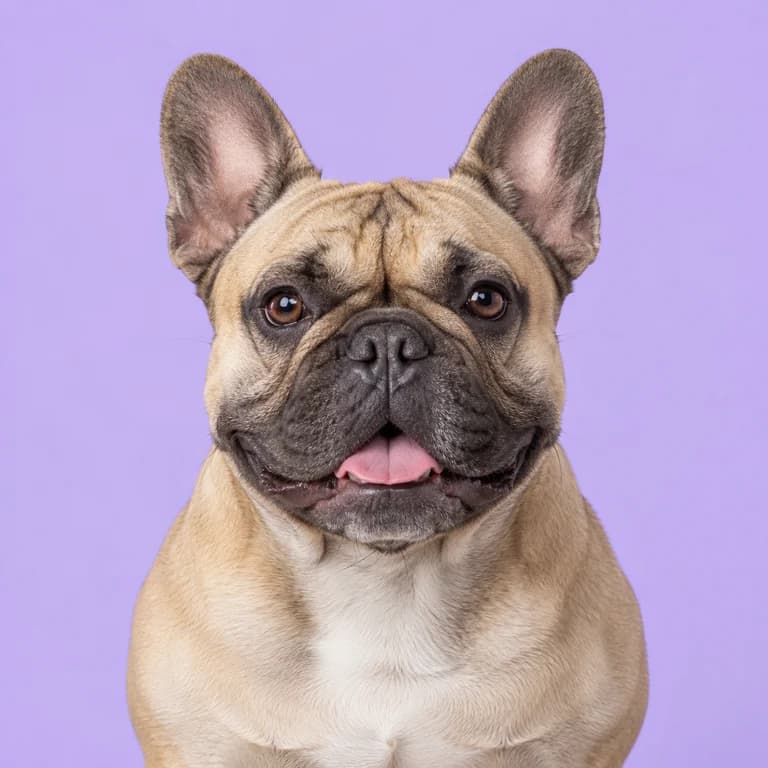
Some dogs treat every meal as a race. The bowl hits the floor, there is a brief blur, and 30 seconds later your dog is licking an empty dish and looking at you hopefully. Fast eating is common, especially in food-motivated breeds and in dogs who once had to compete for food, and it is more than a quirk.
Gulping can bring up undigested kibble, lead to swallowed air and gassiness, and in rare cases cause choking. Eating quickly is also one of several factors discussed in connection with bloat in large, deep-chested dogs. This guide shows you how to measure your dog's speed, compares the main ways to slow things down, and gives a step by step plan to introduce a new method.
Measure your dog's eating speed first
Start with a baseline so you know whether a change is working. Use your phone's timer for three normal meals, from the moment the bowl touches the floor until your dog walks away. Note the portion size too, because 60 g and 300 g are not comparable.
As a rough guide, a medium dog finishing 150 g of kibble in under a minute is a fast eater. A reasonable goal for most dogs is four to eight minutes for a dry meal. You are not trying to make meals frustrating; you want steady, calm eating with chewing and pauses.
Watch how your dog eats as well as how long it takes. Kibble swallowed without any crunching, coughing or gagging partway through a meal, and bringing food back up within minutes are all signs that speed is causing trouble. Write your three timings down; after two weeks with a slowing method, time three more meals and compare.
Compare the main slowing methods
There is no single best option. The right choice depends on your dog's muzzle shape, how easily it gets frustrated and what food you use. Many owners end up rotating two methods to keep meals interesting.
| Method | Typical meal time | Best for | Watch out for |
|---|---|---|---|
| Slow feeder bowl with ridges or a maze | 3 to 8 minutes | Daily dry meals, most dogs | Deep patterns can frustrate flat-faced dogs |
| Snuffle mat | 5 to 10 minutes | Dogs who love sniffing, small portions | Needs washing often, not for wet food |
| Scatter feeding on grass or a clean floor | 5 to 15 minutes | Calm single-dog homes | Not suitable with other pets nearby |
| Muffin tin or ice cube tray | 2 to 4 minutes | Quick home test before buying anything | Light tins slide, so place on a mat |
| Lick mat with wet food | 8 to 15 minutes | Wet or soaked food | Dogs may chew the mat, so supervise |
| Puzzle toy or treat ball | 10 to 20 minutes | Energetic dogs who need a job | Some dogs lose interest and give up |
Choosing a slow feeder bowl that fits your dog
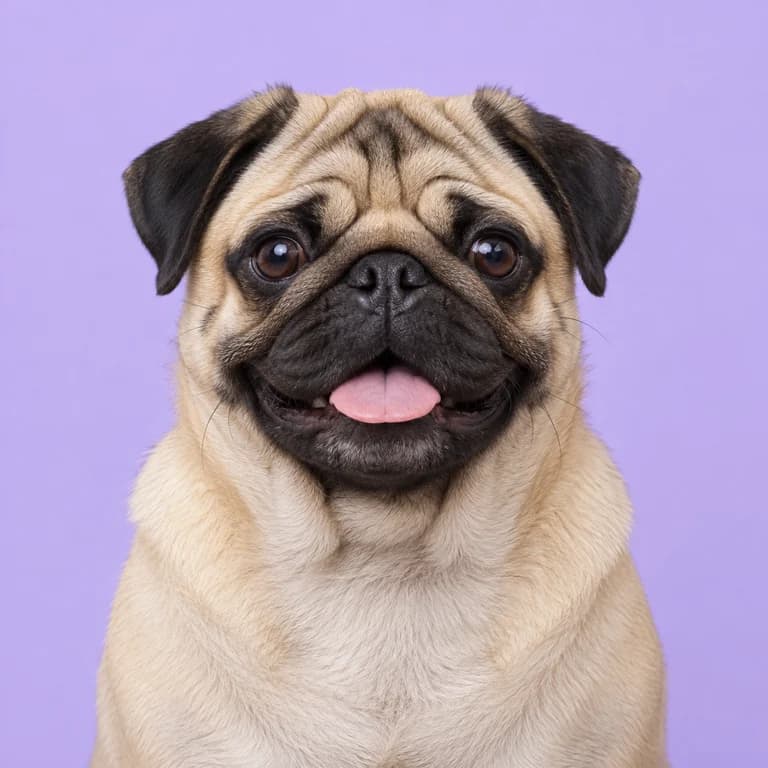
Match the pattern depth to your dog's face. Long-nosed dogs such as Labradors or collies can work deep, narrow channels. Flat-faced breeds such as French Bulldogs and Pugs need shallow, wide patterns, or they will bump their faces, grow frustrated and try to flip the bowl. Small dogs need narrow gaps that still leave room for a small muzzle.
Size matters as well. The whole meal should fit in the pattern with the pieces sitting mostly below the ridges, otherwise your dog can skim the top layer quickly. For big dogs eating 300 g or more, a larger bowl or splitting the meal into two sessions works better than overfilling.
Material and stability complete the picture. Stainless steel and glazed ceramic are the easiest to clean thoroughly. Plastic scratches over time and should be replaced when grooves appear. Whatever you choose, it needs a non-slip base or a mat underneath, since a bowl that skids across the floor turns a meal into a chase.
- Long muzzle: deeper maze patterns are fine
- Short or flat face: shallow, wide ridges
- Toy breeds: narrow gaps, small overall size
- Large breeds: bigger bowl or two sittings for big portions
- Any dog: heavy or non-slip base, easy to scrub
Introduce it over a week without frustration
Jumping straight to the hardest pattern with the whole meal can backfire. A dog who gives up and walks away learns that the new bowl is annoying. Build success first, then add difficulty.
Stay nearby for the first few sessions, praise calm eating and never take the bowl away mid-meal to reset. If your dog paws or barks at it, make the next session easier rather than waiting it out.
| Days | What to do |
|---|---|
| 1 to 2 | Put a few high-value treats in the new bowl between meals so your dog discovers it with no pressure |
| 3 to 4 | Serve half the meal in the slow feeder and half in the usual bowl |
| 5 to 6 | Serve the full meal in the slow feeder, adding a splash of water if kibble sticks |
| 7 onward | Full meals in the slow feeder, rotating with a snuffle mat or scatter feeding once or twice a week |
Fast eating in multi-dog homes and rescued dogs
Competition is the most common reason dogs speed up. Even a dog with no history of guarding will eat faster when another dog is nearby. Feed dogs in separate rooms or at least 2 to 3 meters apart, facing away from each other, and pick up empty bowls straight away so no one goes hunting.
Dogs who went short of food in the past, including some rescues, may gulp for months after they arrive. A predictable schedule, a quiet spot and a slow feeder usually help them relax over time. If a dog stiffens, freezes or growls over the bowl, give space and seek a qualified behavior professional rather than trying to correct it yourself.
When fast eating needs a vet's opinion
A dog who has always eaten quickly is usually just enthusiastic. A change is different. A sudden increase in hunger, eating quickly while still losing weight, or new scavenging and stealing of food can all have medical causes and deserve a vet check.
Regurgitating food soon after meals now and then is common in gulpers, but frequent episodes, coughing while eating or trouble swallowing should be seen by a vet. For large deep-chested dogs, unproductive retching, a swollen or tight belly, drooling and restlessness after a meal are an emergency: go to the nearest open vet immediately.
Checklist
- Time three normal meals to set a baseline
- Pick a pattern depth that suits your dog's muzzle
- Check the bowl has a non-slip base
- Introduce the slow feeder over about a week
- Feed multiple dogs apart and lift bowls afterward
- Know the bloat warning signs if you have a large deep-chested dog
Questions
Can a slow feeder bowl prevent bloat?
No bowl can guarantee that. Eating quickly is one of several factors discussed in relation to bloat in large, deep-chested dogs, so slowing meals is a sensible habit, but it is not a proven preventive on its own. Splitting food into two or more meals and avoiding hard exercise around mealtimes are also commonly advised. Ask your vet about your dog's individual risk.
My dog gets frustrated and gives up on the slow feeder. What now?
The pattern is probably too hard. Go back to an easier option, such as a muffin tin or scatter feeding, and let your dog succeed for a week. Then try a slow feeder with a simpler, shallower pattern. Adding a little water or a spoonful of wet food makes it more rewarding while your dog learns.
Can I use a slow feeder for wet food?
Yes, although wet food works best in shallow bowls with open patterns or on a lick mat, since deep channels are hard to clean. Spread the food thinly into the grooves. Some owners freeze a lick mat with wet food for an even longer meal on hot days. Wash any wet food feeder after every use.