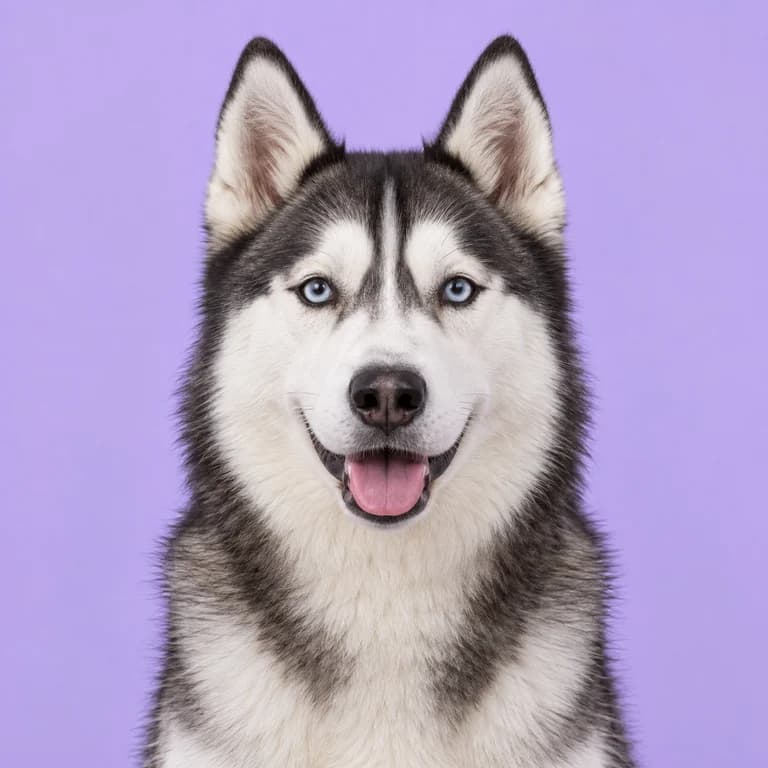
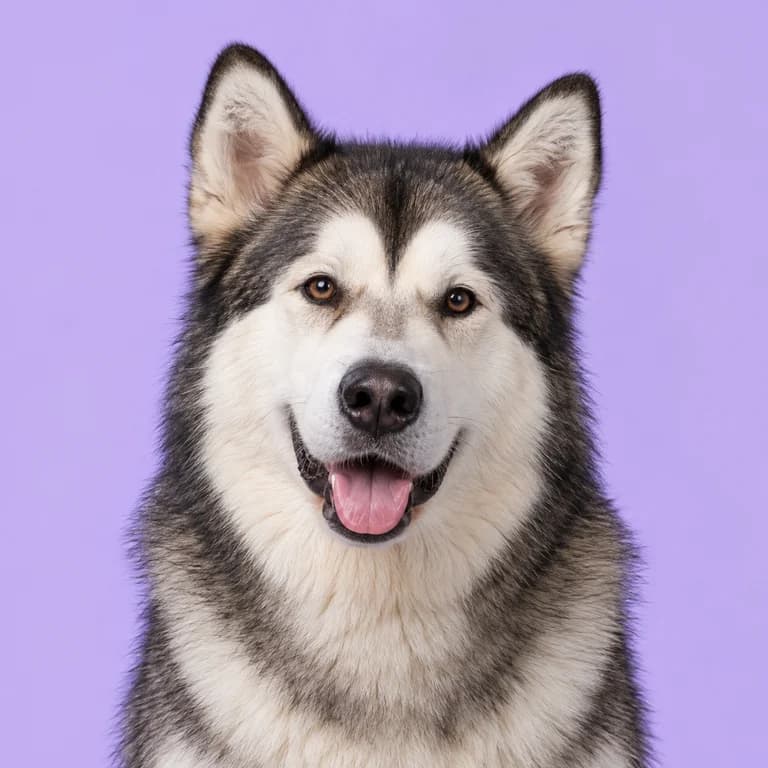
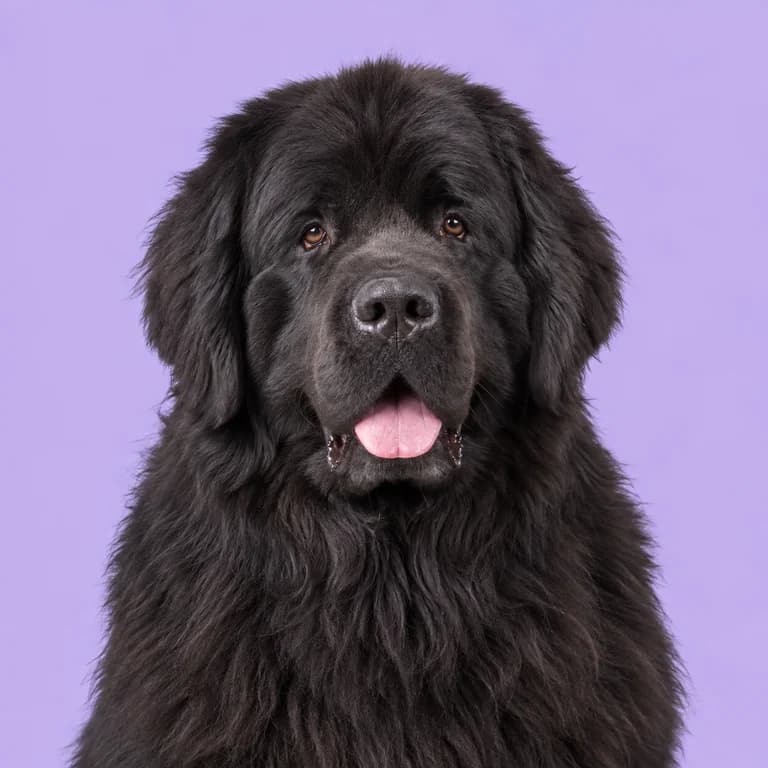
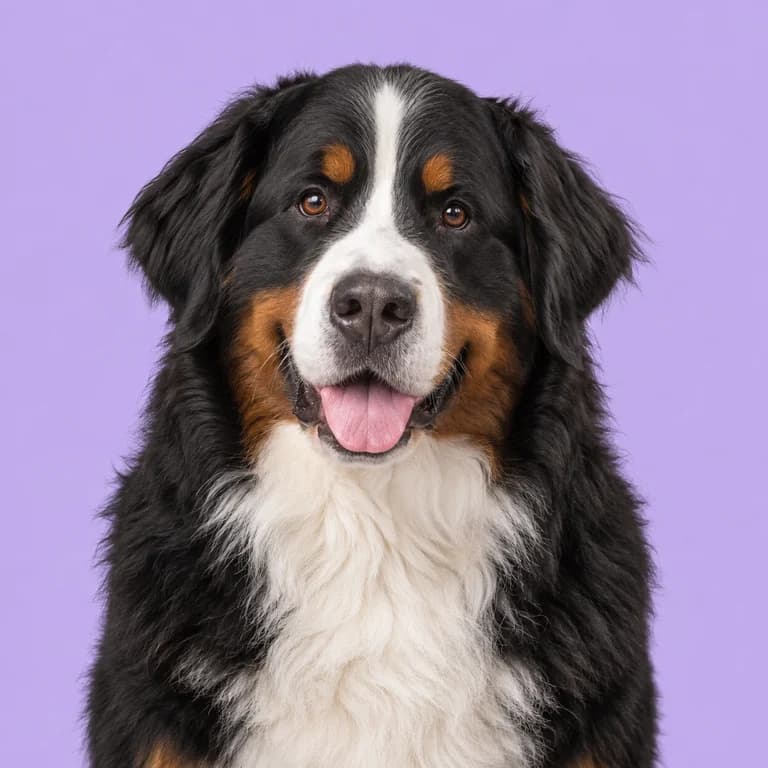
Cold tolerance varies enormously between dogs, and the number on the thermometer means less than the combination of coat type, size, body fat, age and how long your dog is actually outside. A Siberian Husky can be comfortable at minus 10 degrees Celsius (14 F) for a genuine hike, while a Chihuahua can start shivering on a 5 degree Celsius (41 F) morning walk within a few minutes.
This guide sets out concrete cold thresholds by dog type, the paw and skin problems that show up in winter, and the signs that mean it is time to turn around and go home. Treat the numbers as a starting point and adjust based on how your own dog is behaving on the day.
Cold thresholds by dog type
Large, double coated breeds bred for cold climates (Huskies, Malamutes, Newfoundlands, Bernese Mountain Dogs) generally tolerate temperatures down to minus 10 to minus 15 degrees Celsius (5 to 14 F) for normal exercise, provided they stay dry and active. Medium sized dogs with moderate coats are usually fine down to around 0 to minus 5 degrees Celsius (23 to 32 F) for a standard walk, with a coat or jumper recommended below freezing for short haired individuals.
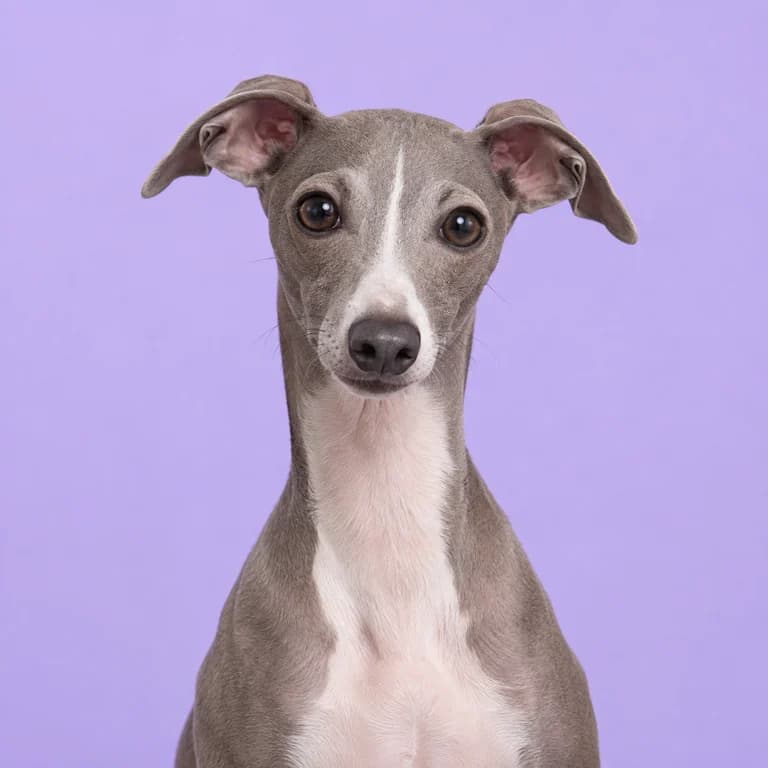
Small, short coated, thin bodied or toy breeds (Chihuahuas, Italian Greyhounds, French Bulldogs, Whippets) start showing discomfort as early as 7 to 10 degrees Celsius (45 to 50 F) and should wear a well fitted coat below that, with walks kept short and brisk below 0 degrees Celsius (32 F). Puppies, seniors and dogs with reduced mobility lose heat faster than a healthy adult of the same breed and need the same caution as a small breed regardless of size.
A rough rule that works across most dogs: below minus 6 to minus 7 degrees Celsius (around 20 F), limit outdoor time for any dog to what is needed for bathroom breaks unless they are a genuine cold weather working breed acclimatized to it.
| Dog type | Comfortable down to | Needs a coat below |
|---|---|---|
| Cold climate double coat (Husky, Malamute) | -10 to -15C (5 to 14F) | Rarely needed |
| Medium, moderate coat | 0 to -5C (23 to 32F) | 0C (32F) if short haired |
| Small, thin coat, toy breeds | 7 to 10C (45 to 50F) | 10C (50F) |
| Puppies, seniors, low mobility | Treat as small breed | 10C (50F) |
Protect paws from salt, ice and cold burns
Road salt and de-icing chemicals irritate paw pads and can cause chemical burns with prolonged contact, and dogs that lick treated paws afterward can get an upset stomach. Rinse and dry paws with a damp cloth after any walk on gritted or salted pavement, and check between the toes for ice balls, which form from packed snow and can feel like walking on small stones.
A thin layer of petroleum free paw balm applied before a walk helps protect pads from salt and cold, and fitted dog boots work well for dogs that tolerate them, though most dogs need several short practice sessions indoors before they walk normally in boots.
- Rinse and dry paws after every walk on salted or gritted surfaces
- Check between toes for packed ice balls after walking in snow
- Trim paw fur slightly shorter in winter to reduce ice clumping
- Apply a pet safe paw balm before walks in freezing conditions
Watch for the early signs your dog wants to go home
Lifting one paw at a time off the ground, slowing to a stop, shivering, tucking the tail tightly, or trying to turn back toward the house are all signs a dog is genuinely cold, not just being stubborn. These signs typically appear well before any real risk, so treat them as a request to shorten the walk rather than push on to finish a planned route.
Shivering that continues after coming back indoors, or a dog that feels unusually cold to the touch on the ears, paws or belly, is worth a few extra minutes wrapped in a dry towel or blanket in a warm room before you decide it has resolved.
Indoor winter care matters as much as the walk
Central heating dries out skin and coat just as it does for people, so brush regularly to distribute natural oils and consider a humidifier in very dry homes if you notice flaking skin or increased static in the coat. Keep beds away from direct drafts near doors and windows, and raise a bed slightly off cold tile or wood floors with a thick mat, since dogs lose a surprising amount of heat through direct floor contact while sleeping.
Water bowls near unheated porches or garages can approach freezing overnight in cold climates, so check that drinking water stays liquid and refill with room temperature water rather than very cold water on the coldest mornings.
Cold weather is harder on joints and older dogs
Arthritic dogs often stiffen more noticeably in cold, damp weather, taking longer to settle into a walking rhythm and slowing down sooner than in summer. A short warm up around the house before heading outside, plus a well fitted coat even for a medium sized senior dog, can make a real difference to how comfortable the walk feels. Keep an eye on how quickly an older dog wants to turn back once temperatures drop, since that reluctance is often the clearest signal you will get that a shorter loop is the better plan for the day.
Know when cold becomes an emergency
Frostbite most often affects ears, tail tip and paws, and shows as pale, grey or bluish skin that feels unusually cold and hard, sometimes followed by swelling or blistering as it warms. Hypothermia shows as intense, uncontrollable shivering that then stops as the dog becomes weak, followed by lethargy, stumbling, or a slow heart rate. Both need a vet promptly rather than home treatment: warm the dog gradually with dry blankets on the way, but do not use direct heat sources like a hairdryer or heating pad, which can cause burns on numb skin.
Checklist
- Check the forecast temperature against your dog's size and coat type before heading out
- Fit a coat for small, thin coated or short legged dogs below 7 to 10C (45 to 50F)
- Rinse and dry paws after any walk on salted or gritted ground
- Check between toes for ice balls after walking in snow
- Shorten or skip walks below minus 6 to minus 7C (about 20F) unless your dog is built for it
- Keep an eye on ears, tail tip and paws for pale, hard, unusually cold skin
Questions
Do all dogs need a coat in winter?
No. A healthy, well coated medium or large breed with normal body fat usually manages fine down to freezing without one. Coats matter most for small, short haired, very lean, senior or puppy dogs, and for any dog on a walk longer than a quick bathroom break in genuinely cold conditions.
Is it true dogs' paws don't get cold because of special circulation?
Dogs do have a heat exchange system in their paws that keeps pad temperature above freezing longer than you might expect, which is why sled dogs can work on snow and ice. It is not unlimited protection though, and prolonged contact with ice, snow packed between toes, or salted pavement still causes real discomfort and injury.
Can dogs get frostbite even on a short walk?
It is uncommon on a short walk in typical winter conditions, but risk rises sharply in wind, wet fur, or temperatures below about minus 10 to minus 15C (5 to 14F), especially on ears and tail tips with thin fur. Keep walks brief in extreme cold and dry your dog thoroughly afterward.
Why does my dog eat less in winter?
Some dogs are simply less active in cold months and naturally eat a little less to match, which is normal as long as weight stays steady. A sudden, significant drop in appetite alongside lethargy or other changes is worth mentioning to a vet rather than assuming it is only the season.