Sources for this article
Toy group · Italy
Italian Greyhound
Also called IG, Iggy, Piccolo Levriero Italiano
A true sighthound shrunk to lap size, fast as a flicker and delicate enough to need thoughtful handling.
The Italian Greyhound is the smallest of the sighthounds, a slender dog of around 4 kg with the running style of a racing Greyhound. Adored by Renaissance nobility, it is affectionate, sensitive and quiet at home. Its fine bones, thin coat and chase instinct shape nearly every decision you make as an owner.
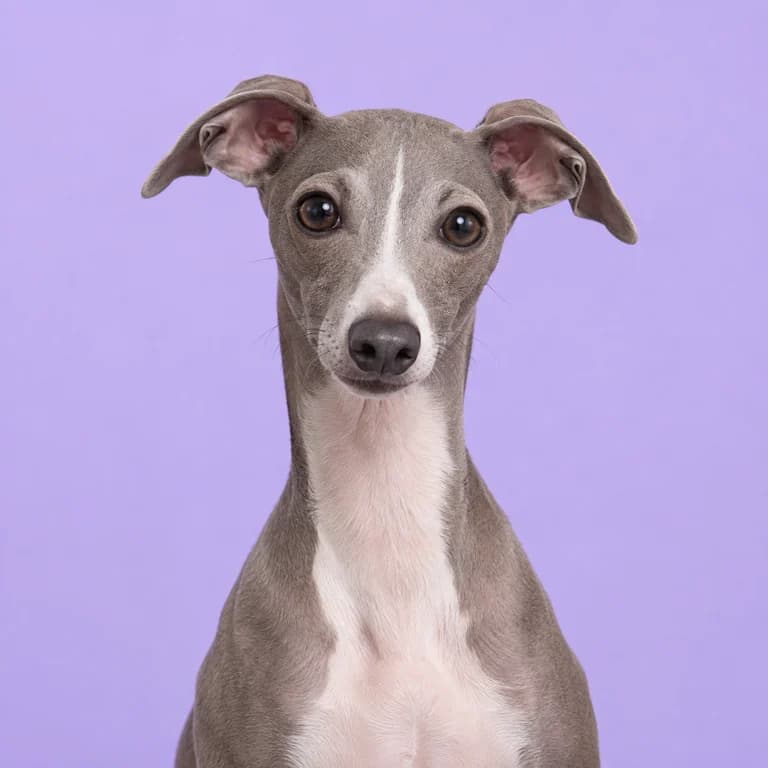
Original AI-generated breed illustration
Weight
3 to 5 kg
7 to 11 lb
Height
32 to 38 cm
at the shoulder
Life expectancy
13 to 15 yrs
Activity estimate
60 to 90 min
editorial daily planning range
Adult-size estimate
12 months
approximate model input
Life with a Italian Greyhound
Picture a Greyhound with every proportion kept and the scale cut to a quarter. That is the Italian Greyhound, a dog that has been a companion for so long nobody can say for certain when it first appeared. Small sighthounds show up in Pompeii mosaics and on Greek pottery, and by the 1500s they were fixtures of Italian noble households, where they lounged on cushions in portraits.
At home an IG is gentle, clingy and a bit of a cat: it seeks warmth, burrows under duvets and will happily nap most of the afternoon. Outdoors the hound switches on. A running squirrel or a blowing leaf can trigger a sprint that ignores every call. Many IGs are reserved with strangers and startle at sudden noises, so a calm household suits them best.
Size is the defining fact of life with this breed. The legs are as fine as a pencil, the skin tears more easily than a thicker-coated dog's, and a 4 kg body loses heat fast. None of that makes them unhealthy or unhappy, but it does mean you plan around them: ramps or steps for the sofa, soft landing zones, a warm coat in winter, and supervision around boisterous dogs or toddlers.
What stands out
Puppy growth
IG puppies are tiny, often under 1 kg at 8 weeks, and reach most of their adult height by 7 to 8 months. They fill out a little until about 12 months. Growth is quick but the bones stay fine, and the leg bones do not fully harden until later.
Read the full puppy growth guideIllustrative model, not observed breed data or a healthy-weight standard. Use actual measurements and veterinary advice to assess growth.
A great match for
- flats and small homes
- adults or families with older, gentle children
- owners who are home often and like a cuddly dog
- people in mild climates or willing to use dog coats
Think twice if
- fragile legs, especially in the first 18 months
- slow, frustrating house training
- will bolt after small animals if off lead
- feels the cold badly
- tartar builds up fast on small teeth
Personality and needs at a glance
Living together
Good with children
Good with other dogs
Open with strangers
Apartment friendly
Copes with alone time
Energy and character
Energy level
Playfulness
Easy to train
Barking
5 means very vocal
Care and climate
Grooming needs
Shedding
Drooling
Handles cold
Handles heat
How much an Italian Greyhound eats
Illustrative calculations for neutered adults at midpoint breed weights, with food at 370 kcal per 100 g and 100 g per cup. These are not measured breed requirements. Use actual weight, the food label and veterinary body-condition advice.
| Dog | Weight | Calories | Dry food |
|---|---|---|---|
| Female, relaxed lifestyle | 4 kg | 280 kcal | 75 g (0.8 cups) |
| Female, typical pet | 4 kg | 320 kcal | 85 g (0.8 cups) |
| Male, typical pet | 4 kg | 320 kcal | 85 g (0.8 cups) |
| Male, very active | 4 kg | 400 kcal | 105 g (1 cups) |
Care guides for the Italian Greyhound
Things owners are often surprised by
- 1Small greyhound-type dogs appear in art from ancient Greece and Rome, and the breed name reflects its popularity in Renaissance Italy
- 2Adults usually weigh only 3 to 5 kg (7 to 11 lb) yet can sprint at around 40 km/h (25 mph)
- 3Young IGs are especially prone to breaking the front leg bones when jumping from furniture
- 4They have almost no body fat and no undercoat, so many need a coat below about 10 C (50 F)
- 5IGs often sleep under blankets and seek out the warmest spot in the house
- 6Like larger sighthounds, they can react differently to some anesthetic drugs, so tell every vet about the breed
Italian Greyhound questions
Why does my Italian Greyhound shake all the time?
Shivering is common in IGs and usually has simple causes: cold, excitement or nervousness. With no undercoat and little body fat, they lose heat quickly even indoors. A fleece jumper, a covered bed and a warm room often stop it. If your IG trembles while warm and relaxed, seems in pain, or the shaking comes with other changes such as weakness or vomiting, see a vet.
Can Italian Greyhounds live with cats?
Many do, especially when raised with a cat from puppyhood. An IG may learn to ignore its own cat indoors while still chasing cats in the garden or on walks. Introduce them slowly, supervise early meetings and give the cat high escape routes. An adult IG from a rescue with a strong chase history may never be safe, so ask about its past behavior.
How do I stop my Italian Greyhound breaking a leg?
You cannot remove all risk, but you can cut it sharply. Use ramps or steps for beds and sofas, avoid high furniture for young dogs, and never let a puppy leap from your arms. Keep play with bigger dogs supervised and on soft ground. The riskiest period runs from about 4 to 18 months, so be most careful then, when bones are still maturing.
Are Italian Greyhounds hard to house train?
They have a reputation for it, and it is well deserved. Small bladders, dislike of wet weather and sensitivity to scolding make the process slow. Take your IG out every two hours at first, go outside with it, reward immediately, and consider a coat on cold days. Crate training with a correctly sized crate also helps. Most get there with consistency, but expect months, not weeks.
Is an Italian Greyhound a good dog for a family with young kids?
It can work in a calm family with children old enough to handle a dog gently, usually 8 years and up. Toddlers who grab, drop or fall on a small dog pose a real risk of fractures. IGs are also sensitive to noise and rough play. If your household is busy and loud, a sturdier small breed might be happier and safer.
Popular answers for owners
- Puppy feeding and growthWhat should I feed a puppy during weaning?
- How much to feedHow do I change my dog's portion size gradually without upsetting its stomach?
- Bowls and feeding gearCan I use a travel bowl as my dog's everyday bowl?
- Bowls and feeding gearDo I need separate feeding stations for a resource guarding dog?
- Bowls and feeding gearCan automatic feeders help in a multi pet household with different diets?
- Bowls and feeding gearCan I put my dog's bowl in the dishwasher?
Breeds you might compare
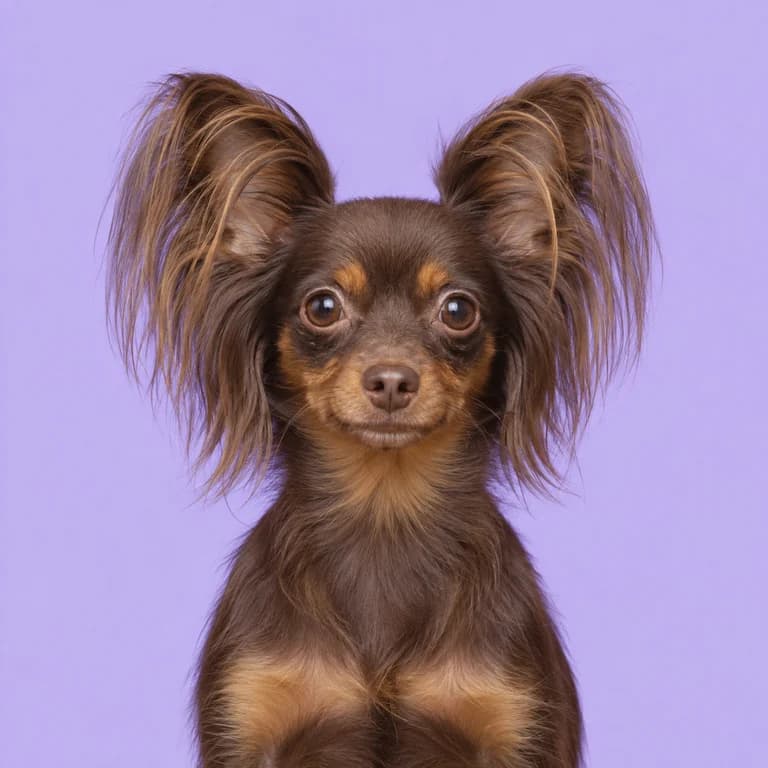
Toy group
Russian Toy
1 to 3 kg · 12 to 14 years
One of the smallest dogs in the world, with long legs, huge ears and a terrier's alertness.
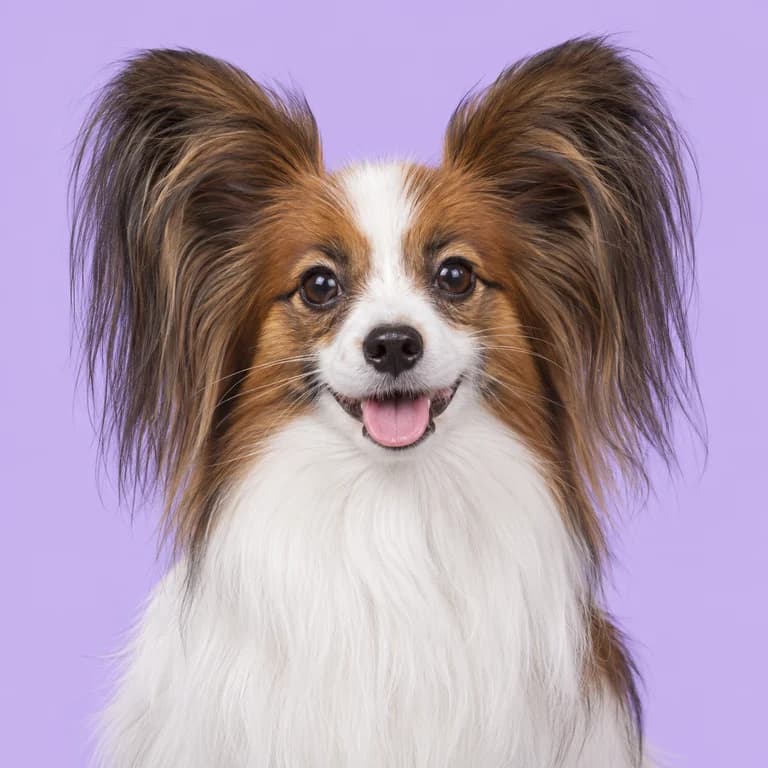
Toy group
Papillon
2 to 5 kg · 13 to 16 years
A butterfly-eared toy spaniel that learns faster than most big dogs and loves showing off what it knows.
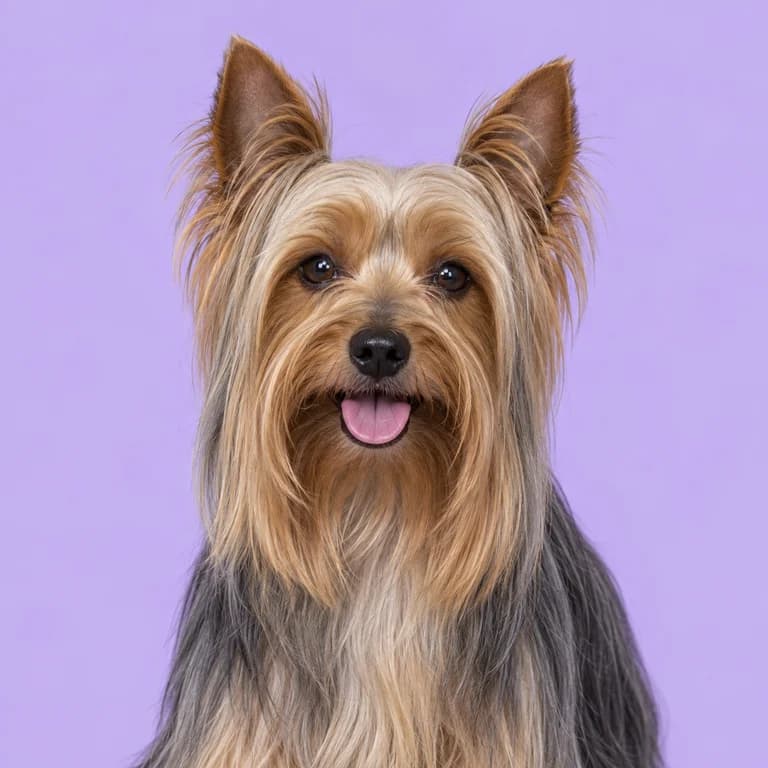
Toy group
Silky Terrier
4 to 5 kg · 13 to 15 years
A true terrier in a toy-sized body, dressed in blue and tan silk and still keen to catch a rat.
Toy group
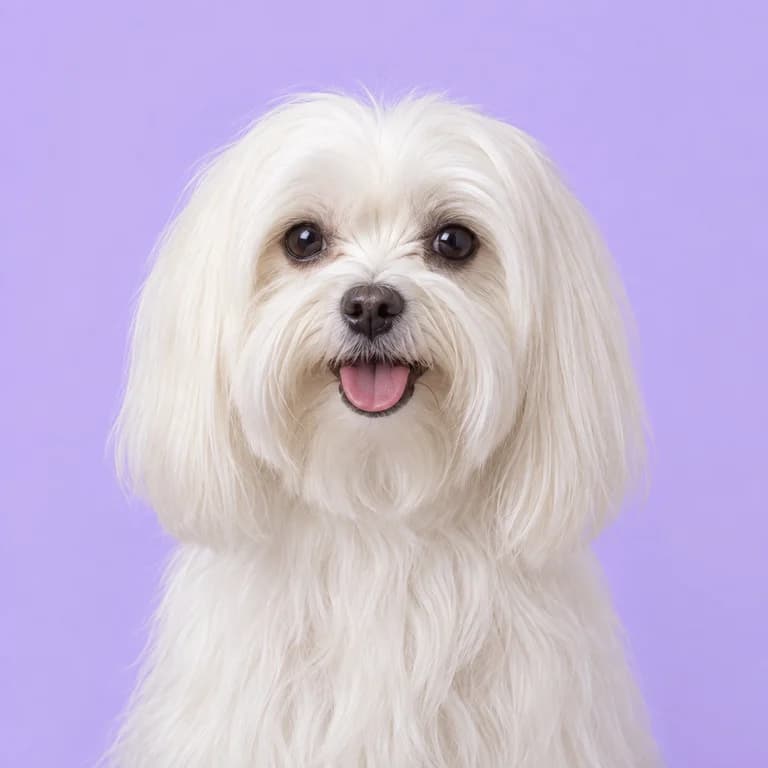
Maltese
2 to 4 kg · 12 to 15 years
A tiny white companion with a bold, cheerful personality and a silky coat that asks for daily attention.
Toy group
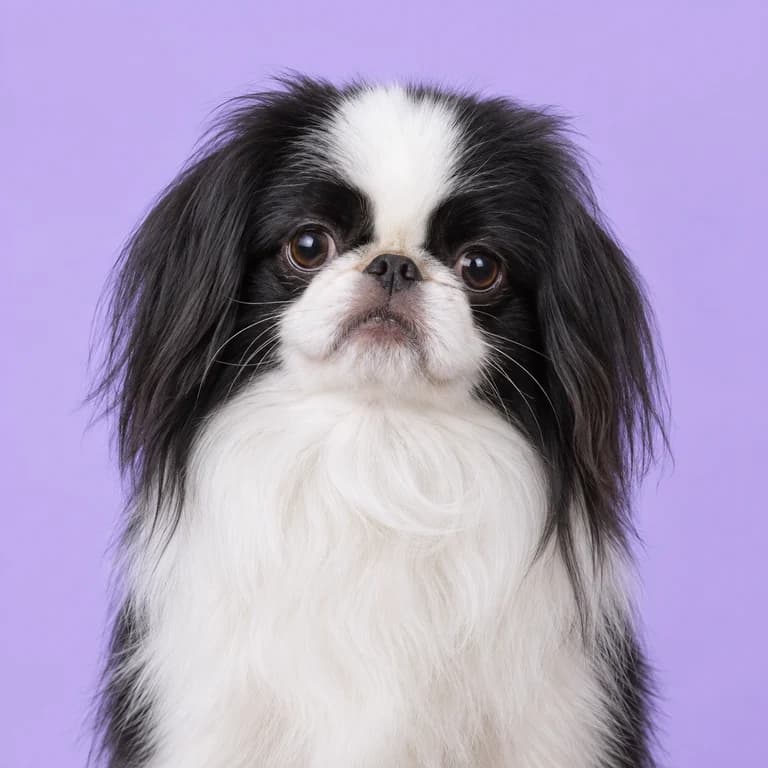
Japanese Chin
2 to 5 kg · 10 to 14 years
A quiet, cat-like lap dog that washes its face with its paws and watches from the highest cushion.
Non-sporting group
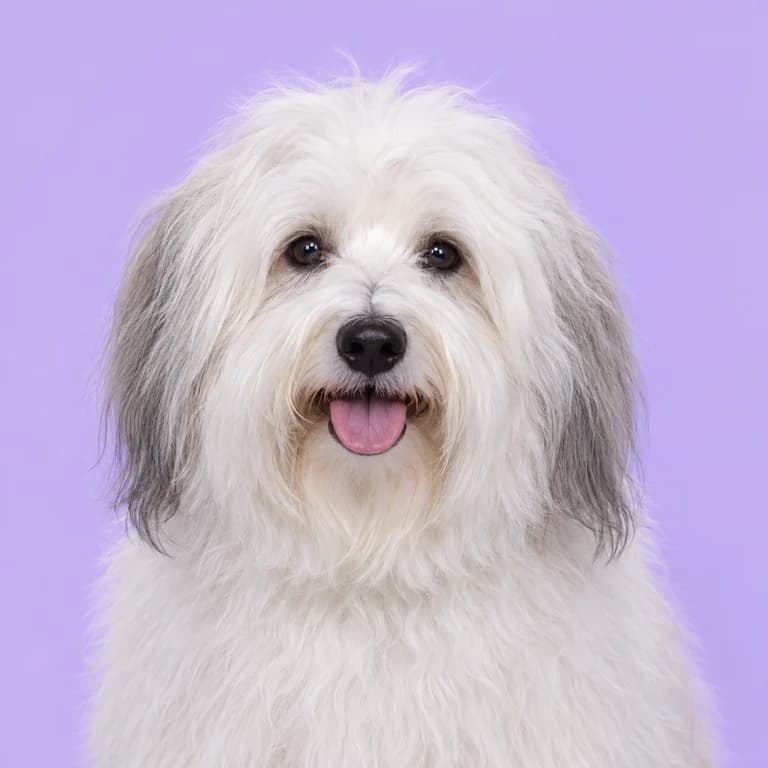
Coton de Tulear
4 to 6 kg · 14 to 16 years
A cotton-coated clown from Madagascar whose soft white hair needs daily attention and rewards it generously.