Sources for this article
Toy group · Japan
Japanese Chin
Also called Japanese Spaniel, Chin
A quiet, cat-like lap dog that washes its face with its paws and watches from the highest cushion.
The Japanese Chin is a tiny companion dog with an oddly feline personality: fastidious, quiet, a little aloof with strangers and fond of high perches. It was kept for centuries in Japanese noble households and has never had any job except company. Expect a sensitive, devoted dog that dislikes rough handling and struggles in heat.
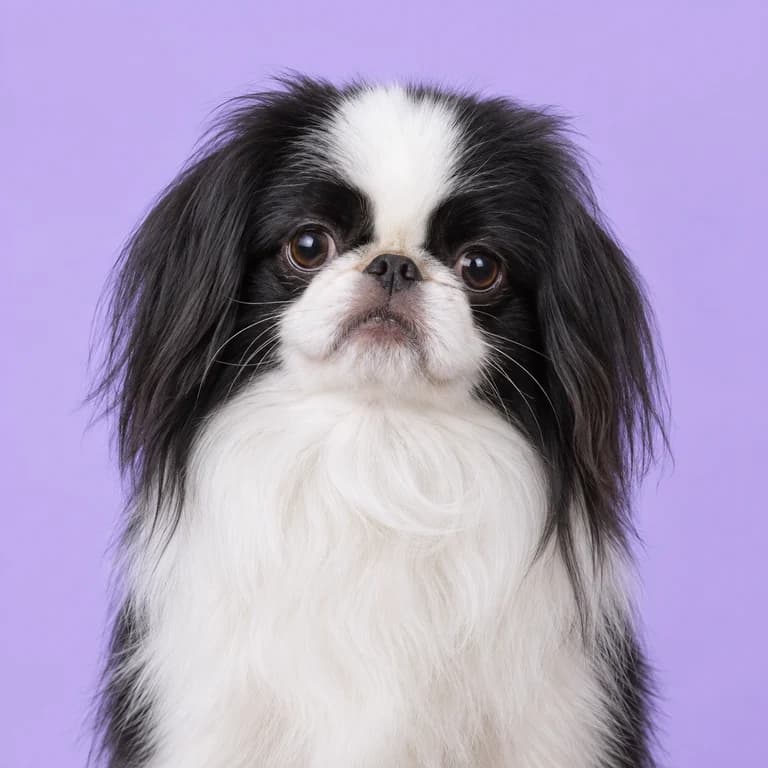
Original AI-generated breed illustration
Weight
2 to 5 kg
4 to 11 lb
Height
20 to 28 cm
at the shoulder
Life expectancy
10 to 14 yrs
Activity estimate
30 to 60 min
editorial daily planning range
Adult-size estimate
11 months
approximate model input
Life with a Japanese Chin
Owners reach for cat comparisons with the Japanese Chin more than with any other breed. It licks a paw and wipes its face, perches on the back of the sofa to survey the room, bats toys with its front feet, and decides for itself when it wants a cuddle. It is quiet, clean and particular, and it usually greets strangers with polite distance rather than a wagging rush.
The early history mixes record and legend. Small flat-faced dogs are thought to have come to Japan from China or Korea many centuries ago, possibly as diplomatic gifts. In Japan they were kept by the aristocracy as indoor companions, and some accounts say they were carried in the wide sleeves of a kimono. Larger numbers reached Europe and America after Japan opened its ports to Western trade in the 1850s.
With its own people, a Chin is devoted and playful in short bursts. It is often said to mirror the mood of the house: calm when you are calm, bouncy when you invite a game. Loud, chaotic homes tend to overwhelm it. Many do the famous twirl when they are happy, and plenty make chattering or snorting sounds that owners fondly call talking.
Because it was bred purely as a companion, the Chin has very little urge to chase, dig or work. It suits apartments and slow-paced homes beautifully, provided nobody expects a rough-and-tumble playmate.
What stands out
Training
Chins learn quickly but on their own terms, much like a cat. Gentle, reward-based sessions of a few minutes work best, and a scolded Chin simply shuts down. Tricks such as spin, wave and bow come easily, partly because many Chins already do them unprompted.
Read the full training guideEasy to train
Open with strangers
Good with other dogs
A great match for
- apartment dwellers
- quiet adult households and retirees
- people who work from home
- owners who want a small dog that rarely barks
Think twice if
- struggles badly in hot or humid weather
- large, prominent eyes injure easily
- too fragile for rough play with young children
- shy or aloof with strangers
- house training can be slow, especially in wet weather
Personality and needs at a glance
Living together
Good with children
Good with other dogs
Open with strangers
Apartment friendly
Copes with alone time
Energy and character
Energy level
Playfulness
Easy to train
Barking
5 means very vocal
Care and climate
Grooming needs
Shedding
Drooling
Handles cold
Handles heat
How much a Japanese Chin eats
Illustrative calculations for neutered adults at midpoint breed weights, with food at 370 kcal per 100 g and 100 g per cup. These are not measured breed requirements. Use actual weight, the food label and veterinary body-condition advice.
| Dog | Weight | Calories | Dry food |
|---|---|---|---|
| Female, relaxed lifestyle | 3 kg | 220 kcal | 60 g (0.5 cups) |
| Female, typical pet | 3 kg | 260 kcal | 70 g (0.8 cups) |
| Male, typical pet | 4 kg | 290 kcal | 75 g (0.8 cups) |
| Male, very active | 4 kg | 360 kcal | 95 g (1 cups) |
Care guides for the Japanese Chin
Things owners are often surprised by
- 1Usually weighs 2 to 5 kg (4 to 11 lb), with many dogs around 3 to 4 kg
- 2Known for the 'Chin spin', a happy twirl on the spot when excited
- 3Often wipes its face with its front paws, much like a cat
- 4Barks far less than most toy breeds
- 5Its ancestors are thought to have reached Japan from China or Korea before the breed was refined there
- 6The flat face and large eyes make it sensitive to heat and prone to eye injuries
Japanese Chin questions
Why does my Japanese Chin spin in circles?
The Chin spin is a well-known trait of the breed, usually done in moments of excitement such as when you come home or pick up the lead. It is simply how many Chins express joy. Spinning that happens constantly, in quiet settings, or together with a head tilt, loss of balance or signs of distress is different and should be looked at by a vet.
Is a Japanese Chin good with children?
A Chin can live happily with gentle, older children who know how to handle a small dog calmly. It is less suited to homes with toddlers, because it is fragile, dislikes being grabbed and can become nervous around noise. If you have young children, supervise all contact and give the dog a raised or gated spot where it can retreat undisturbed.
Do Japanese Chins bark a lot?
No. They are among the quietest toy breeds and usually bark only to announce a visitor or something unusual. Instead, many make chattering, snorting or yodel-like noises when excited. That makes them a good fit for apartments with thin walls, though every dog is an individual, and boredom or anxiety can still produce barking.
What is the difference between a Japanese Chin and a Pekingese?
Both are flat-faced Asian companion breeds, but the Chin is lighter, longer in the leg and more agile, with a single silky coat. The Pekingese is heavier for its size and lower to the ground, with a thick double coat that needs much more grooming. In temperament, the Chin tends to be more playful and cat-like, the Pekingese more stubborn and dignified.
Can Japanese Chins be left alone?
A healthy adult can usually manage 3 to 4 hours alone once it has been taught gradually, but Chins prefer company and many cope poorly with a full working day. Build up absences slowly, leave a comfortable bed and a puzzle feeder, and consider a sitter or midday visitor for longer days. In summer, make sure the room stays cool while you are out.
Popular answers for owners
- Puppy feeding and growthHow do I check my puppy's ribs to judge its weight?
- Puppy feeding and growthHow do I soften kibble for a very young puppy?
- Grooming and coatHow do I stop my dog's coat from matting?
- Exercise and playWhat is a snuffle mat and how does it help?
- Grooming and coatHow do I groom a Bernese Mountain Dog's heavy coat?
- Grooming and coatHow do I remove tree sap from my dog's coat?
Breeds you might compare
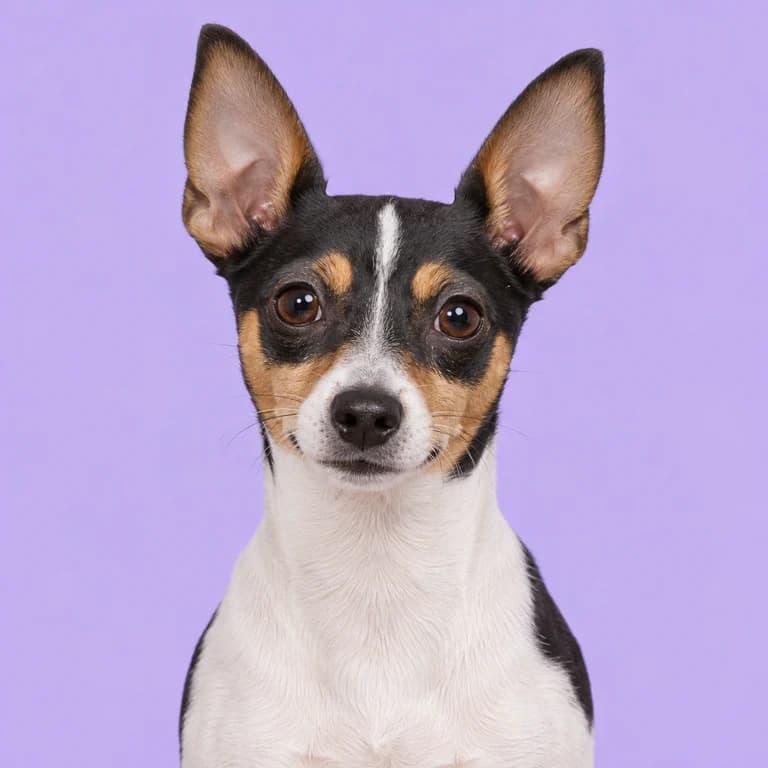
Toy group
Toy Fox Terrier
2 to 3 kg · 13 to 15 years
A full-sized terrier attitude squeezed into barely three kilos of muscle, speed and curiosity.
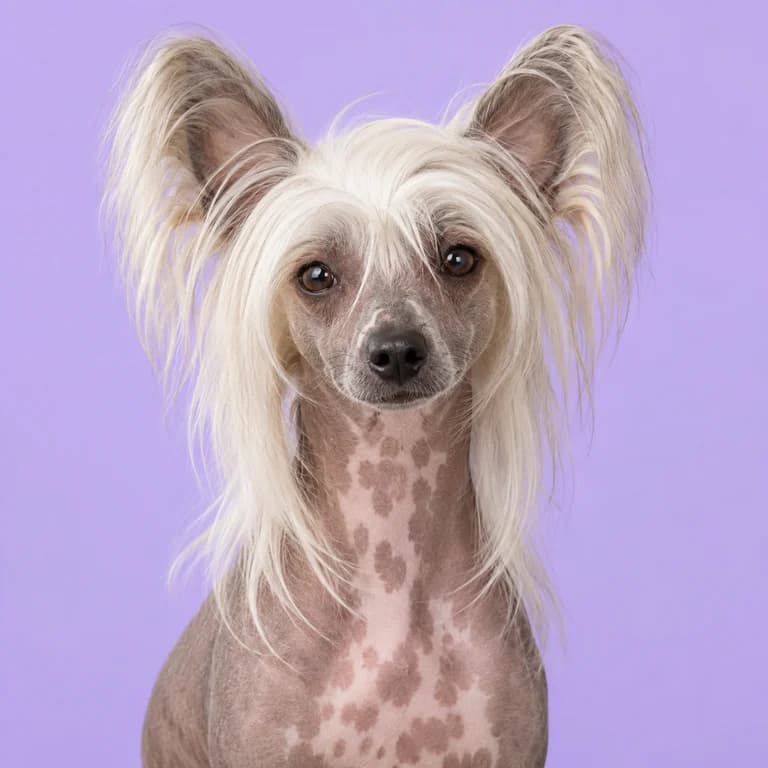
Toy group
Chinese Crested
3 to 5 kg · 13 to 16 years
A toy breed that arrives in two coats from the same litter, with skin needing as much care as hair.
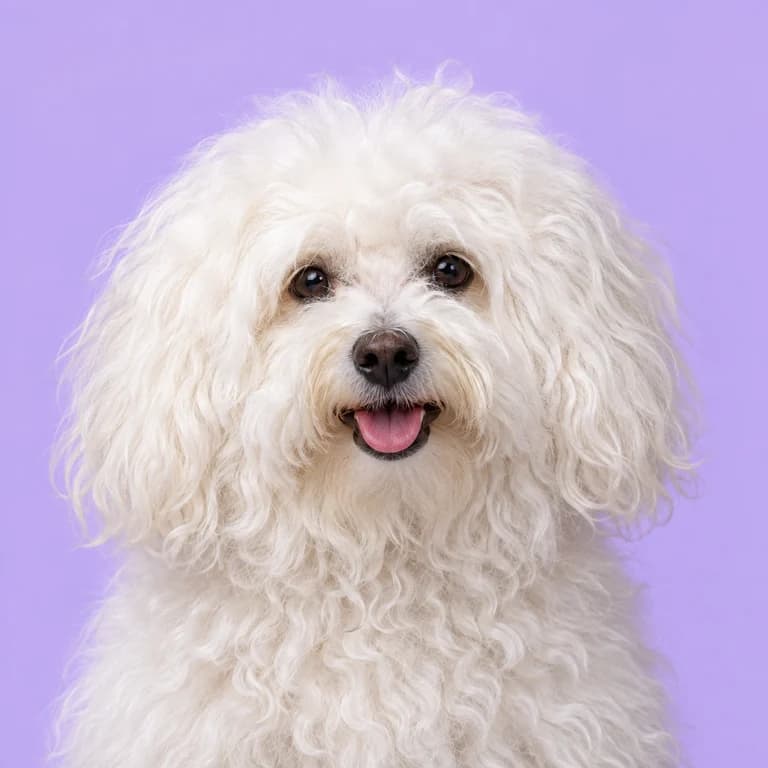
Toy group
Bolognese
2 to 4 kg · 12 to 14 years
A quiet, cloud-white Italian companion whose fluffy, open coat needs more care than its low shedding suggests.
Toy group
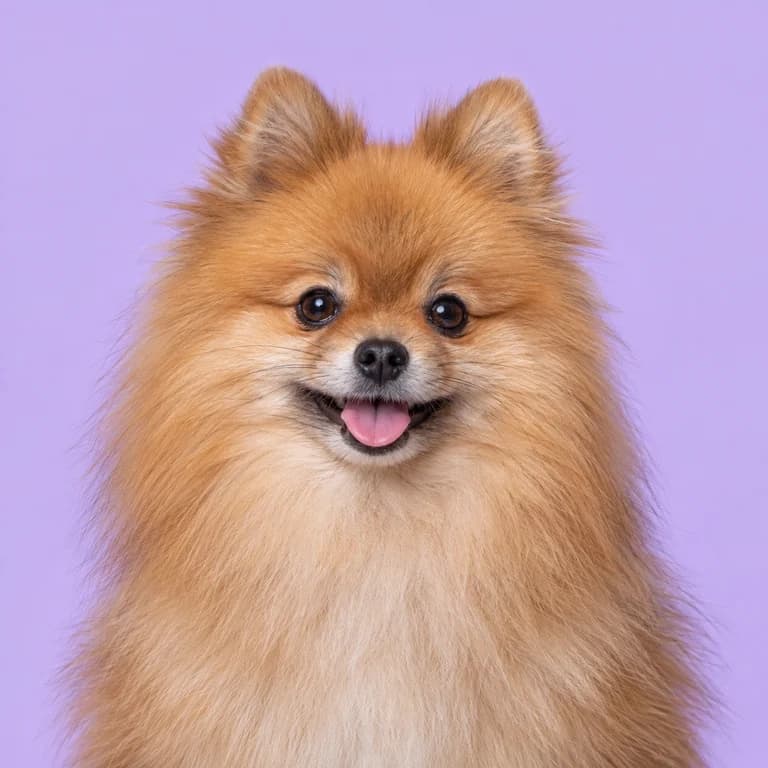
Pomeranian
2 to 3 kg · 12 to 16 years
A spitz shrunk to under 3 kg that still carries itself like the biggest animal in the room.
Toy group
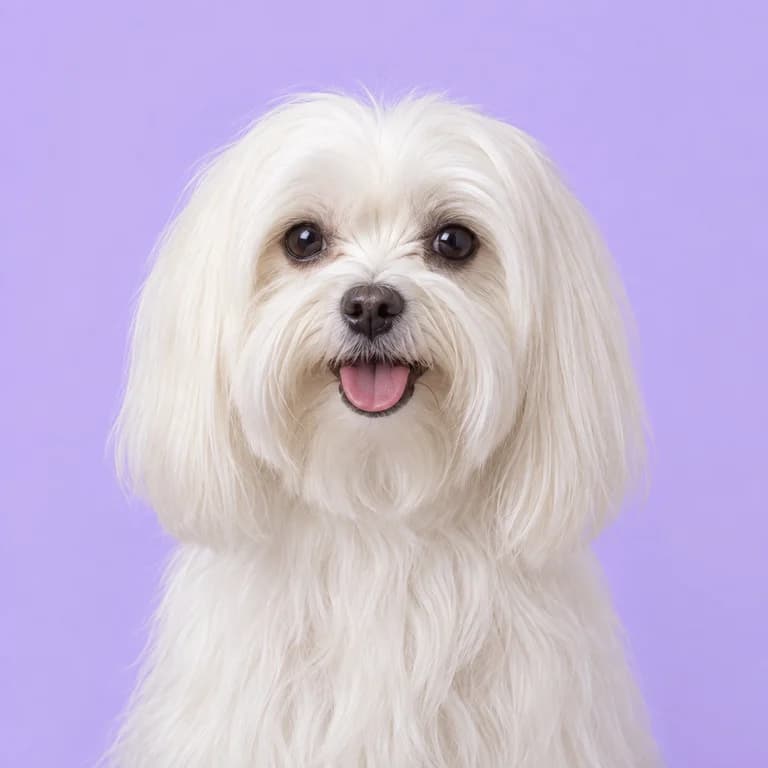
Maltese
2 to 4 kg · 12 to 15 years
A tiny white companion with a bold, cheerful personality and a silky coat that asks for daily attention.
Toy group
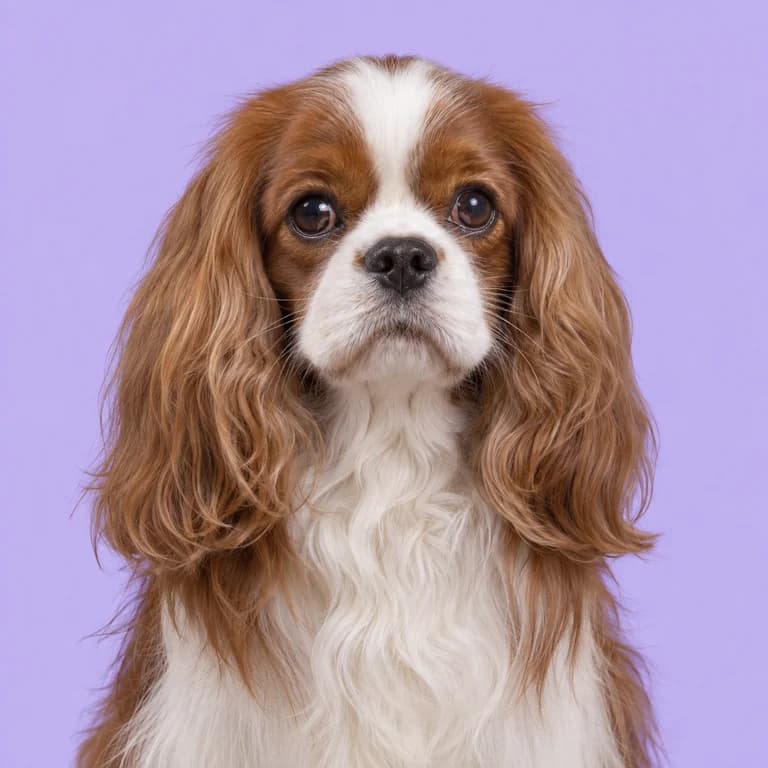
English Toy Spaniel
4 to 6 kg · 10 to 12 years
A compact, flat-faced royal lapdog that fits in your arms and carries centuries of court history.