Sources for this article
Toy group · Germany and Poland (Pomerania region)
Pomeranian
Also called Pom, Zwergspitz, Dwarf Spitz
A spitz shrunk to under 3 kg that still carries itself like the biggest animal in the room.
Pomeranians weigh about as much as a bag of flour, yet they belong to the same spitz family as sled pullers and farm dogs. That ancestry explains the bold attitude, the stand-off coat and the voice. Their tiny size shapes nearly every part of their care, from how much they eat to how you arrange your furniture.

Original AI-generated breed illustration
Weight
2 to 3 kg
4 to 7 lb
Height
18 to 24 cm
at the shoulder
Life expectancy
12 to 16 yrs
Activity estimate
60 to 90 min
editorial daily planning range
Adult-size estimate
12 months
approximate model input
Life with a Pomeranian
Size is the headline with this breed, and it has not always been this small. Pomeranians descend from larger spitz dogs of the Pomerania region on the southern Baltic coast, and dogs shown in Britain in the 1800s could reach around 13 kg (30 lb). Queen Victoria kept and bred small ones, and her enthusiasm pushed breeders to select hard for size until the modern dog settled at 1.4 to 3.2 kg (3 to 7 lb).
The personality did not shrink with the body. A Pom is alert, curious and quick to announce visitors, delivery vans and leaves blowing past the window. Most are cheerful and affectionate with their own people and want to be involved in everything, whether that means supervising the cooking or sitting in the laundry basket. Many will square up to a dog ten times their weight, which is endearing right up to the moment it becomes dangerous.
That tiny frame changes daily life in practical ways. A jump from a sofa can fracture a young Pom's leg, a toddler can drop one without meaning to, and a door swung shut carelessly is a real hazard. Homes that add pet steps or ramps, supervise closely around small children and build a habit of looking down before moving suit this breed best.
What stands out
Puppy growth
Pom puppies grow fast and finish early. 2 lb) when they go home at 8 to 10 weeks, are close to their final weight by six months, and reach full adult size at around 10 to 12 months. Because the numbers are so small, weigh your puppy every week or two on a kitchen or baby scale: a gain or loss of 100 g is significant at this size.
Read the full puppy growth guideIllustrative model, not observed breed data or a healthy-weight standard. Use actual measurements and veterinary advice to assess growth.
A great match for
- apartment and city living
- adults or families with older, gentle children
- owners who are home for much of the day
- people who enjoy brushing and handling a dog
Think twice if
- frequent, sharp alert barking
- easily hurt by falls and rough handling
- dental disease without daily brushing
- house training often takes longer than in bigger breeds
Personality and needs at a glance
Living together
Good with children
Good with other dogs
Open with strangers
Apartment friendly
Copes with alone time
Energy and character
Energy level
Playfulness
Easy to train
Barking
5 means very vocal
Care and climate
Grooming needs
Shedding
Drooling
Handles cold
Handles heat
How much a Pomeranian eats
Illustrative calculations for neutered adults at midpoint breed weights, with food at 370 kcal per 100 g and 100 g per cup. These are not measured breed requirements. Use actual weight, the food label and veterinary body-condition advice.
| Dog | Weight | Calories | Dry food |
|---|---|---|---|
| Female, relaxed lifestyle | 3 kg | 190 kcal | 55 g (0.5 cups) |
| Female, typical pet | 3 kg | 220 kcal | 60 g (0.5 cups) |
| Male, typical pet | 3 kg | 220 kcal | 60 g (0.5 cups) |
| Male, very active | 3 kg | 280 kcal | 75 g (0.8 cups) |
Care guides for the Pomeranian
Things owners are often surprised by
- 1Nineteenth-century Pomeranians could weigh around 13 kg (30 lb), several times today's size.
- 2Queen Victoria's fondness for small Poms pushed British breeders to shrink the breed dramatically during her lifetime.
- 3The breed standard asks for 1.4 to 3.2 kg (3 to 7 lb), with 2 to 2.5 kg considered ideal for show dogs.
- 4Between about 4 and 10 months the puppy coat sheds out, a patchy stage owners call the puppy uglies.
- 5A full set of 42 adult teeth has to fit into a jaw only a few centimeters long, so dental care is a daily job.
Pomeranian questions
Why does my Pomeranian puppy look so patchy and thin?
Most Pom puppies go through the puppy uglies somewhere between 4 and 10 months, when the soft baby coat sheds before the adult double coat grows in. The puppy may look thin, uneven or even a slightly different color for a few months. Keep brushing gently and feed a complete diet. If the skin itself looks red, flaky or sore, or bald patches spread in an adult, see your vet.
Are Pomeranians good with children?
They can be loving family dogs, but their size makes them a poor match for toddlers and very young children. A Pom can be injured by being dropped, stepped on or squeezed, and a frightened Pom may snap to protect itself. Homes with calm children aged about eight and older, who understand how to sit on the floor to cuddle, usually work far better.
What is a teacup Pomeranian?
Teacup is a sales term, not an official size. It usually describes a Pom expected to weigh under about 1.4 kg (3 lb) as an adult, below the breed standard. Dogs bred this small are more likely to have fragile bones, dental crowding, low blood sugar and other problems. A standard Pom from health-tested parents is already very small and a much safer choice.
Do Pomeranians bark a lot?
Yes, most do. The breed was selected as an alert companion and many Poms bark at every sound near the door, window or garden fence. You can reduce it by meeting their need for activity, blocking views of busy streets, and rewarding quiet moments generously. Punishing barking rarely works with this breed and often makes a nervous Pom bark more.
Can you shave a Pomeranian in summer to keep it cool?
It is usually better not to. The double coat insulates against heat as well as cold and protects the skin from sunburn, and a Pom shaved to the skin may regrow its coat unevenly or very slowly. Keep the undercoat well brushed out in summer so air can circulate, walk in the cool hours and provide shade and water. A light tidy trim is fine.
Popular answers for owners
- Grooming and coatDo poodle mixes need grooming more often than other dogs?
- Puppy feeding and growthWhy is my puppy gaining weight faster than its littermates?
- How much to feedHow often should I recalculate my dog's daily portion?
- Grooming and coatWhy does brushing sometimes irritate my dog's skin?
- Bowls and feeding gearDo I need a different bowl height as my puppy grows?
- Puppy feeding and growthDo giant breed puppies need a different feeding schedule?
Breeds you might compare

Toy group
Japanese Chin
2 to 5 kg · 10 to 14 years
A quiet, cat-like lap dog that washes its face with its paws and watches from the highest cushion.

Toy group
Toy Poodle
2 to 4 kg · 14 to 17 years
A full Poodle brain packed into a body under 4 kg, quick to learn and quicker to notice your habits.

Toy group
Maltese
2 to 4 kg · 12 to 15 years
A tiny white companion with a bold, cheerful personality and a silky coat that asks for daily attention.
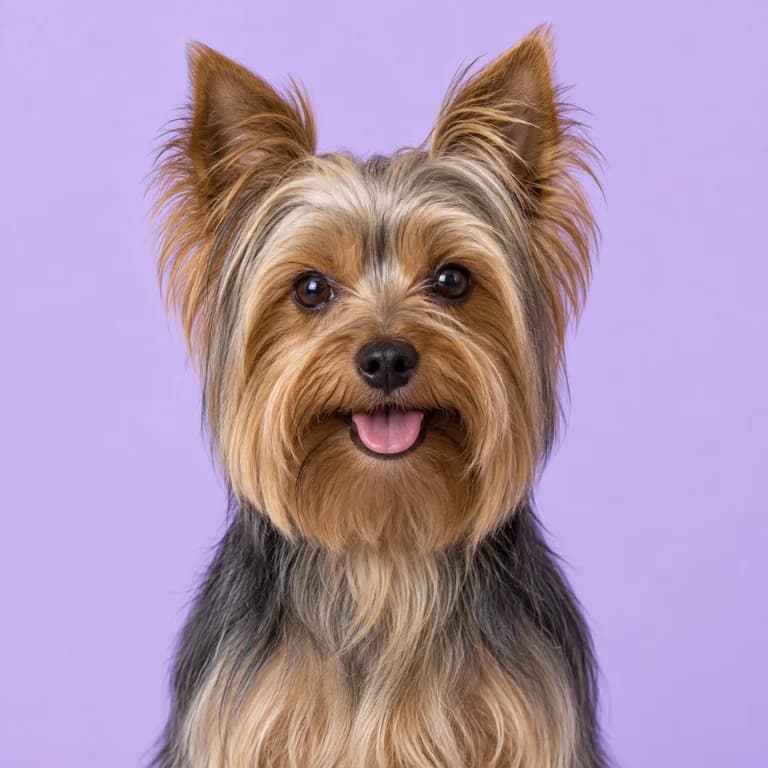
Toy group
Yorkshire Terrier
2 to 3 kg · 12 to 15 years
Three kilos of mill-town ratter wrapped in silk, with the self-belief of a dog ten times the size.
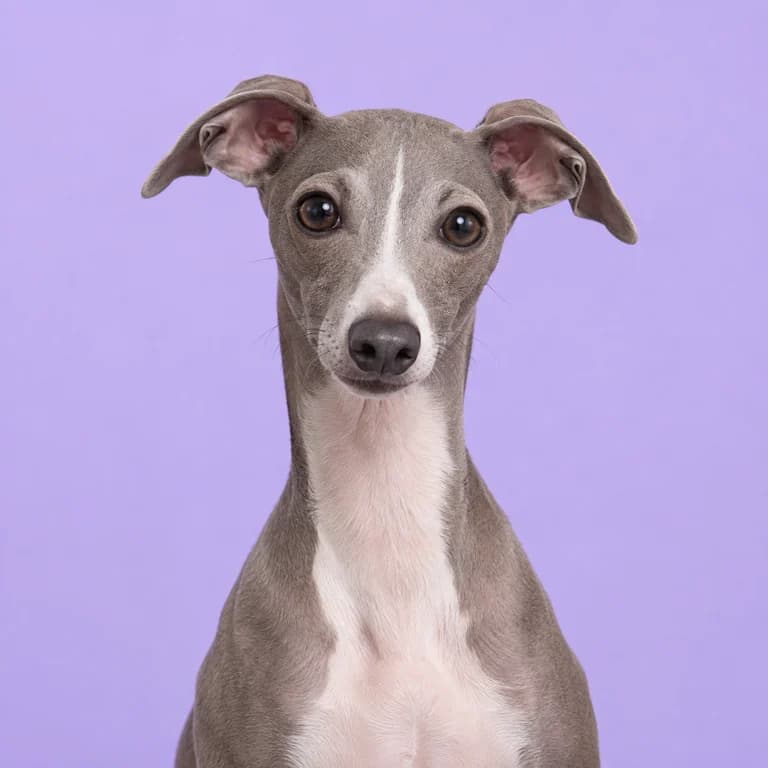
Toy group
Italian Greyhound
3 to 5 kg · 13 to 15 years
A true sighthound shrunk to lap size, fast as a flicker and delicate enough to need thoughtful handling.

Toy group
English Toy Spaniel
4 to 6 kg · 10 to 12 years
A compact, flat-faced royal lapdog that fits in your arms and carries centuries of court history.