Sources for this article
Toy group · Italy
Bolognese
Also called Bichon Bolognese, Bolo
A quiet, cloud-white Italian companion whose fluffy, open coat needs more care than its low shedding suggests.
Pure white, small and noticeably calmer than its cousin the Bichon Frise, the Bolognese has kept Italian households company since the Renaissance. It sheds very little, but its fluffy coat mats easily without regular combing, and it thrives only when it can stay close to its people.
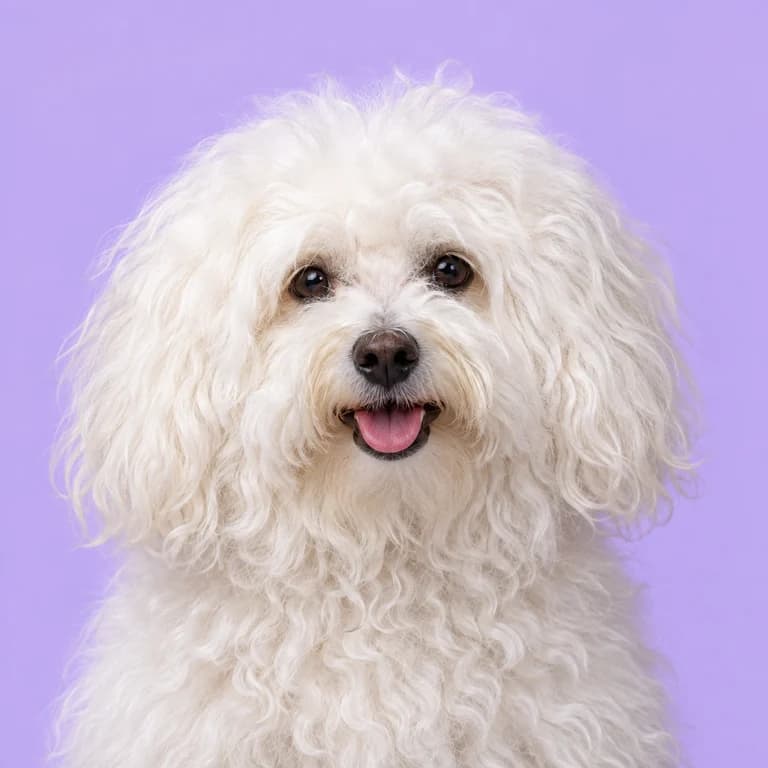
Original AI-generated breed illustration
Weight
2 to 4 kg
4 to 9 lb
Height
25 to 30 cm
at the shoulder
Life expectancy
12 to 14 yrs
Activity estimate
30 to 60 min
editorial daily planning range
Adult-size estimate
12 months
approximate model input
Life with a Bolognese
The Bolognese belongs to the bichon family of small white Mediterranean companions, alongside the Maltese, the Havanese and the Bichon Frise. Its home is Bologna and the surrounding region, and during the Renaissance these little dogs were luxury goods. Italian noble houses gave them to allies and royalty across Europe, and small white dogs of this type turn up in paintings of the period, perched on cushions beside their owners.
That court history left the breed with no working job, only a long tradition of keeping people company. The modern Bolognese is gentle, observant and somewhat reserved with people it does not know, often watching quietly from a lap before deciding that a visitor is acceptable. It is less bouncy than a Bichon Frise and tends to attach closely to one or two people.
Numbers fell sharply in the 20th century, and the breed was rebuilt by a small group of Italian and later other European breeders. It is still uncommon, so expect a waiting list. What you get for your patience is a small, calm, affectionate dog that fits a flat, travels well and asks mainly for company and a good comb.
What stands out
Grooming
Grooming is where Bolognese ownership takes genuine effort. The open, fluffy coat sheds very little, so loose hair stays trapped in the locks and turns into mats unless you comb right through to the skin. Plan on a thorough comb-out with a metal comb and a pin brush three or four times a week, working in small sections from the skin outward, and daily during the adolescent coat change.
Read the full grooming guideIllustrative grooming schedule based on our editorial coat-care score. Adjust it to the individual coat and professional advice.
Brushing
4 to 5 times a week
Bathing
Every 3 to 6 weeks
Shedding
Minimal
Nail trim
Every 3 to 4 weeks
A great match for
- apartment and city living
- retired people or those working from home
- calm households with gentle older children
- owners who want a low-shedding dog
Think twice if
- struggles when left alone for long periods
- coat mats quickly without regular combing
- tear staining on the white face
- can be shy with strangers
- fragile around boisterous children and large dogs
Personality and needs at a glance
Living together
Good with children
Good with other dogs
Open with strangers
Apartment friendly
Copes with alone time
Energy and character
Energy level
Playfulness
Easy to train
Barking
5 means very vocal
Care and climate
Grooming needs
Shedding
Drooling
Handles cold
Handles heat
How much a Bolognese eats
Illustrative calculations for neutered adults at midpoint breed weights, with food at 370 kcal per 100 g and 100 g per cup. These are not measured breed requirements. Use actual weight, the food label and veterinary body-condition advice.
| Dog | Weight | Calories | Dry food |
|---|---|---|---|
| Female, relaxed lifestyle | 3 kg | 220 kcal | 60 g (0.5 cups) |
| Female, typical pet | 3 kg | 260 kcal | 70 g (0.8 cups) |
| Male, typical pet | 4 kg | 290 kcal | 75 g (0.8 cups) |
| Male, very active | 4 kg | 360 kcal | 95 g (1 cups) |
Care guides for the Bolognese
Things owners are often surprised by
- 1Named after the city of Bologna in northern Italy
- 2Italian noble families, the Medici among them, sent these dogs as diplomatic gifts to courts across Europe
- 3Only one color is allowed: pure white, without markings
- 4The coat grows in soft, open locks rather than the dense, springy texture of the Bichon Frise
- 5Adults weigh just 2.5 to 4 kg (5.5 to 9 lb)
Bolognese questions
What is the difference between a Bolognese and a Bichon Frise?
They are close relatives, but the Bolognese coat forms loose, fluffy locks that stand away from the body, while the Bichon Frise has a dense, springy coat usually scissored into a rounded shape. The Bolognese is also slightly smaller, only ever pure white, and generally calmer and more reserved. Bichons tend to be more outgoing with strangers.
Is the Bolognese hypoallergenic?
The Bolognese sheds very little and has no undercoat, which is why some allergy sufferers tolerate it better than other breeds. It is not truly allergen-free, though, because allergens come from skin and saliva as well as hair. Spending a few hours with adult dogs before committing is the most reliable way to see how you react.
Can a Bolognese be left alone during the workday?
Most struggle with long absences. The breed was developed purely as a companion and bonds tightly with its people, and many bark, chew or become distressed when left for hours. If you work away from home, a dog walker, a daytime sitter or a calm second pet can help. Build tolerance gradually from puppyhood, starting with just a few minutes.
How do I stop tear stains on my Bolognese?
Wiping the eye area daily with a damp cloth, keeping hair short around the eyes, and drying the face after drinking all help. Stainless steel or ceramic bowls, washed often, stay cleaner than plastic ones. If tearing suddenly increases, the eyes look red, or your dog squints or rubs its face, see a vet, since heavy tearing can have a medical cause.
How rare is the Bolognese?
It is uncommon in most countries, with far fewer puppies born each year than popular toy breeds such as the Maltese. Reputable breeders often keep waiting lists of several months. Be cautious of anyone offering several puppies at short notice, because rare breeds attract careless breeding and imports of uncertain background.
Popular answers for owners
- Bowls and feeding gearHow do I keep a spaniel's ears out of the food bowl?
- How much to feedIs it normal for my dog's portion to look small compared to the amount on the bag?
- Grooming and coatWhy does my dog smell bad even after a bath?
- How much to feedHow much should I feed a 25kg dog?
- Grooming and coatWhat is a topknot and how do you tie one on a long coated dog?
- Grooming and coatMy dog hates being brushed, what do I do?
Breeds you might compare
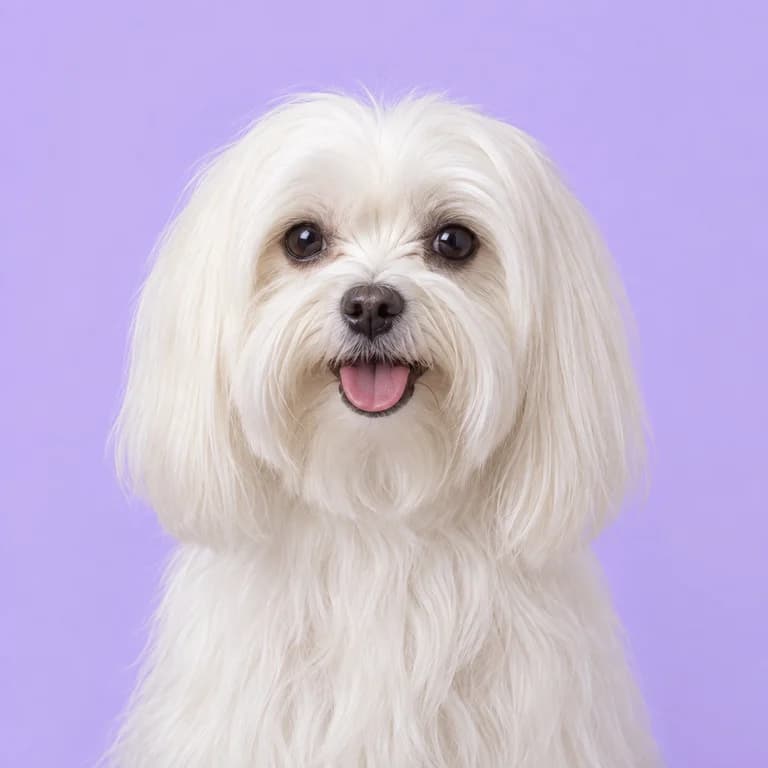
Toy group
Maltese
2 to 4 kg · 12 to 15 years
A tiny white companion with a bold, cheerful personality and a silky coat that asks for daily attention.
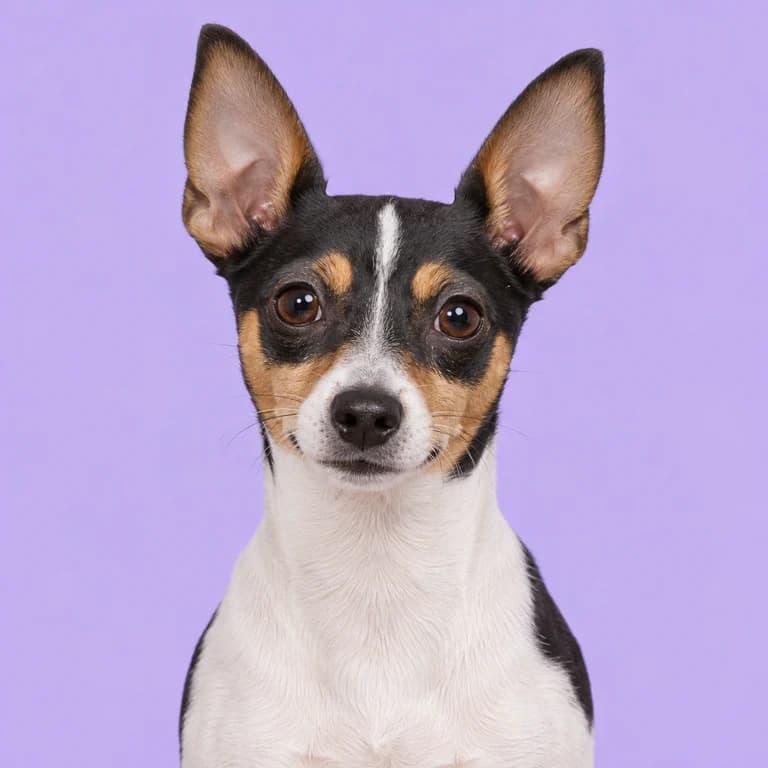
Toy group
Toy Fox Terrier
2 to 3 kg · 13 to 15 years
A full-sized terrier attitude squeezed into barely three kilos of muscle, speed and curiosity.
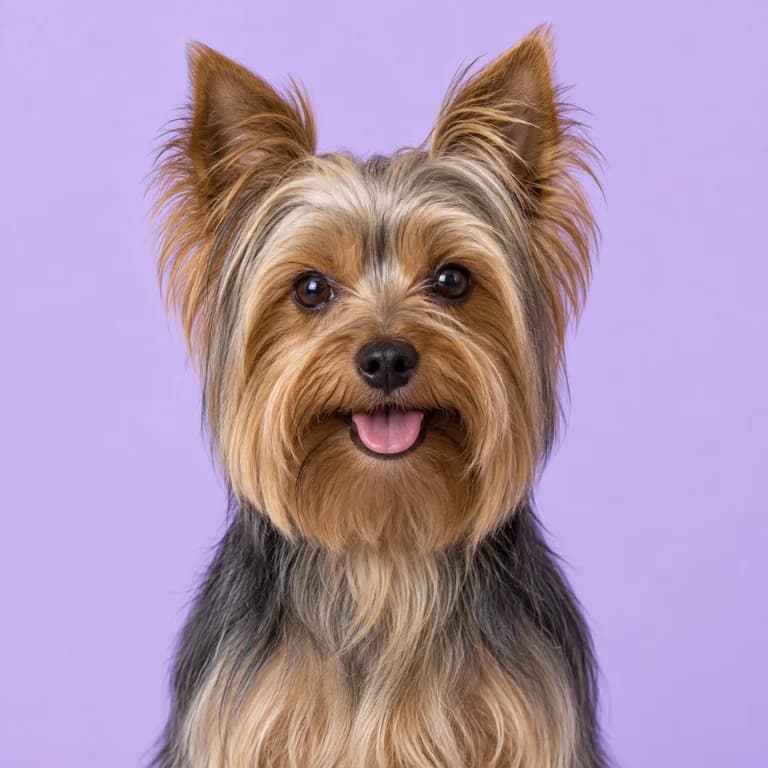
Toy group
Yorkshire Terrier
2 to 3 kg · 12 to 15 years
Three kilos of mill-town ratter wrapped in silk, with the self-belief of a dog ten times the size.
Toy group
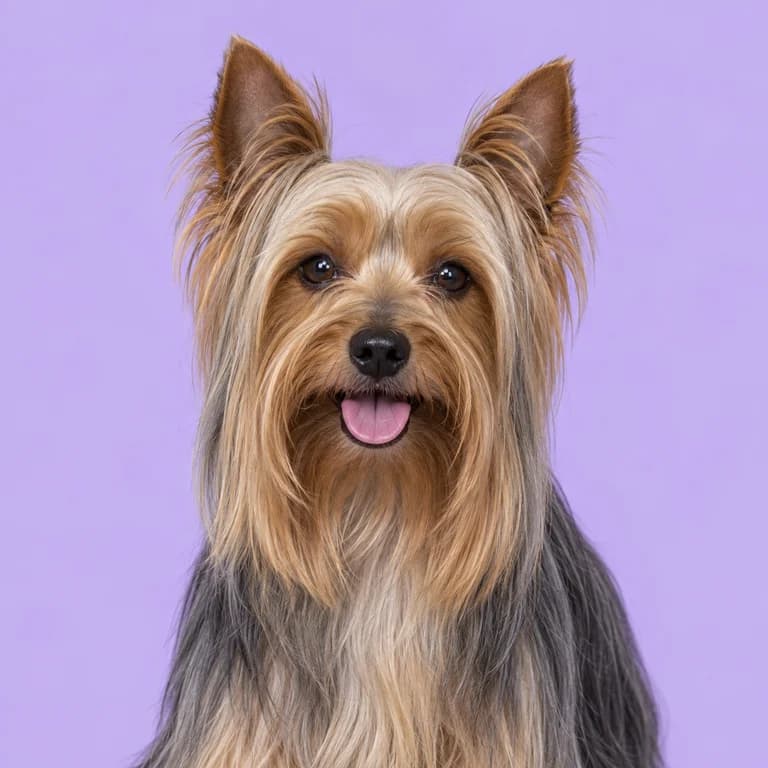
Silky Terrier
4 to 5 kg · 13 to 15 years
A true terrier in a toy-sized body, dressed in blue and tan silk and still keen to catch a rat.
Toy group
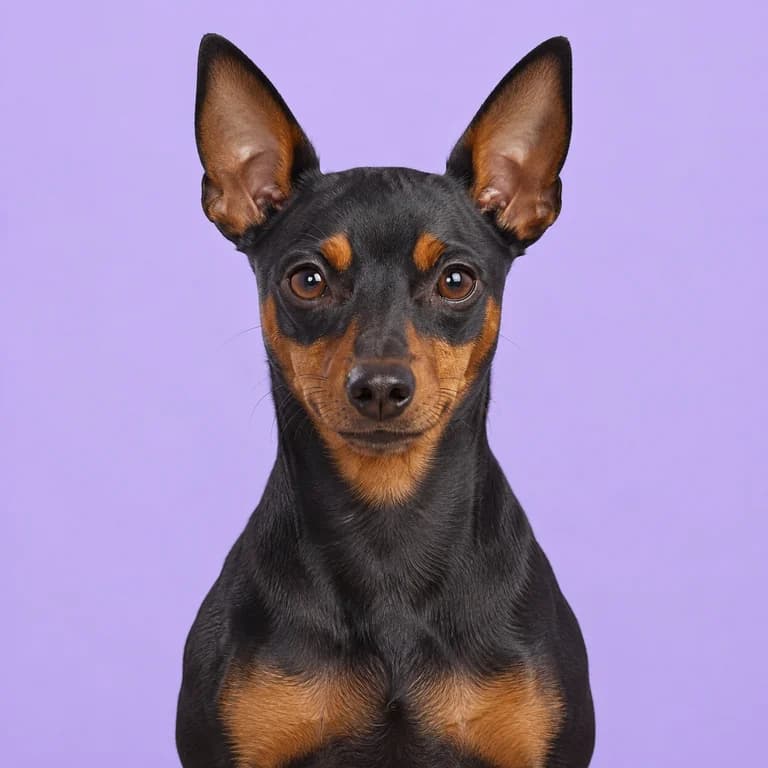
Miniature Pinscher
4 to 6 kg · 12 to 16 years
A pint-sized escape artist with a high-stepping trot and a mind that is always two moves ahead.
Toy group
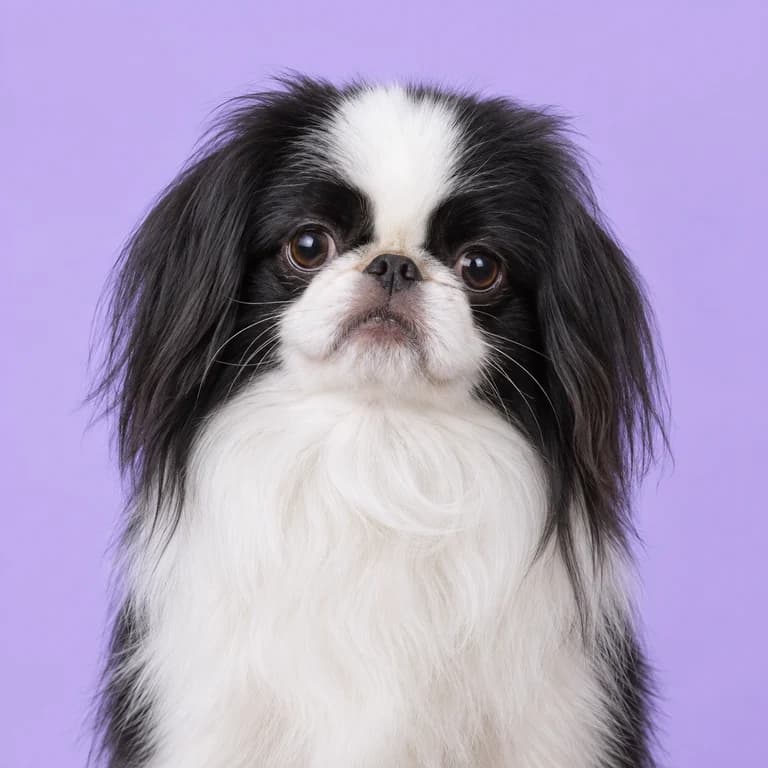
Japanese Chin
2 to 5 kg · 10 to 14 years
A quiet, cat-like lap dog that washes its face with its paws and watches from the highest cushion.