Sources for this article
Toy group · Central Mediterranean (Malta and Italy)
Maltese
Also called Bichon Maltais, Maltese Dog
A tiny white companion with a bold, cheerful personality and a silky coat that asks for daily attention.
The Maltese has been a lapdog for well over two thousand years and still does the job brilliantly. It weighs about 3 kg (under 7 lb), sheds very little and adapts easily to apartments, but its silky coat needs either daily brushing or a regular short trim. Expect a lively, affectionate dog that dislikes being left alone.

Original AI-generated breed illustration
Weight
2 to 4 kg
4 to 9 lb
Height
20 to 25 cm
at the shoulder
Life expectancy
12 to 15 yrs
Activity estimate
60 to 90 min
editorial daily planning range
Adult-size estimate
12 months
approximate model input
Life with a Maltese
Most breeds were shaped for a job such as herding, hunting or guarding. The Maltese was shaped for company, and it has been at that job for a very long time. Small white dogs linked to Malta and the busy trading ports of the Mediterranean were prized by wealthy Greeks and Romans, and later by European nobility. The modern breed is associated with both Malta and Italy, and the FCI lists Italy as its country of patronage.
What you get today is a dog of about 3 kg (under 7 lb) with a surprising amount of self-belief. Maltese are playful, curious and quick to make friends, and many keep a puppyish enthusiasm for games past their tenth birthday. They are also watchful little alarm systems that bark at footsteps in the corridor unless you teach them otherwise.
The coat defines life with this breed. It grows long and straight with no undercoat, and on show dogs it sweeps the floor. That single silky layer is why Maltese shed so little, but it also mats easily, collects leaves and crumbs and shows every stain. Many owners keep a short puppy cut instead, which turns daily care from 15 minutes of work into a quick once-over.
What stands out
Grooming
For a full coat, brush and comb every day, working in layers down to the skin with a pin brush and a fine metal comb, and bathe every one to two weeks with a conditioner to reduce tangles. Tie the topknot up so hair stays out of the eyes. A puppy clip trimmed every 6 to 8 weeks by a groomer drops the daily work to a few minutes, and it is what most pet owners choose.
Read the full grooming guideIllustrative grooming schedule based on our editorial coat-care score. Adjust it to the individual coat and professional advice.
Brushing
Daily
Bathing
Every 3 to 6 weeks
Shedding
Minimal
Nail trim
Every 3 to 4 weeks
A great match for
- apartment and city living
- people who are home most of the day
- owners happy to brush daily or book regular grooming
- adult households or calm older children
Think twice if
- mats form within days without brushing
- dental disease is very common
- can be slow to house-train
- fragile around toddlers and large dogs
- may bark at every sound in the hallway
Personality and needs at a glance
Living together
Good with children
Good with other dogs
Open with strangers
Apartment friendly
Copes with alone time
Energy and character
Energy level
Playfulness
Easy to train
Barking
5 means very vocal
Care and climate
Grooming needs
Shedding
Drooling
Handles cold
Handles heat
How much a Maltese eats
Illustrative calculations for neutered adults at midpoint breed weights, with food at 370 kcal per 100 g and 100 g per cup. These are not measured breed requirements. Use actual weight, the food label and veterinary body-condition advice.
| Dog | Weight | Calories | Dry food |
|---|---|---|---|
| Female, relaxed lifestyle | 3 kg | 220 kcal | 60 g (0.5 cups) |
| Female, typical pet | 3 kg | 260 kcal | 70 g (0.8 cups) |
| Male, typical pet | 4 kg | 290 kcal | 75 g (0.8 cups) |
| Male, very active | 4 kg | 360 kcal | 95 g (1 cups) |
Care guides for the Maltese
Things owners are often surprised by
- 1Small white dogs believed to be its ancestors appear on ancient Greek pottery
- 2Has no undercoat, so shedding is minimal, though no dog is truly allergen free
- 3Adults usually weigh 3 to 4 kg (6.5 to 9 lb)
- 4The coat is pure white, which makes tear and beard staining show quickly
- 5Often lives into its mid teens
Maltese questions
Are Maltese hypoallergenic?
No dog is fully hypoallergenic, because allergens come from skin, saliva and urine as well as hair. The Maltese sheds very little and has no undercoat, so some people with mild allergies react less to it than to heavy shedders. If allergies are a worry, spend a few hours with adult Maltese before committing, ideally in someone's home rather than at a busy show.
Why do Maltese get red stains under their eyes?
The reddish brown color comes from natural pigments in tears and saliva that stain white hair when it stays damp. Shallow eye sockets, hair touching the eyes and teething in puppies all make it worse. Daily wiping and drying, trimming the hair near the eyes and cleaning the face after meals reduce it. If staining appears suddenly with squinting or discharge, ask your vet to examine the eyes.
Can a Maltese be left alone during the working day?
Not comfortably for eight or nine hours. The breed was developed purely as a companion, and many Maltese become anxious, noisy or destructive when regularly left for long stretches. Around four hours is a more realistic limit for most adults. If you work full-time away from home, a midday dog walker, a small-dog daycare or a trusted neighbor makes a big difference.
What is the difference between a Maltese and a Bichon Frise?
Both are small white Mediterranean companions, but their coats differ. The Maltese has a long, straight, silky single coat that lies flat, while the Bichon has a dense, curly double coat that stands away from the body. The Bichon is sturdier, typically 5 to 8 kg, while the Maltese is lighter and more delicate. Both need regular grooming and both are prone to tear staining.
Is a Maltese good with children?
With calm, gentle children over about seven, often yes. With toddlers the danger usually runs the other way: a 3 kg dog is easily dropped, stepped on or squeezed, and a frightened Maltese may snap. If you have young children, supervise every interaction and teach them to sit on the floor for cuddles rather than carrying the dog around.
Popular answers for owners
- Grooming and coatWhat foods or habits make a dog's coat shinier?
- Bowls and feeding gearShould I move my dog's bowl to a new spot after a move?
- Exercise and playCan jumping off furniture hurt a puppy's growth plates?
- Bowls and feeding gearAre narrow bowls good for basset hounds?
- Exercise and playHow do I exercise two dogs with very different energy levels together?
- How much to feedHow precise do I need to be when measuring my dog's food?
Breeds you might compare
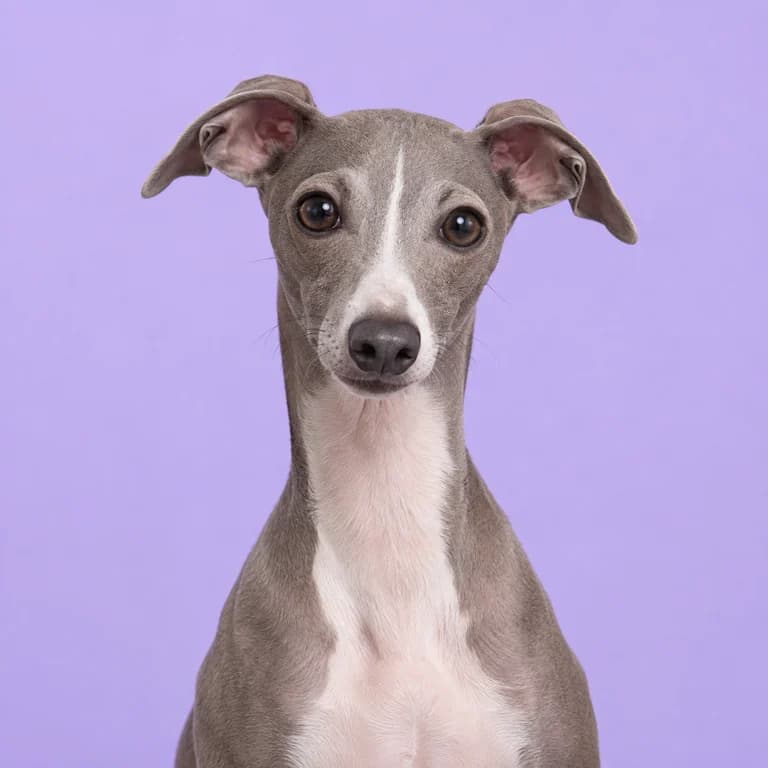
Toy group
Italian Greyhound
3 to 5 kg · 13 to 15 years
A true sighthound shrunk to lap size, fast as a flicker and delicate enough to need thoughtful handling.

Toy group
Chihuahua
2 to 3 kg · 14 to 17 years
The smallest recognized breed in the world, carrying the confidence and opinions of a much larger dog.

Toy group
Pomeranian
2 to 3 kg · 12 to 16 years
A spitz shrunk to under 3 kg that still carries itself like the biggest animal in the room.
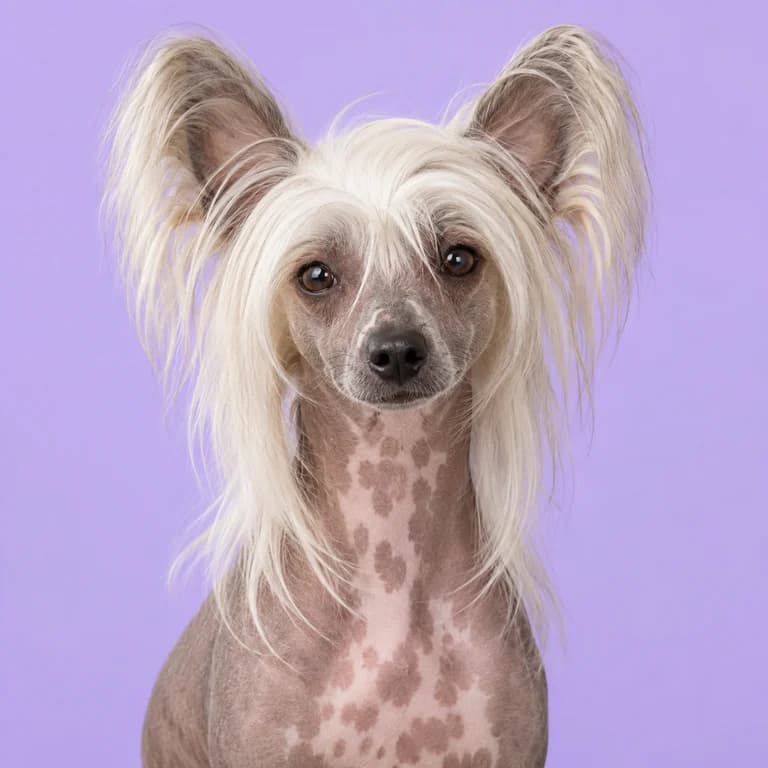
Toy group
Chinese Crested
3 to 5 kg · 13 to 16 years
A toy breed that arrives in two coats from the same litter, with skin needing as much care as hair.

Toy group
Havanese
3 to 6 kg · 14 to 16 years
Cuba's national dog, a cheerful little shadow that treats every room you enter as the place to be.

Toy group
Papillon
2 to 5 kg · 13 to 16 years
A butterfly-eared toy spaniel that learns faster than most big dogs and loves showing off what it knows.