Sources for this article
Hound group · Afghanistan
Afghan Hound
Also called Afghan, Tazi, Baluchi Hound
An elegant sighthound in a floor-length coat that asks for hours of care every single week.
The Afghan Hound is an ancient sighthound from the mountains and plains of Afghanistan, bred to chase fast game over rough ground. Today it is admired for its flowing coat, aloof dignity and sudden clownish moments, but living with one means committing to serious grooming and managing a strong chase instinct.
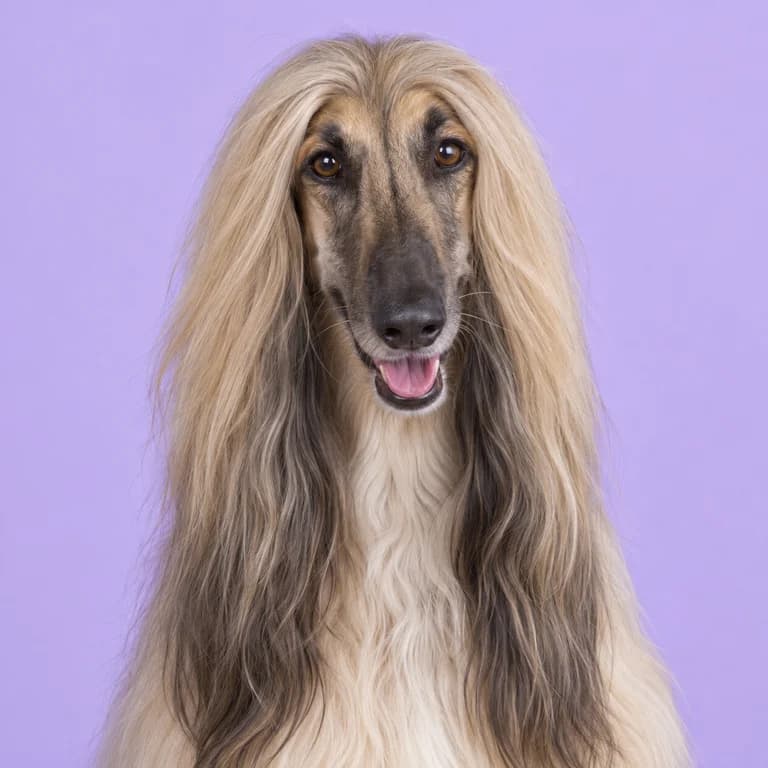
Original AI-generated breed illustration
Weight
20 to 30 kg
44 to 66 lb
Height
61 to 74 cm
at the shoulder
Life expectancy
12 to 14 yrs
Activity estimate
90 to 120 min
editorial daily planning range
Adult-size estimate
18 months
approximate model input
Life with a Afghan Hound
Before any grooming table or show ring, Afghan Hounds were hunting dogs in the hills and valleys of Afghanistan, chasing hare, gazelle and deer over rocky ground and working at a distance from their owners. The long coat protected them from cold mountain nights, and big, well-padded feet coped with stony slopes. Dogs of this type reached Britain in the early 1900s with returning officers, and two distinct strains, a leggier desert type and a heavier mountain type, were blended in the 1920s to form the modern breed.
Grooming is the defining fact of ownership, and it shapes everything else. A mature Afghan's coat hangs to the floor, picks up leaves and mud, and knots quickly if neglected. Most owners set aside time several days a week and learn to bathe and blow-dry a large dog themselves, while others keep a shorter pet trim. If you would find that tedious rather than calming, this is not the breed for you.
In temperament the Afghan is dignified, independent and reserved with strangers, sometimes described as catlike. With its own people it can be affectionate and surprisingly silly, racing round the garden in wide loops before collapsing on the sofa. It is not a dog that lives to please, and it notices mood and tone more than many realize, responding poorly to shouting.
What stands out
Grooming
Brush the coat thoroughly at least twice a week, working in layers from the skin outward with a pin brush and a wide-toothed comb. Never brush a dry coat without a light conditioning spray, which helps prevent breakage. Pay close attention to the areas behind the ears, under the legs and the feet, where mats form first.
Read the full grooming guideIllustrative grooming schedule based on our editorial coat-care score. Adjust it to the individual coat and professional advice.
Brushing
Daily
Bathing
Every 3 to 6 weeks
Shedding
Light
Nail trim
Every 3 to 4 weeks
A great match for
- owners who enjoy grooming as a hobby
- people wanting a calm, independent companion indoors
- homes with secure, high fencing
- lure coursing and show enthusiasts
Think twice if
- many hours of grooming each month
- strong chase drive and unreliable recall
- aloof with strangers
- sensitive to rough handling
Personality and needs at a glance
Living together
Good with children
Good with other dogs
Open with strangers
Apartment friendly
Copes with alone time
Energy and character
Energy level
Playfulness
Easy to train
Barking
5 means very vocal
Care and climate
Grooming needs
Shedding
Drooling
Handles cold
Handles heat
How much an Afghan Hound eats
Illustrative calculations for neutered adults at midpoint breed weights, with food at 370 kcal per 100 g and 100 g per cup. These are not measured breed requirements. Use actual weight, the food label and veterinary body-condition advice.
| Dog | Weight | Calories | Dry food |
|---|---|---|---|
| Female, relaxed lifestyle | 23 kg | 1010 kcal | 275 g (2.8 cups) |
| Female, typical pet | 23 kg | 1160 kcal | 315 g (3.3 cups) |
| Male, typical pet | 28 kg | 1340 kcal | 365 g (3.8 cups) |
| Male, very active | 28 kg | 1680 kcal | 455 g (4.5 cups) |
Care guides for the Afghan Hound
Things owners are often surprised by
- 1Captain John Barff brought a dog named Zardin to England in 1907, and Zardin became the model for early descriptions of the breed.
- 2The curl or ring at the tip of the tail is a hallmark of the breed.
- 3Pablo Picasso owned an Afghan Hound called Kabul.
- 4A full show coat can take two to four hours a week to maintain.
- 5Puppies are born with short, fuzzy coats and a strip of long facial hair that breeders nickname monkey whiskers.
Afghan Hound questions
Are Afghan Hounds really hard to train?
They are often ranked near the bottom for obedience, but that reflects independence rather than lack of intelligence. Afghans were bred to hunt at a distance and decide for themselves, so they question requests that seem pointless. With short sessions, strong rewards and patience they learn manners well. Just do not expect instant, repeated obedience like a working retriever.
How long does it take to groom an Afghan Hound?
For a full coat, plan on two to four hours a week, including brushing and a bath with blow-drying. Some owners split this into shorter daily sessions. A professional groomer can help, but costs add up quickly for a large, long-coated dog. A shorter pet trim reduces time significantly while still keeping the breed's look.
Why do Afghan Hounds wear snoods?
A snood is a soft fabric tube that goes over the head and holds the long ear feathering back. Owners use it during meals to keep the ears out of food and water, and sometimes on walks in wet weather. It helps prevent sticky, matted ears and saves on washing. Most dogs accept one easily if introduced gently with treats.
Can Afghan Hounds live with cats?
Some can, especially when raised with a cat from puppyhood and introduced carefully. The chase instinct is strong, though, and a running cat can trigger it. Outdoor cats and small pets remain at risk even if the household cat is safe. Supervise closely at first, give the cat escape routes, and never assume tolerance indoors extends outside.
Do Afghan Hounds shed?
They shed lightly compared with many breeds, because most loose hair is caught in the long coat and removed during brushing. The biggest shed happens during the change from puppy to adult coat. Regular grooming keeps hair off furniture, but the time needed to maintain the coat is much greater than with a short-haired dog.
Popular answers for owners
- Exercise and playCan too much play with other dogs overstimulate a puppy?
- How much to feedHow do I calculate my dog's daily calorie needs?
- How much to feedIs it better to measure dog food in grams or cups?
- How much to feedHow do I help my dog lose weight safely?
- Puppy feeding and growthWhy do large breed puppies need special puppy food?
- Puppy feeding and growthHow long does it take to switch a puppy to a new food?
Breeds you might compare
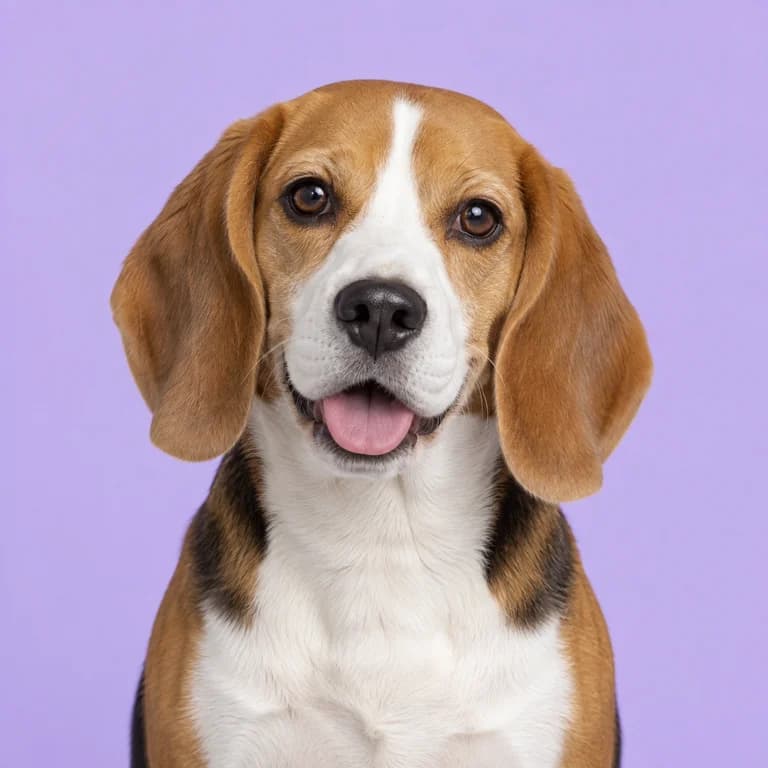
Hound group
Beagle
9 to 13 kg · 12 to 15 years
A merry pack hound whose nose makes most of its decisions, including the ones you would rather it didn't.
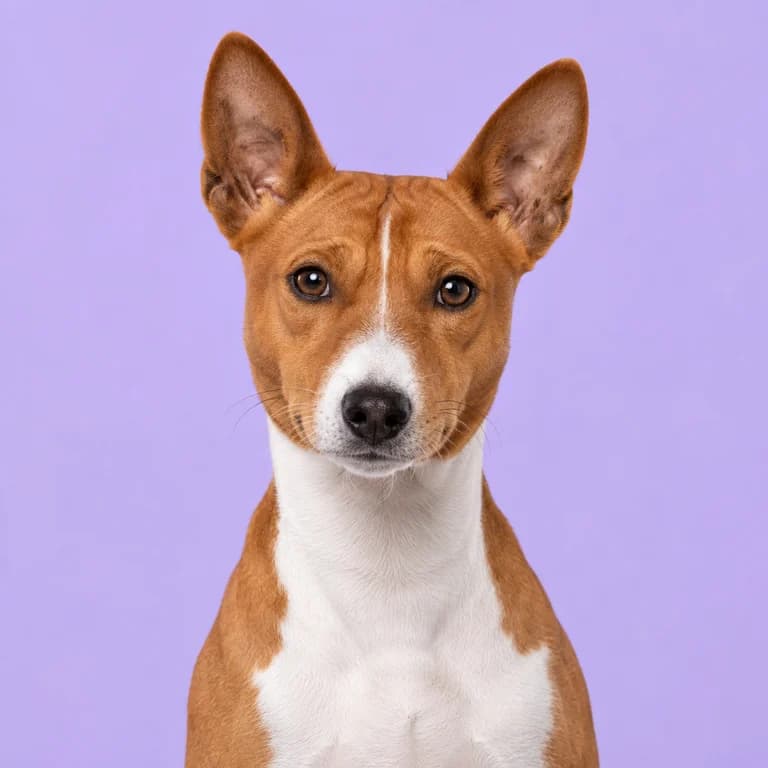
Hound group
Basenji
9 to 12 kg · 12 to 16 years
A Congo hunting dog of ancient lineage that yodels rather than barks and keeps itself clean like a cat.
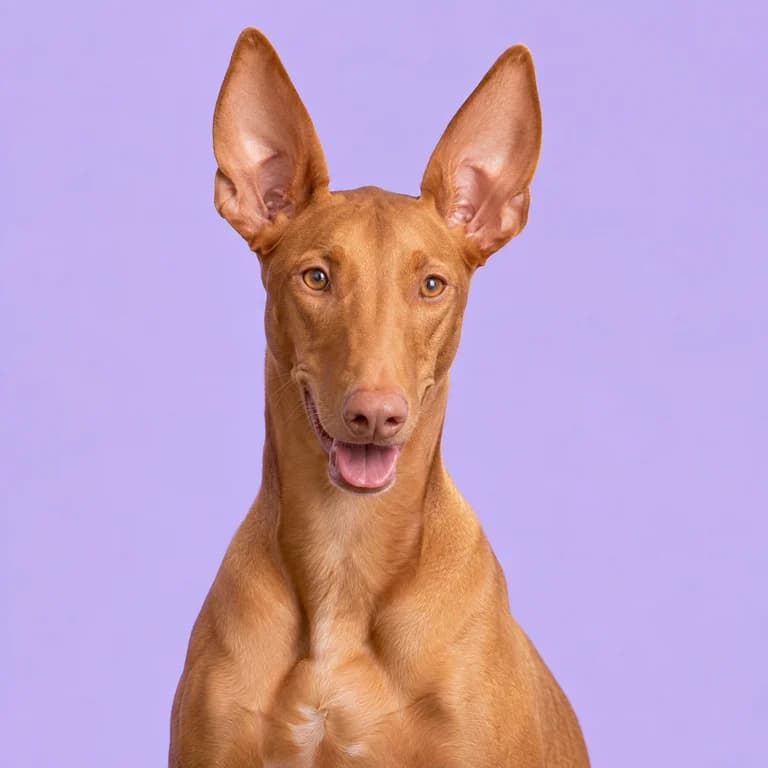
Hound group
Pharaoh Hound
18 to 25 kg · 12 to 14 years
Malta's national dog, a night-hunting rabbit hound whose ears and nose flush pink when it is happy.
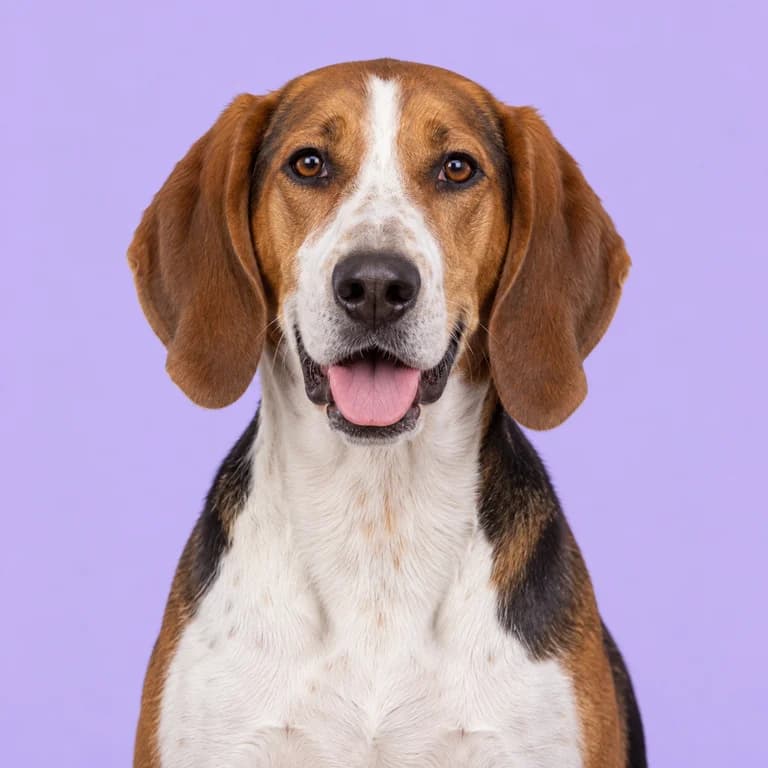
Hound group
American Foxhound
27 to 34 kg · 11 to 13 years
America's own pack hound, bred for all-day stamina and a voice that carries across whole valleys.
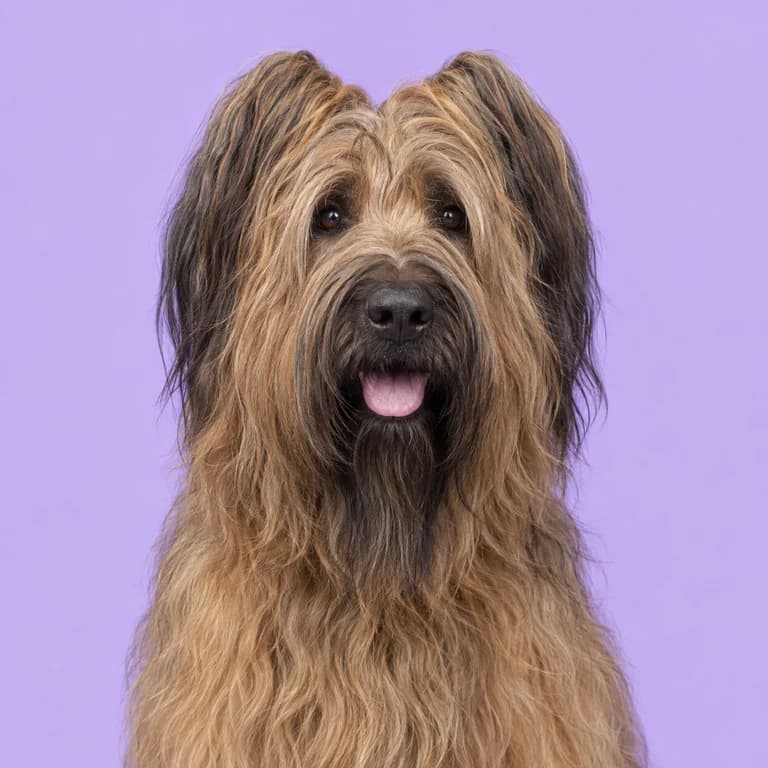
Herding group
Briard
25 to 45 kg · 10 to 12 years
A shaggy French sheepdog that guarded the flock by night and now guards its family instead.
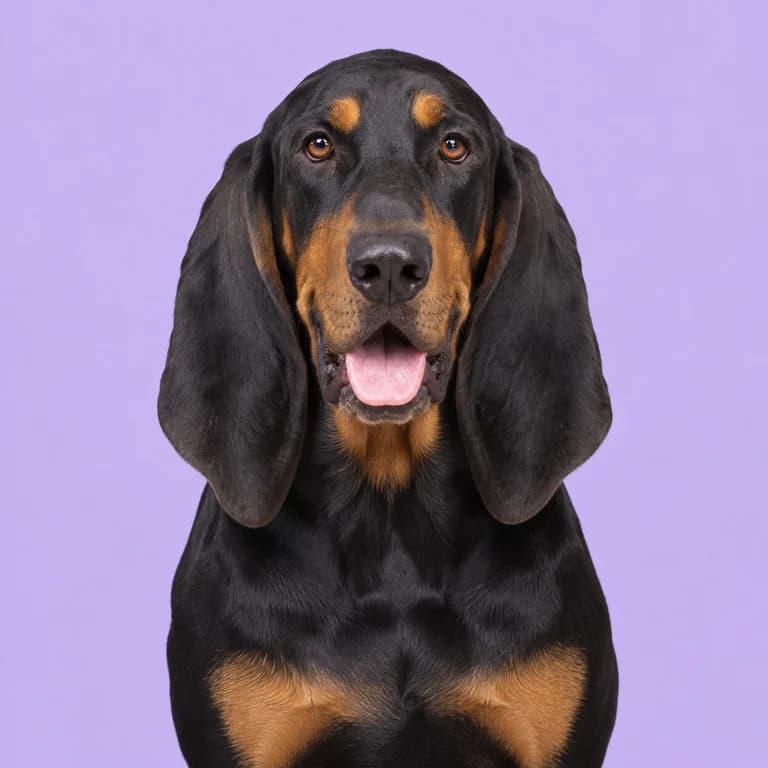
Hound group
Black and Tan Coonhound
25 to 45 kg · 10 to 12 years
Mellow and sociable on the sofa, but outdoors a single raccoon scent turns it into a baying tracker.