Sources for this article
Hound group · Central Africa (Congo Basin)
Basenji
Also called African Barkless Dog, Congo Dog, Congo Terrier
A Congo hunting dog of ancient lineage that yodels rather than barks and keeps itself clean like a cat.
The Basenji is a compact, athletic hunting dog from the forests of Central Africa, best known for rarely producing a normal bark. It is curious, clean, quick and fiercely independent, with a strong urge to chase. It suits owners who enjoy a clever, opinionated dog and can offer secure space and creative training.
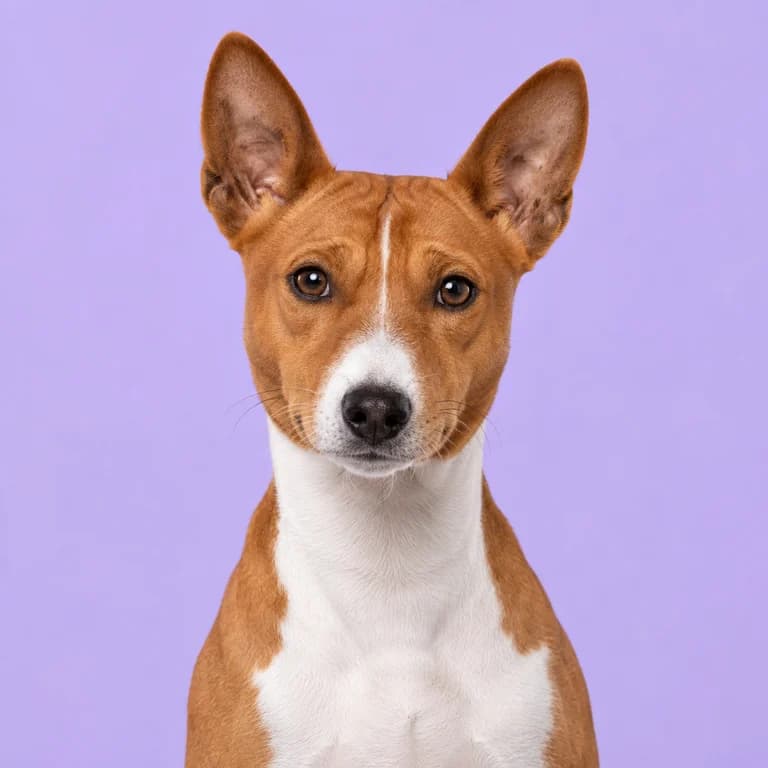
Original AI-generated breed illustration
Weight
9 to 12 kg
20 to 26 lb
Height
38 to 43 cm
at the shoulder
Life expectancy
12 to 16 yrs
Activity estimate
90 to 120 min
editorial daily planning range
Adult-size estimate
12 months
approximate model input
Life with a Basenji
Long before any kennel club recorded it, the Basenji was working alongside hunters in the rainforests of the Congo Basin. Hunting parties used these light, quiet dogs to locate small antelope and other game and push it toward stretched nets. Because the dogs rarely barked, some hunters hung bells around their necks so they could be followed through thick undergrowth.
European attempts to bring Basenjis home in the late 1800s and early 1900s mostly failed because the dogs succumbed to disease. A small group imported to England in the 1930s finally took hold, and dogs were shown at Crufts in 1937 to great curiosity. Later DNA research confirmed that the Basenji belongs to a lineage that branched off early from most modern breeds, which fits its unusual traits such as the single yearly breeding season.
Living with a Basenji often feels closer to sharing a home with a clever cat than a typical dog. It washes itself, avoids puddles, climbs onto high perches and watches the world with a wrinkled, thoughtful forehead. It is affectionate with its own people but often cool toward strangers. Without enough activity and company it turns its intelligence to escaping, chewing and raiding.
A great match for
- experienced owners who enjoy an independent thinker
- people who want a clean, low-odor, light-shedding dog
- homes with tall, climb-proof fencing
- owners interested in lure coursing or sighthound sports
Think twice if
- high prey drive and unreliable recall
- climbing and escaping fences
- destructive chewing when bored or left alone
- hates cold and rain
- reserved or aloof with strangers
Personality and needs at a glance
Living together
Good with children
Good with other dogs
Open with strangers
Apartment friendly
Copes with alone time
Energy and character
Energy level
Playfulness
Easy to train
Barking
5 means very vocal
Care and climate
Grooming needs
Shedding
Drooling
Handles cold
Handles heat
How much a Basenji eats
Illustrative calculations for neutered adults at midpoint breed weights, with food at 370 kcal per 100 g and 100 g per cup. These are not measured breed requirements. Use actual weight, the food label and veterinary body-condition advice.
| Dog | Weight | Calories | Dry food |
|---|---|---|---|
| Female, relaxed lifestyle | 10 kg | 550 kcal | 150 g (1.5 cups) |
| Female, typical pet | 10 kg | 630 kcal | 170 g (1.8 cups) |
| Male, typical pet | 11 kg | 680 kcal | 185 g (1.8 cups) |
| Male, very active | 11 kg | 850 kcal | 230 g (2.3 cups) |
Care guides for the Basenji
Things owners are often surprised by
- 1Instead of barking, Basenjis make a yodeling sound usually called a baroo, plus howls, chortles and a startling scream.
- 2Females typically come into season only once a year, often in autumn, much like wild canids.
- 3Dogs with the Basenji's pricked ears and tightly curled tail are often said to appear in ancient Egyptian art.
- 4Hunters in the Congo Basin used them to drive small game into nets, sometimes hanging wooden or gourd bells on them to follow them through dense forest.
- 5Genetic studies place the Basenji among the breeds most distant from modern European breeds.
Basenji questions
Can Basenjis really not bark?
Basenjis rarely produce a typical repeated bark, and the shape of their larynx is thought to be part of the reason. They are far from silent, though. They yodel, howl, grumble, chortle and occasionally let out a piercing scream when excited or upset. Some will give a single sharp bark-like sound when startled. If you want a truly quiet dog, a Basenji may still surprise you.
Are Basenjis good for people with allergies?
No dog is completely allergen free, because allergens come from saliva and skin as well as hair. That said, Basenjis shed lightly, have a very short coat and produce little odor, and some people with mild allergies manage well with them. Spend several hours with adult Basenjis before committing, ideally in a home setting, to see how you react.
Why is my Basenji so hard to train?
Basenjis were selected to hunt on their own initiative, working ahead of hunters rather than taking instructions. Repeating a cue the dog sees no point in quickly bores it. Keep sessions very short, use food it truly values, mix in games and stop while it is still interested. Clicker training suits many Basenjis because it rewards choices the dog makes itself.
Do Basenjis get along with cats?
Some live happily with cats, especially when raised with them from puppyhood. Their prey drive is strong, though, so introductions must be slow, supervised and reversible, with high perches and escape routes for the cat. Even a Basenji that ignores its own cat may chase unfamiliar cats, rabbits or squirrels outdoors, so keep it leashed or fenced.
Why does my female Basenji come into season only once a year?
Most domestic dogs cycle roughly twice a year, but Basenjis usually keep a single annual cycle, typically in late summer or autumn. The trait is shared with wolves and some other wild canids and is often cited as one sign of the breed's ancient roots. Males may become restless or vocal during that season when females nearby are in heat.
Popular answers for owners
- Exercise and playHow do I exercise a deaf dog safely?
- Exercise and playHow much exercise does a low energy breed need?
- Puppy feeding and growthHow much should a German Shepherd puppy eat at 4 months?
- Grooming and coatHow do I introduce my dog to a grooming table at home?
- Bowls and feeding gearShould the bowl be level with my dog's chest?
- How much to feedHow much should I feed a dog recovering from surgery who needs to rest?
Breeds you might compare
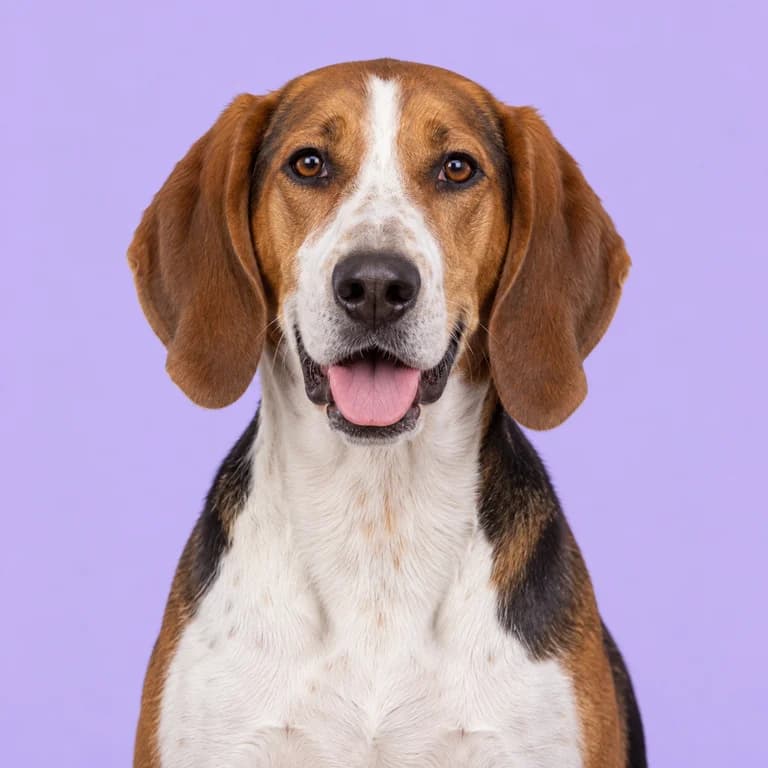
Hound group
American Foxhound
27 to 34 kg · 11 to 13 years
America's own pack hound, bred for all-day stamina and a voice that carries across whole valleys.
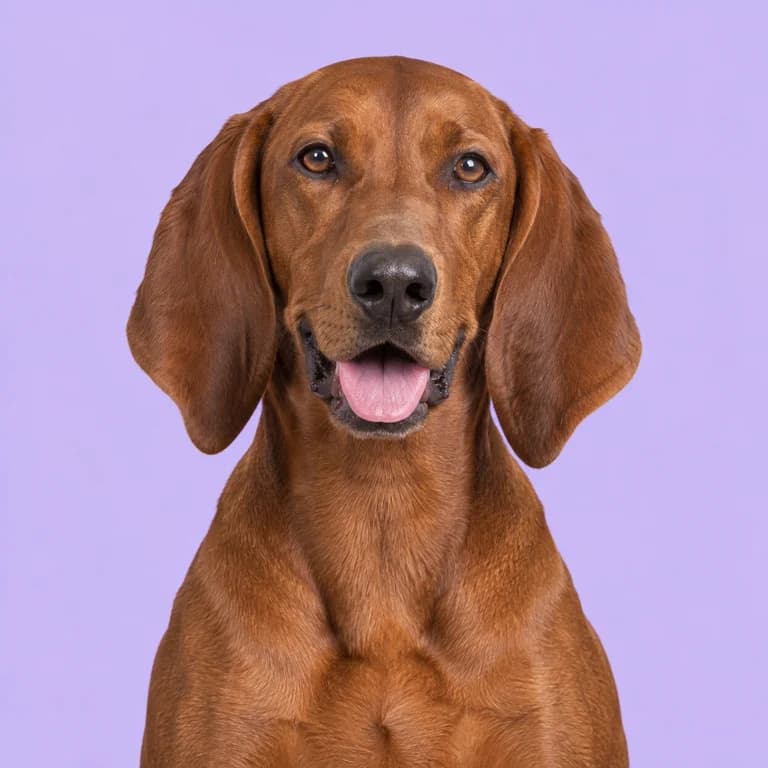
Hound group
Redbone Coonhound
20 to 32 kg · 12 to 15 years
An easygoing sofa companion indoors and a tireless, musical tracker the moment its nose finds a trail outside.
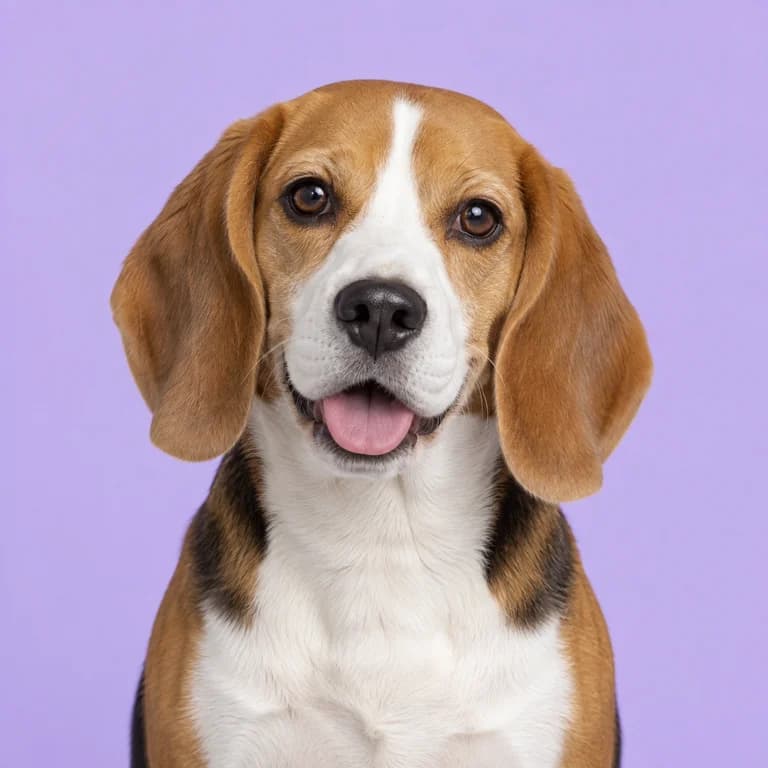
Hound group
Beagle
9 to 13 kg · 12 to 15 years
A merry pack hound whose nose makes most of its decisions, including the ones you would rather it didn't.
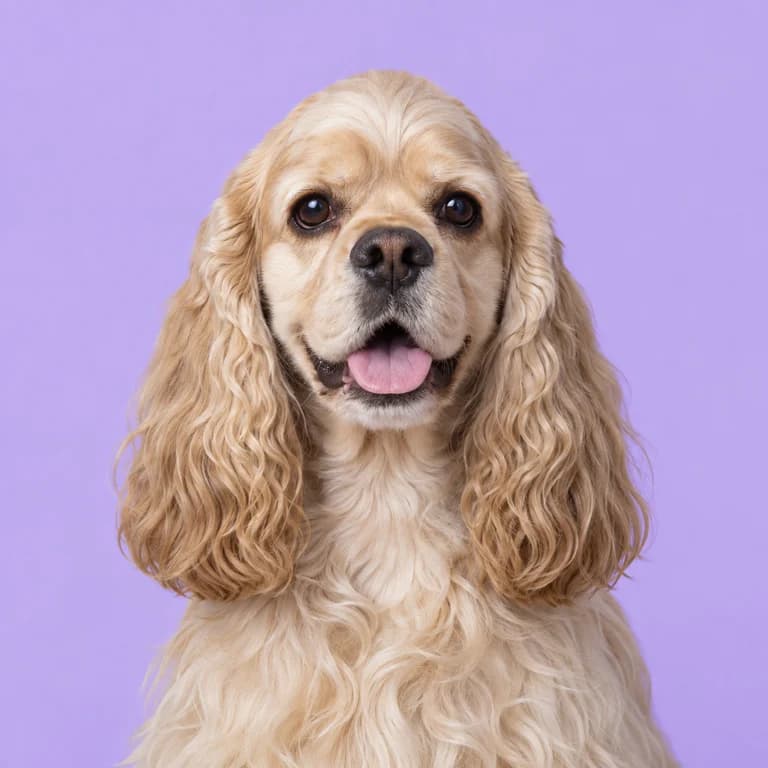
Sporting group
American Cocker Spaniel
9 to 14 kg · 12 to 14 years
The smallest American sporting spaniel, famous for a flowing coat that demands nearly as much attention as the dog.
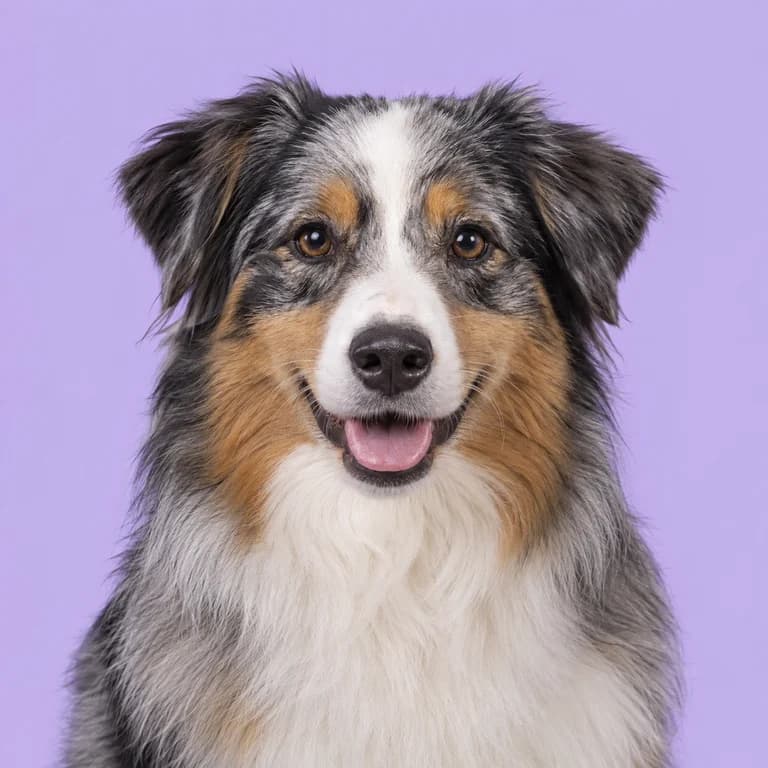
Herding group
Miniature American Shepherd
9 to 18 kg · 12 to 15 years
A true herding dog scaled down to fit a smaller home, with none of the drive removed.
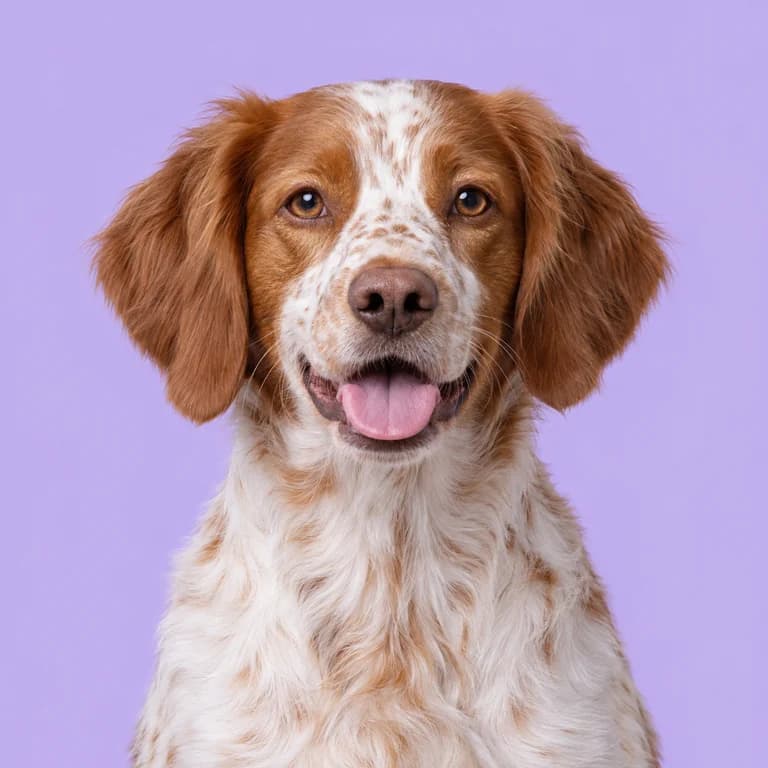
Sporting group
Brittany
13 to 18 kg · 12 to 14 years
A compact French bird dog built to cover open ground at speed, then freeze on point.