Sources for this article
Hound group · Malta
Pharaoh Hound
Also called Kelb tal-Fenek, Maltese Rabbit Dog
Malta's national dog, a night-hunting rabbit hound whose ears and nose flush pink when it is happy.
For generations, Maltese hunters have taken this sleek, amber-eyed hound out over stone walls and rocky terraces after rabbits. Its glowing tan coat and tall ears give it a statue-like look, yet its personality is playful, gentle and a little clownish. The chase instinct is powerful, and good fences matter more than almost anything else in its care.
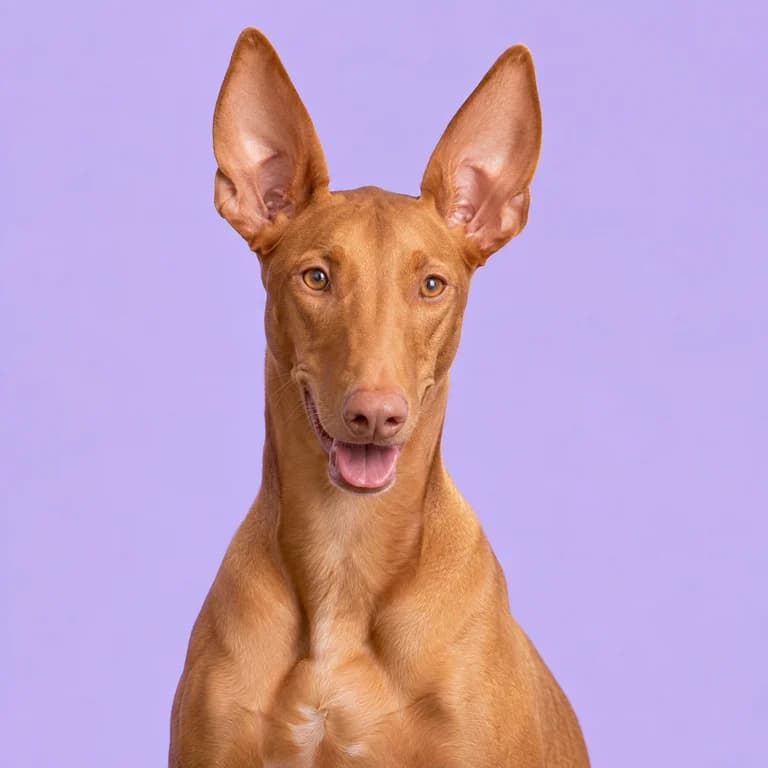
Original AI-generated breed illustration
Weight
18 to 25 kg
40 to 55 lb
Height
53 to 64 cm
at the shoulder
Life expectancy
12 to 14 yrs
Activity estimate
90 to 120 min
editorial daily planning range
Adult-size estimate
18 months
approximate model input
Life with a Pharaoh Hound
The Pharaoh Hound looks as though it stepped out of an Egyptian tomb painting, and for much of the twentieth century it was promoted that way. The story goes that Phoenician traders carried hounds from Egypt to Malta thousands of years ago. It is an appealing legend, but genetic studies in the 2000s grouped the breed with more recently developed dogs rather than ancient ones, so it is more likely a Mediterranean hunting type that was later matched to that picture.
Its documented history on Malta is plainer and more interesting. For generations the Kelb tal-Fenek hunted rabbits across dry stone walls and rough terraces, often at night, alongside a ferret wearing a small bell. The dogs located rabbits by scent and sound, and the ferret was sent in to flush them from the rocks. The breed reached Britain in the 1960s, the American Kennel Club recognized it in 1983, and Malta now treats it as its national dog.
As a companion, the Pharaoh Hound is affectionate, playful and something of a comedian, with a habit of grinning at its people when they come home. It is clean and fairly quiet indoors, generally friendly with other dogs and polite with strangers. The hunting instinct, however, makes it unreliable around small animals and unsafe off the lead in unfenced places.
A great match for
- active owners with securely fenced gardens
- households wanting a clean, low-maintenance coat
- people who enjoy lure coursing or running
- families with considerate children
Think twice if
- very strong prey drive toward small animals
- can clear surprisingly high fences
- feels the cold in northern winters
- independent and bored by repetitive training
- some are vocal, including howling
Personality and needs at a glance
Living together
Good with children
Good with other dogs
Open with strangers
Apartment friendly
Copes with alone time
Energy and character
Energy level
Playfulness
Easy to train
Barking
5 means very vocal
Care and climate
Grooming needs
Shedding
Drooling
Handles cold
Handles heat
How much a Pharaoh Hound eats
Illustrative calculations for neutered adults at midpoint breed weights, with food at 370 kcal per 100 g and 100 g per cup. These are not measured breed requirements. Use actual weight, the food label and veterinary body-condition advice.
| Dog | Weight | Calories | Dry food |
|---|---|---|---|
| Female, relaxed lifestyle | 21 kg | 940 kcal | 255 g (2.5 cups) |
| Female, typical pet | 21 kg | 1080 kcal | 290 g (3 cups) |
| Male, typical pet | 23 kg | 1160 kcal | 315 g (3.3 cups) |
| Male, very active | 23 kg | 1450 kcal | 390 g (4 cups) |
Care guides for the Pharaoh Hound
Things owners are often surprised by
- 1Known in Malta as Kelb tal-Fenek, meaning rabbit dog
- 2The nose and ears turn a deeper rose color when the dog is excited, which owners call blushing
- 3Recognized as the national dog of Malta
- 4Often credited with ancient Egyptian roots, though DNA studies suggest the modern breed developed more recently
- 5A white tip on the tail is highly prized by breeders
- 6Traditionally hunted at night, working by scent, hearing and sight
Pharaoh Hound questions
Why do Pharaoh Hounds blush?
When a Pharaoh Hound gets excited or happy, more blood flows to the nose and ears, and because the skin there is thin and lightly pigmented, those areas turn a deeper rose-pink. It is completely normal and one of the breed's best-known features. Owners tend to see it when they come home, at dinner time and during play.
Is the Pharaoh Hound really from ancient Egypt?
Probably not in the way the name suggests. The breed resembles dogs in Egyptian art, and the story of Phoenician traders bringing it to Malta is widely repeated, but DNA research suggests the modern Pharaoh Hound developed more recently from Mediterranean hunting dogs. What is certain is its long history as a rabbit hunter on Malta, where it is still the national breed.
Can a Pharaoh Hound live with cats?
Some can, especially when raised together from puppyhood. Even then, an indoor truce does not always extend to the garden or to unfamiliar cats. Adult hounds with no cat experience may never be safe with them. Judge each dog individually, supervise early introductions closely, and never leave a Pharaoh Hound alone with rabbits, guinea pigs or other small pets.
What is the difference between a Pharaoh Hound and an Ibizan Hound?
Both are Mediterranean hounds with large upright ears, but the Ibizan Hound comes from the Balearic Islands, is often taller, can have a smooth or wire coat, and is usually red and white. The Pharaoh Hound is tan to chestnut, always smooth-coated and a little more compact. Temperaments are alike: playful, independent and keen to hunt.
Do Pharaoh Hounds howl?
Some do, and many have a whole vocabulary of yodels, grumbles and short barks. They are not usually nuisance barkers, but some howl when left alone or when they hear sirens. Plenty of company, enough exercise and alone time built up gradually from puppyhood usually keep the howling to a minimum.
Popular answers for owners
- Grooming and coatHow do I get chewing gum out of my dog's fur?
- Exercise and playAre lick mats good for enrichment?
- Puppy feeding and growthWhat age do puppy growth plates close?
- Bowls and feeding gearShould I use a raised mat under an elevated bowl?
- Puppy feeding and growthHow much should a 6 month old puppy eat?
- How much to feedHow can I tell if my dog is overweight?
Breeds you might compare
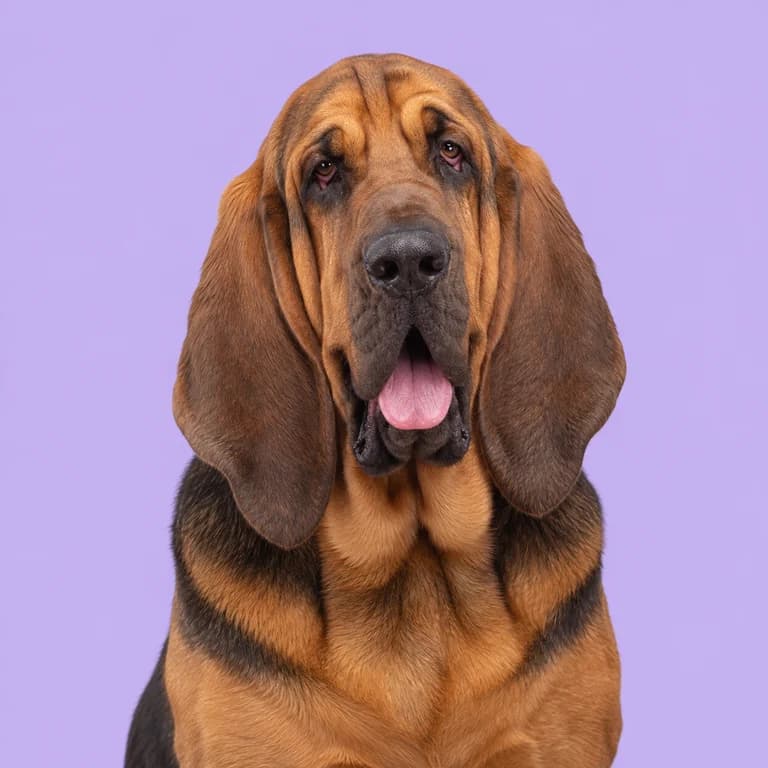
Hound group
Bloodhound
40 to 54 kg · 10 to 12 years
A patient, drooling giant whose trailing work has been accepted as evidence in courtrooms.
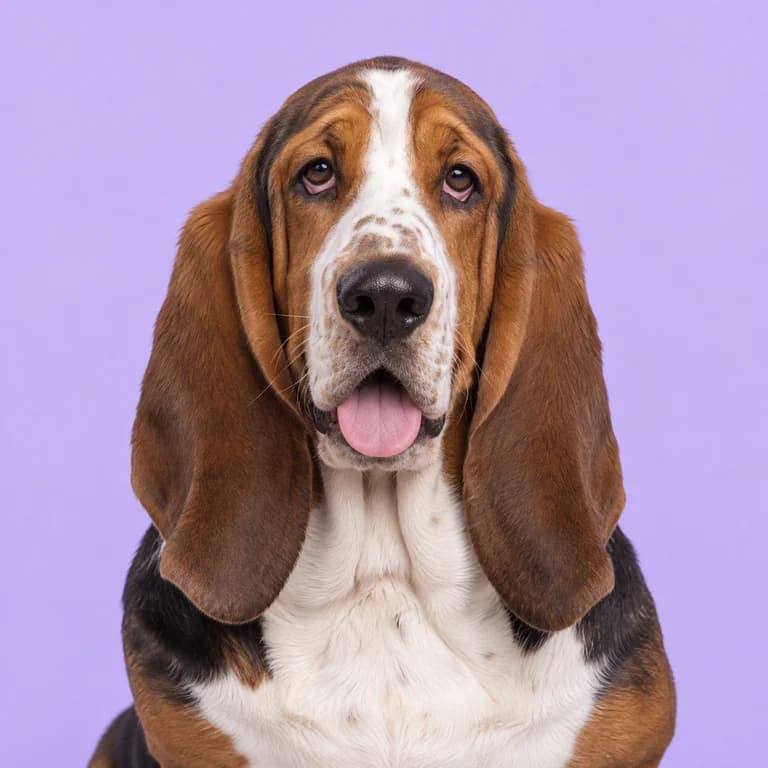
Hound group
Basset Hound
20 to 29 kg · 10 to 12 years
A scent hound nearly as heavy as a Labrador, built on legs barely 35 cm tall.
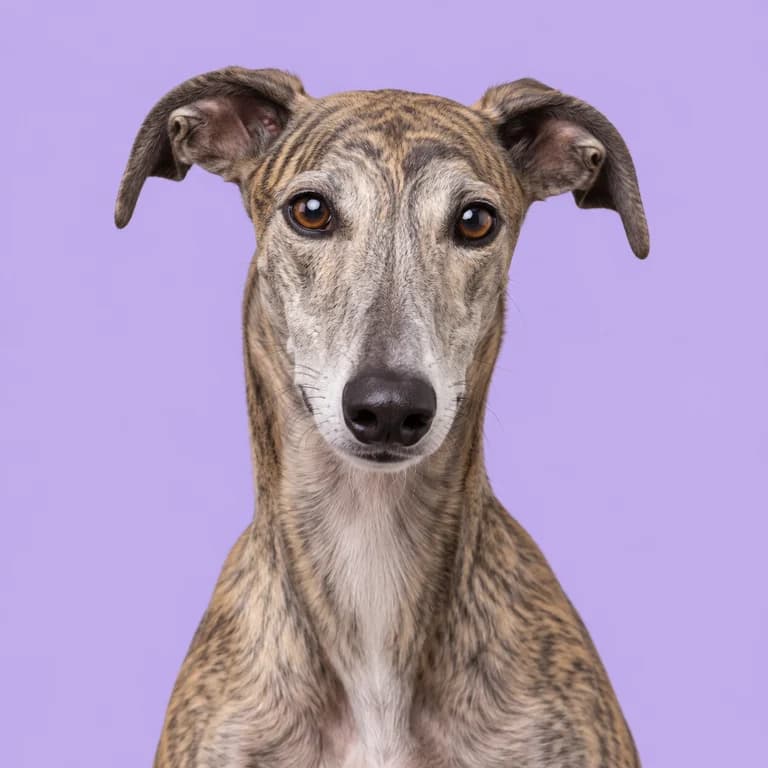
Hound group
Greyhound
25 to 34 kg · 10 to 14 years
A sprinter capable of about 70 km/h (43 mph) that spends most of its day asleep upside down.
Hound group
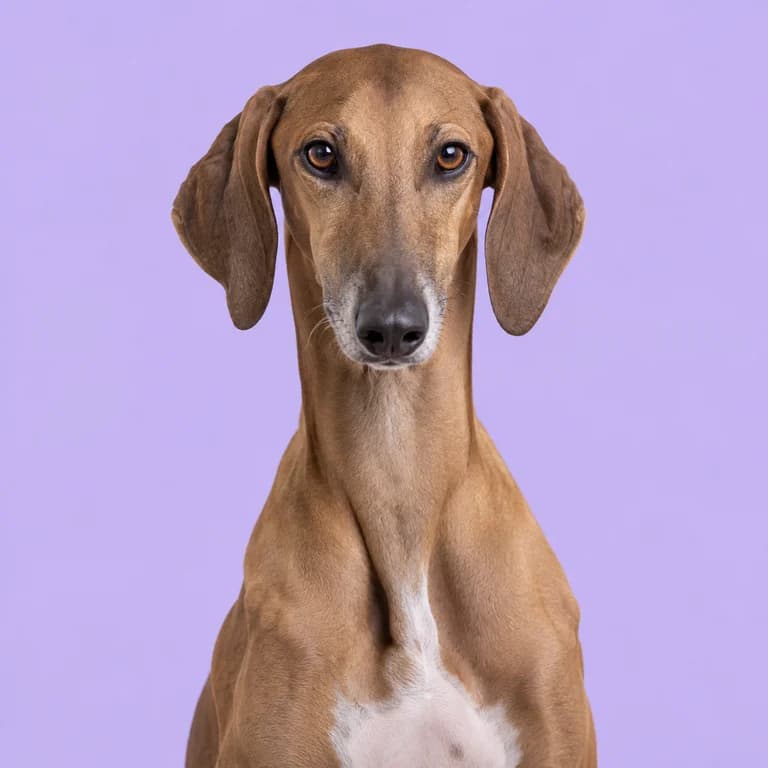
Azawakh
15 to 25 kg · 12 to 15 years
A tall, reserved sighthound from the Sahel that gives deep loyalty to its own people and little to anyone else.
Working group
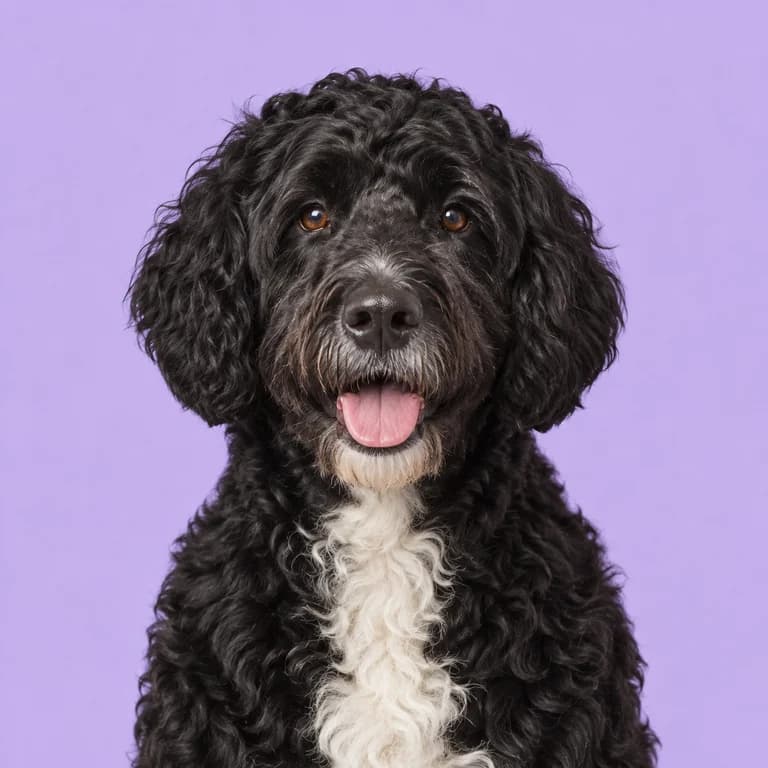
Portuguese Water Dog
16 to 27 kg · 11 to 13 years
A fisherman's crew member from the Algarve, with webbed feet, a rudder tail and a talent for boats.
Hound group
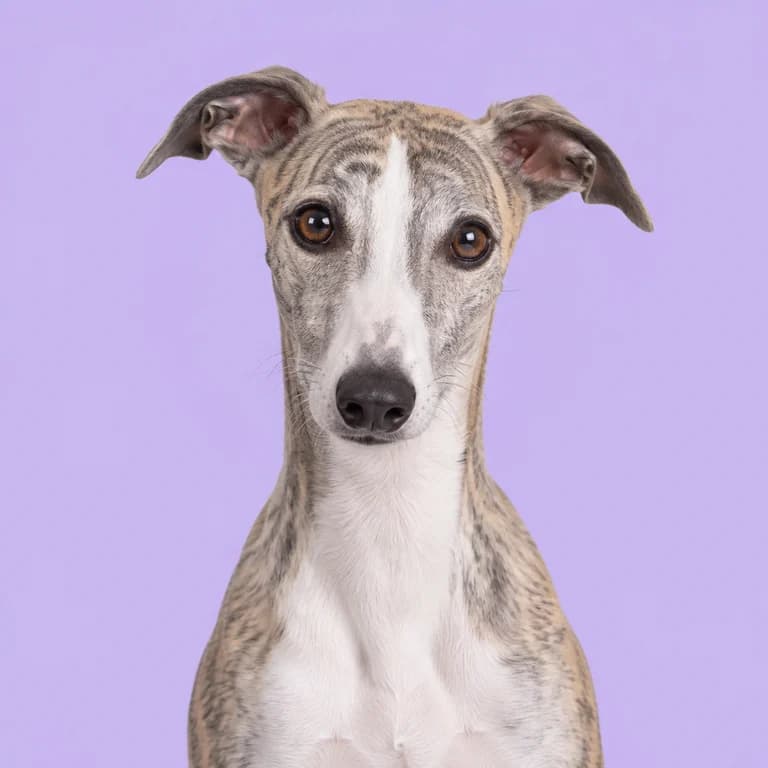
Whippet
9 to 16 kg · 12 to 15 years
Built for 55 km/h sprints, yet happiest curled under a blanket for most of the day.