Sources for this article
Herding group · France
Briard
Also called Berger de Brie
A shaggy French sheepdog that guarded the flock by night and now guards its family instead.
Briards herded and protected sheep on the farmland east of Paris, which gave them an unusual blend of herder's brains and guardian's loyalty. They bond intensely, watch over their people and carry a coat that needs a couple of hours of care every week.
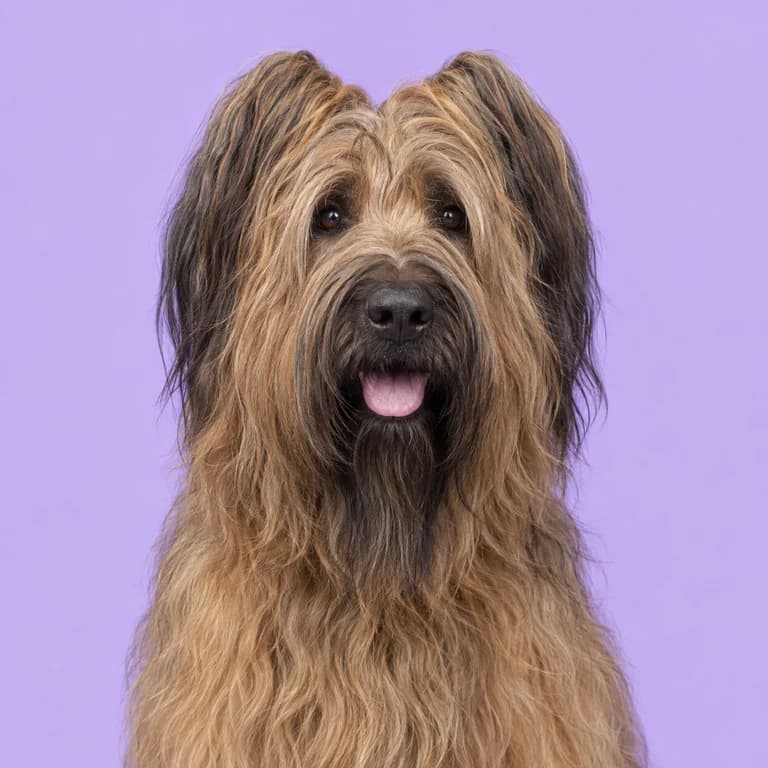
Original AI-generated breed illustration
Weight
25 to 45 kg
55 to 99 lb
Height
56 to 68 cm
at the shoulder
Life expectancy
10 to 12 yrs
Activity estimate
90 to 120 min
editorial daily planning range
Adult-size estimate
24 months
approximate model input
Life with a Briard
Spend a day with a Briard and you notice that it is always within a few meters of someone in the family. It follows you to the kitchen, lies across the doorway while you work and checks each bedroom at night. That constant, watchful attachment is the heart of the breed, and it surprises people who are used to easygoing retrievers. Visitors are assessed first and accepted later.
The breed developed on the farms of Brie and neighboring regions of northern France, where flocks grazed open fields bordered by crops. A Briard's job was to keep sheep out of the wheat, moving them without fuss, and then to guard them overnight against wolves and thieves. That double role of herder and guardian shapes the dog you live with today: attentive, confident enough to make its own decisions, and protective of anything it considers its own.
French soldiers relied on Briards in the First World War, and some American servicemen brought dogs home afterward. Well over a century earlier, Thomas Jefferson and the Marquis de Lafayette are both credited with sending some of the first Briards across the Atlantic. Despite that long history, the breed has always been uncommon outside France.
With its own people, a Briard is gentle, playful and often clownish, and many are wonderful with children they have grown up with. The protective side needs shaping from puppyhood so that it stays sensible. A well-raised Briard alerts you, places itself between you and anything odd, and then settles when you signal that all is well.
What stands out
Training
Briards learn quickly and remember everything, the good and the bad. They respond best to fair, consistent handlers who use rewards and set clear expectations; heavy-handed methods tend to produce resistance or distrust that lasts. They like a task to have a point and get bored with endless drilling.
Read the full training guideEasy to train
Open with strangers
Good with other dogs
A great match for
- experienced owners who want a devoted, protective dog
- active families with older children or teenagers
- people who enjoy grooming or can budget for it
- homes with space and a secure garden
- cool climates
Think twice if
- suspicious of strangers without lots of socialization
- grooming takes a couple of hours a week
- may herd children or other pets
- slow to mature
- bloat risk as a deep-chested breed
Personality and needs at a glance
Living together
Good with children
Good with other dogs
Open with strangers
Apartment friendly
Copes with alone time
Energy and character
Energy level
Playfulness
Easy to train
Barking
5 means very vocal
Care and climate
Grooming needs
Shedding
Drooling
Handles cold
Handles heat
How much a Briard eats
Illustrative calculations for neutered adults at midpoint breed weights, with food at 370 kcal per 100 g and 100 g per cup. These are not measured breed requirements. Use actual weight, the food label and veterinary body-condition advice.
| Dog | Weight | Calories | Dry food |
|---|---|---|---|
| Female, relaxed lifestyle | 30 kg | 1260 kcal | 340 g (3.5 cups) |
| Female, typical pet | 30 kg | 1440 kcal | 390 g (4 cups) |
| Male, typical pet | 39 kg | 1730 kcal | 470 g (4.8 cups) |
| Male, very active | 39 kg | 2160 kcal | 585 g (5.8 cups) |
Care guides for the Briard
Things owners are often surprised by
- 1Double dewclaws on each hind leg are required by the breed standard; a dog without them cannot be shown.
- 2Thomas Jefferson and the Marquis de Lafayette are both linked to early Briard imports to America.
- 3During the First World War the French army used Briards as sentries, supply carriers and searchers for wounded soldiers.
- 4The adult coat is at least 15 cm (6 in) long and takes 20 to 30 minutes per session to brush properly.
- 5Many Briards are not fully mature, mentally or physically, until around three years old.
Briard questions
Why do Briards have double dewclaws?
Nobody knows for certain. One theory says they gave extra grip on rough ground while herding; another is that shepherds simply valued them and bred for them. Whatever the origin, the breed standards require double dewclaws on both hind legs, and a Briard without them cannot be shown. They need regular nail trimming, because they rarely touch the ground and do not wear down.
Are Briards good with children?
Usually, especially with children they live with. They tend to be patient, gentle and protective. Two cautions: a Briard may herd running children by circling or bumping them, and it may misread rough play between your children and visiting friends as a threat. Supervise, teach children to play calmly, and give the dog a quiet place to retreat to.
Are Briards good guard dogs?
They are natural guardians, alert and protective of their people and home, and most will bark to warn and then stand their ground. The work lies in keeping that instinct balanced. Early socialization and calm, consistent leadership keep a Briard discerning rather than suspicious of everyone. Training a Briard to be more aggressive is neither needed nor sensible.
Can I clip my Briard's coat short?
You can, and some owners of older dogs do so for comfort, but it changes the breed's look and some of the coat's weather protection, and clipped hair can grow back with an uneven texture. If grooming is becoming unmanageable, ask a professional groomer for a tidy pet trim that keeps some length. Shaving is best reserved for cases where matting leaves no other option.
Do Briards shed a lot?
Less than you might expect from such a big coat. Loose hair tends to stay tangled in the coat until you brush it out, so you find less on the floor than with many short-coated breeds. The trade-off is that unbrushed hair quickly turns into mats. Puppies changing into their adult coat shed more, and some adults have a heavier spell in spring.
Popular answers for owners
- How much to feedMy dog has a rounded belly but the rest of the body looks lean, is that fat?
- Grooming and coatHow do I choose a shampoo for a dog with a sensitive coat?
- Grooming and coatHow do I groom a Bernese Mountain Dog's heavy coat?
- Bowls and feeding gearDo silicone bowls hold up to chewing?
- Bowls and feeding gearHow do I keep a spaniel's ears out of the food bowl?
- Exercise and playHow do I exercise two dogs with very different energy levels together?
Breeds you might compare
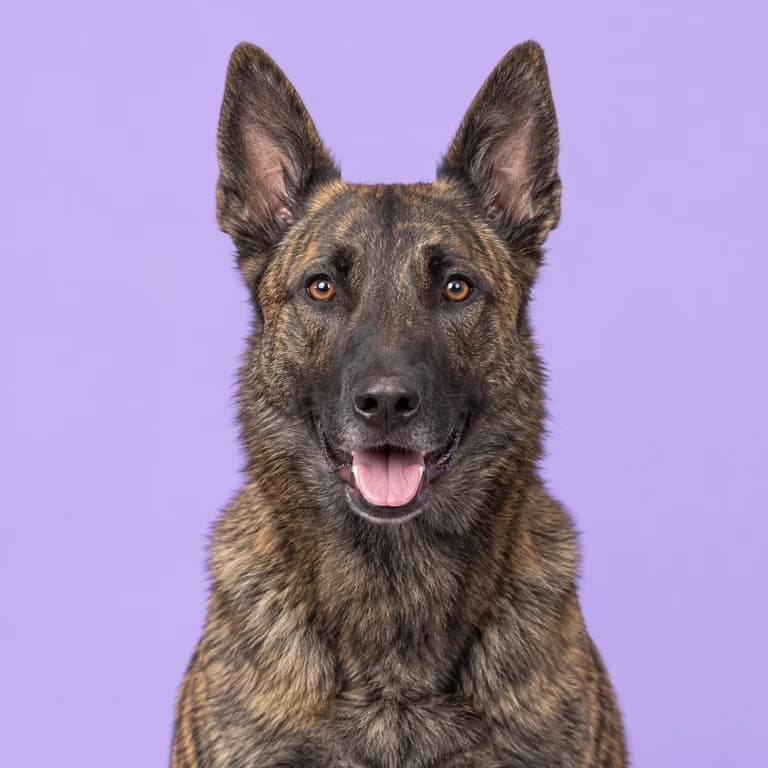
Herding group
Dutch Shepherd
23 to 34 kg · 11 to 14 years
A brindle Dutch farm dog turned police partner that learns fast and needs a real job every day.
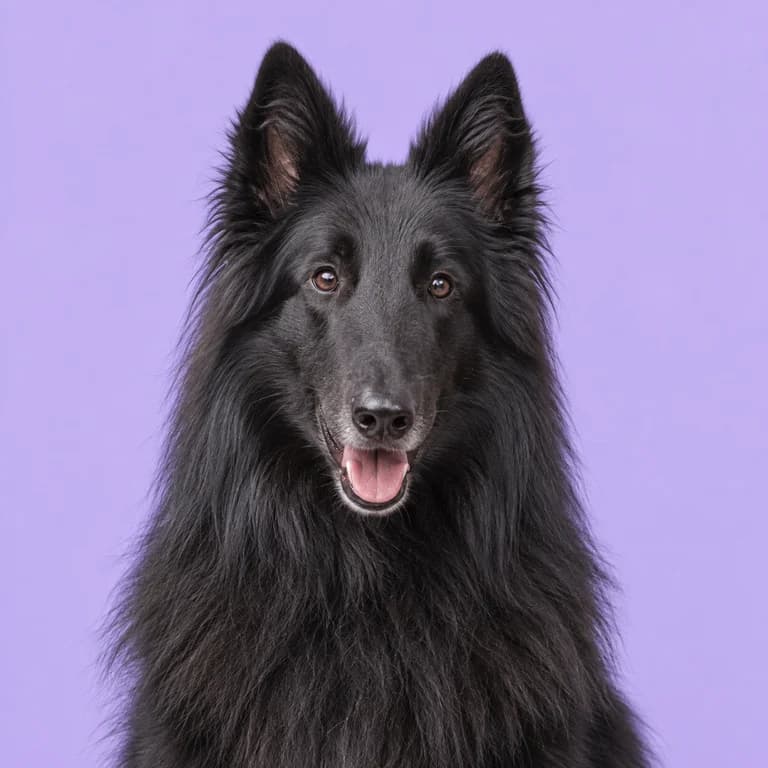
Herding group
Belgian Groenendael
20 to 30 kg · 12 to 14 years
The long-coated black Belgian Shepherd: quick, sensitive and happiest with a job and a handler to share it.
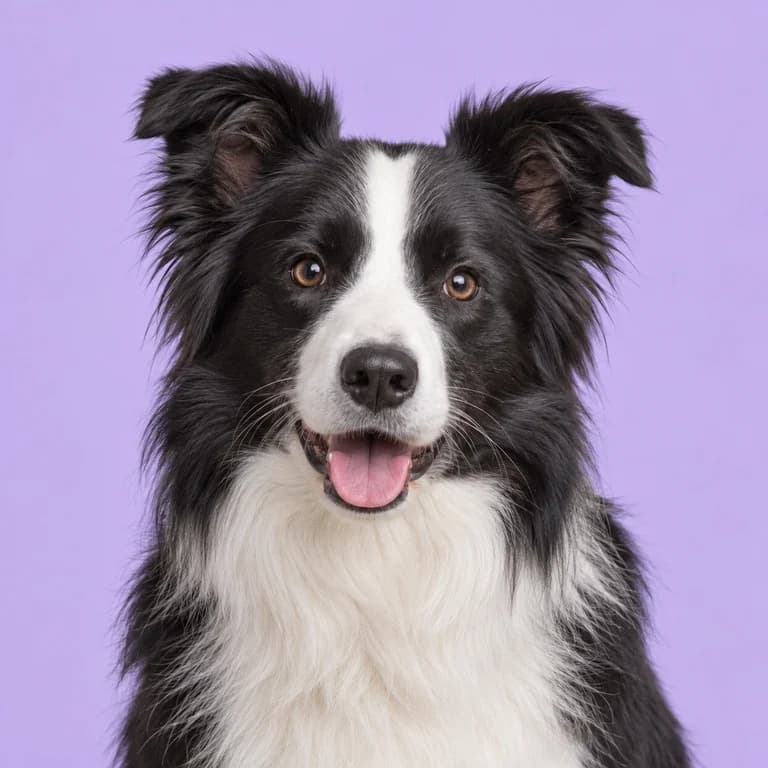
Herding group
Border Collie
12 to 20 kg · 12 to 15 years
Possibly the most gifted working mind in dogs, and it needs a job every single day.
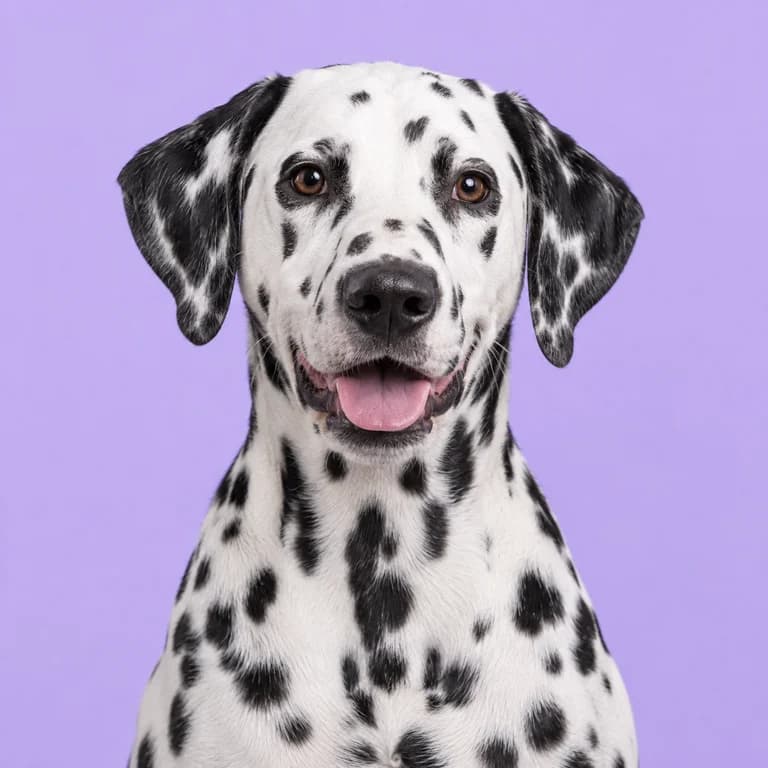
Non-sporting group
Dalmatian
20 to 32 kg · 11 to 13 years
Bred to trot beside horse-drawn carriages for hours, the Dalmatian still has the stamina to prove it.

Non-sporting group
American Bully
20 to 36 kg · 10 to 12 years
A muscular American companion breed whose friendly nature is best served by moderate build and careful breeding choices.
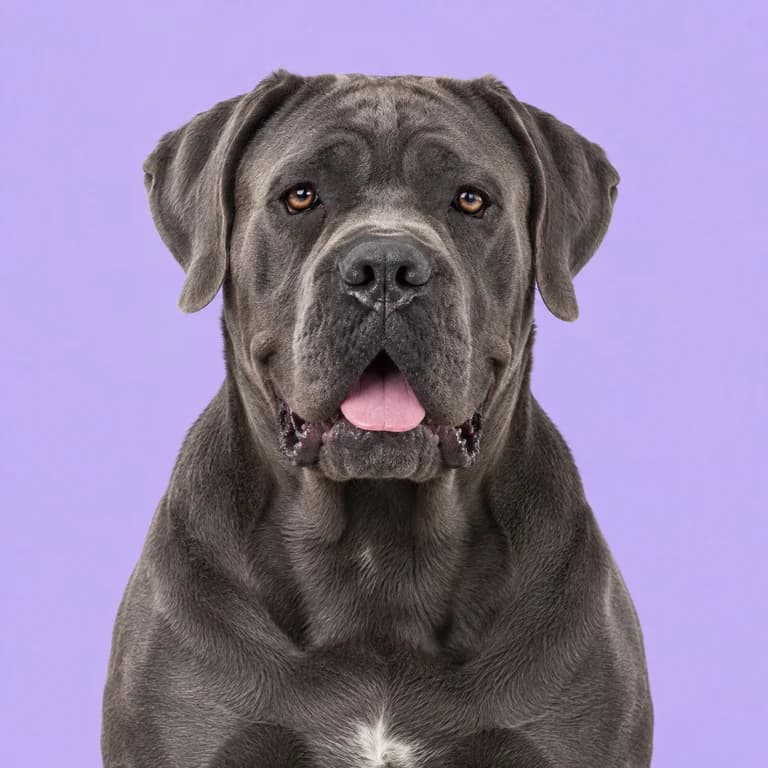
Working group
Cane Corso
40 to 50 kg · 9 to 12 years
A quiet, watchful Italian guardian that bonds deeply with its own people and needs a calm, consistent handler.