Sources for this article
Herding group · Belgium and France (Flanders)
Bouvier des Flandres
Also called Bouvier, Flanders Cattle Dog, Vlaamse Koehond
A rugged Flemish cattle dog hidden under a shaggy coat that demands weekly work and regular trimming.
The Bouvier des Flandres was developed on farms in Flanders to drive cattle, pull carts and guard the yard. It is calm, loyal and protective, and it needs an owner who can match its steady confidence with consistent training. Grooming is the big commitment: the rough coat and beard need weekly brushing and a professional trim several times a year.
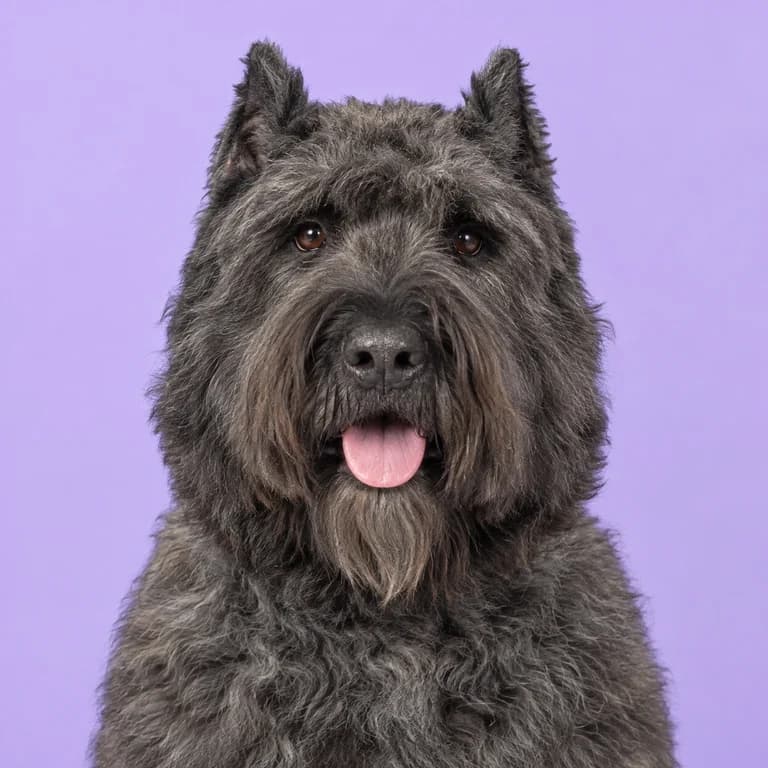
Original AI-generated breed illustration
Weight
27 to 40 kg
59 to 88 lb
Height
59 to 68 cm
at the shoulder
Life expectancy
10 to 12 yrs
Activity estimate
60 to 90 min
editorial daily planning range
Adult-size estimate
24 months
approximate model input
Life with a Bouvier des Flandres
Farmers in Flanders, the low, wet region that straddles modern Belgium and northern France, wanted one dog that could do everything: move cattle to market, pull a milk cart, guard the yard and shrug off months of rain. They bred for function over looks, and the result was a strong, square dog with a rough, weatherproof coat and a sensible head.
World War I devastated both the region and the breed. Bouviers carried messages and helped find wounded soldiers, and many were killed or lost. After the war, a handful of survivors, including the army dog Nic de Sottegem, became the foundation of today's breed, and Belgian and French clubs agreed a single standard in 1936.
At home, a Bouvier is calm and even-tempered, often happiest lying in a spot with a clear view of the door. It is devoted to its family, patient with children it knows and naturally watchful with strangers, so it needs early socialization to stay confident rather than suspicious. Owners describe a dog that thinks before it acts, which is admirable until it decides your request is unnecessary.
What stands out
Grooming
Grooming defines life with this breed. Brush thoroughly at least twice a week with a slicker and a metal comb, working down to the skin, with extra care behind the ears, under the legs and along the belly, where mats form first. 5 in) and shapes the head and feet.
Read the full grooming guideIllustrative grooming schedule based on our editorial coat-care score. Adjust it to the individual coat and professional advice.
Brushing
Daily
Bathing
Every 3 to 6 weeks
Shedding
Light
Nail trim
Every 3 to 4 weeks
A great match for
- experienced owners
- homes with space and a secure garden
- people who want a watchful companion
- owners prepared to budget for grooming
Think twice if
- professional grooming every 6 to 8 weeks
- wet, messy beard after eating and drinking
- reserved or protective with strangers
- can be bossy with unfamiliar dogs
- slow to mature, often not settled until 3
Personality and needs at a glance
Living together
Good with children
Good with other dogs
Open with strangers
Apartment friendly
Copes with alone time
Energy and character
Energy level
Playfulness
Easy to train
Barking
5 means very vocal
Care and climate
Grooming needs
Shedding
Drooling
Handles cold
Handles heat
How much a Bouvier des Flandres eats
Illustrative calculations for neutered adults at midpoint breed weights, with food at 370 kcal per 100 g and 100 g per cup. These are not measured breed requirements. Use actual weight, the food label and veterinary body-condition advice.
| Dog | Weight | Calories | Dry food |
|---|---|---|---|
| Female, relaxed lifestyle | 31 kg | 1290 kcal | 350 g (3.5 cups) |
| Female, typical pet | 31 kg | 1470 kcal | 400 g (4 cups) |
| Male, typical pet | 38 kg | 1700 kcal | 460 g (4.5 cups) |
| Male, very active | 38 kg | 2120 kcal | 575 g (5.8 cups) |
Care guides for the Bouvier des Flandres
Things owners are often surprised by
- 1The name is French for 'cow herder of Flanders'
- 2Bouviers served as messenger and ambulance dogs in World War I, and the breed nearly vanished from its home region
- 3A Belgian army dog named Nic de Sottegem, one of the few survivors, appears in the pedigrees of most modern Bouviers
- 4Former US President Ronald Reagan kept a Bouvier named Lucky at the White House
- 5Ear cropping and tail docking, once standard, are now banned across much of Europe, so natural ears and tails are normal there
Bouvier des Flandres questions
Is the Bouvier des Flandres hypoallergenic?
No dog is truly allergen-free, but Bouviers leave less hair around the house than many large breeds, because loose hair stays in the coat until brushed out. Some people with mild allergies cope well, while others react to dander and saliva regardless of coat type. Spend several hours with adult Bouviers, ideally on more than one visit, before committing.
Why does my Bouvier's beard smell?
Food, water and saliva trapped in the beard break down quickly, and a warm, damp clump of hair is ideal for bacteria. Rinse the beard with warm water after meals, dry it with a towel and comb it through daily, and consider keeping it slightly shorter. If the skin around the mouth looks red, sore or crusty, or the smell persists despite cleaning, ask your vet to take a look.
Are Bouviers good guard dogs?
Yes, in a watchful rather than aggressive way. They are naturally wary of strangers, protective of their family and imposing in size, and they usually bark once or twice to alert you. A well-socialized Bouvier accepts invited guests calmly. Protection training should only be done with experienced trainers, because poorly done work can create a dog that is genuinely dangerous.
How long does it take to groom a Bouvier?
A full professional groom, including bath, drying, clipping or stripping and shaping, typically takes 3 to 4 hours, and prices reflect that. With trims every 6 to 8 weeks, grooming can become one of your biggest regular costs. Doing the weekly brushing and the baths yourself, and booking the groomer only for shaping, keeps both time and cost down.
Do Bouviers get along with other dogs?
Many live happily with other dogs, particularly when raised alongside them. Some, especially males, can be domineering with unfamiliar dogs of the same sex. Socialize early, introduce new dogs on neutral ground and watch body language during play. A Bouvier's weight and strength also mean rough play with small dogs should always be supervised.
Popular answers for owners
- Exercise and playCan enrichment toys help with separation anxiety?
- Grooming and coatShould I brush my dog before or after a bath?
- Exercise and playWhat does exhaustion look like in a dog?
- Puppy feeding and growthWhy did my puppy suddenly start eating less?
- Exercise and playCan puppies swim?
- Puppy feeding and growthHow much should I feed my puppy after a growth spurt slows down?
Breeds you might compare
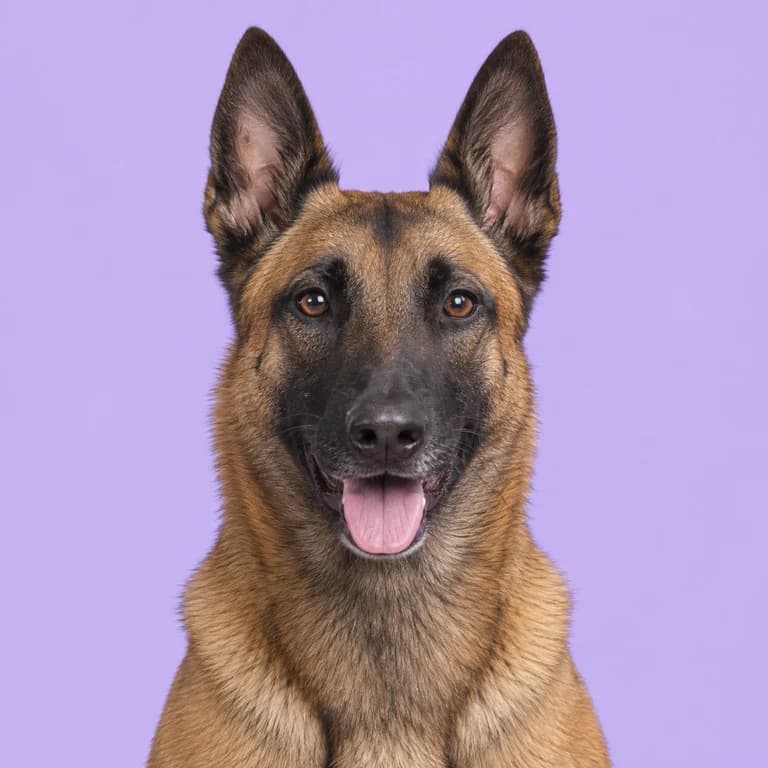
Herding group
Belgian Malinois
20 to 34 kg · 12 to 14 years
A lean Belgian herder turned police partner, built for work at full speed and bored by anything less.
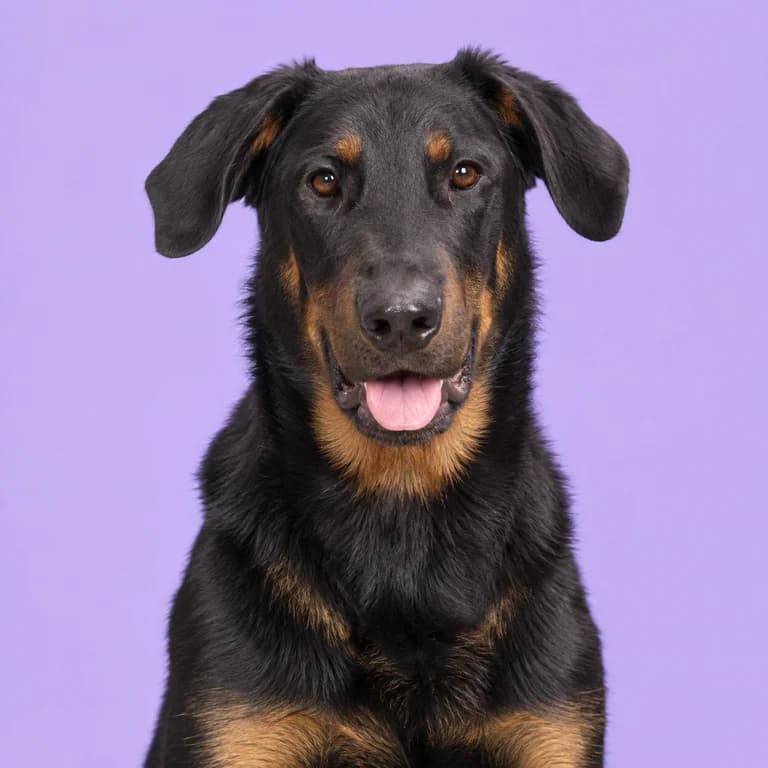
Herding group
Beauceron
30 to 45 kg · 10 to 12 years
A tall French sheepdog with double dewclaws and red stockings, confident enough to take charge of a flock or a household.
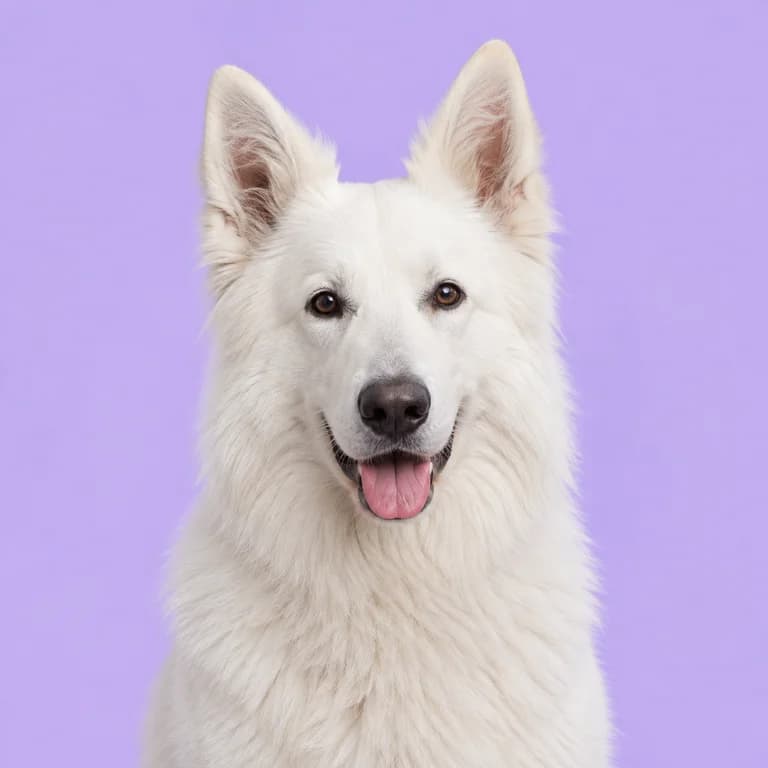
Herding group
White Swiss Shepherd
25 to 40 kg · 12 to 14 years
A snow-white shepherd with the brains of a working dog and a gentler, softer edge.
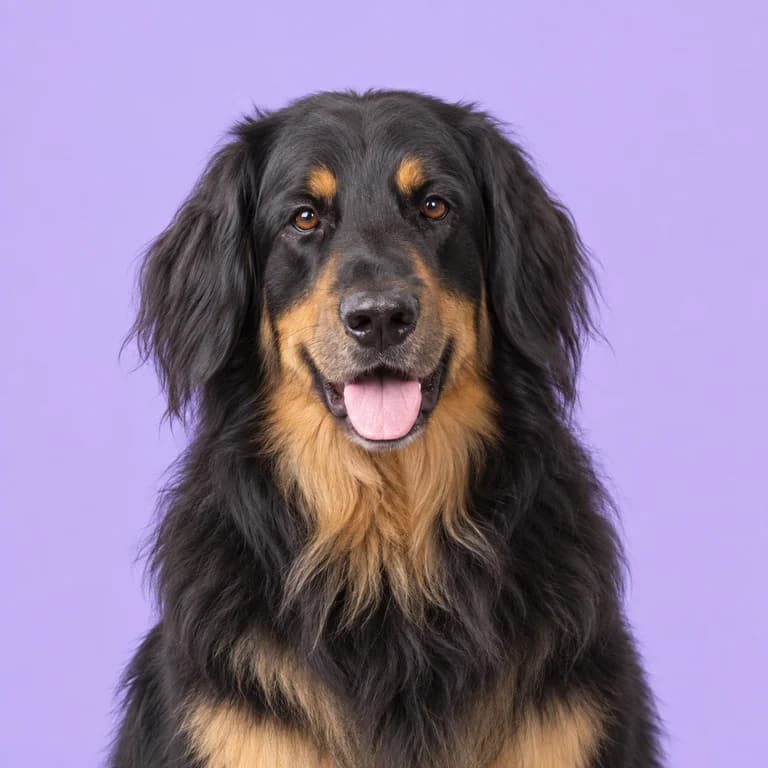
Working group
Hovawart
25 to 40 kg · 10 to 14 years
A medieval farm guardian rebuilt in the 20th century, loyal to its household and slow to hand out trust.
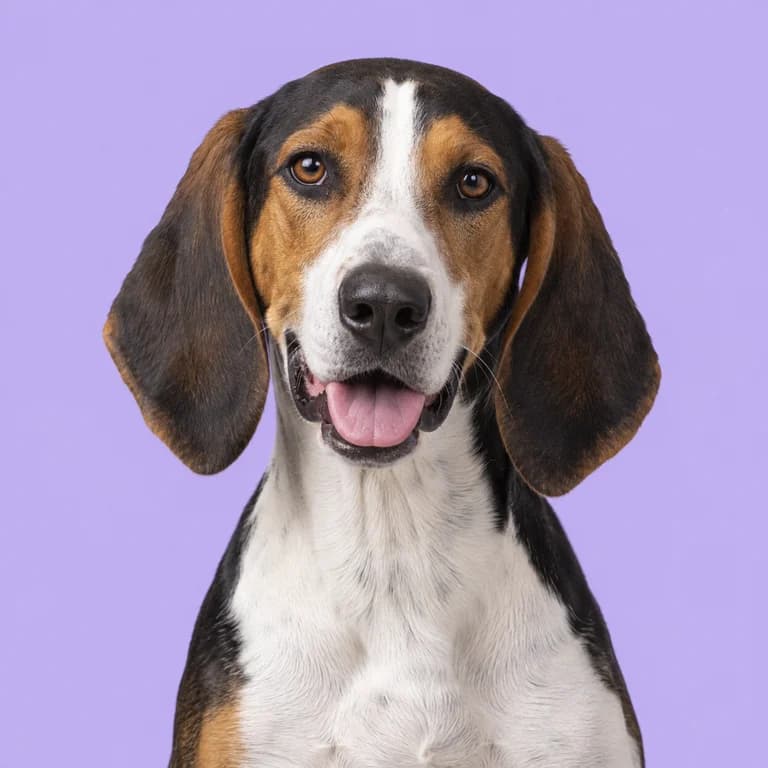
Hound group
Treeing Walker Coonhound
22 to 32 kg · 12 to 13 years
An American night-hunting hound with huge stamina, a voice that carries for miles and a friendly nature.
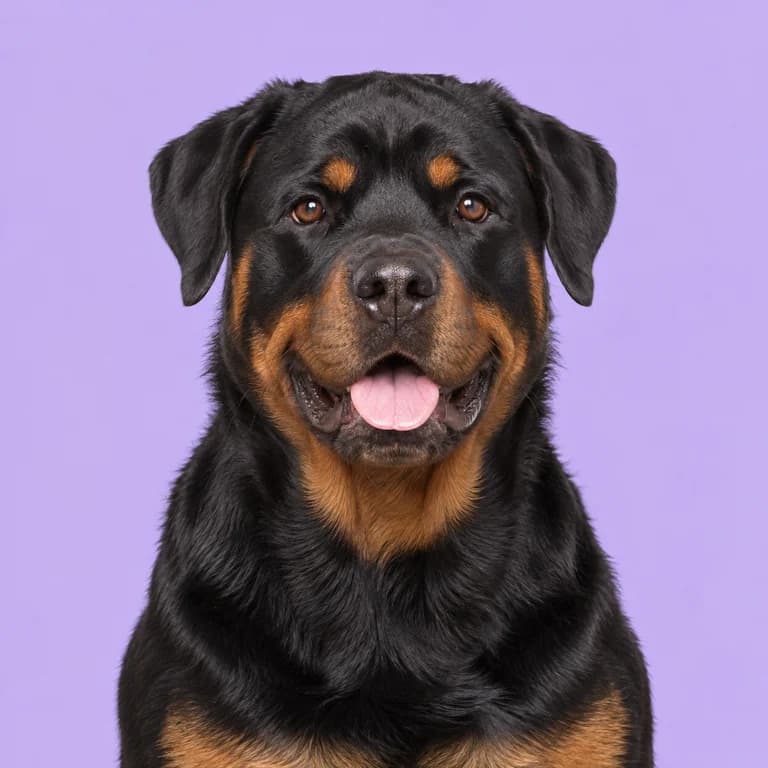
Working group
Rottweiler
35 to 60 kg · 9 to 10 years
A butcher's cattle dog turned devoted guardian, calm at home and quietly watchful of anything unfamiliar.