Sources for this article
Working group · Germany
Rottweiler
Also called Rottie, Rottweiler Metzgerhund
A butcher's cattle dog turned devoted guardian, calm at home and quietly watchful of anything unfamiliar.
Powerful, even-tempered and deeply attached to its own people, the Rottweiler is a working dog from southern Germany that takes its time with strangers. Given steady training and a sense of purpose, it becomes a calm, affectionate companion; without them, its strength and guarding instinct can turn into a real problem.
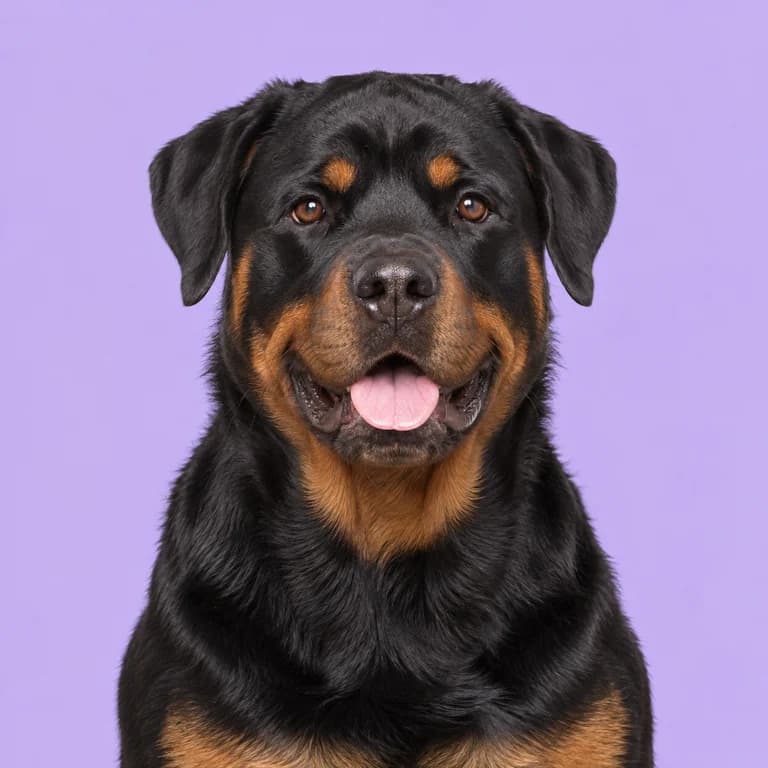
Original AI-generated breed illustration
Weight
35 to 60 kg
77 to 132 lb
Height
56 to 68 cm
at the shoulder
Life expectancy
9 to 10 yrs
Activity estimate
60 to 90 min
editorial daily planning range
Adult-size estimate
24 months
approximate model input
Life with a Rottweiler
Rottweilers descend from the drover dogs that followed Roman armies over the Alps, herding the cattle that fed the troops. Some of those dogs settled around Rottweil, a busy livestock town in what is now Baden-Württemberg, and for centuries local butchers relied on them to move herds to market and guard the takings on the way home. When railways made cattle driving obsolete in the 1800s the breed nearly disappeared, and police and military work in the early 20th century brought it back.
That history explains the temperament you get today. A well-bred Rottweiler is confident, self-assured and surprisingly gentle with its household, often following one person from room to room and settling at their feet. It is not a dog that greets every visitor with a wagging body. Expect a pause, a long look, and acceptance once you make it clear the guest is welcome.
Living with one means living with a large, physically strong dog that thinks for itself. Rottweilers can be clownish in private, fond of rough play and prone to pressing their whole weight against your legs, but they need an owner who sets clear, consistent rules from the first week. Families who put in that effort usually describe the breed as one of the most loyal they have ever owned.
What stands out
Training
Rottweilers learn fast and remember what they learn, good and bad. They respond best to calm, confident handlers who reward the right choice with food, play or praise and who never rely on force, which tends to make this breed either shut down or push back. Sessions of 10 to 15 minutes keep them engaged far better than long drills.
Read the full training guideEasy to train
Open with strangers
Good with other dogs
A great match for
- experienced owners who enjoy structured training
- homes with a securely fenced garden
- families with older, dog-savvy children
- people wanting a calm but protective companion
Think twice if
- strong guarding instinct that needs early socialization
- can be intolerant of dogs of the same sex
- heavy enough to knock over children and older adults
- rental and insurance restrictions in some areas
- relatively short lifespan for its size
Personality and needs at a glance
Living together
Good with children
Good with other dogs
Open with strangers
Apartment friendly
Copes with alone time
Energy and character
Energy level
Playfulness
Easy to train
Barking
5 means very vocal
Care and climate
Grooming needs
Shedding
Drooling
Handles cold
Handles heat
How much a Rottweiler eats
Illustrative calculations for neutered adults at midpoint breed weights, with food at 370 kcal per 100 g and 100 g per cup. These are not measured breed requirements. Use actual weight, the food label and veterinary body-condition advice.
| Dog | Weight | Calories | Dry food |
|---|---|---|---|
| Female, relaxed lifestyle | 42 kg | 1600 kcal | 435 g (4.3 cups) |
| Female, typical pet | 42 kg | 1830 kcal | 495 g (5 cups) |
| Male, typical pet | 53 kg | 2180 kcal | 590 g (6 cups) |
| Male, very active | 53 kg | 2730 kcal | 740 g (7.5 cups) |
Care guides for the Rottweiler
Things owners are often surprised by
- 1Named after Rottweil, a market town in Baden-Württemberg where butchers used the dogs to drive cattle
- 2Cattle dealers are said to have tied their purses to the dogs' collars on the way home from market
- 3Among the first breeds taken on by German police, around 1910
- 4Tails are left natural in the UK and most of the EU, where cosmetic docking is banned
- 5Many lean their full body weight against people they trust, a habit owners call the Rottie lean
Rottweiler questions
Are Rottweilers good with children?
Many are gentle and patient with the children in their own family, especially if raised with them. The concern is size: a playful 45 kg dog can easily knock over a toddler, and some Rottweilers try to herd children by bumping them. Supervise all interactions, teach children not to hug or climb on the dog, and take care when visiting children run and shout, since a protective dog may misread rough play.
Do Rottweilers need to be trained as guard dogs?
No, and most pet owners should not attempt protection training. The breed's natural wariness means it will usually alert you to strangers without any encouragement. What it needs instead is extensive socialization and solid obedience, so that its protective instinct stays measured. Protection sport exists, but it belongs with experienced trainers and dogs of very stable temperament.
Why does my Rottweiler lean on me?
Leaning is a common Rottweiler habit and is generally a sign of affection and trust. Dogs bred to work close to people often seek body contact, and a Rottweiler pressing its weight against your legs is usually saying it feels safe with you. If leaning comes with trembling or appears suddenly in new situations, it may signal worry instead, so pay attention to the context.
Do Rottweilers get along with other dogs?
It varies. Many live happily with another dog, particularly one of the opposite sex raised alongside them. Same-sex aggression is more common in this breed than in, for example, retrievers, and adult males can be intolerant of strange males. Early, positive contact with many dogs helps, but plan introductions carefully and do not assume a busy dog park will suit an adult.
Is it true that Rottweilers used to carry money?
The story is widely repeated in the breed's history. Butchers and cattle dealers returning from market in Rottweil are said to have tied their purses to their dogs' collars, reasoning that no thief would risk reaching for them. Whether or not every detail is accurate, it captures the breed's original role as a trusted guardian of property and livestock.
Popular answers for owners
- Exercise and playHow much exercise does a working breed need to stay calm indoors?
- Grooming and coatWhat is a mat splitter and is it safe to use at home?
- Bowls and feeding gearShould the bowl be level with my dog's chest?
- Bowls and feeding gearHow do I keep a spaniel's ears out of the food bowl?
- Puppy feeding and growthHow do I stop one puppy in a litter from eating the other's food?
- Grooming and coatWhy is my puppy's coat changing color?
Breeds you might compare
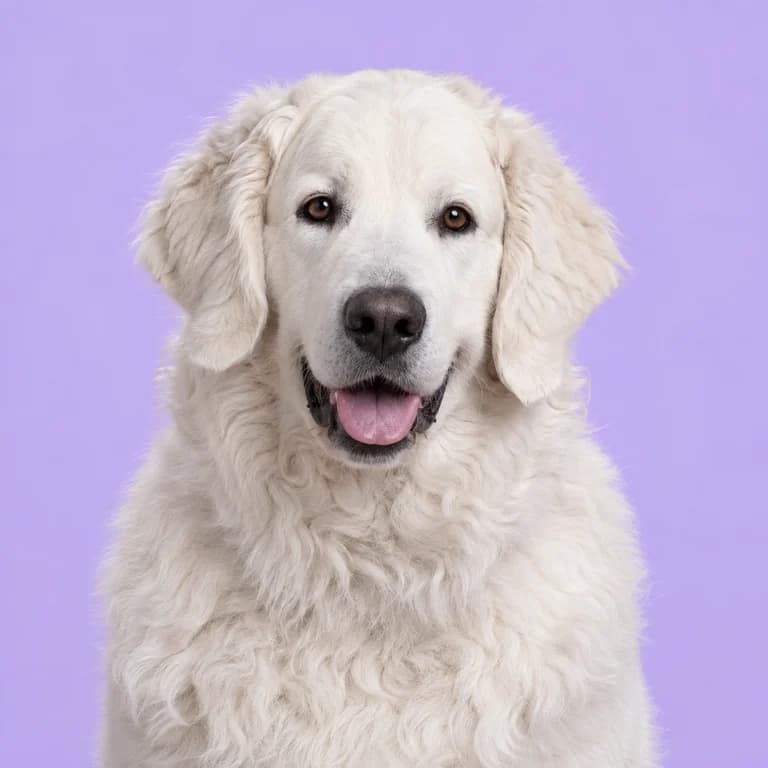
Working group
Kuvasz
37 to 62 kg · 10 to 12 years
A white Hungarian flock guardian that thinks for itself and treats your whole property as its patrol route.
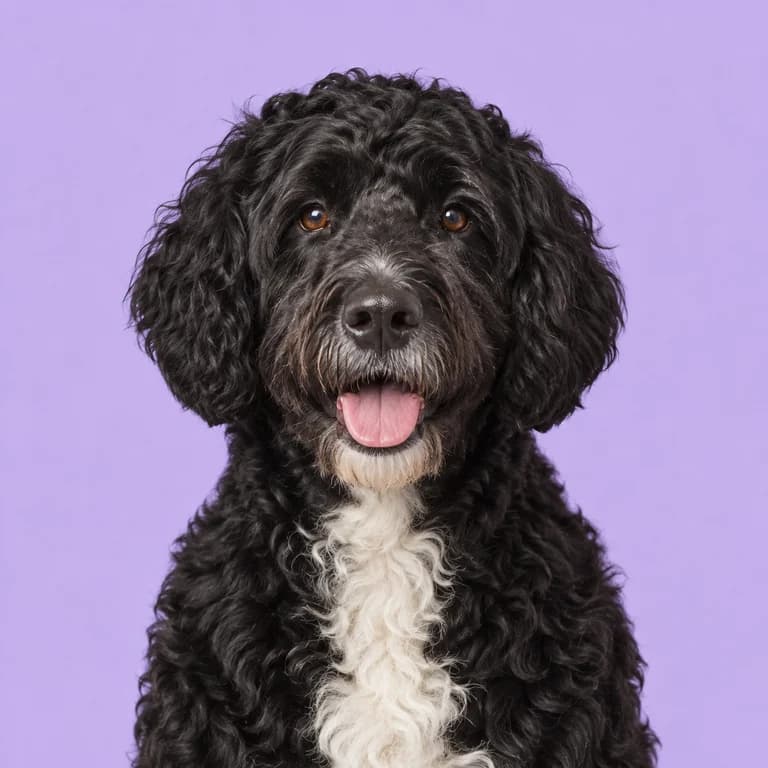
Working group
Portuguese Water Dog
16 to 27 kg · 11 to 13 years
A fisherman's crew member from the Algarve, with webbed feet, a rudder tail and a talent for boats.
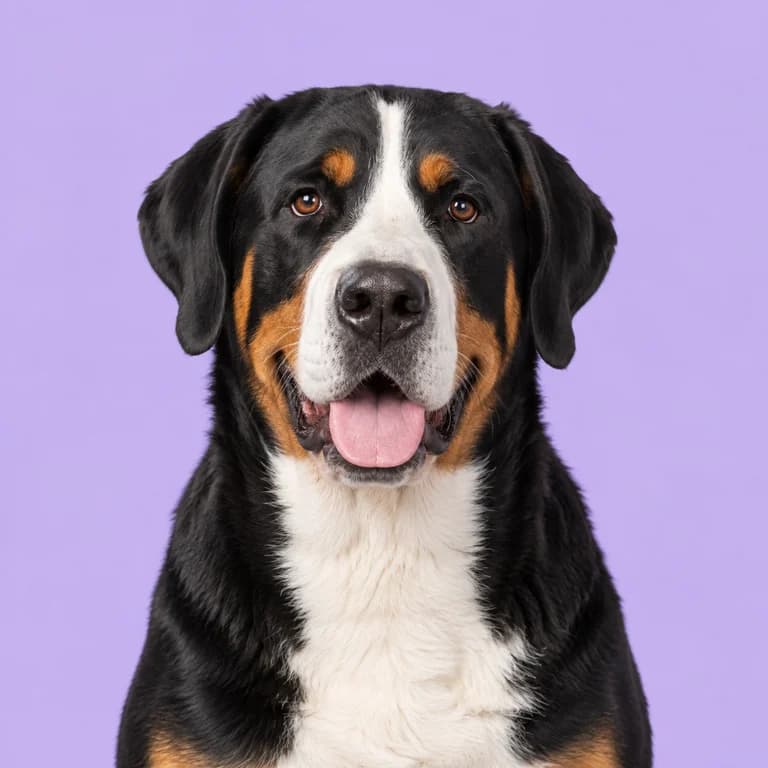
Working group
Greater Swiss Mountain Dog
39 to 64 kg · 8 to 11 years
The largest Swiss mountain breed, once a farm's cart puller and still a gentle, heavyweight family worker.
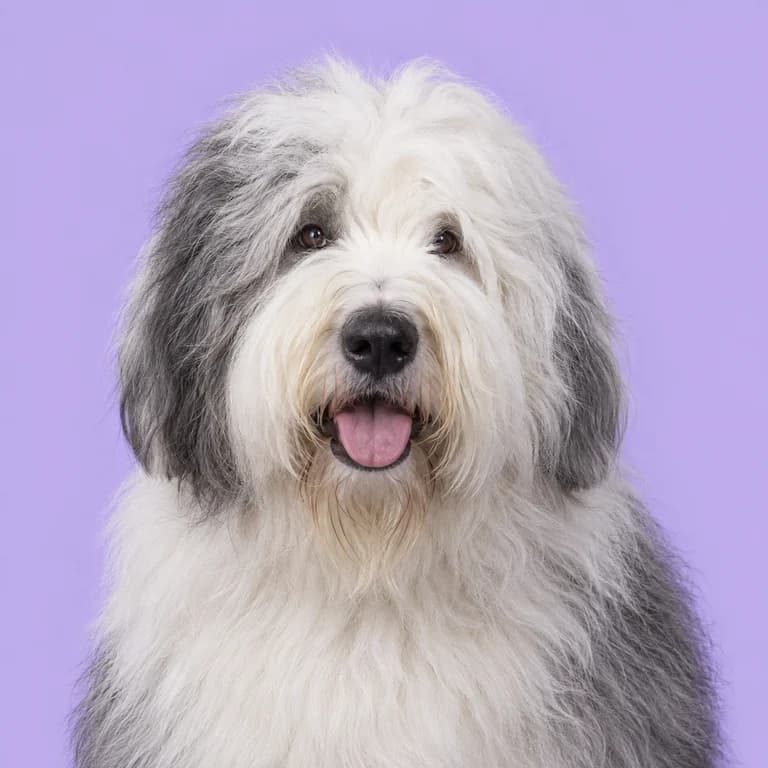
Herding group
Old English Sheepdog
27 to 45 kg · 10 to 12 years
A shaggy English drover with a rolling bear-like walk and a coat that asks for hours of your week.
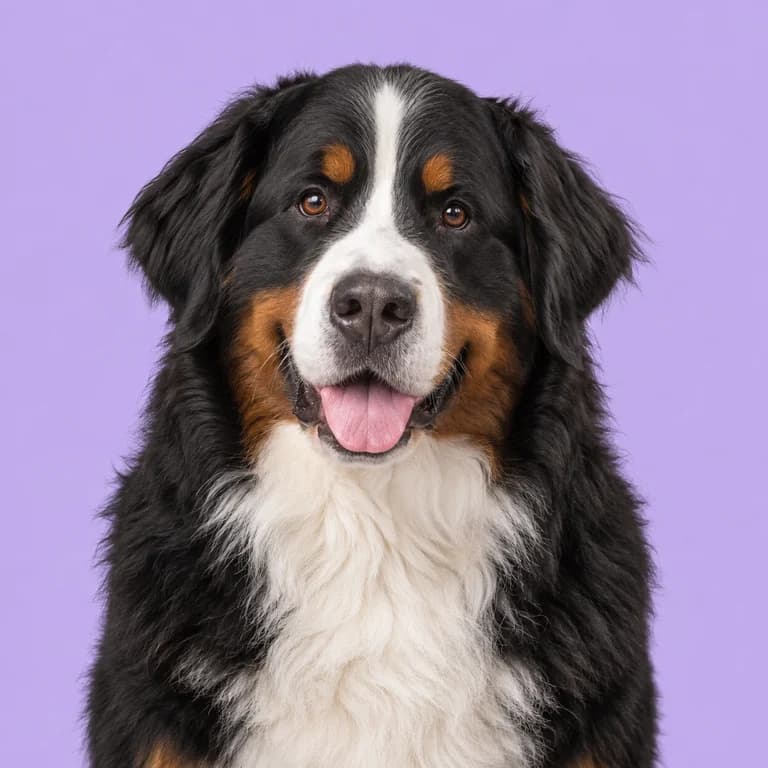
Working group
Bernese Mountain Dog
34 to 50 kg · 7 to 10 years
A gentle Swiss farm dog with a huge heart and a short average life that owners should understand before they fall in love.
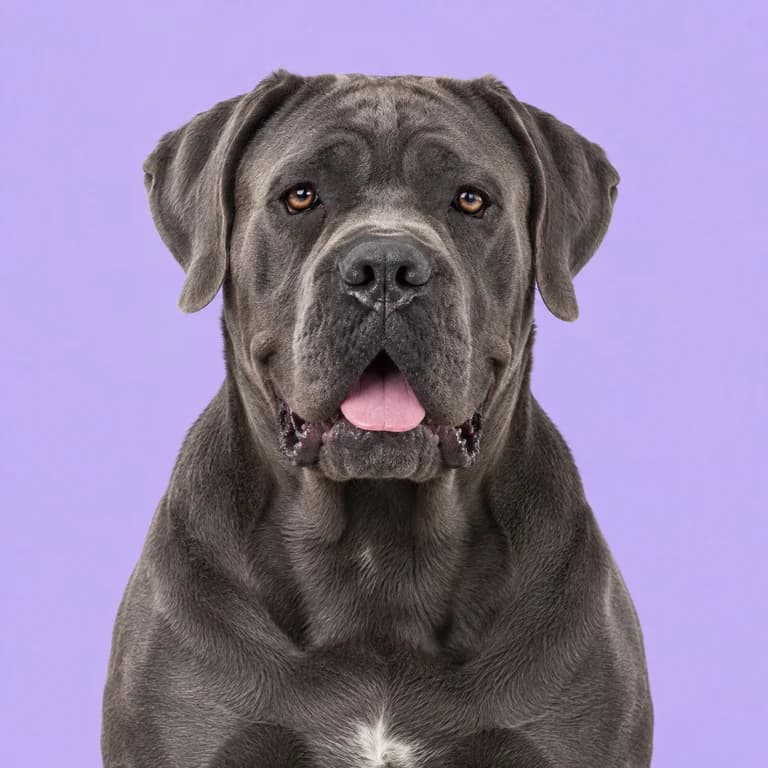
Working group
Cane Corso
40 to 50 kg · 9 to 12 years
A quiet, watchful Italian guardian that bonds deeply with its own people and needs a calm, consistent handler.