Sources for this article
Working group · Germany
Hovawart
Also called Hovie
A medieval farm guardian rebuilt in the 20th century, loyal to its household and slow to hand out trust.
The Hovawart is a large German working dog bred to guard farms and homesteads. It is devoted, confident and naturally protective, with a thinking mind that responds to fair, consistent training rather than blind drills. In the right hands it is a superb family guardian and outdoor companion.
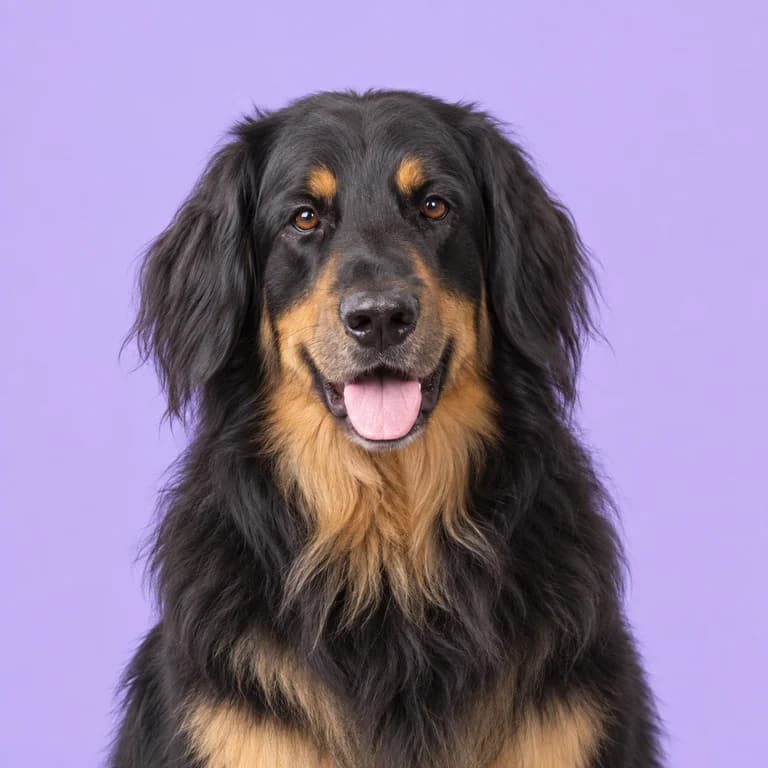
Original AI-generated breed illustration
Weight
25 to 40 kg
55 to 88 lb
Height
58 to 70 cm
at the shoulder
Life expectancy
10 to 14 yrs
Activity estimate
90 to 120 min
editorial daily planning range
Adult-size estimate
30 months
approximate model input
Life with a Hovawart
Medieval German texts mention 'Hofwart' dogs guarding farms and castles, and a popular legend tells of such a dog carrying a noble child to safety during a siege. By the early 1900s, however, the type had all but vanished. Enthusiasts led by Kurt Friedrich König collected large farm dogs that still resembled the old guardians and, over decades, rebuilt the breed, which the German Kennel Club recognized in 1937.
The modern Hovawart is a dog with judgment. It will watch a stranger at the gate calmly, assess them, and decide whether to relax or stand firm. With family members it is affectionate, playful and often goofy, but it never quite switches off its awareness of what is happening around the property.
Hovawarts are robust and weatherproof, happy to lie outside in the snow and patrol the garden boundary twice before breakfast. They bond deeply with their people and do not enjoy being shut away from family life, even if they appreciate time outdoors. A Hovawart kept alone in a kennel run tends to become either anxious or overly territorial.
What stands out
Training
Training a Hovawart is a partnership. The breed is intelligent and willing, but it was bred to make its own decisions as a guardian. It will comply readily when it respects and trusts you, and it may ignore a command repeated for the tenth time with no obvious purpose.
Read the full training guideEasy to train
Open with strangers
Good with other dogs
A great match for
- experienced owners
- homes with land or a large secure garden
- active families who hike
- cold climates
- people who want a watchful but not hostile guardian
Think twice if
- protective and reserved with strangers
- slow to mature, with a long adolescence
- independent thinker in training
- not suited to small apartments
Personality and needs at a glance
Living together
Good with children
Good with other dogs
Open with strangers
Apartment friendly
Copes with alone time
Energy and character
Energy level
Playfulness
Easy to train
Barking
5 means very vocal
Care and climate
Grooming needs
Shedding
Drooling
Handles cold
Handles heat
How much a Hovawart eats
Illustrative calculations for neutered adults at midpoint breed weights, with food at 370 kcal per 100 g and 100 g per cup. These are not measured breed requirements. Use actual weight, the food label and veterinary body-condition advice.
| Dog | Weight | Calories | Dry food |
|---|---|---|---|
| Female, relaxed lifestyle | 30 kg | 1260 kcal | 340 g (3.5 cups) |
| Female, typical pet | 30 kg | 1440 kcal | 390 g (4 cups) |
| Male, typical pet | 35 kg | 1610 kcal | 435 g (4.3 cups) |
| Male, very active | 35 kg | 2010 kcal | 545 g (5.5 cups) |
Care guides for the Hovawart
Things owners are often surprised by
- 1The name comes from Middle High German words meaning 'estate' and 'guardian'.
- 2Breed revival began in Germany around 1922, led by Kurt Friedrich König using farm dogs from the Black Forest and Harz regions.
- 3Mental maturity often arrives around 2.5 to 3 years, much later than physical growth.
- 4German breed clubs require hip screening and a temperament assessment before dogs can be bred.
- 5Only three colors are accepted: black and gold, blond, and solid black.
Hovawart questions
Is a Hovawart a good first dog?
It is usually not ideal as a first dog. Hovawarts are large, protective and independent, and they need an owner who can provide consistent training and socialization through a long adolescence. A first-time owner who is committed, active and willing to work with an experienced trainer can succeed, but it is a demanding choice.
Are Hovawarts aggressive?
Well-bred Hovawarts are not aggressive, but they are naturally protective and wary of strangers. They typically watch, bark and position themselves between the family and a perceived threat rather than attacking. Good breeding, early socialization and ongoing training produce a stable guardian that relaxes once visitors have been accepted.
Can a Hovawart live in an apartment?
It is a poor fit. Hovawarts are large, active and territorial, and they are happiest with a secure garden or land to watch over. In a flat, hallway noises and neighbors passing the door can keep a Hovawart permanently on alert, which leads to barking and stress. A smaller, less guarding breed usually suits city living better.
How does a Hovawart compare to a Golden Retriever?
Blond Hovawarts can look similar at a glance, but the temperaments differ. Goldens are generally friendly with everyone and eager to please, while Hovawarts are more reserved, protective and independent. Hovawarts usually need more structured training and more careful management around strangers. Both need plenty of exercise and love outdoor activity.
When does a Hovawart calm down?
Many Hovawarts settle between 2.5 and 3 years, though some stay lively longer. Adolescence can be challenging, with boundary testing and rising protectiveness around 12 to 18 months. Consistent training, enough exercise and a predictable daily routine help a young Hovawart mature into a steady, reliable adult.
Popular answers for owners
- How much to feedShould I adjust my dog's portion after moving to a smaller home?
- How much to feedThe bag says a certain number of cups, how do I convert that to grams?
- How much to feedHow do I adjust my dog's food after a stay at a boarding kennel?
- Bowls and feeding gearDo silicone bowls hold up to chewing?
- Exercise and playHow do I choose toys for a heavy chewer?
- How much to feedDo spayed or neutered dogs need less food than intact dogs?
Breeds you might compare
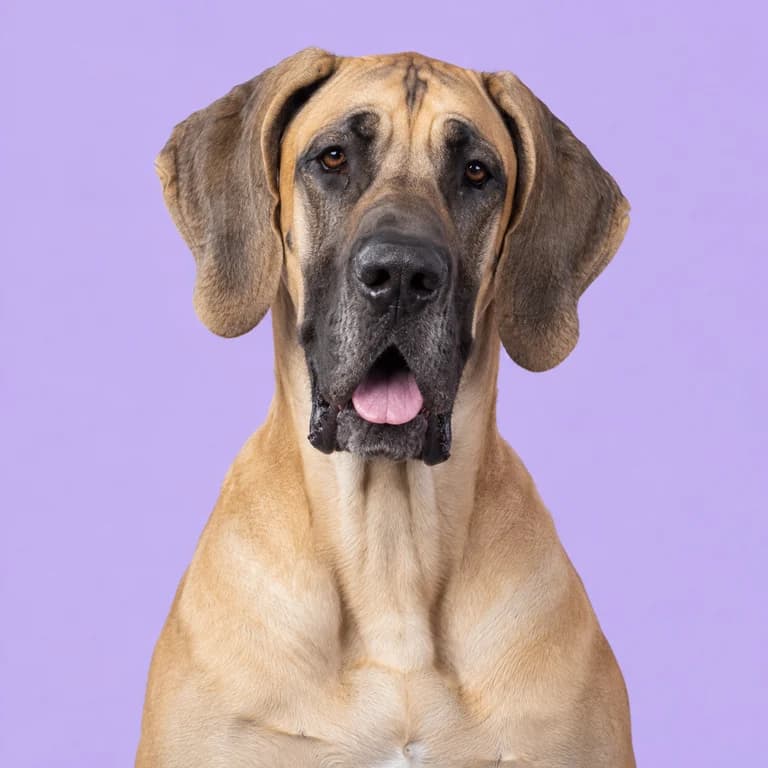
Working group
Great Dane
50 to 79 kg · 7 to 10 years
A dog the height of a small pony that would rather lean on you than guard anything.
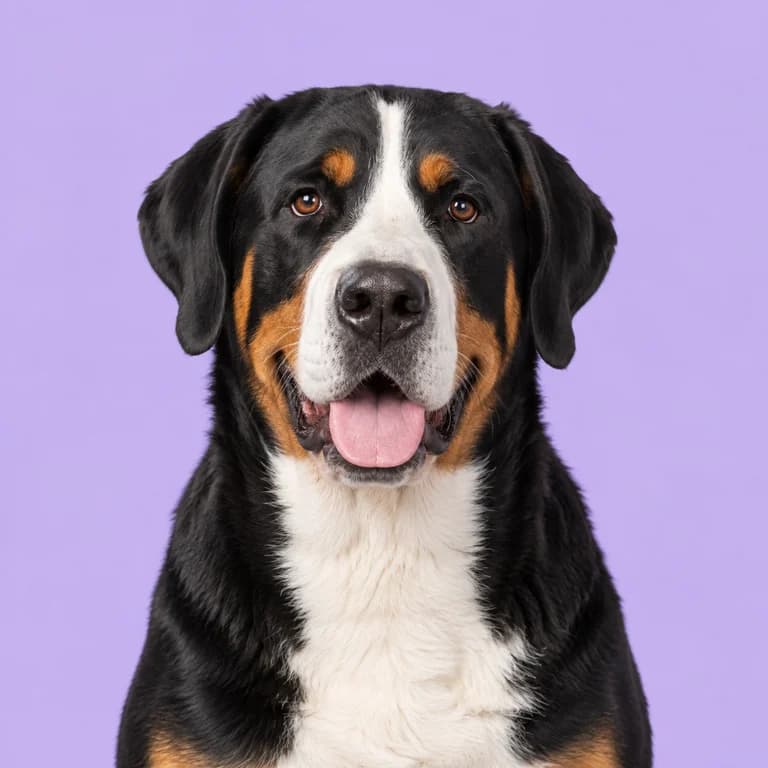
Working group
Greater Swiss Mountain Dog
39 to 64 kg · 8 to 11 years
The largest Swiss mountain breed, once a farm's cart puller and still a gentle, heavyweight family worker.
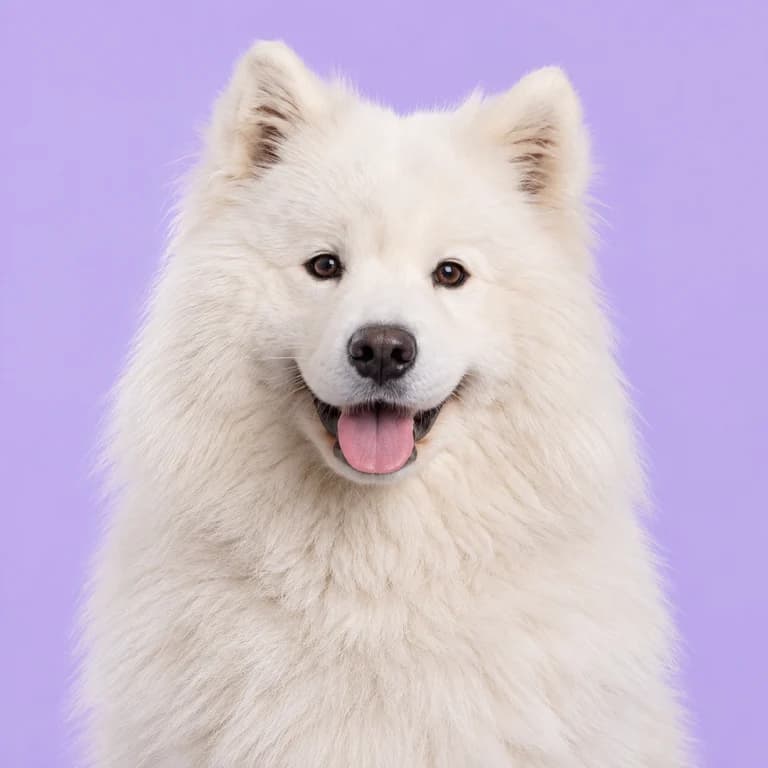
Working group
Samoyed
16 to 30 kg · 12 to 14 years
That famous white cloud of coat comes with a weekly brushing commitment and a chatty, sociable dog underneath.
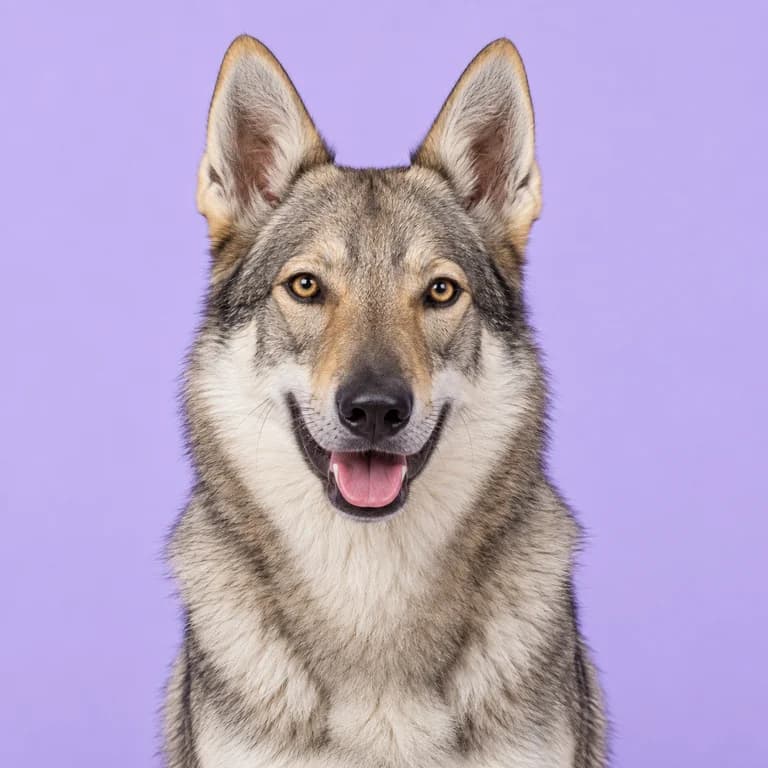
Herding group
Czechoslovakian Wolfdog
20 to 35 kg · 12 to 15 years
A Cold War border experiment that produced a dog with a wolf's look, a wolf's stamina and a mind of its own.
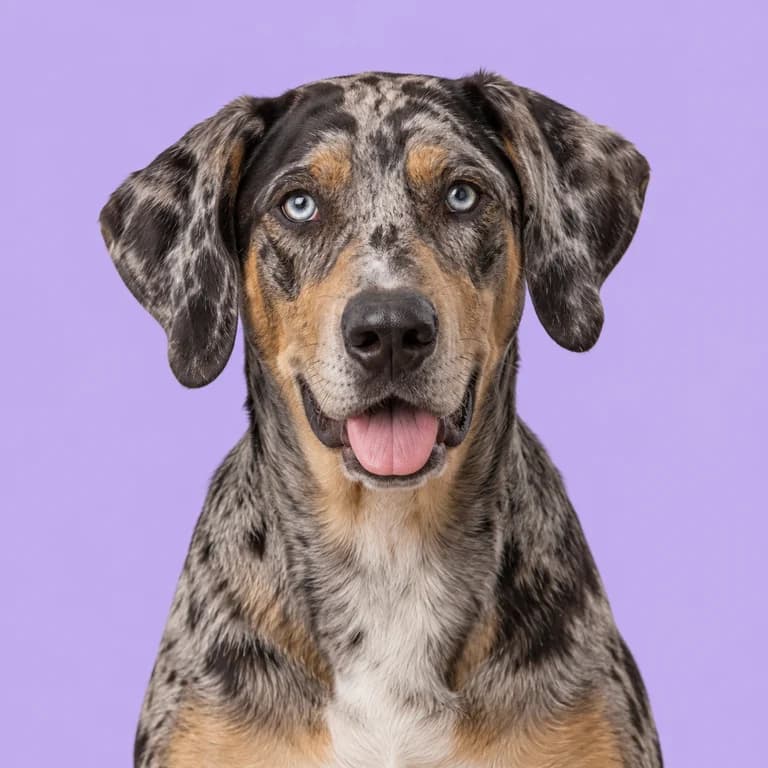
Herding group
Catahoula Leopard Dog
18 to 36 kg · 10 to 14 years
A spotted, glass-eyed working dog from the Louisiana swamps with boundless stamina and an independent streak.
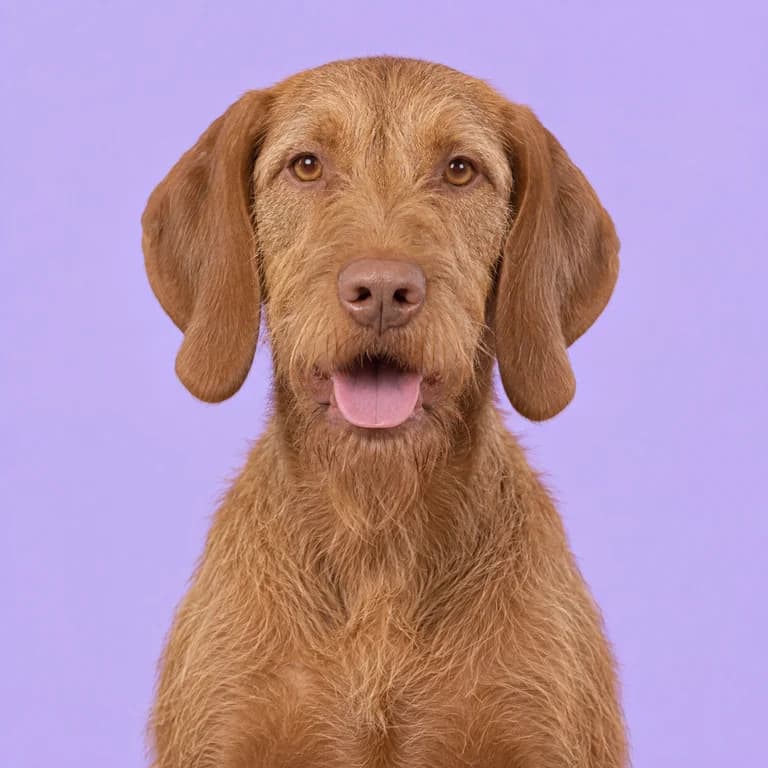
Sporting group
Wirehaired Vizsla
20 to 30 kg · 12 to 14 years
A Hungarian gun dog with a weatherproof beard, built to hunt all day in cold water and thick cover.