Sources for this article
Hound group · United States
Treeing Walker Coonhound
Also called Treeing Walker, Walker Coonhound
An American night-hunting hound with huge stamina, a voice that carries for miles and a friendly nature.
The Treeing Walker was bred in the American South to track raccoons at speed through forest and then hold them in a tree with a loud, steady bark. The result is a tireless athlete with a big voice and an easygoing, sociable temperament that suits active, rural households.

Original AI-generated breed illustration
Weight
22 to 32 kg
48 to 70 lb
Height
51 to 69 cm
at the shoulder
Life expectancy
12 to 13 yrs
Activity estimate
120 to 150 min
editorial daily planning range
Adult-size estimate
18 months
approximate model input
Life with a Treeing Walker Coonhound
A Treeing Walker's ideal day starts with a run and ends with another. These hounds were bred to follow raccoons for hours through dark woodland, and they come with the stamina and lean frame of an endurance athlete. A walk around the block barely counts as a warm-up.
Walker foxhounds were developed in Kentucky in the 19th century by John W. Walker and George Washington Maupin, starting from English Foxhounds and a fast dog of unknown origin called Tennessee Lead, reputedly stolen from a deer chase. Hunters who preferred treeing raccoons to running foxes split off their own line, which the United Kennel Club recognized as the Treeing Walker Coonhound in 1945.
Off the trail, Walkers are relaxed and friendly, usually good with children and other dogs, and happy to share a sofa. The two big challenges are the voice and the nose. An excited or bored Walker announces itself to the whole neighborhood, and an interesting scent can carry it over the horizon. This is not a dog for a flat or for a household that values quiet evenings.
What stands out
Exercise
Plan for 90 minutes or more of vigorous exercise a day. Running, hiking, canicross, scent trailing and, of course, hunting or organized coonhound events all suit the breed. Walkers love following a trail, so drag trails and tracking games are excellent ways to tire the brain as well as the legs.
Read the full exercise guideActivity planning estimate
120 to 150 min
editorial estimate, not a prescription
Energy
5 / 5
Playfulness 4 / 5
A great match for
- very active owners, runners and hikers
- rural homes with space
- hunters
- families wanting a friendly, sociable dog
- multi-dog households
Think twice if
- very loud, far-carrying bark
- strong scent drive overrides recall
- needs lots of daily exercise
- may escape and roam
- unsuited to flats or close neighbors
Personality and needs at a glance
Living together
Good with children
Good with other dogs
Open with strangers
Apartment friendly
Copes with alone time
Energy and character
Energy level
Playfulness
Easy to train
Barking
5 means very vocal
Care and climate
Grooming needs
Shedding
Drooling
Handles cold
Handles heat
How much a Treeing Walker Coonhound eats
Illustrative calculations for neutered adults at midpoint breed weights, with food at 370 kcal per 100 g and 100 g per cup. These are not measured breed requirements. Use actual weight, the food label and veterinary body-condition advice.
| Dog | Weight | Calories | Dry food |
|---|---|---|---|
| Female, relaxed lifestyle | 26 kg | 1110 kcal | 300 g (3 cups) |
| Female, typical pet | 26 kg | 1270 kcal | 345 g (3.5 cups) |
| Male, typical pet | 29 kg | 1380 kcal | 375 g (3.8 cups) |
| Male, very active | 29 kg | 1730 kcal | 465 g (4.8 cups) |
Care guides for the Treeing Walker Coonhound
Things owners are often surprised by
- 1The breed traces to Walker foxhounds and a dog called Tennessee Lead, said to have been taken from a deer chase in the 1850s.
- 2The United Kennel Club recognized the Treeing Walker as a separate breed in 1945; the AKC followed in 2012.
- 3On a trail it gives a long 'bawl'; once the quarry is treed it switches to a rapid 'chop' bark.
- 4Walkers are known as some of the fastest hounds in competitive coonhound events.
- 5Adults usually weigh 23 to 32 kg (50 to 70 lb) and stay lean and athletic.
Treeing Walker Coonhound questions
How loud is a Treeing Walker Coonhound?
Very loud. Their bawl and chop can carry a long way, which is exactly what hunters needed to find their dogs in the woods at night. Neighbors in a terraced street or apartment block will hear every note. Training can reduce barking at home, but a Walker will always have a big voice, so the breed is happiest in rural or semi-rural homes.
Are Treeing Walker Coonhounds good family dogs?
Yes, for active families. They are friendly, gentle with children and sociable with other dogs, and most welcome visitors happily. Their energy and voice mean they need an outdoorsy household with space to run. A well-exercised Walker is a relaxed, affectionate companion; an under-exercised one can be a noisy, escape-prone handful.
Can a Treeing Walker be trained to come back off lead?
It is possible but takes long-term work, and many owners never fully trust it around fresh scent. Use a long line, reward recalls with food your dog loves, and practice in steadily more distracting places. Many hunters use GPS tracking collars for exactly this reason. Keep your dog on lead near roads at all times.
Do Treeing Walker Coonhounds get along with cats?
Many do, especially if raised alongside them. Their prey drive is aimed mostly at wildlife such as raccoons and squirrels. Even so, a cat running across the garden may trigger a chase. Introduce slowly, give the cat high places to escape to, and supervise until you are confident the dog treats the cat as part of the household.
Why does my coonhound howl at night?
Walkers were bred to hunt after dark and to use their voice to report what they find, so evening restlessness and howling are part of the package. Wildlife moving outside, sirens and boredom are common triggers. A long walk or scent session in the evening, a comfortable indoor sleeping spot away from windows, and rewarding quiet usually reduce it.
Popular answers for owners
- Puppy feeding and growthWhat is the difference between feeding a toy breed puppy and a giant breed puppy?
- Puppy feeding and growthHow much should a 9 month old puppy eat?
- Grooming and coatHow do I grow out my dog's coat after a short clip without it matting?
- Exercise and playHow do I exercise a deaf dog safely?
- How much to feedHow much should I feed a 22kg dog?
- Puppy feeding and growthHow much should I feed the runt of the litter?
Breeds you might compare
Hound group
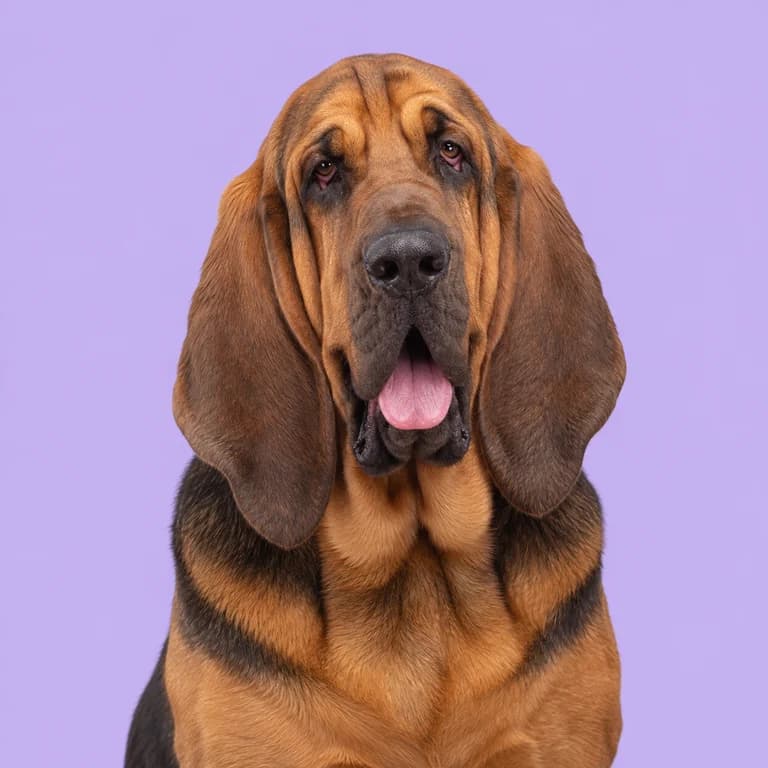
Bloodhound
40 to 54 kg · 10 to 12 years
A patient, drooling giant whose trailing work has been accepted as evidence in courtrooms.
Hound group
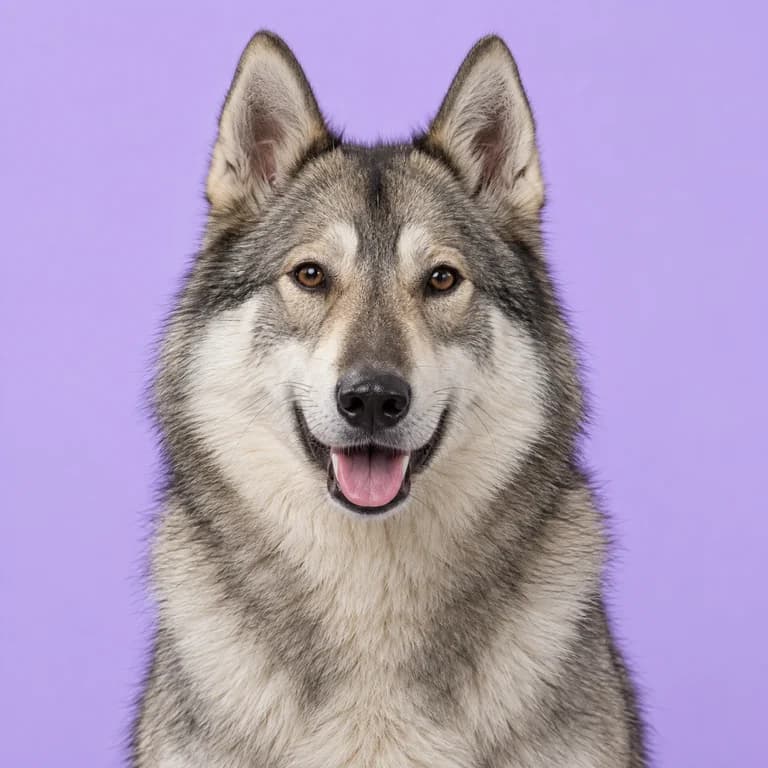
West Siberian Laika
16 to 23 kg · 12 to 15 years
A tireless Siberian hunting spitz that finds game in the forest and holds it there with its voice.

Hound group
Harrier
20 to 27 kg · 12 to 15 years
A pack hound bred to hunt hare on foot, bigger than a Beagle and more sociable than most dogs you will meet.
Herding group
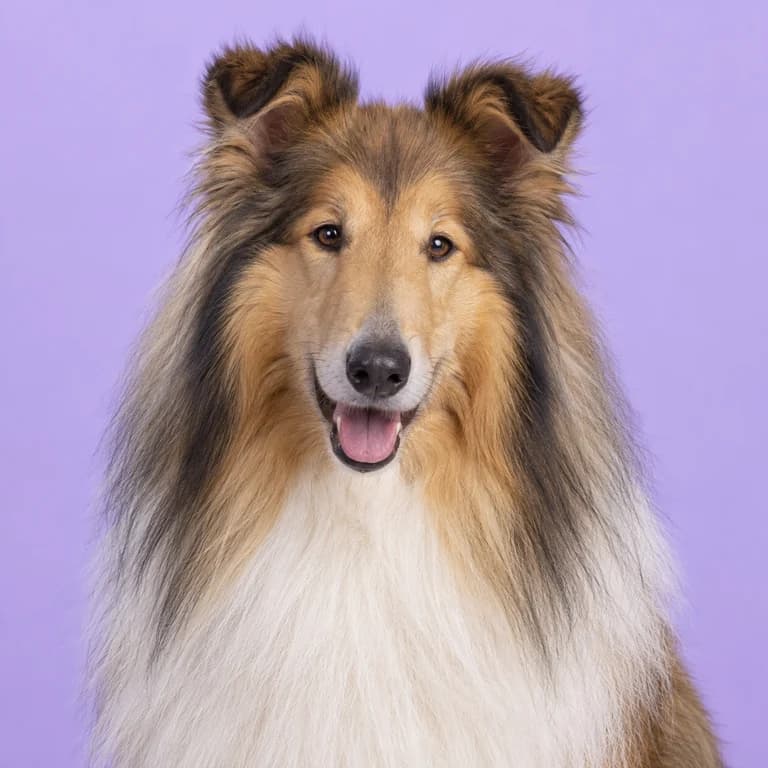
Rough Collie
21 to 34 kg · 12 to 14 years
A Scottish sheepdog turned Victorian favorite and film star, still gentle, watchful and very vocal.
Hound group
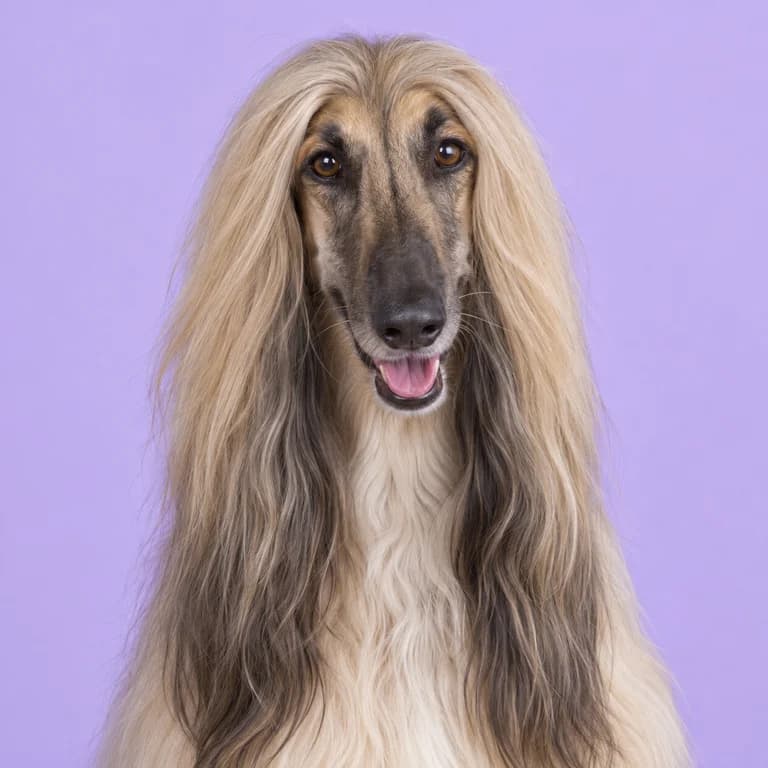
Afghan Hound
20 to 30 kg · 12 to 14 years
An elegant sighthound in a floor-length coat that asks for hours of care every single week.
Herding group
Belgian Malinois
20 to 34 kg · 12 to 14 years
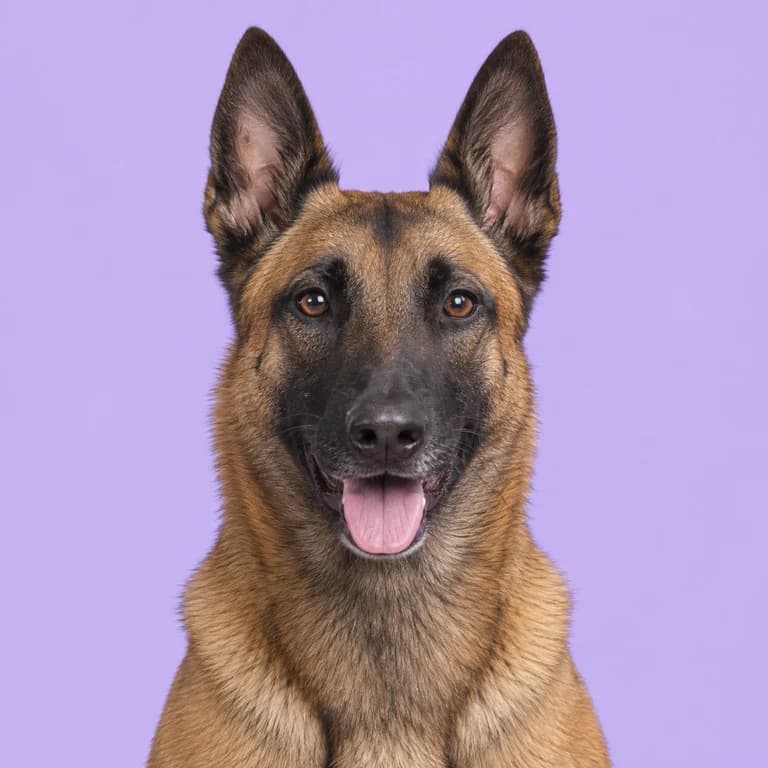
A lean Belgian herder turned police partner, built for work at full speed and bored by anything less.