Sources for this article
Herding group · France
Beauceron
Also called Berger de Beauce, Bas Rouge
A tall French sheepdog with double dewclaws and red stockings, confident enough to take charge of a flock or a household.
The Beauceron is a big, athletic sheepdog from the plains southwest of Paris, bred to move and guard large flocks over long distances. It is intelligent, loyal and physically imposing, and it takes up to three years to grow up. This is a breed for experienced owners who can offer space, structure and daily work.
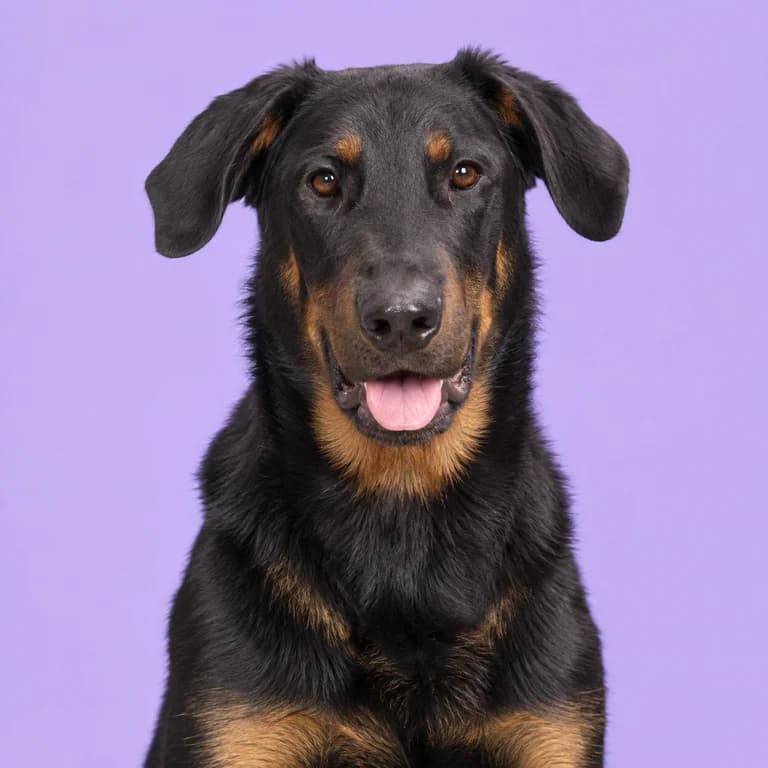
Original AI-generated breed illustration
Weight
30 to 45 kg
66 to 99 lb
Height
61 to 70 cm
at the shoulder
Life expectancy
10 to 12 yrs
Activity estimate
120 to 150 min
editorial daily planning range
Adult-size estimate
30 months
approximate model input
Life with a Beauceron
Size is the first thing people notice about a Beauceron, and the second is how lightly it moves for a dog so big. Males stand up to 70 cm (27.5 in) at the shoulder and can weigh 45 kg (99 lb), yet the breed was built to trot beside a flock for many kilometers a day. That mix of mass and stamina shapes everything about living with one.
The breed comes from La Beauce, the flat grain country southwest of Paris, where shepherds needed a dog that could keep hundreds of sheep out of unfenced crops by day and deter wolves and thieves at night. In 1889 the veterinarian Pierre Mégnin separated France's lowland sheepdogs into two types: the long-haired Berger de Brie, better known as the Briard, and the short-haired Berger de Beauce. A breed club followed in 1922.
Courage and steadiness took the Beauceron into the French army in both World Wars, where dogs carried messages and supplies under fire. It remains a working dog in France for herding, guarding and police work, and it is still fairly rare elsewhere.
At home, a mature Beauceron is calm, dignified and deeply attached to its family. It is also watchful, reserved with strangers and physically strong enough that poor manners are not an option. Young dogs are another matter: bouncy, mouthy and full of opinions until at least 2 years old.
What stands out
Puppy growth
Beauceron puppies shoot up fast and then spend a long time filling out. 5 to 3 years. Their minds mature just as slowly, and a 2-year-old can still behave like an oversized teenager.
Read the full puppy growth guideIllustrative model, not observed breed data or a healthy-weight standard. Use actual measurements and veterinary advice to assess growth.
A great match for
- experienced owners of large working breeds
- rural homes with space and secure fencing
- herding, tracking, obedience and protection sports
- active people who want a loyal guardian
Think twice if
- slow to mature, with a long and physical adolescence
- strong and headstrong without consistent training
- protective and wary of strangers
- risk of bloat as a deep-chested breed
Personality and needs at a glance
Living together
Good with children
Good with other dogs
Open with strangers
Apartment friendly
Copes with alone time
Energy and character
Energy level
Playfulness
Easy to train
Barking
5 means very vocal
Care and climate
Grooming needs
Shedding
Drooling
Handles cold
Handles heat
How much a Beauceron eats
Illustrative calculations for neutered adults at midpoint breed weights, with food at 370 kcal per 100 g and 100 g per cup. These are not measured breed requirements. Use actual weight, the food label and veterinary body-condition advice.
| Dog | Weight | Calories | Dry food |
|---|---|---|---|
| Female, relaxed lifestyle | 35 kg | 1400 kcal | 375 g (3.8 cups) |
| Female, typical pet | 35 kg | 1590 kcal | 430 g (4.3 cups) |
| Male, typical pet | 40 kg | 1780 kcal | 480 g (4.8 cups) |
| Male, very active | 40 kg | 2230 kcal | 600 g (6 cups) |
Care guides for the Beauceron
Things owners are often surprised by
- 1Double dewclaws on each hind leg are required by the breed standard.
- 2The French nickname 'bas rouge' means red stockings, after the tan markings on the lower legs.
- 3In 1889 veterinarian Pierre Mégnin split France's plains sheepdogs into the long-coated Briard and the short-coated Beauceron.
- 4Beaucerons carried messages and supplies for the French army along the front lines of the First World War.
- 5Males stand 65 to 70 cm (25.5 to 27.5 in) at the shoulder, taller than most German Shepherds.
Beauceron questions
Why do Beaucerons have double dewclaws?
Double hind dewclaws have been part of the breed for centuries, and French shepherds valued them as a sign of a true Beauce dog. Their original purpose is debated; some believe they helped on rough terrain, though there is little evidence. Today they are simply required by the standard, and a dog without them cannot be shown. They need trimming, as they never touch the ground.
Is a Beauceron a good first dog?
For most first-time owners, no. The breed is big, strong, slow to mature and has a guarding instinct that needs skilled shaping. A novice with lots of time, a good trainer and experience with other large dogs through work or family might manage, but a Beauceron will test inconsistency constantly. Many breeders prefer to place puppies with people who have raised a working breed before.
What is a harlequin Beauceron?
A harlequin Beauceron carries the merle gene, which produces a patchwork of grey and black over the usual black and tan pattern. It is an accepted color in the standard, provided the markings are balanced and there is not too much grey. Two harlequins should not be bred together, because puppies that inherit two copies of the gene can have serious eye and hearing problems.
How is a Beauceron different from a Doberman?
They share a black and tan color and a similar outline, and some believe the Beauceron contributed to the Doberman's development. The Beauceron is a heavier herding dog with a thicker coat, double hind dewclaws and a more independent working style. Dobermans are lighter, sleeker and were bred for personal protection. Beaucerons also tend to mature later, often not settling until 3.
Are Beaucerons good with children?
Many are gentle and protective with children in their own family, especially when raised with them. Their size and herding instinct are the main issues: a young Beauceron may nip at heels or knock over a small child during play. Supervision, clear house rules for both dog and children, and plenty of outlets for the dog's energy make family life much smoother.
Popular answers for owners
- Puppy feeding and growthWhat does a healthy puppy body condition look like?
- How much to feedHow precise do I need to be when measuring my dog's food?
- Puppy feeding and growthWhy does diet matter for a puppy's growth plates?
- Exercise and playWhat enrichment activities work well for senior dogs?
- Puppy feeding and growthHow much should a 14 week old puppy eat?
- Grooming and coatHow often should I brush a double coated dog?
Breeds you might compare
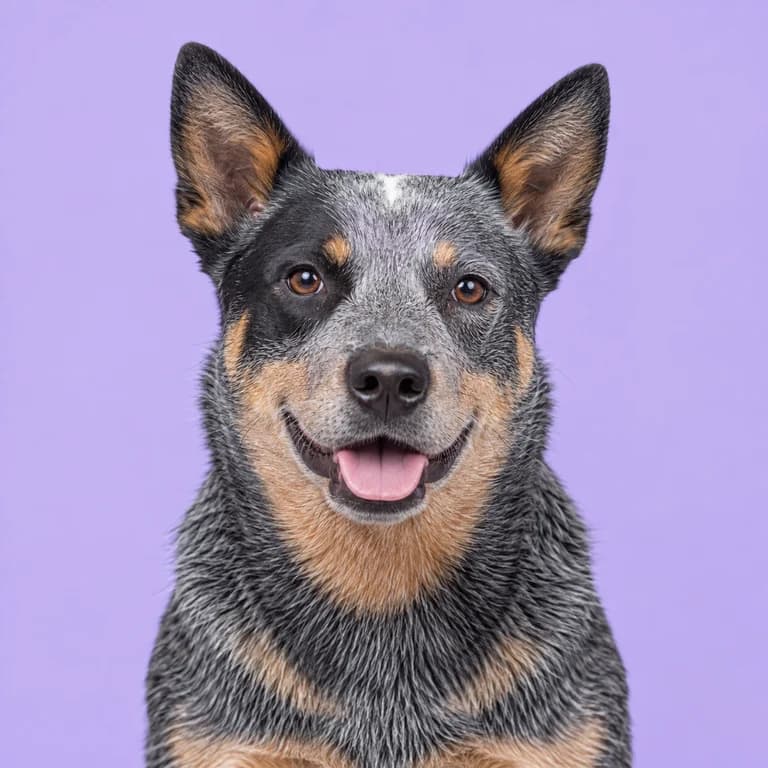
Herding group
Australian Cattle Dog
14 to 22 kg · 12 to 16 years
A compact drover with seemingly endless stamina, built to move stubborn cattle across hot Australian country.
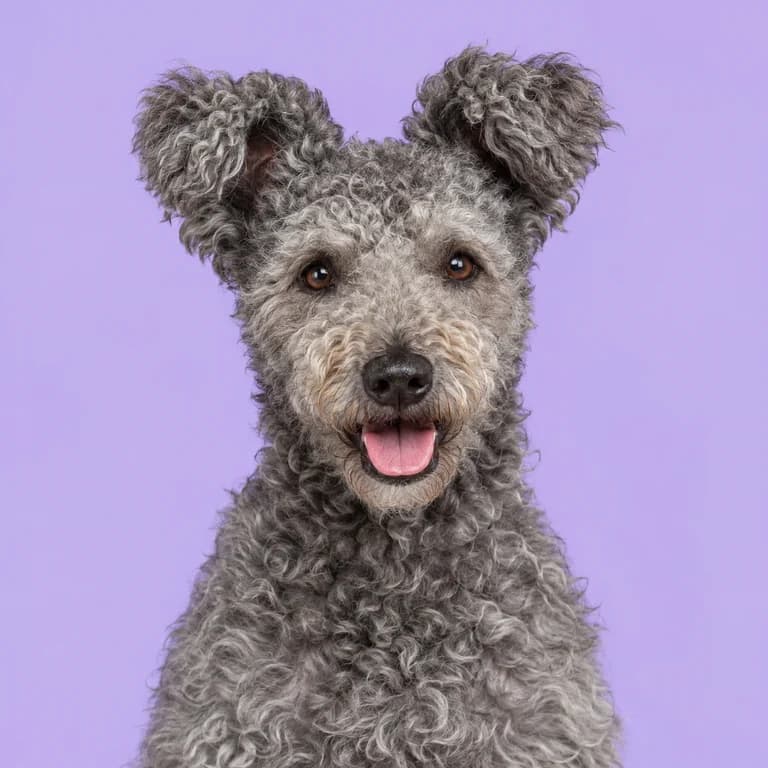
Herding group
Pumi
8 to 15 kg · 12 to 14 years
A curly, whip-smart Hungarian herder that treats every day as a job interview it intends to win.
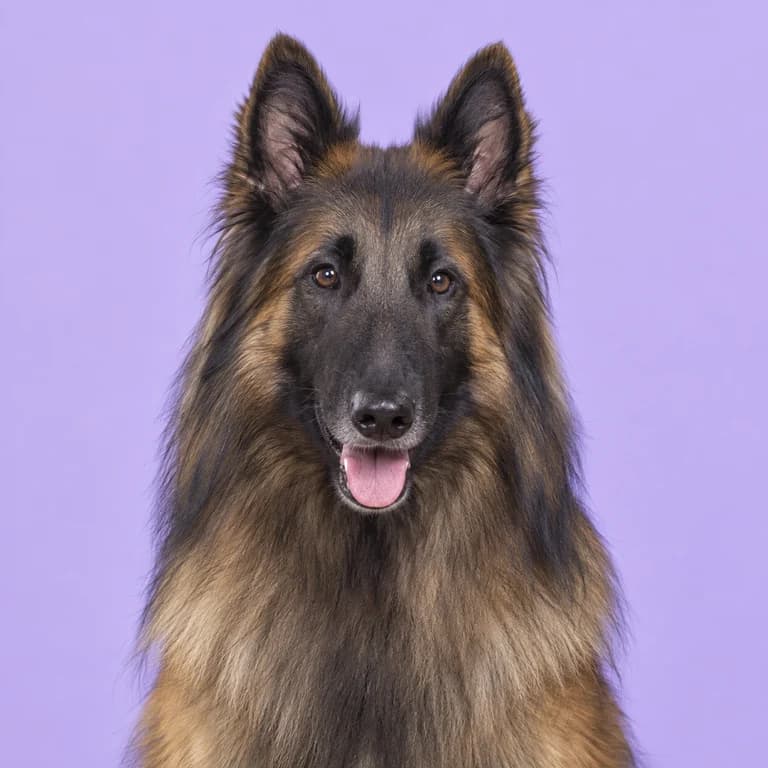
Herding group
Belgian Tervuren
20 to 30 kg · 12 to 14 years
A long-coated Belgian herder with a sprinter's reflexes and a working mind that wants a daily assignment.
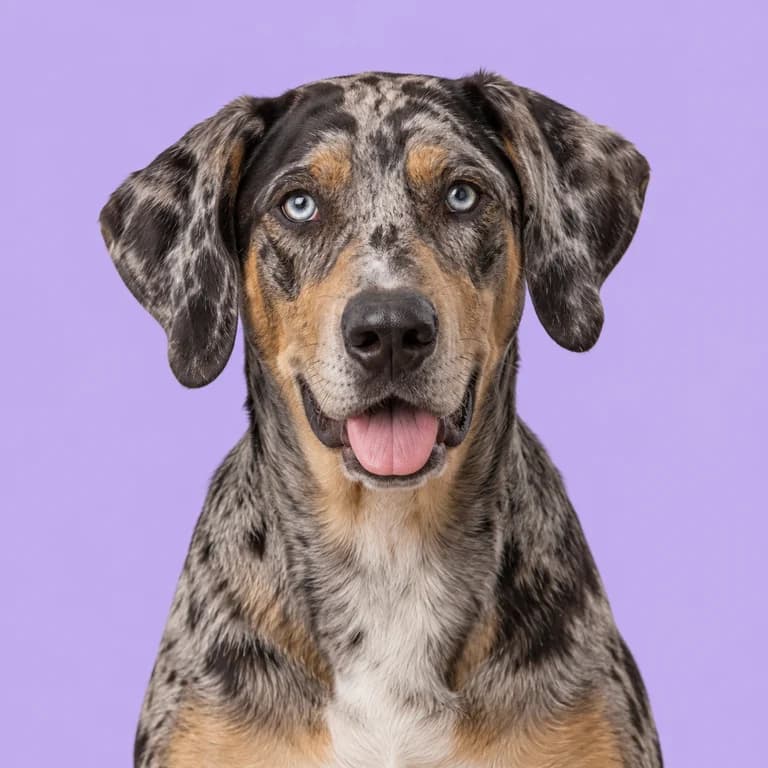
Herding group
Catahoula Leopard Dog
18 to 36 kg · 10 to 14 years
A spotted, glass-eyed working dog from the Louisiana swamps with boundless stamina and an independent streak.
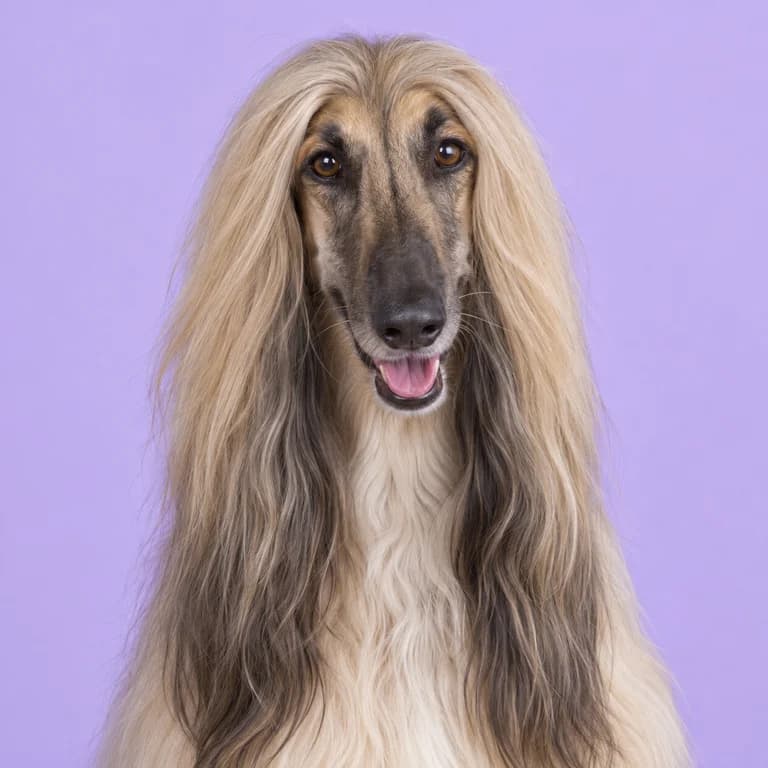
Hound group
Afghan Hound
20 to 30 kg · 12 to 14 years
An elegant sighthound in a floor-length coat that asks for hours of care every single week.
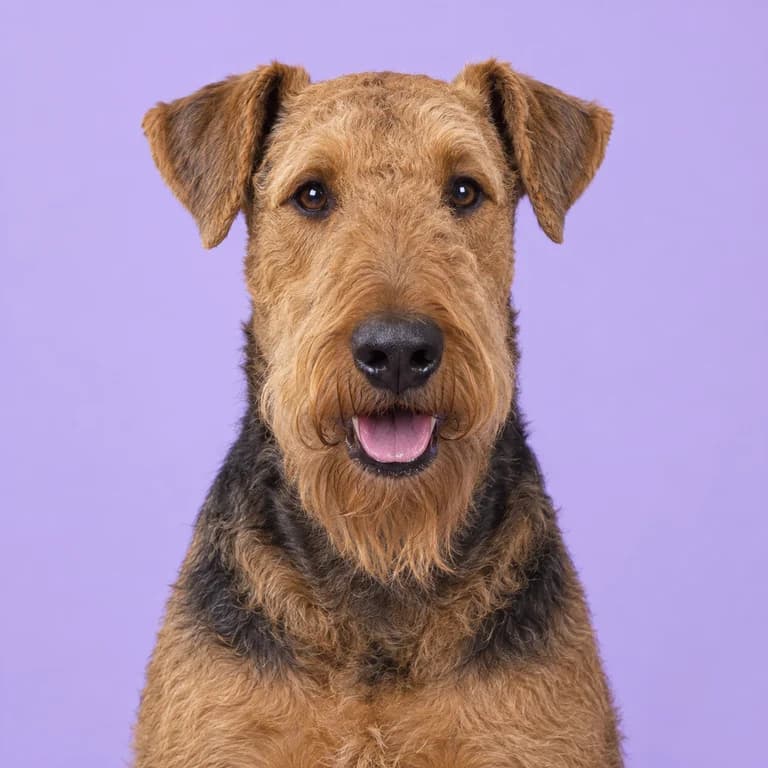
Terrier group
Airedale Terrier
18 to 29 kg · 11 to 14 years
The largest terrier, bred by Yorkshire workers to hunt otters and rats, and later trusted with wartime messages.