Sources for this article
Herding group · Belgium
Belgian Malinois
Also called Malinois, Mechelaar, Belgian Shepherd Malinois
A lean Belgian herder turned police partner, built for work at full speed and bored by anything less.
The Belgian Malinois is one of the most driven working dogs in the world, chosen by police, military and search teams for its speed, focus and appetite for tasks. In the right hands it is a brilliant, affectionate partner. In a quiet pet home without a real outlet, it can become frustrated and hard to live with.
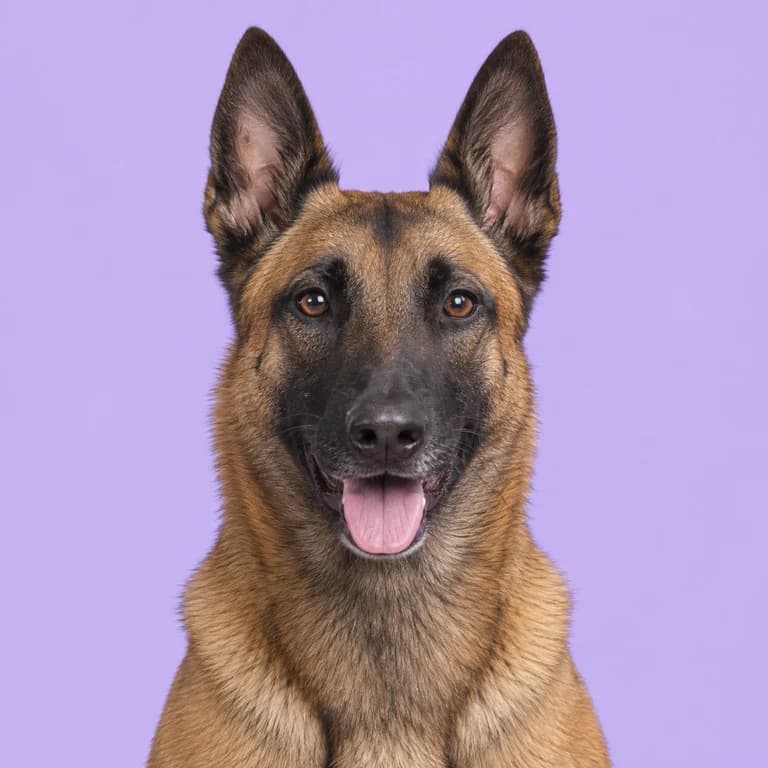
Original AI-generated breed illustration
Weight
20 to 34 kg
44 to 75 lb
Height
56 to 66 cm
at the shoulder
Life expectancy
12 to 14 yrs
Activity estimate
120 to 150 min
editorial daily planning range
Adult-size estimate
18 months
approximate model input
Life with a Belgian Malinois
Two hours of exercise a day is a starting point for a Malinois, not a luxury. The breed was shaped by Belgian shepherds and cattle dealers in the late 1800s who valued stamina and quick reactions above looks, and that priority never went away. When Belgium's police began using dogs in the early 1900s, the Malinois proved a natural fit, and working lines today are still selected for drive rather than appearance.
What drive means in practice is a dog that wakes up ready to do something and keeps looking for the next task all day. A Malinois will herd the cat, stare at a ball for twenty minutes or invent its own job if you do not supply one. Paired with that is real sensitivity: these dogs read their handler's body language closely and bond intensely, often shadowing one person.
At home, a well-exercised and well-trained Malinois can be calm, clean and gentle. The trouble comes when owners buy one for its looks or reputation and expect a normal pet routine. Without daily training and structured activity, many develop spinning, fence running, destructive chewing or reactivity. It is a superb dog for the right person and a poor choice for most first-time owners.
What stands out
Exercise
Aim for 90 to 120 minutes of combined physical and mental work daily. The best mix pairs running or fetch with something that engages the brain, such as tracking, scent games, obedience or retrieving to hand. Popular sports include IGP (tracking, obedience and protection), French ring, mondioring, agility, dock diving and nosework.
Read the full exercise guideActivity planning estimate
120 to 150 min
editorial estimate, not a prescription
Energy
5 / 5
Playfulness 4 / 5
A great match for
- experienced owners who train most days
- dog sports such as IGP, mondioring, agility or detection
- active people with time for structured work
- homes with secure fencing and a predictable routine
Think twice if
- intense energy that does not switch off on its own
- mouthing and nipping in puppies
- can become over-aroused around children's running and squealing
- wary of strangers without careful socialization
- distress and damage when left alone for long hours
Personality and needs at a glance
Living together
Good with children
Good with other dogs
Open with strangers
Apartment friendly
Copes with alone time
Energy and character
Energy level
Playfulness
Easy to train
Barking
5 means very vocal
Care and climate
Grooming needs
Shedding
Drooling
Handles cold
Handles heat
How much a Belgian Malinois eats
Illustrative calculations for neutered adults at midpoint breed weights, with food at 370 kcal per 100 g and 100 g per cup. These are not measured breed requirements. Use actual weight, the food label and veterinary body-condition advice.
| Dog | Weight | Calories | Dry food |
|---|---|---|---|
| Female, relaxed lifestyle | 24 kg | 1050 kcal | 285 g (2.8 cups) |
| Female, typical pet | 24 kg | 1200 kcal | 325 g (3.3 cups) |
| Male, typical pet | 32 kg | 1490 kcal | 400 g (4 cups) |
| Male, very active | 32 kg | 1860 kcal | 505 g (5 cups) |
Care guides for the Belgian Malinois
Things owners are often surprised by
- 1Named after the Belgian city of Mechelen, known in French as Malines.
- 2In 1891 a veterinary professor, Adolphe Reul, led the effort to sort Belgian herding dogs into types; the Malinois is the short-coated fawn one.
- 3Many kennel clubs treat it as one variety of the Belgian Shepherd, alongside the Groenendael, Tervuren and Laekenois.
- 4A working adult can happily train or run for two hours and still want more.
- 5It has become one of the most common breeds in police and military dog units worldwide.
Belgian Malinois questions
Is a Belgian Malinois the same as a German Shepherd?
No. They look similar at a glance but are separate breeds from different countries. The Malinois is lighter, squarer and usually faster, with a shorter coat and a straighter back. It tends to be more intense and quicker to react, which is why many police units have switched to it. German Shepherds are generally heavier and a little more easygoing in pet lines, though both need training and exercise.
Can a Belgian Malinois be a family pet?
It can, in the right family. Malinois often adore their people and can be gentle with respectful children. The catch is that they need daily training and structured exercise, often two hours, plus someone experienced to manage their drive. Running, shrieking kids can trigger herding and nipping. Families who already train dogs and enjoy dog sports tend to do well; busy households wanting an easy pet usually struggle.
Why does my Malinois spin in circles?
Spinning is common in the breed and usually points to excess arousal or frustration, often when a dog is waiting for something exciting or has too little to do. It can become a habit that is hard to break. Increase mental work, teach a calm default behavior and avoid rewarding the spin. If spinning is frequent, intense or hard to interrupt, speak to your vet and a qualified behaviorist.
How is the Malinois related to the Tervuren and Groenendael?
They all come from the same Belgian herding stock and share a body shape and temperament. The main difference is coat. The Malinois is short and fawn with a black mask, the Groenendael has a long black coat, the Tervuren is long and fawn with black tipping, and the Laekenois is rough and wiry. Some kennel clubs treat them as one breed with four varieties, others list them separately.
At what age does a Belgian Malinois calm down?
Physically they mature around 18 months, but most owners notice real settling somewhere between two and three years. Even then, energy does not drop to pet-dog levels; what improves is focus and the ability to relax between tasks. Consistent training in an off switch, plenty of sleep and a steady routine help a young Malinois get there sooner.
Popular answers for owners
- Exercise and playHow often should I rotate my dog's toys?
- Exercise and playIs tug of war bad for dogs?
- Puppy feeding and growthWhy is my puppy not gaining weight?
- How much to feedWhat is a body condition score and how do I check it?
- Bowls and feeding gearWhat is the biofilm in a dog's water bowl?
- Bowls and feeding gearWhat is the best material for a dog bowl?
Breeds you might compare
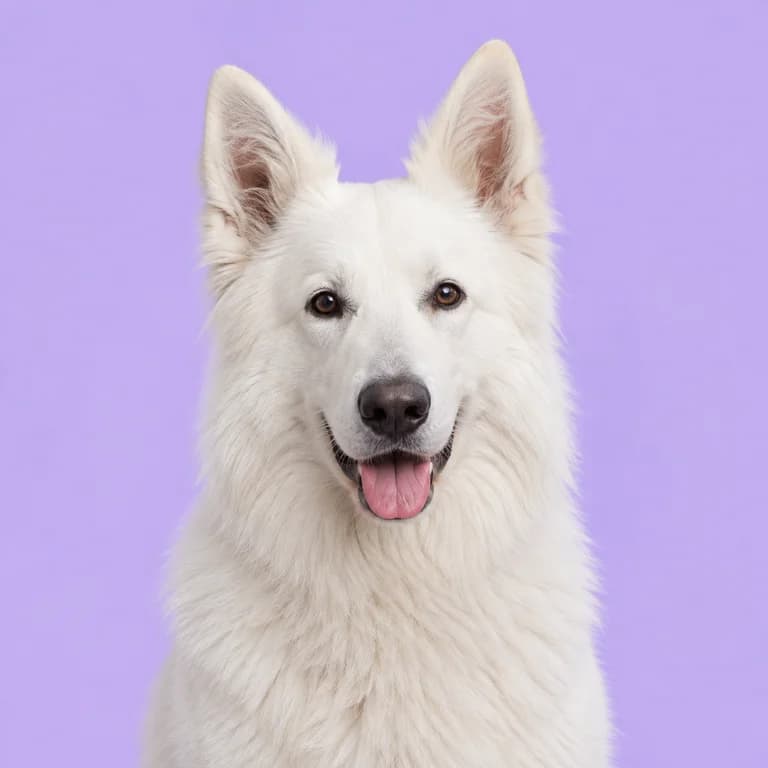
Herding group
White Swiss Shepherd
25 to 40 kg · 12 to 14 years
A snow-white shepherd with the brains of a working dog and a gentler, softer edge.
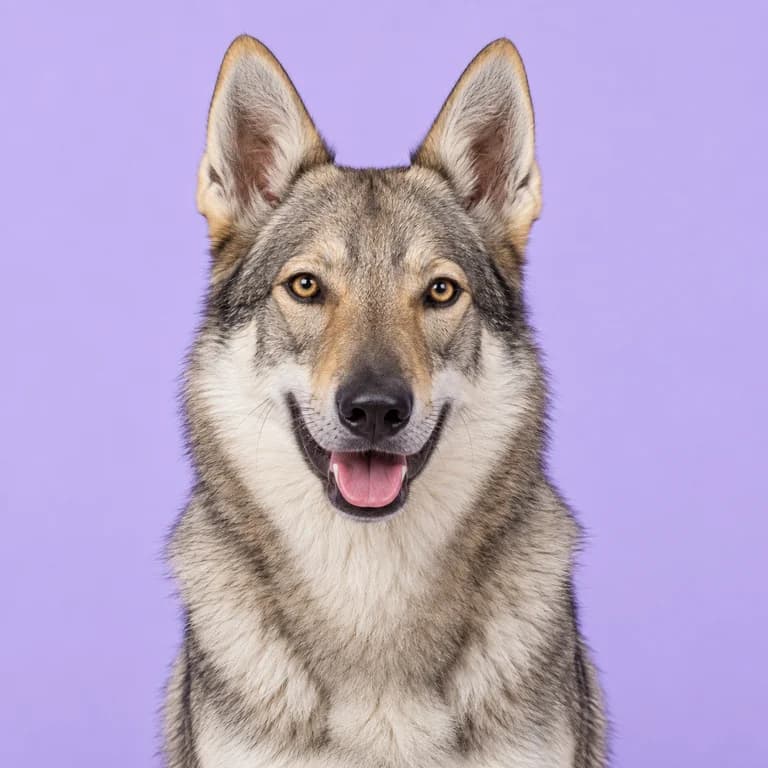
Herding group
Czechoslovakian Wolfdog
20 to 35 kg · 12 to 15 years
A Cold War border experiment that produced a dog with a wolf's look, a wolf's stamina and a mind of its own.
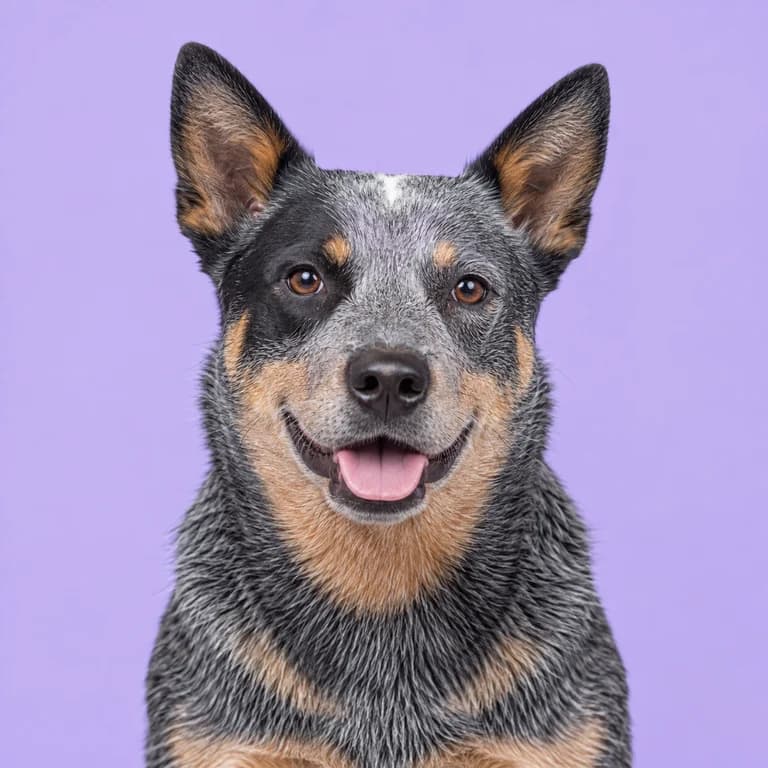
Herding group
Australian Cattle Dog
14 to 22 kg · 12 to 16 years
A compact drover with seemingly endless stamina, built to move stubborn cattle across hot Australian country.
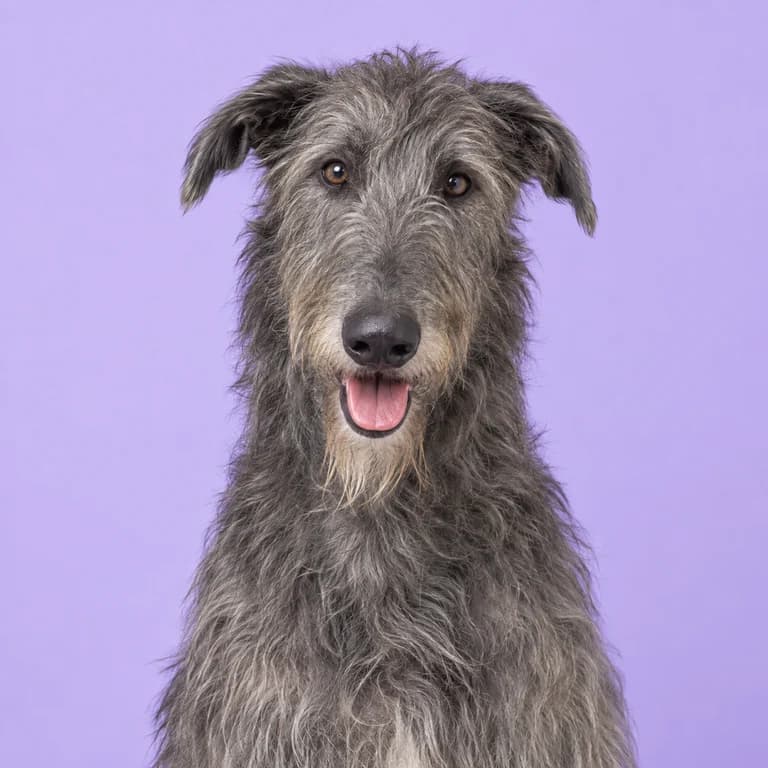
Hound group
Scottish Deerhound
34 to 50 kg · 8 to 11 years
Tall enough to rest its chin on your dining table, yet gentle, quiet and happiest stretched out on the sofa.
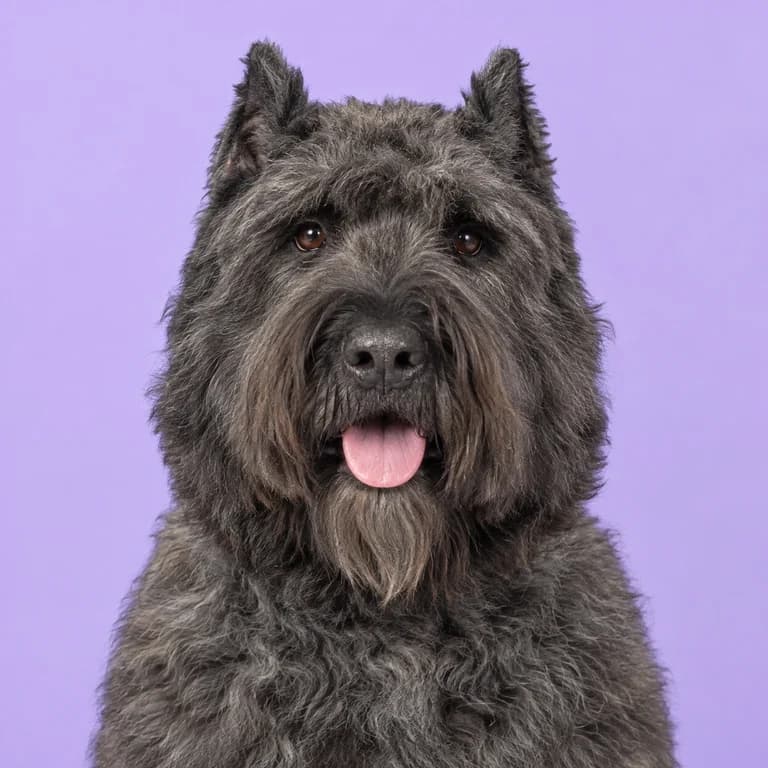
Herding group
Bouvier des Flandres
27 to 40 kg · 10 to 12 years
A rugged Flemish cattle dog hidden under a shaggy coat that demands weekly work and regular trimming.
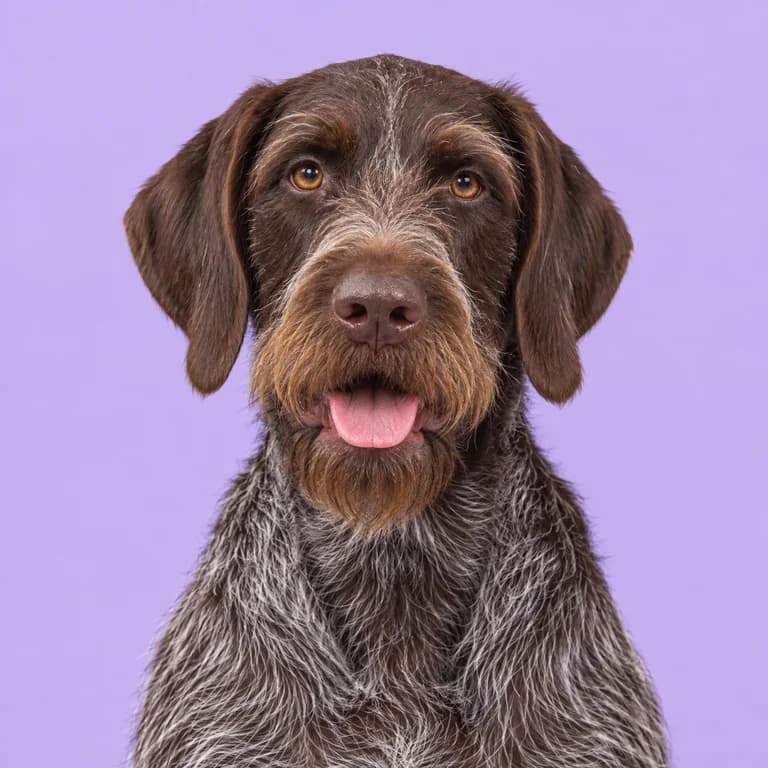
Sporting group
German Wirehaired Pointer
23 to 32 kg · 12 to 14 years
A bearded, weatherproof German hunting dog that thrives with a firm, fair trainer and a real job to do.