Herding group · Switzerland
White Swiss Shepherd
Also called Berger Blanc Suisse, White Shepherd
A snow-white shepherd with the brains of a working dog and a gentler, softer edge.
The White Swiss Shepherd shares ancestry with the German Shepherd but was developed in Switzerland as a separate, all-white breed. It learns fast, bonds closely and excels at almost any dog sport, provided training is gentle and consistent.
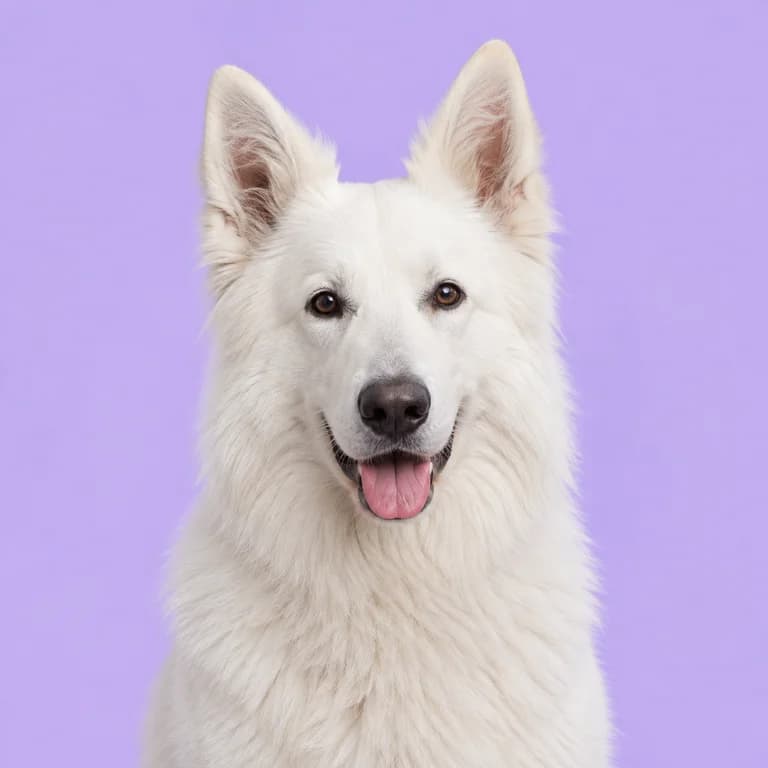
Original AI-generated breed illustration
Weight
25 to 40 kg
55 to 88 lb
Height
53 to 66 cm
at the shoulder
Life expectancy
12 to 14 yrs
Activity estimate
90 to 120 min
editorial daily planning range
Adult-size estimate
24 months
approximate model input
Life with a White Swiss Shepherd
In the early decades of German Shepherd breeding, white puppies appeared regularly, but from the 1930s the German breed club treated the white coat as a fault. White dogs quietly continued in the United States and Canada, and in the 1970s some were imported into Switzerland. Swiss breeders built a separate breed around them, selecting for a calm, friendly temperament as well as the striking coat. The FCI accepted the White Swiss Shepherd provisionally in 2003 and fully in 2011.
Owners often describe it as a German Shepherd with the volume turned down. It is intelligent, observant and attentive to its family, but typically less intense and less guarding than working-line German Shepherds. It is watchful with strangers and will bark to announce them, yet it is rarely aggressive and usually warms up once introduced.
This is a dog that wants to be with you. A White Swiss Shepherd will follow you from kitchen to garden, lean on your legs and supervise every household task. That devotion makes it very trainable and rewarding, but it also means the breed does badly when shut away or left for long workdays without company.
What stands out
Training
This is where the breed shines. White Swiss Shepherds learn new behaviors in a handful of repetitions and enjoy structured sessions with their owners. Food rewards, tug and praise all work, and training based on reward suits their sensitive nature.
Read the full training guideEasy to train
Open with strangers
Good with other dogs
A great match for
- active owners who enjoy training
- families wanting a watchful but friendly large dog
- people interested in obedience, tracking or rally
- homes with space and a garden
Think twice if
- very heavy shedding, especially twice a year
- white hair on every surface
- reserved or anxious if poorly socialized
- struggles with long periods alone
- can have a sensitive stomach
Personality and needs at a glance
Living together
Good with children
Good with other dogs
Open with strangers
Apartment friendly
Copes with alone time
Energy and character
Energy level
Playfulness
Easy to train
Barking
5 means very vocal
Care and climate
Grooming needs
Shedding
Drooling
Handles cold
Handles heat
How much a White Swiss Shepherd eats
Illustrative calculations for neutered adults at midpoint breed weights, with food at 370 kcal per 100 g and 100 g per cup. These are not measured breed requirements. Use actual weight, the food label and veterinary body-condition advice.
| Dog | Weight | Calories | Dry food |
|---|---|---|---|
| Female, relaxed lifestyle | 30 kg | 1260 kcal | 340 g (3.5 cups) |
| Female, typical pet | 30 kg | 1440 kcal | 390 g (4 cups) |
| Male, typical pet | 35 kg | 1610 kcal | 435 g (4.3 cups) |
| Male, very active | 35 kg | 2010 kcal | 545 g (5.5 cups) |
Care guides for the White Swiss Shepherd
Things owners are often surprised by
- 1Descends from white German Shepherds preserved in North America after white was excluded in Germany
- 2Developed in Switzerland from the 1970s and fully recognized by the FCI in 2011
- 3Comes in two coat lengths, stock and long-haired
- 4Pigment stays dark on nose, lips and eye rims despite the white coat
- 5Often vocal, with a range of grumbles and 'talking' sounds
White Swiss Shepherd questions
Is a White Swiss Shepherd just a white German Shepherd?
They share ancestry, but under the FCI they are separate breeds. White Swiss Shepherds were bred in Switzerland for decades with their own standard, which prioritizes a gentle, balanced temperament and a straighter back line. White German Shepherds registered in some countries are genetically very close, but breeding goals differ, and the Swiss breed is usually less intense.
Is the White Swiss Shepherd recognized in the United States?
The American Kennel Club does not recognize the White Swiss Shepherd as a separate breed. White German Shepherds can be registered with the AKC but are disqualified from conformation shows. The United Kennel Club recognizes the White Shepherd, and the FCI and the UK Kennel Club recognize the White Swiss Shepherd.
How do I keep a white dog's coat clean?
Let mud dry, then brush it out with a slicker brush; most dirt falls away within minutes. Towel-dry after wet walks, and use a gentle shampoo only every two to three months, since frequent bathing strips natural oils that help repel dirt. Wipe the muzzle after meals and the eyes daily to prevent reddish staining.
Is a White Swiss Shepherd a good guard dog?
It makes a good watchdog, alerting you to visitors with a deep bark, but it is not a protection breed by temperament. Most are friendly once they see you welcome someone. If you want a dog that deters strangers through size and a bark while being safe around guests, it fits well; if you want serious guarding, look elsewhere.
Why do my White Swiss Shepherd puppy's ears keep going up and down?
Ear cartilage is still developing, and teething between three and six months diverts calcium and changes muscle tension around the head. Ears often stand, droop and stand again during this period. Most settle upright by about seven months. If they remain soft after eight months, ask your breeder, who will know what is typical for that line.
Popular answers for owners
- Exercise and playCan an adult dog get too little exercise and gain weight?
- Grooming and coatIs hair loss on the tail normal in dogs?
- Exercise and playCan you over exercise a puppy?
- Bowls and feeding gearAre ceramic bowls safe for dogs?
- How much to feedHow do I manage weight loss for a dog that cannot exercise much right now?
- Puppy feeding and growthShould I keep feeding puppy food after my puppy reaches adult height?
Breeds you might compare
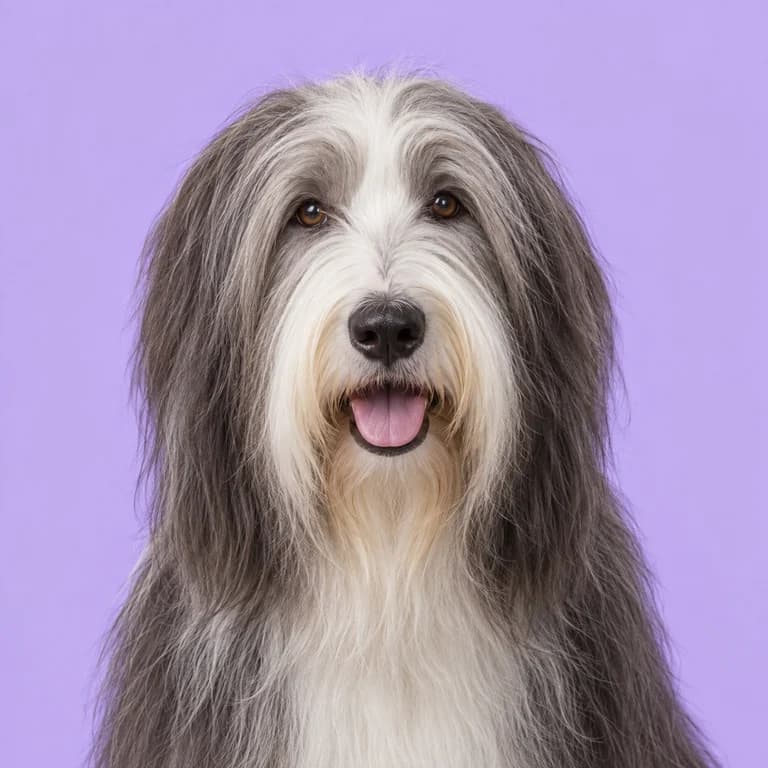
Herding group
Bearded Collie
18 to 25 kg · 12 to 14 years
A shaggy Scottish drover with a bounce in every step and a sense of humor to match.
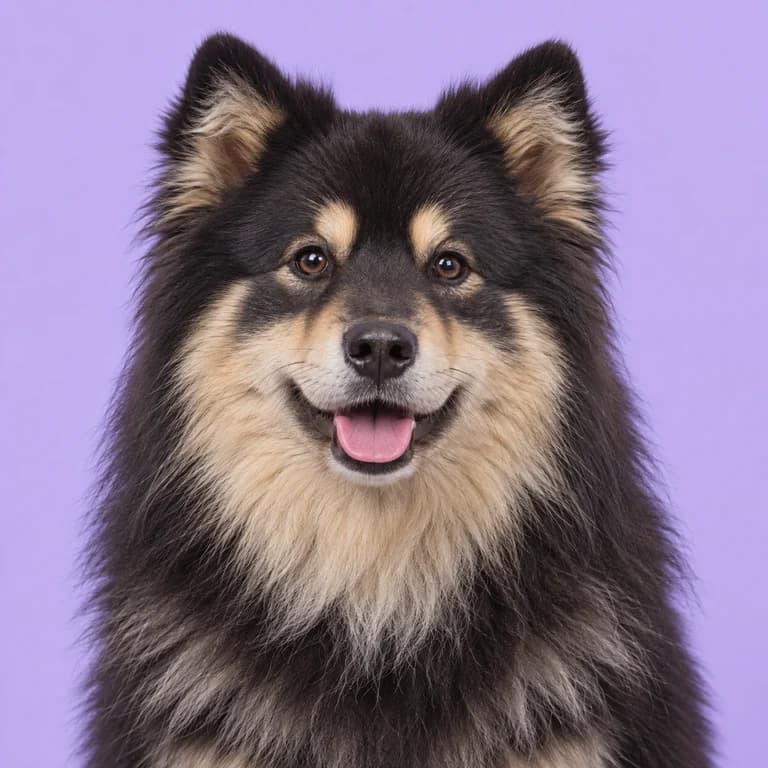
Herding group
Finnish Lapphund
15 to 24 kg · 12 to 15 years
A soft-natured reindeer herder from Lapland that pairs arctic toughness with remarkable gentleness at home.
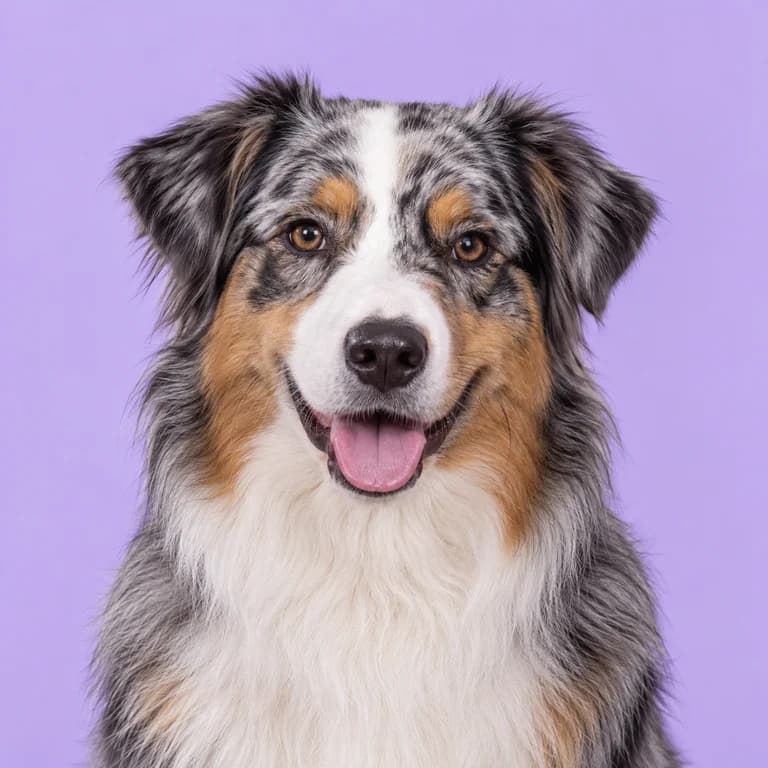
Herding group
Australian Shepherd
18 to 32 kg · 12 to 15 years
A ranch-bred worker with a busy brain, the Aussie wants a daily job and will invent one if you don't.
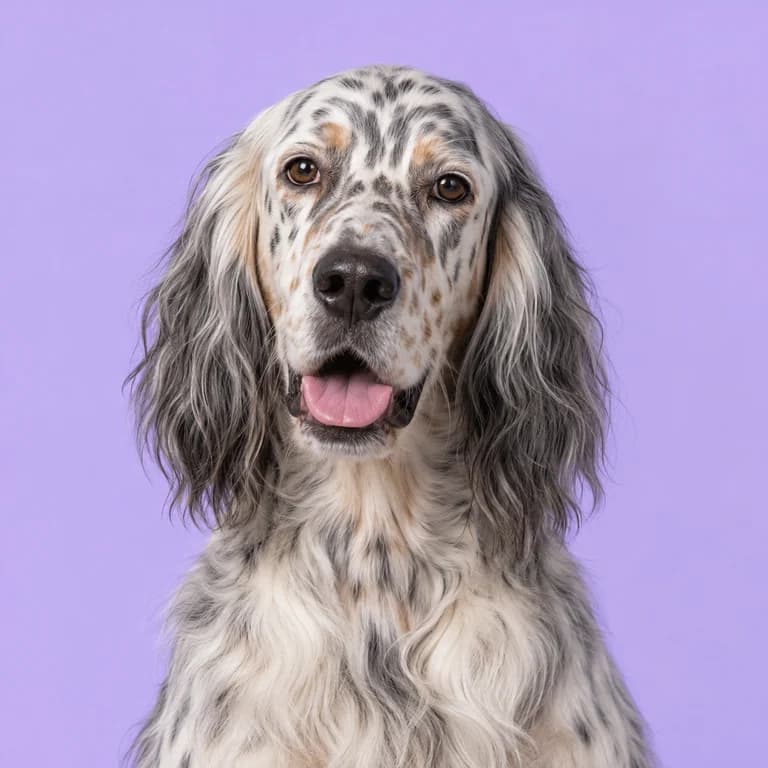
Sporting group
English Setter
20 to 36 kg · 10 to 12 years
A speckled gentleman of the field, mellow at home yet slow to grow out of puppy silliness.
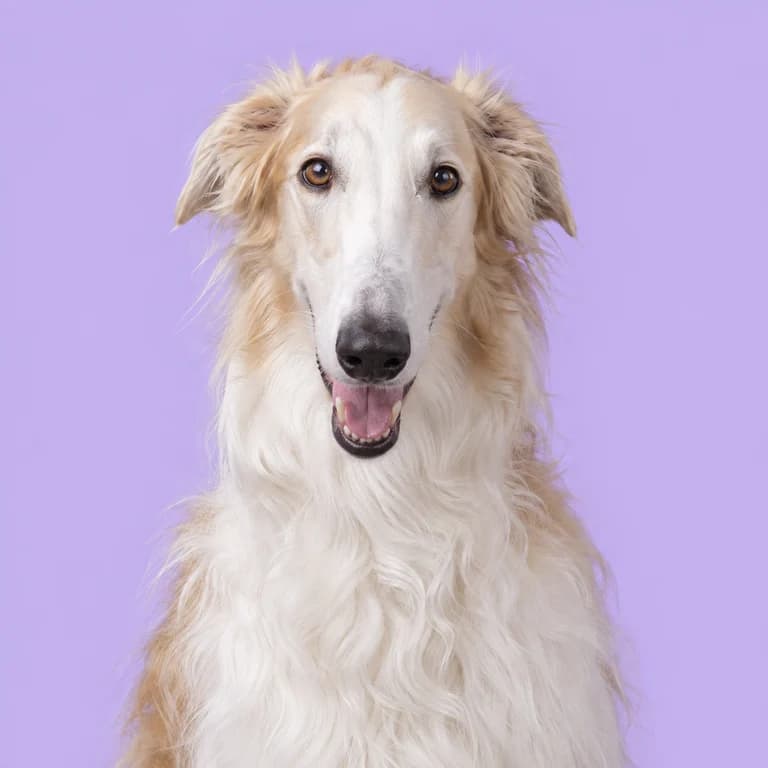
Hound group
Borzoi
27 to 48 kg · 10 to 12 years
An aristocratic Russian sighthound once used to course wolves, now a quiet, graceful couch companion with a sprinter's heart.
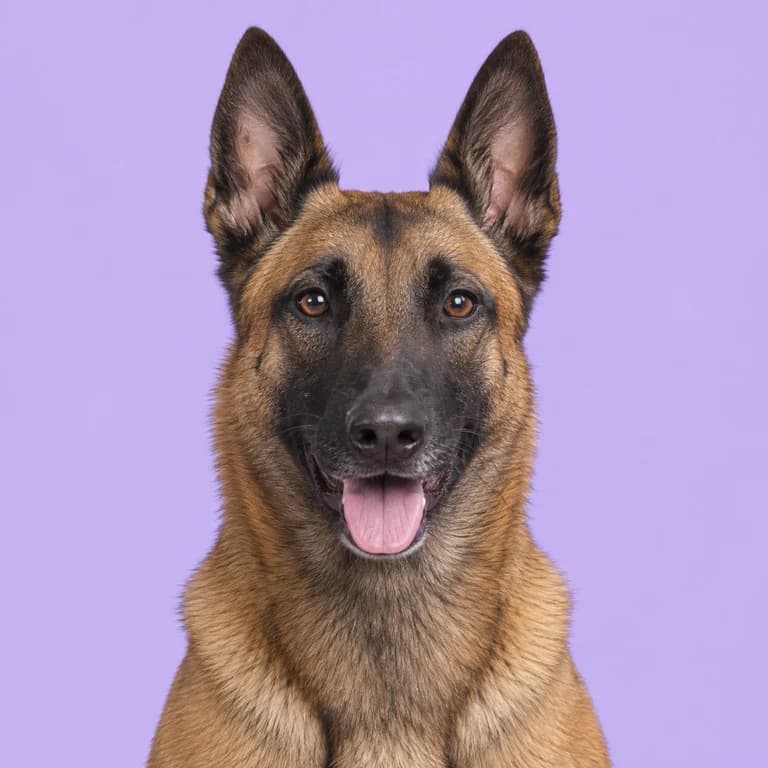
Herding group
Belgian Malinois
20 to 34 kg · 12 to 14 years
A lean Belgian herder turned police partner, built for work at full speed and bored by anything less.