Sources for this article
Non-sporting group · Madagascar
Coton de Tulear
Also called Coton, Royal Dog of Madagascar
A cotton-coated clown from Madagascar whose soft white hair needs daily attention and rewards it generously.
The Coton de Tulear is a small, sociable companion named after the port of Tulear in Madagascar and the cotton texture of its coat. It is easy to live with in almost every way except one: the coat mats quickly and needs daily brushing for life.

Original AI-generated breed illustration
Weight
4 to 6 kg
9 to 13 lb
Height
23 to 28 cm
at the shoulder
Life expectancy
14 to 16 yrs
Activity estimate
60 to 90 min
editorial daily planning range
Adult-size estimate
12 months
approximate model input
Life with a Coton de Tulear
Small white bichon-type dogs arrived in Madagascar on trading ships several centuries ago and settled around the port of Tuléar. There they became favorites of the island's aristocracy, which is why the breed is still sometimes called the royal dog of Madagascar. French visitors brought Cotons to Europe in the 1970s, and the FCI recognized the breed in 1987, while the American Kennel Club added it in 2014.
A Coton is lively, affectionate and noticeably comical. Many will bounce on their hind legs, play chase in tight circles and follow family members everywhere. They are gentle with children, friendly with other dogs and cats, and generally polite with visitors after an initial alert bark. What they dislike is being apart from their people, and long days alone are hard on them.
The coat defines ownership more than anything else. Unlike a silky coat, cotton-textured hair clings to itself, so loose hairs stay in the coat instead of falling out. That is why Cotons shed very little and also why they mat so fast. If you love the look, plan for 10 to 15 minutes of brushing every day or a shorter trim kept up by a groomer every six weeks.
What stands out
Grooming
In full coat, brush every day using line brushing: part the hair in layers and brush from the skin outward with a pin brush, then check each area with a wide-toothed comb. Never brush a dry, dirty coat, which snaps the hair; mist it lightly with water or a grooming spray first. Bathe every two to three weeks and blow-dry completely, because air-dried cotton hair tangles more.
Read the full grooming guideIllustrative grooming schedule based on our editorial coat-care score. Adjust it to the individual coat and professional advice.
Brushing
Daily
Bathing
Every 3 to 6 weeks
Shedding
Minimal
Nail trim
Every 3 to 4 weeks
A great match for
- flats and small homes
- families with children and other pets
- owners who enjoy daily grooming
- people who are home most of the day
Think twice if
- daily brushing or regular professional grooming
- distress when left alone
- a white beard that stains around the mouth
- slow house training in some puppies
- small bladder needing frequent outings
Personality and needs at a glance
Living together
Good with children
Good with other dogs
Open with strangers
Apartment friendly
Copes with alone time
Energy and character
Energy level
Playfulness
Easy to train
Barking
5 means very vocal
Care and climate
Grooming needs
Shedding
Drooling
Handles cold
Handles heat
How much a Coton de Tulear eats
Illustrative calculations for neutered adults at midpoint breed weights, with food at 370 kcal per 100 g and 100 g per cup. These are not measured breed requirements. Use actual weight, the food label and veterinary body-condition advice.
| Dog | Weight | Calories | Dry food |
|---|---|---|---|
| Female, relaxed lifestyle | 5 kg | 300 kcal | 80 g (0.8 cups) |
| Female, typical pet | 5 kg | 350 kcal | 95 g (1 cups) |
| Male, typical pet | 5 kg | 370 kcal | 100 g (1 cups) |
| Male, very active | 5 kg | 470 kcal | 125 g (1.3 cups) |
Care guides for the Coton de Tulear
Things owners are often surprised by
- 1Named after Tuléar, now Toliara, a port in southwest Madagascar
- 2The coat feels like cotton wool rather than silk or wire
- 3Puppies often have tan or grey patches that fade as they mature
- 4Coat change from puppy to adult hair, between about 9 and 18 months, causes heavy matting
- 5Known for walking short distances on its hind legs when excited
Coton de Tulear questions
Is a Coton de Tulear hypoallergenic?
No dog is fully allergy-free, because allergens are found in saliva and skin flakes as well as hair. Cotons shed very little, though, since loose hairs stay trapped in the cotton coat until brushed out. Some people with mild dog allergies cope well with them. Spend time with adult Cotons before committing, and keep grooming and bedding washing regular.
Why is my Coton puppy suddenly matting so badly?
Most likely it has entered the coat change, which usually happens between 9 and 18 months. The adult hair grows in while the soft puppy coat is still attached, and the two knot together quickly. Brushing daily, right to the skin, is the only way to keep up. Many owners opt for a short trim during these months and let the coat grow back afterward.
Can a Coton de Tulear be left alone during the workday?
Full workdays alone suit this breed poorly. Cotons were bred as companions and often become anxious, vocal or destructive when left for eight hours. If you work away from home, a dog walker at midday, doggy daycare or a relative who can visit makes a big difference. Build up alone time gradually from puppyhood rather than starting with long absences.
Do Coton de Tulear puppies change color?
Often, yes. Many puppies are born with light tan, grey or even darker patches on the ears and body that fade considerably by adulthood, leaving a mostly white dog with faint ear markings. Black and white puppies may also lighten. It is difficult to predict the final shade at eight weeks, so choose your puppy on temperament rather than markings.
What haircut is easiest for a Coton?
A teddy or puppy cut, with body hair around 3 to 5 cm and a rounded face, is the most practical choice for family pets. It dries quickly, collects less dirt and needs brushing a few times a week instead of daily. Ask your groomer to keep the feet, eyes and hygiene area tidy, and book a trim every six to eight weeks.
Popular answers for owners
- How much to feedHow much should I feed a 100 lb dog?
- How much to feedMy dog eats the recommended amount but is still gaining weight, why?
- Puppy feeding and growthHow much should my puppy weigh at 8 weeks?
- How much to feedHow much should I feed a 3kg dog?
- Grooming and coatShould I shave my double coated dog in summer?
- Grooming and coatHow often should I brush a short haired dog?
Breeds you might compare
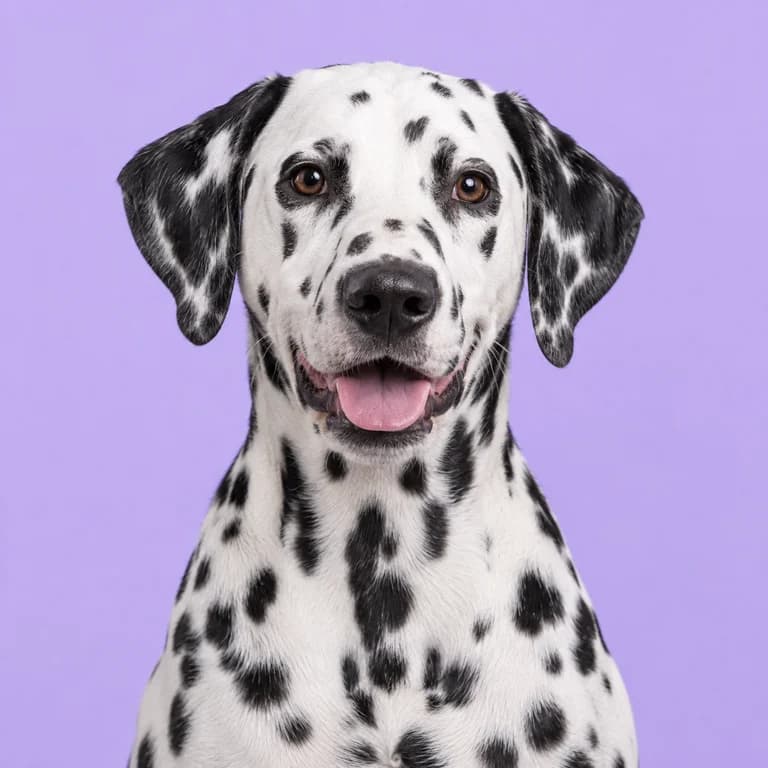
Non-sporting group
Dalmatian
20 to 32 kg · 11 to 13 years
Bred to trot beside horse-drawn carriages for hours, the Dalmatian still has the stamina to prove it.
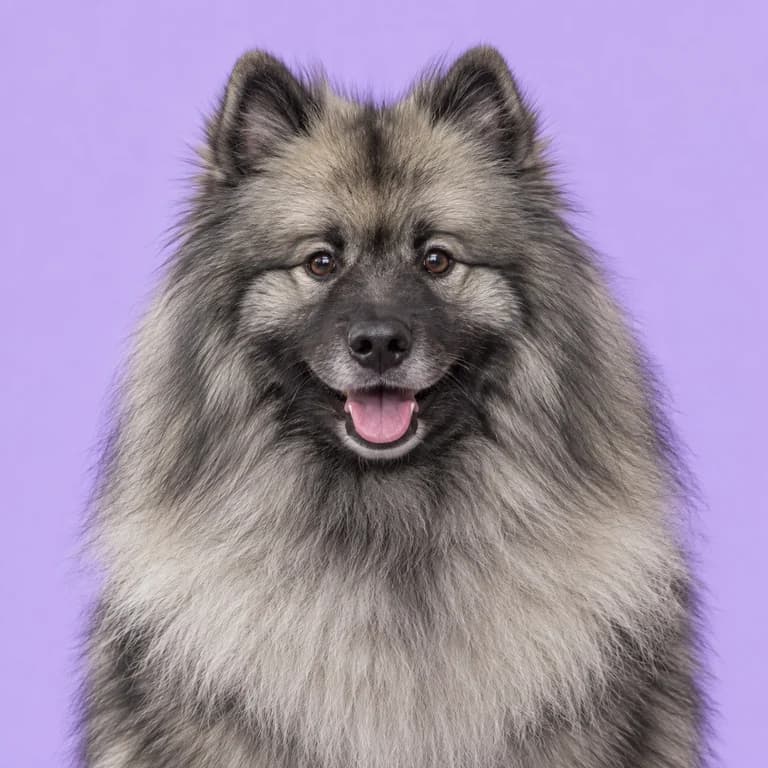
Non-sporting group
Keeshond
14 to 20 kg · 12 to 15 years
Once the watchdog of Dutch river barges, now a spectacled, fluffy companion with a talent for reading people.

Non-sporting group
Löwchen
4 to 8 kg · 13 to 15 years
A small, sturdy companion with a lion haircut, a lively mind and a history of nearly vanishing.

Toy group
Japanese Chin
2 to 5 kg · 10 to 14 years
A quiet, cat-like lap dog that washes its face with its paws and watches from the highest cushion.

Toy group
English Toy Spaniel
4 to 6 kg · 10 to 12 years
A compact, flat-faced royal lapdog that fits in your arms and carries centuries of court history.

Toy group
Miniature Pinscher
4 to 6 kg · 12 to 16 years
A pint-sized escape artist with a high-stepping trot and a mind that is always two moves ahead.