Sources for this article
Toy group · Germany
Miniature Pinscher
Also called Min Pin, Zwergpinscher, King of Toys
A pint-sized escape artist with a high-stepping trot and a mind that is always two moves ahead.
The Min Pin is not a shrunken Doberman; it is an older German ratter with its own fearless, curious personality. It is clever, quick and famously inventive at getting into trouble. Owners who enjoy training and can outthink a small dog find it wonderfully entertaining.
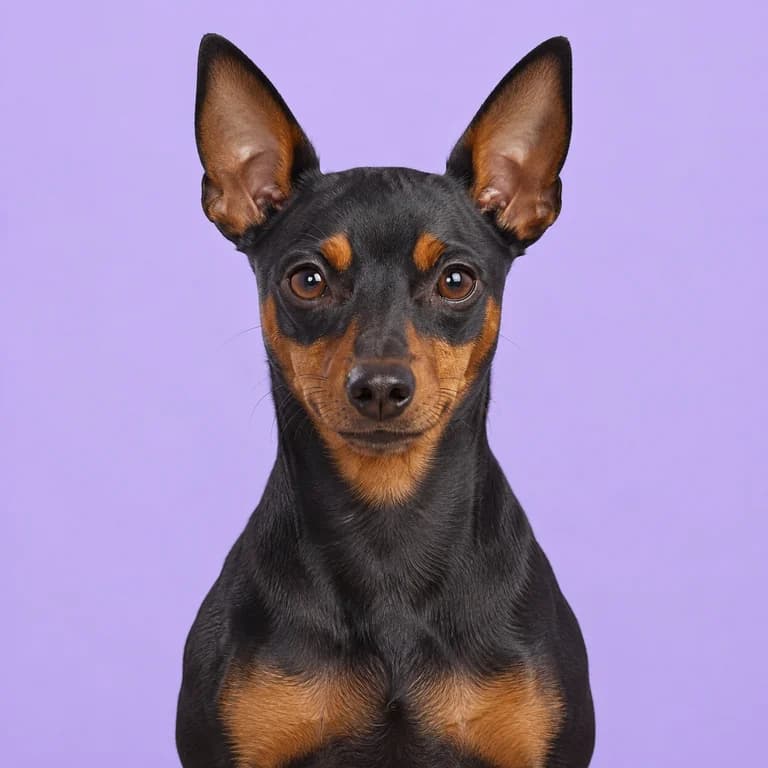
Original AI-generated breed illustration
Weight
4 to 6 kg
9 to 13 lb
Height
25 to 30 cm
at the shoulder
Life expectancy
12 to 16 yrs
Activity estimate
120 to 150 min
editorial daily planning range
Adult-size estimate
12 months
approximate model input
Life with a Miniature Pinscher
Ask a Min Pin owner about their dog, and you will usually hear a story about an escape. This is a small, athletic breed with sharp problem-solving skills, and it will study a gate latch, a loose fence board or a door left ajar with real dedication. Training and management are what make living with one a pleasure rather than a daily hunt.
The breed comes from Germany, where it was called the Reh Pinscher, reh meaning a small red deer, a nod to the classic red coat. It was used to control rats on farms and in stables. A common myth says the Min Pin was bred down from the Doberman, but the small pinscher existed well before the Doberman was developed in the late 1800s. Both breeds share German pinscher roots rather than one being a copy of the other.
At home, Min Pins are playful, quick and affectionate with their family, often diving under blankets and demanding a lap in the evening. With strangers they may be reserved or vocal, and with other dogs they sometimes act as if they are four times their real size.
What stands out
Training
Min Pins are clever and learn fast, but they also ask what is in it for them. Short sessions with tasty rewards, frequent changes of task and a playful tone work well. Repeating a boring exercise twenty times usually makes a Min Pin walk away and find something more interesting.
Read the full training guideEasy to train
Open with strangers
Good with other dogs
A great match for
- owners who enjoy daily training
- active adults in flats or houses
- people who like a spirited, comic dog
- homes with secure gardens
Think twice if
- expert at escaping gaps and gates
- chases small animals
- stubborn streak
- barks readily at noises
Personality and needs at a glance
Living together
Good with children
Good with other dogs
Open with strangers
Apartment friendly
Copes with alone time
Energy and character
Energy level
Playfulness
Easy to train
Barking
5 means very vocal
Care and climate
Grooming needs
Shedding
Drooling
Handles cold
Handles heat
How much a Miniature Pinscher eats
Illustrative calculations for neutered adults at midpoint breed weights, with food at 370 kcal per 100 g and 100 g per cup. These are not measured breed requirements. Use actual weight, the food label and veterinary body-condition advice.
| Dog | Weight | Calories | Dry food |
|---|---|---|---|
| Female, relaxed lifestyle | 5 kg | 300 kcal | 80 g (0.8 cups) |
| Female, typical pet | 5 kg | 350 kcal | 95 g (1 cups) |
| Male, typical pet | 5 kg | 370 kcal | 100 g (1 cups) |
| Male, very active | 5 kg | 470 kcal | 125 g (1.3 cups) |
Care guides for the Miniature Pinscher
Things owners are often surprised by
- 1Older than the Doberman: small red pinschers appear in German records and paintings from several centuries back
- 2Moves with a distinctive high-stepping gait often compared to a hackney horse
- 3Can squeeze through a gap of just a few centimeters in a fence or door
- 4Originally kept to hunt rats in homes, barns and stables
- 5Sometimes called the King of Toys by fans because of its bold presence
Miniature Pinscher questions
Is a Miniature Pinscher a small Doberman?
No. Although they look alike, the Miniature Pinscher is the older breed. Small red pinschers were found in Germany long before Louis Dobermann created his breed in the 1880s. The two share distant pinscher ancestry, but they were developed separately for different jobs: the Min Pin for catching rats and the Doberman for guarding.
Are Min Pins good with kids?
They can be, with older children who handle them calmly. Min Pins are lively and enjoy play, but they may nip if grabbed or squeezed, and small children can accidentally drop them. Teaching kids to sit on the floor to cuddle the dog and giving the Min Pin a place to retreat keeps everyone safe.
Why is my Min Pin always trying to escape?
The breed is curious, clever and quick, and it was bred to hunt small animals, so interesting scents or sounds beyond the fence are a strong pull. Check fences for gaps near the ground, avoid leaving gates ajar, and give plenty of daily exercise and puzzle games. A bored Min Pin is far more likely to go looking for adventure.
Do Miniature Pinschers bark a lot?
They are alert and quick to announce noises, so many bark more than average. Barking usually drops with regular exercise, mental work and a taught quiet cue. Rewarding silence, managing window access and avoiding shouting, which can sound like joining in, all help. Complete silence is not realistic for most Min Pins.
Can Min Pins live with cats?
Many live happily with cats, especially if raised with them from puppyhood. However, the breed's ratting heritage can make it chase cats that run. Introduce slowly, give the cat high escape routes, and supervise until you are sure both are relaxed. Small pets such as hamsters or rabbits are usually a poor match.
Popular answers for owners
- Exercise and playWhat is exercise intolerance in dogs?
- Exercise and playHow do you play tug safely with a puppy?
- Puppy feeding and growthWhy do puppy foods have more fat than adult dog food?
- Bowls and feeding gearDo I need separate feeding stations for a resource guarding dog?
- Bowls and feeding gearWhat happens if a dog bowl is set too high?
- Exercise and playHow long should a dog rest after intense play?
Breeds you might compare
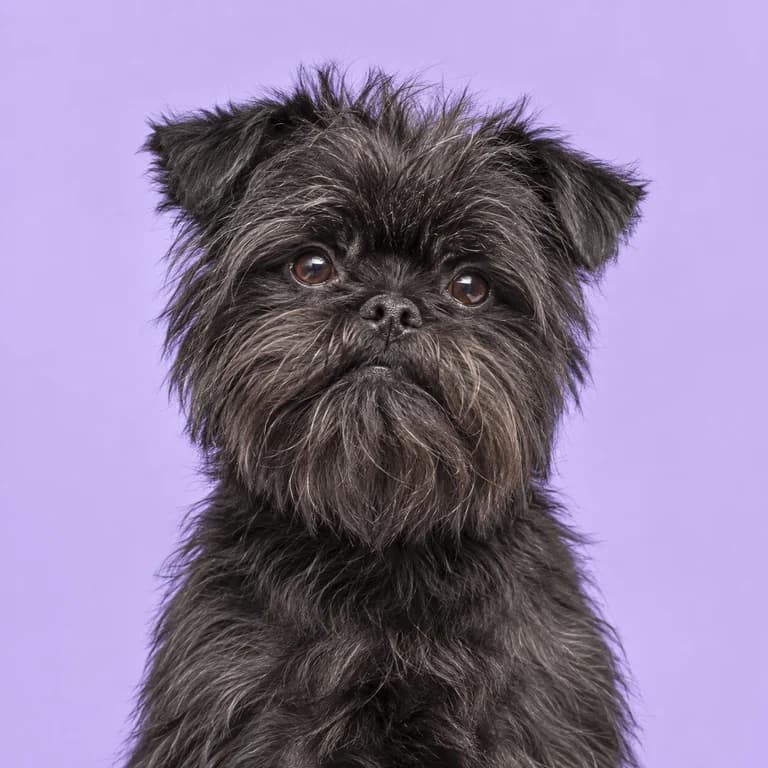
Toy group
Affenpinscher
3 to 6 kg · 12 to 15 years
Barely 4 kg of confidence, a monkey-faced stable ratter that behaves as if nobody told it how small it is.
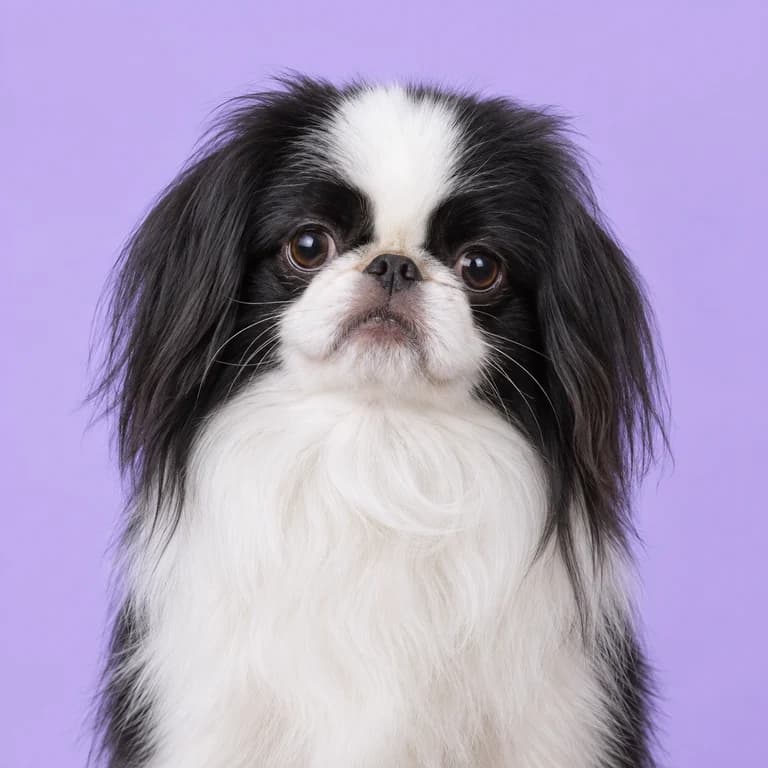
Toy group
Japanese Chin
2 to 5 kg · 10 to 14 years
A quiet, cat-like lap dog that washes its face with its paws and watches from the highest cushion.
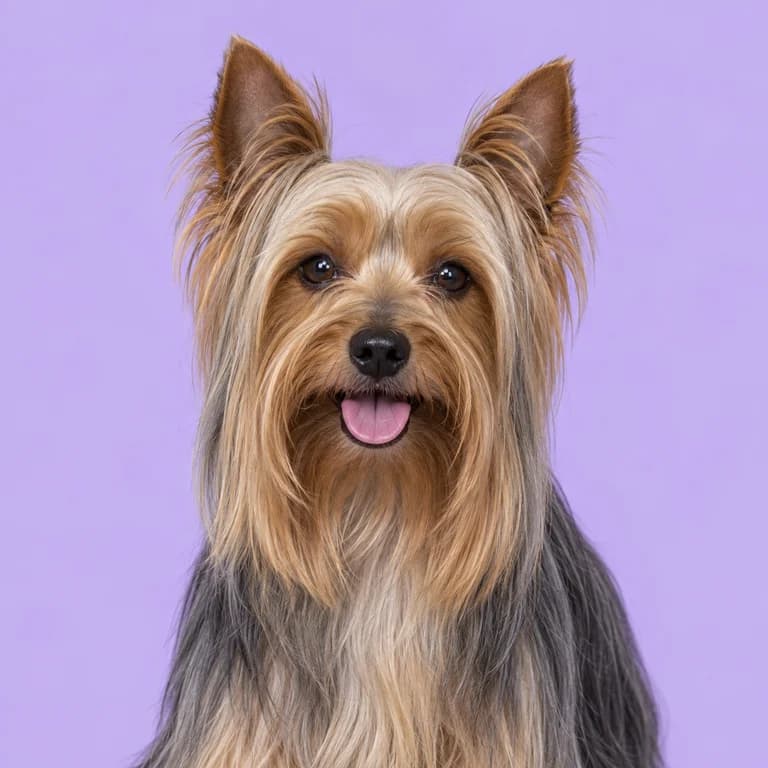
Toy group
Silky Terrier
4 to 5 kg · 13 to 15 years
A true terrier in a toy-sized body, dressed in blue and tan silk and still keen to catch a rat.
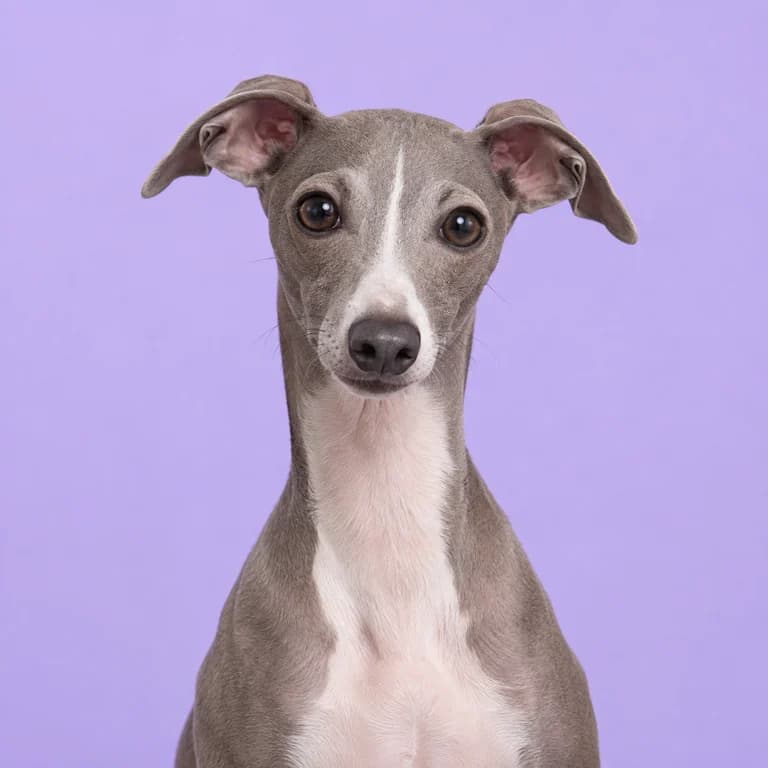
Toy group
Italian Greyhound
3 to 5 kg · 13 to 15 years
A true sighthound shrunk to lap size, fast as a flicker and delicate enough to need thoughtful handling.

Toy group
Toy Poodle
2 to 4 kg · 14 to 17 years
A full Poodle brain packed into a body under 4 kg, quick to learn and quicker to notice your habits.
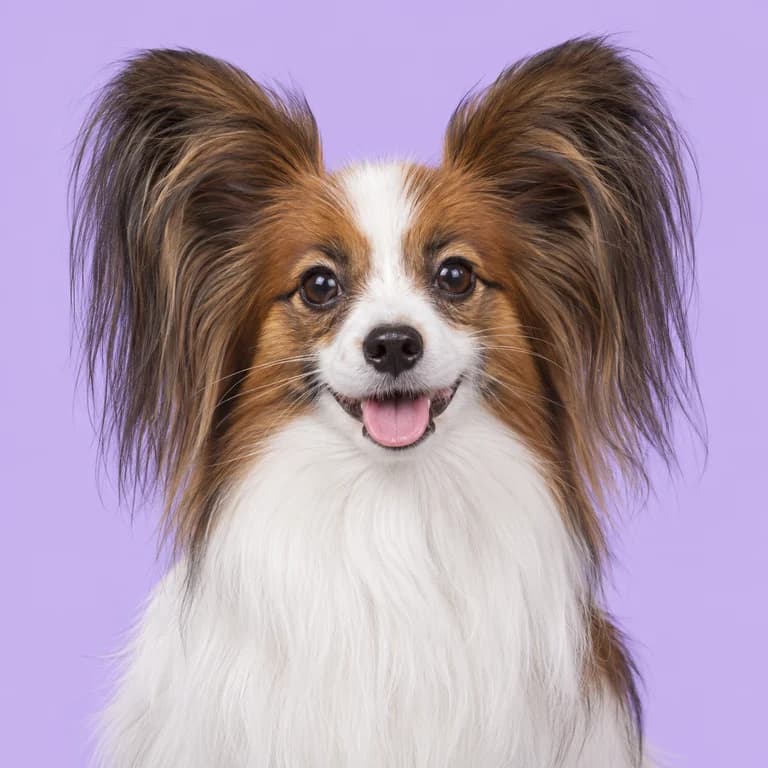
Toy group
Papillon
2 to 5 kg · 13 to 16 years
A butterfly-eared toy spaniel that learns faster than most big dogs and loves showing off what it knows.