Sources for this article
Non-sporting group · Netherlands
Keeshond
Also called Kees, Wolfspitz, Dutch Barge Dog
Once the watchdog of Dutch river barges, now a spectacled, fluffy companion with a talent for reading people.
The Keeshond is a medium-sized spitz with a plush gray coat, a curled tail and distinctive 'spectacle' markings around the eyes. Kept on barges and farms in the Netherlands for centuries, it became a political symbol in the 1780s and nearly disappeared afterward. Today it is a sociable, alert family dog that loves company and announces every arrival.
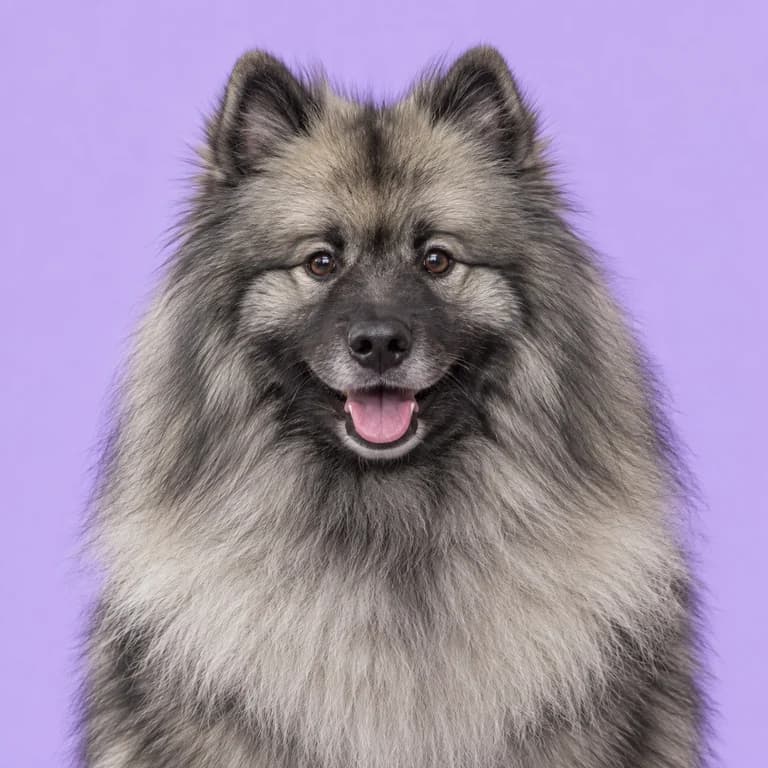
Original AI-generated breed illustration
Weight
14 to 20 kg
31 to 44 lb
Height
41 to 48 cm
at the shoulder
Life expectancy
12 to 15 yrs
Activity estimate
60 to 90 min
editorial daily planning range
Adult-size estimate
15 months
approximate model input
Life with a Keeshond
Barge families on the Rhine and the canals of Holland needed a dog that fitted on a small deck, kept rats in check and raised the alarm when strangers stepped aboard. The medium-sized gray spitz they kept for the job was friendly with its own people and noisy with everyone else, a combination that still describes the breed well.
Its name comes from politics. In the 1780s the Dutch Patriot party opposed the ruling House of Orange, and one of its leaders, Cornelis de Gyselaer, was known for his spitz dog Kees. The dog became the party mascot, turning up in cartoons and pamphlets, so when the Orangists won, owning one looked disloyal and numbers fell sharply. The breed survived quietly on barges and farms until enthusiasts rebuilt it in the 1920s.
Living with one is easy in many ways. Keeshonden (the Dutch plural) are cheerful, adaptable and affectionate, rarely aggressive and quick to bond with children. They are tuned in to the mood of the house and tend to shadow their owners from room to room, which earns them a reputation as velcro dogs. The trade-offs are the voice, the coat and a strong dislike of being left out.
A great match for
- families with children
- owners at home much of the day
- first-time owners willing to groom
- cool and temperate climates
Think twice if
- barks to announce everything
- heavy seasonal shedding
- dislikes long periods alone
- coat must never be shaved
- struggles in hot summers
Personality and needs at a glance
Living together
Good with children
Good with other dogs
Open with strangers
Apartment friendly
Copes with alone time
Energy and character
Energy level
Playfulness
Easy to train
Barking
5 means very vocal
Care and climate
Grooming needs
Shedding
Drooling
Handles cold
Handles heat
How much a Keeshond eats
Illustrative calculations for neutered adults at midpoint breed weights, with food at 370 kcal per 100 g and 100 g per cup. These are not measured breed requirements. Use actual weight, the food label and veterinary body-condition advice.
| Dog | Weight | Calories | Dry food |
|---|---|---|---|
| Female, relaxed lifestyle | 16 kg | 780 kcal | 210 g (2 cups) |
| Female, typical pet | 16 kg | 900 kcal | 240 g (2.5 cups) |
| Male, typical pet | 18 kg | 980 kcal | 265 g (2.8 cups) |
| Male, very active | 18 kg | 1220 kcal | 330 g (3.3 cups) |
Care guides for the Keeshond
Things owners are often surprised by
- 1Named after Cornelis 'Kees' de Gyselaer, an 18th century Dutch Patriot leader whose dog became the party's emblem
- 2A dark line running from each eye toward the ear creates the famous 'spectacles'
- 3Known as the Wolfspitz in Germany and other FCI countries, where it shares a standard with the German Spitz family
- 4Baroness van Hardenbroek gathered surviving dogs from barges and farms in the 1920s and rebuilt the breed
- 5Nicknamed the 'smiling Dutchman' for its open, upturned expression
Keeshond questions
Why are Keeshonden called smiling Dutchmen?
The nickname comes from the breed's typical expression: dark lips that curve up at the corners, a relaxed open mouth and the spectacle markings, which make the face look alert and friendly. Paired with an outgoing temperament, the effect is a dog that seems to be grinning at you. The markings are part of the breed standard, so well-bred dogs show them clearly.
Is a Keeshond a good apartment dog?
It can be, if your neighbors tolerate some barking. The Keeshond's moderate size and exercise needs suit smaller homes, and it would rather be near you than alone in a big garden. The challenge is noise, since many bark at sounds in corridors and at doorbells. Teaching a quiet cue and avoiding long spells alone make flat life much easier.
Do Keeshonden smell?
Very little, when groomed regularly. The harsh outer coat sheds dirt, and a brushed-out undercoat lets the skin breathe. Odor usually comes from mats trapping moisture, ear trouble or dental problems, so if your Keeshond starts to smell, check those areas first. Most owners find they bathe far less often than they expected.
What is the difference between a Keeshond and a German Wolfspitz?
Under FCI rules they are the same dog: the Keeshond and Wolfspitz share one standard within the German Spitz breed, in wolf-gray coloring only. The UK and US kennel clubs list the Keeshond as a breed of its own. Show lines in different countries may differ slightly in type, but they come from the same stock.
Can a Keeshond be left alone during the day?
Keeshonden were bred to live alongside their families on barges, and long absences are hard for them. Most adults manage 3 to 4 hours once trained, but a full working day alone often leads to barking and stress. If you work away from home, a dog walker, daycare or a family member who drops in makes a real difference.
Popular answers for owners
- Exercise and playHow do I exercise two dogs with very different energy levels together?
- Puppy feeding and growthDoes neutering change how much I should feed my puppy?
- How much to feedMy dog gained weight suddenly, what could explain it?
- Bowls and feeding gearAre gravity feeders different from timed automatic feeders?
- Grooming and coatHow do I care for a Golden Retriever's feathering?
- Grooming and coatHow do I introduce a puppy to grooming for the first time?
Breeds you might compare
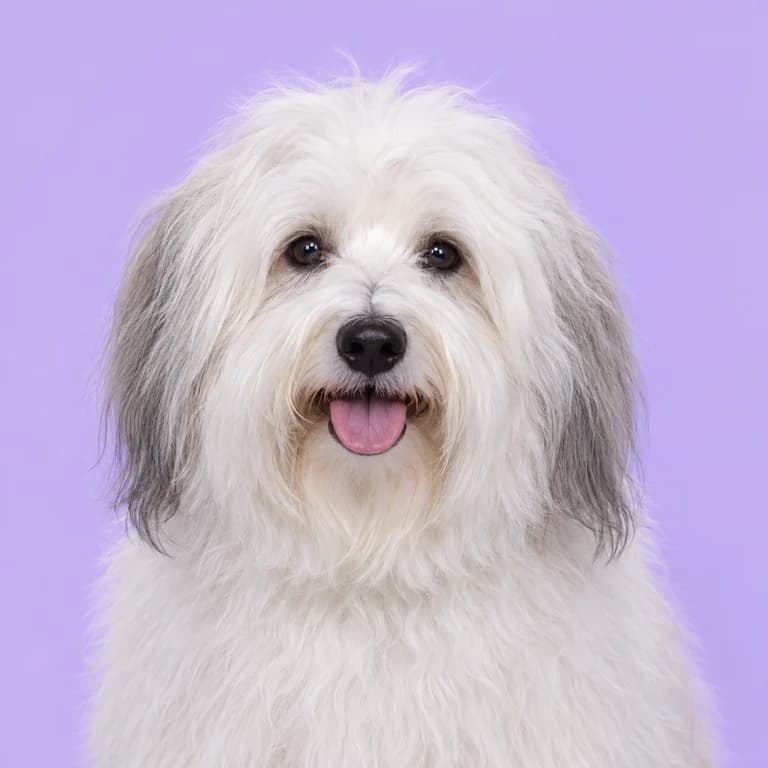
Non-sporting group
Coton de Tulear
4 to 6 kg · 14 to 16 years
A cotton-coated clown from Madagascar whose soft white hair needs daily attention and rewards it generously.
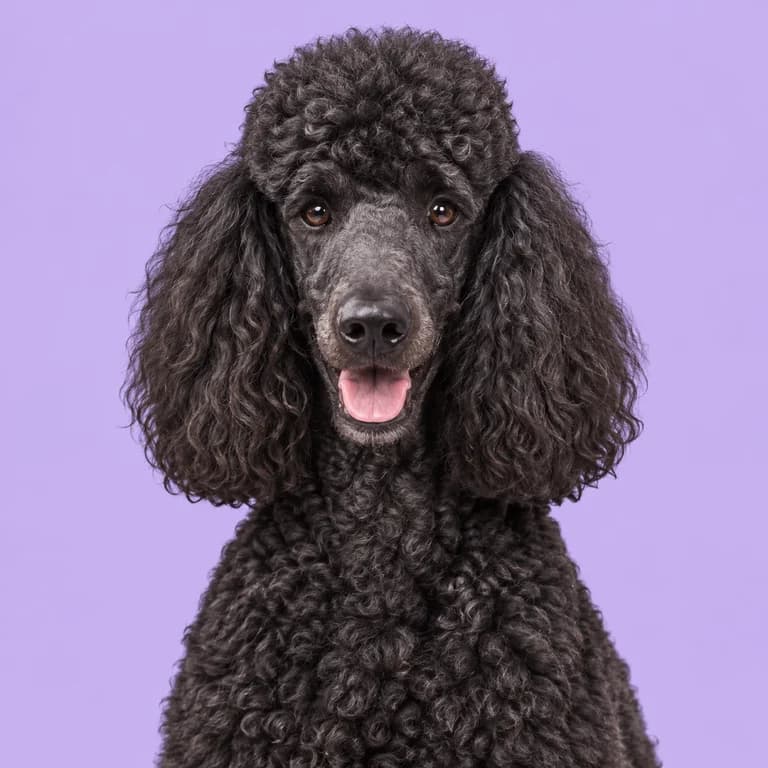
Non-sporting group
Standard Poodle
20 to 32 kg · 12 to 15 years
A water retriever in disguise, with a mind so quick it turns every household routine into a lesson.
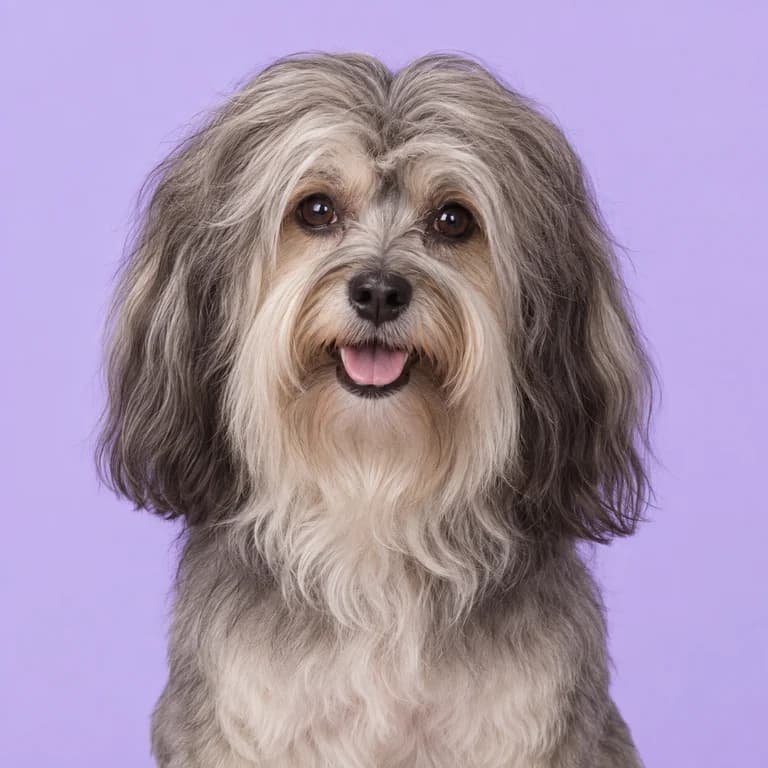
Non-sporting group
Löwchen
4 to 8 kg · 13 to 15 years
A small, sturdy companion with a lion haircut, a lively mind and a history of nearly vanishing.
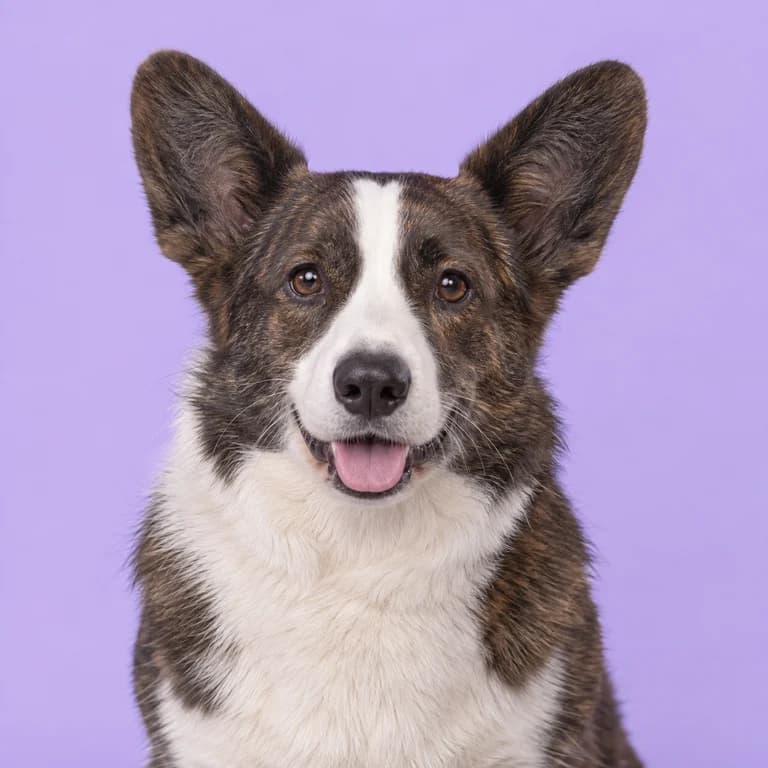
Herding group
Cardigan Welsh Corgi
12 to 17 kg · 12 to 15 years
The older, long-tailed corgi from the Welsh hills, built low to drive cattle and still thinking like a farmhand.
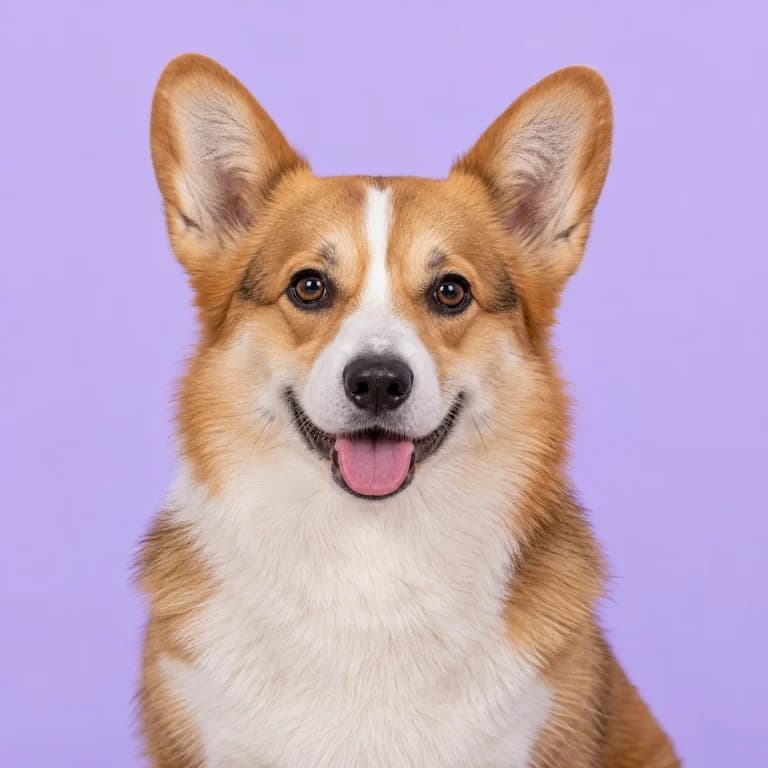
Herding group
Pembroke Welsh Corgi
9 to 14 kg · 12 to 14 years
A cattle driver in a compact body, the Pembroke thinks fast, talks back, and rarely misses a snack.
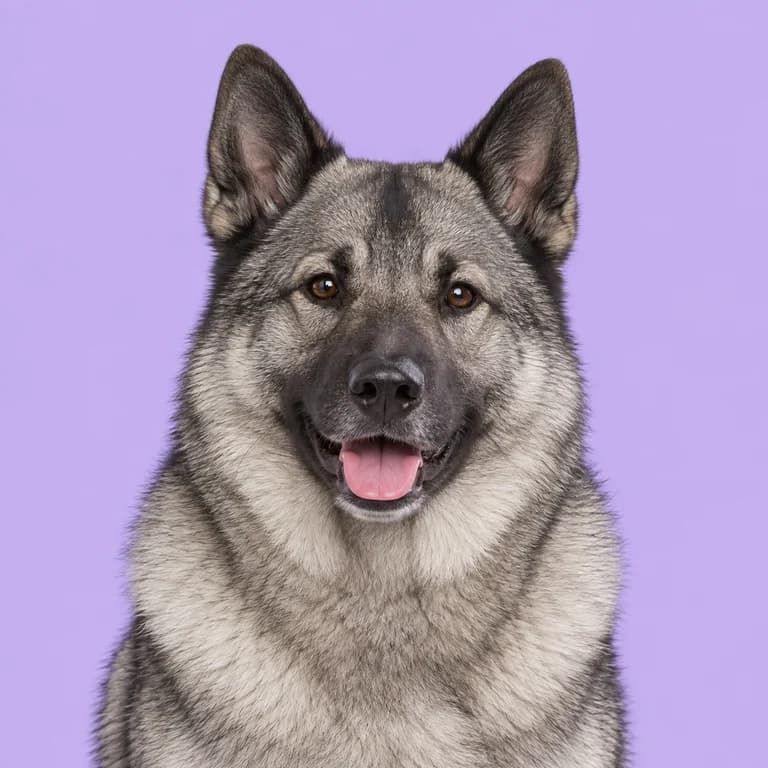
Hound group
Norwegian Elkhound
18 to 25 kg · 12 to 15 years
A silver-grey Nordic hunter bred to find moose and hold them in place with its voice.